Like most travelers, my first experience in Türkiye was visiting Istanbul. Unlike most travelers I have Turkish friends that would keep me returning to this amazing country. I had no idea that my love affair with Türkiye would begin in Istanbul, continue with the Turquoise Coast, followed up with Cappadocia and then solidified with many ancient sites, Göcek and Babadağ. I explored ruins, oceans, mountains, resorts, drank fresh pomegranate juice, Turkish tea and coffee and reveled in Turkish food and customs with friends, I danced watching the lights of Istanbul below, hiked and swam, drove through dusty roads and drifted above sparkling seas. Epic is the correct adjective for this fascinating country.
Istanbul is my first stop and local friends guided me through this historic place. Know that Istanbul is just the tip of the iceberg and Turkey has many more diverse and interesting areas to explore. You will find ancient history and ruins, rich culture and food and stunning landscapes and oceans. It seems that UNESCO world heritage sites are around every corner. The more I visit, the more I am fascinated.
After Istanbul I soon returned to cruise the Turkish Riviera, with it’s Roman ruins, crystal clear waters, small villages and mountains and then ventured inland to Cappadocia, a land of underground cities, fairy chimneys and balloon rides and finally explored UNESCO sites like Pamukkale, Hierapolis and Ephesus It seems that UNESCO world heritage sites are around every corner. Here is a brief outline Istanbul to start off this journey.
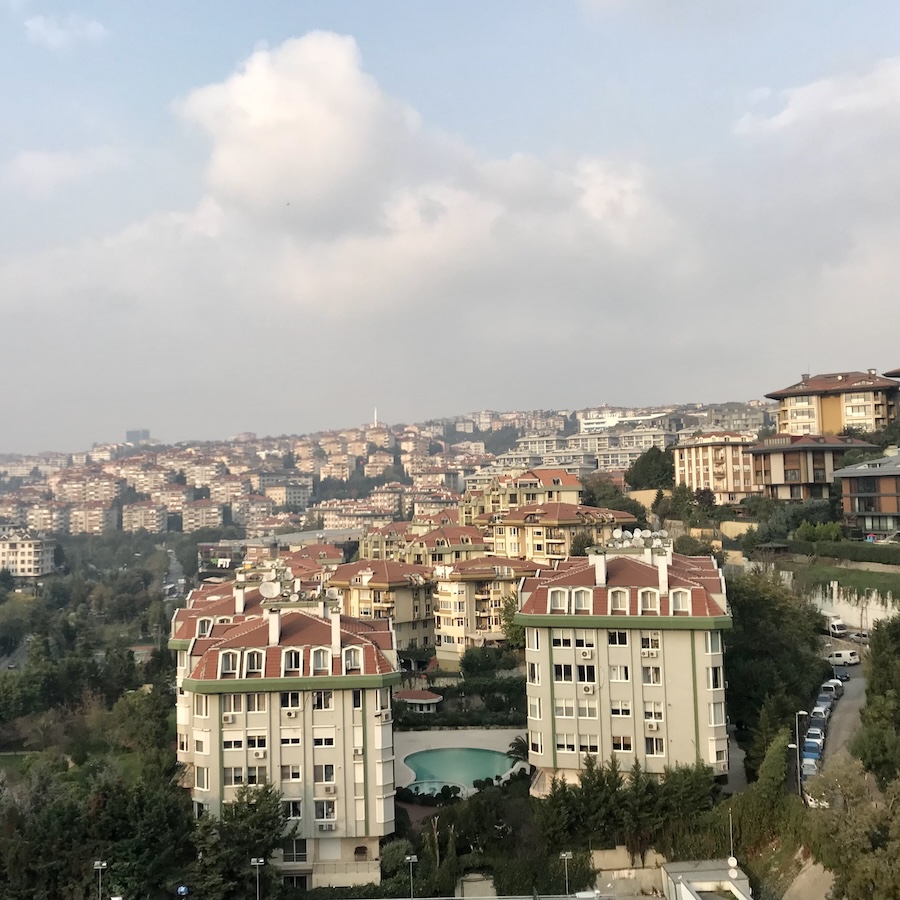
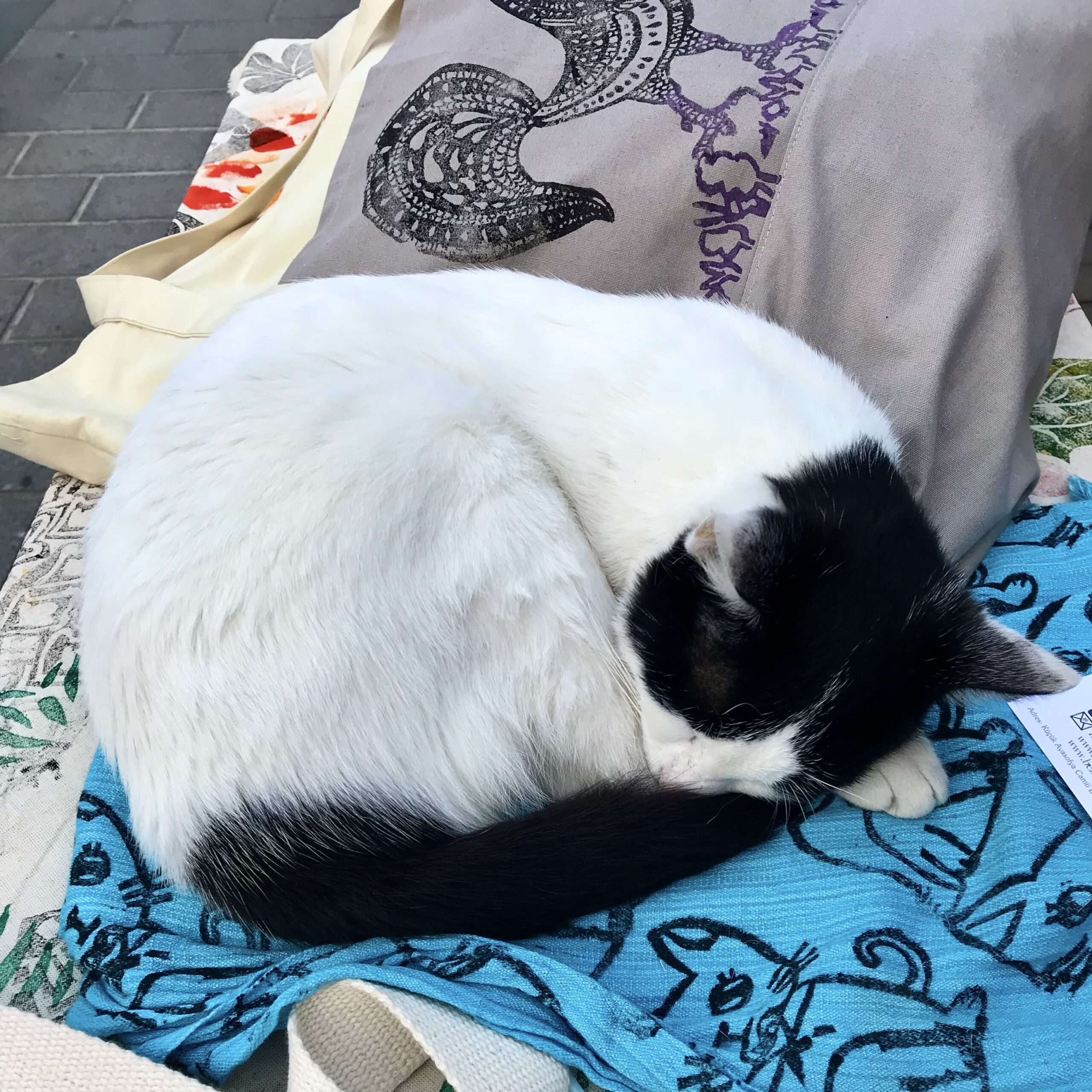
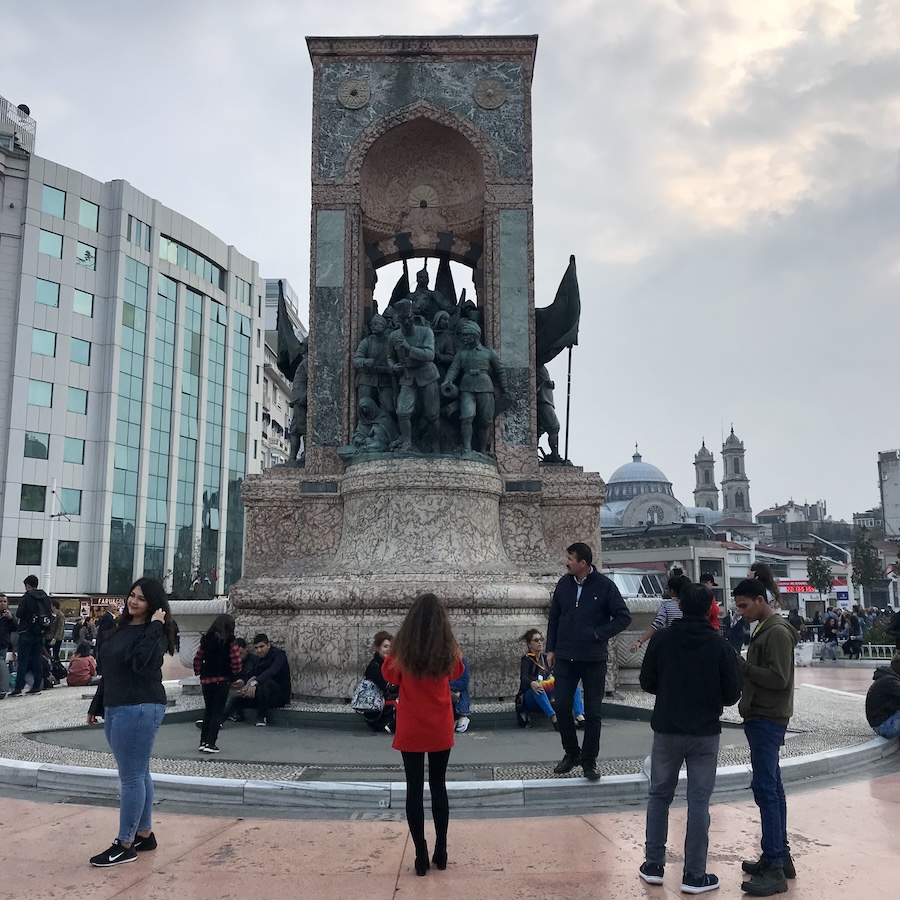
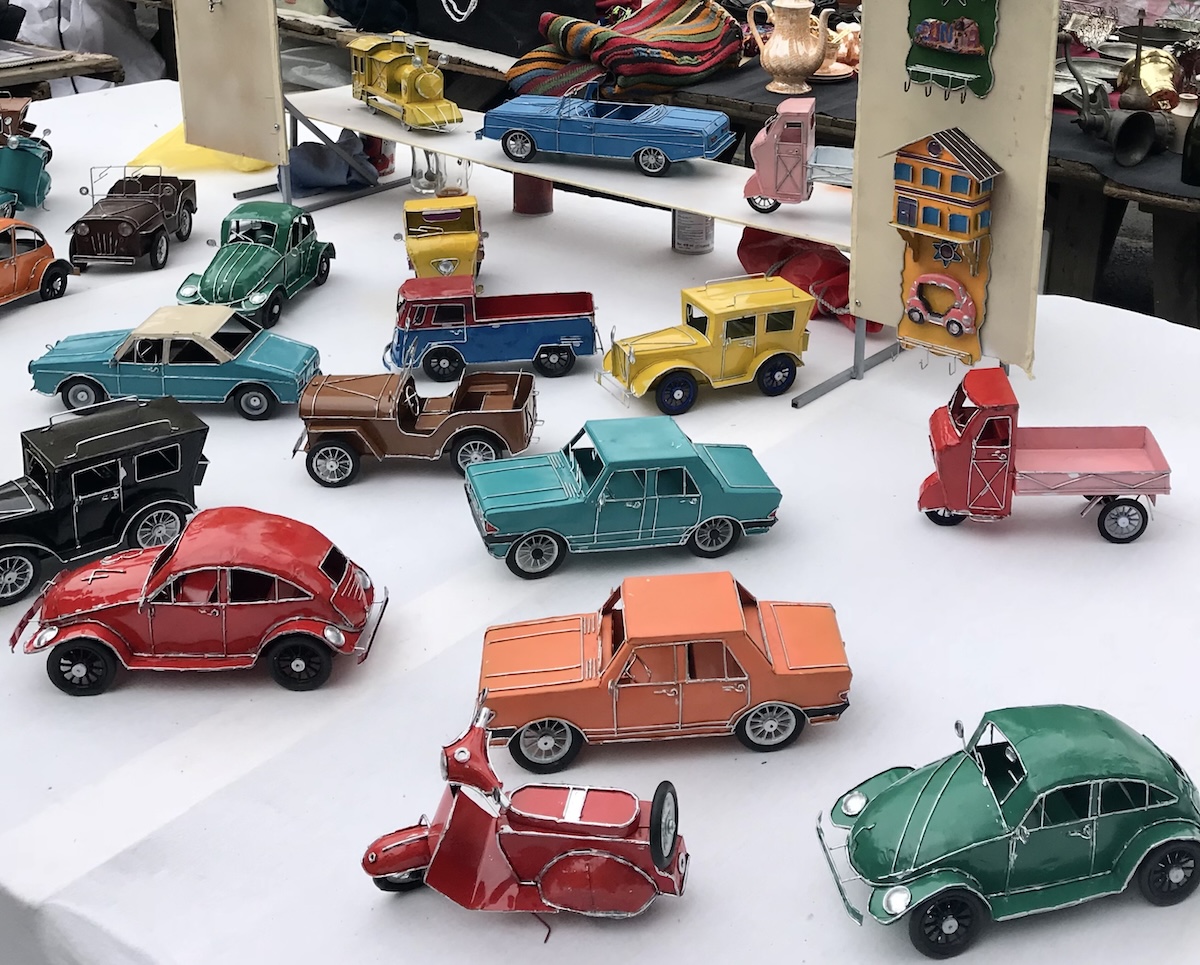
Istanbul: First things first...take a walk!
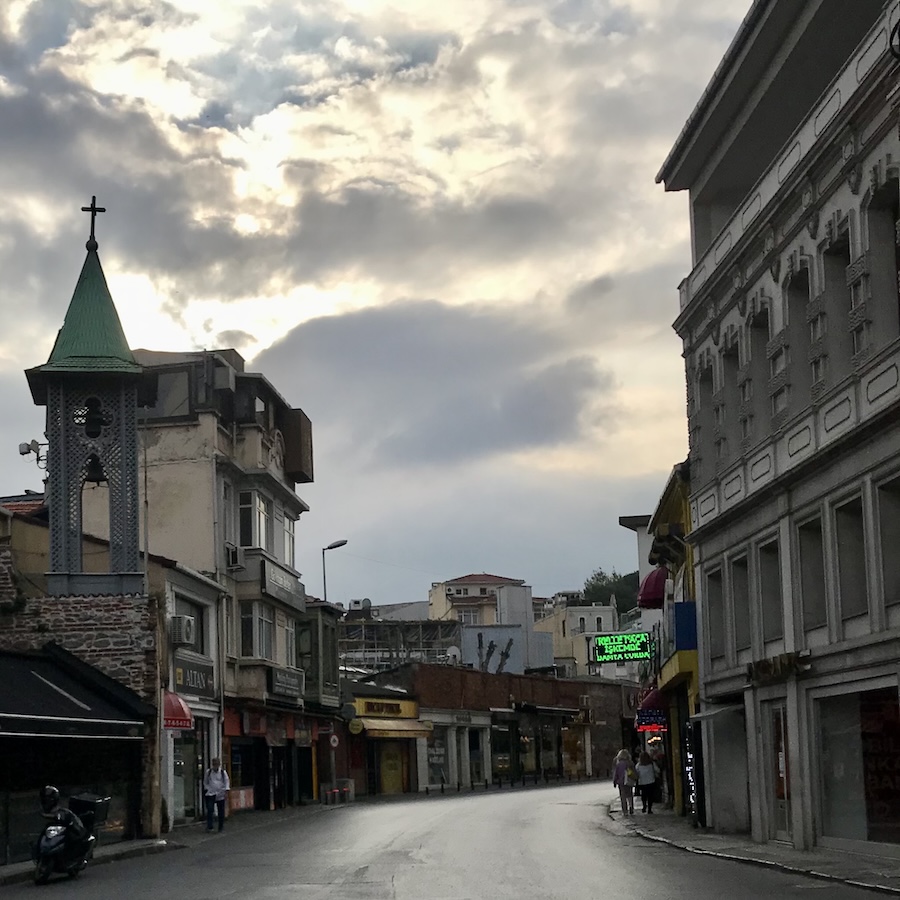
On my first visit to Turkey we had a very late flight from Marrakesh and landed in the old IST very large and busy International airport. As we waited for our bags I noticed the throngs of people from all over the world wearing traditional clothing, speaking different languages. Africans, Asians, Europeans, Middle Easterners – a true melting pot. Indeed, Istanbul is city of 15 million people with crowded and narrow streets winding through hills and neighborhoods. It is one of the largest cities in Europe and has both a European and Asian side divided by the Bospherus Strait.
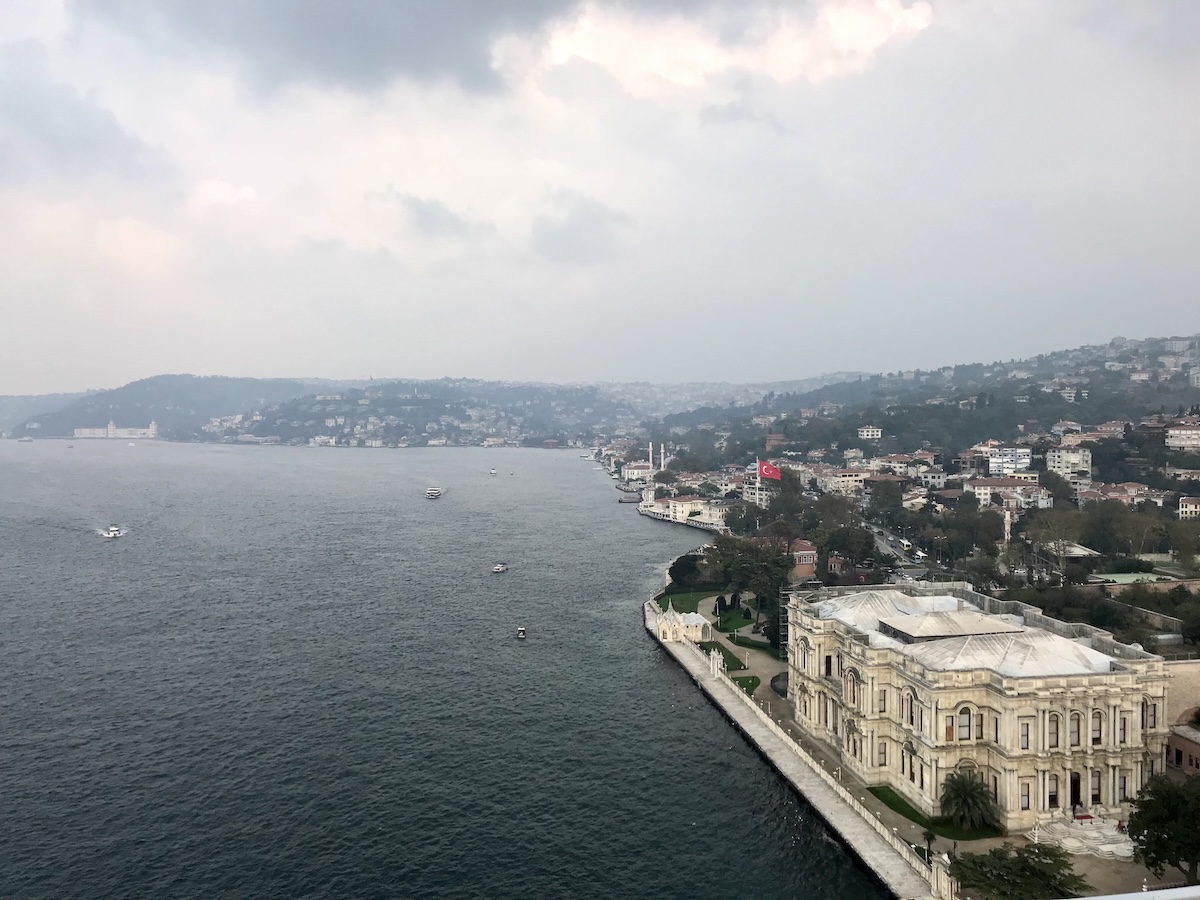
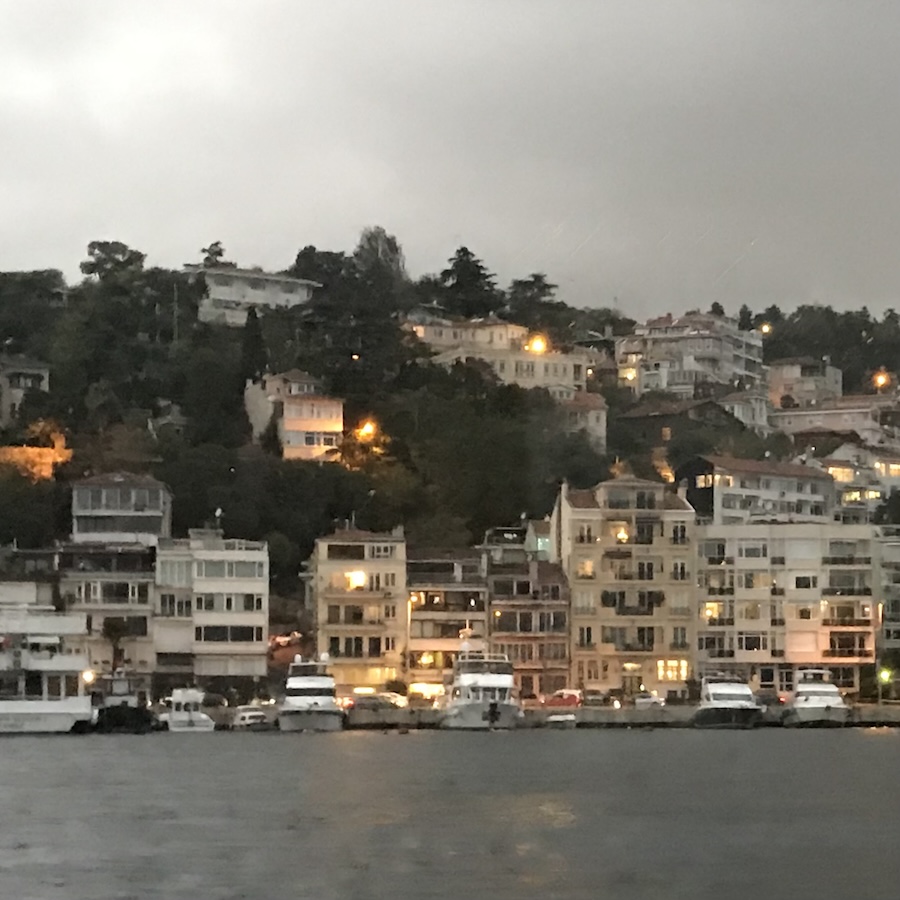
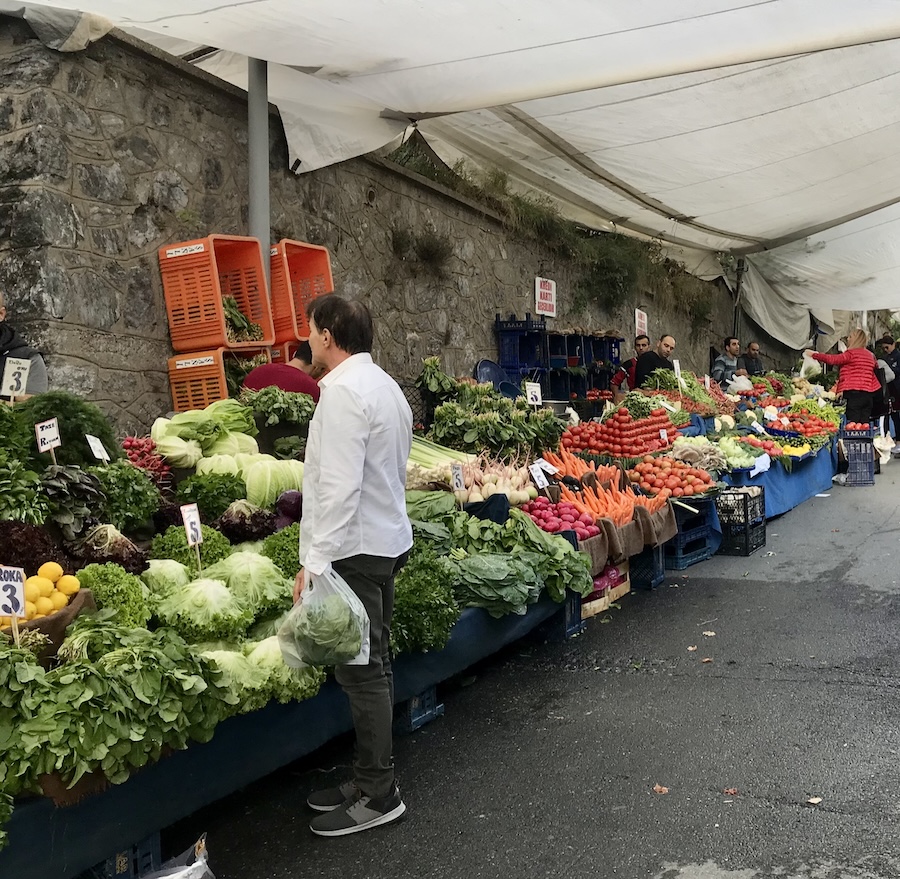
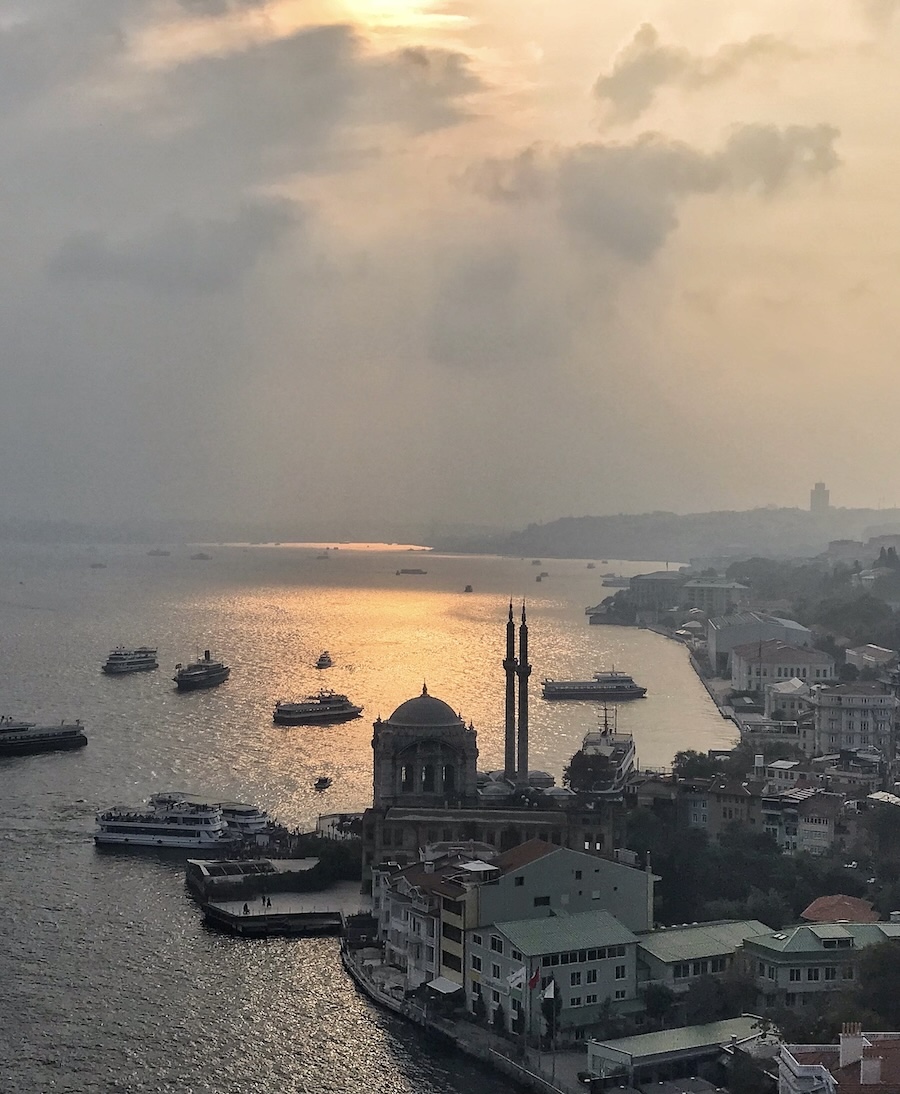
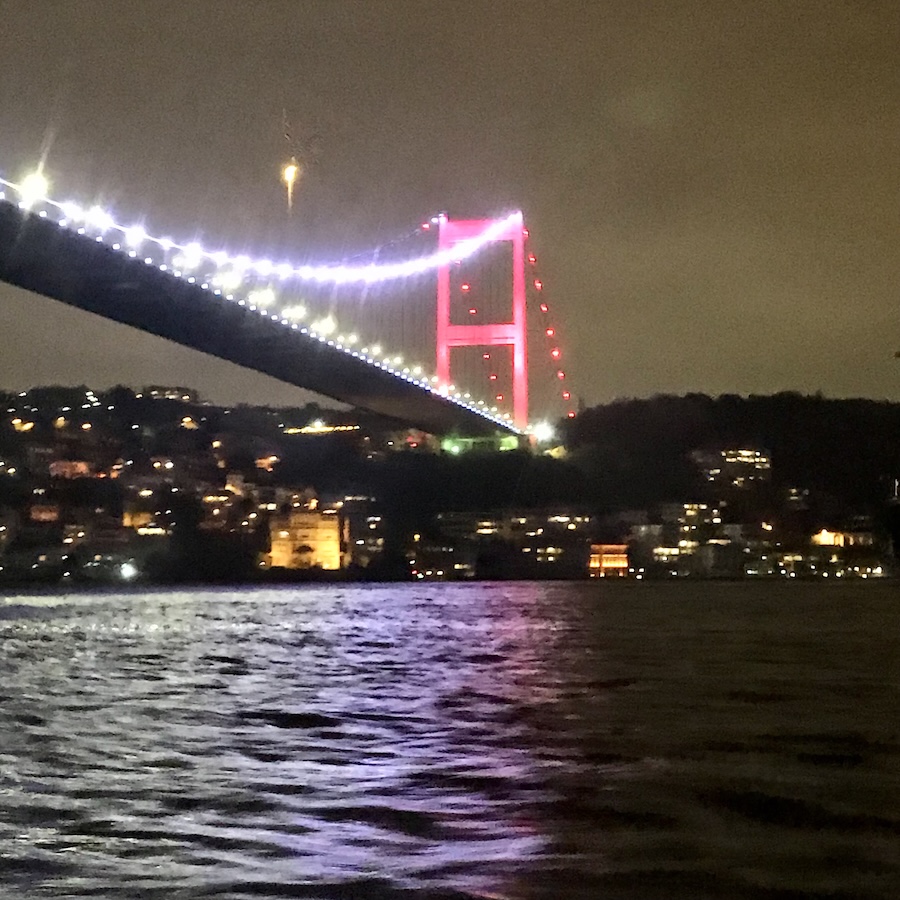
Do not be intimidated. Take a walk! A great way to explore any place is to walk. A waterfront walk along the Bosphorus gives you views of the Asian and European sides of Istanbul along with parks and palaces, fisherman and locals. My morning walk began in the Ortaköy neighborhood, we walked passed bakeries, pharmacies, antique shops, fresh produce stores until we crossed the last street before the Golden Horn. Here, there is a small touristy area with a food court. It reminds me of LA’s Farmers Market with different foods, sweets and trinkets—it is the quintessential Ortaköy experience. This area is famous for its “coffee culture” and street food, particularly along the narrow lanes leading to the water. It is a lively street market, especially on weekends, where you can find handmade jewelry, antiques, and local crafts. The square is dominated by a stunning Ortaköy mosque that sits so close to the water it appears to be floating, with the massive Bosphorus Bridge towering directly behind it. From here you can walk for miles along the Bosphorus for exercise and site seeing.
Here is a link to a self guided Bosphorus walk!
Crazy Taxi Scam
My friend and I were heading to a hamam from Topkapı Palace. We found a taxi, negotiated a price, jumped in, and paid. We were excited to be on our way. Then something strange happened: the taxi pulled over on a quiet road, the driver jumped out, and another man got in and started to drive. My friend and I exchanged a look: a combo of wtf? and panic. The driver finally pulled up to our destination and demanded payment, again. We understood the scam immediately and after initially trying to explain we quickly realized we had to jump ‘ship’ per se and jumped out of the taxi leaving that stress behind. Shit happens…
We literally walked from the taxi right through the doors of Cağaloğlu Hamam and were immediately transported into a peaceful, centuries-old tradition. Constructed in 1741, with high arched ceiling, sounds of water and peaceful muted lighting. Time to get scrubbed, soaked and washed and come out feeling relaxed and invigorated. The taxi scam barely a memory…
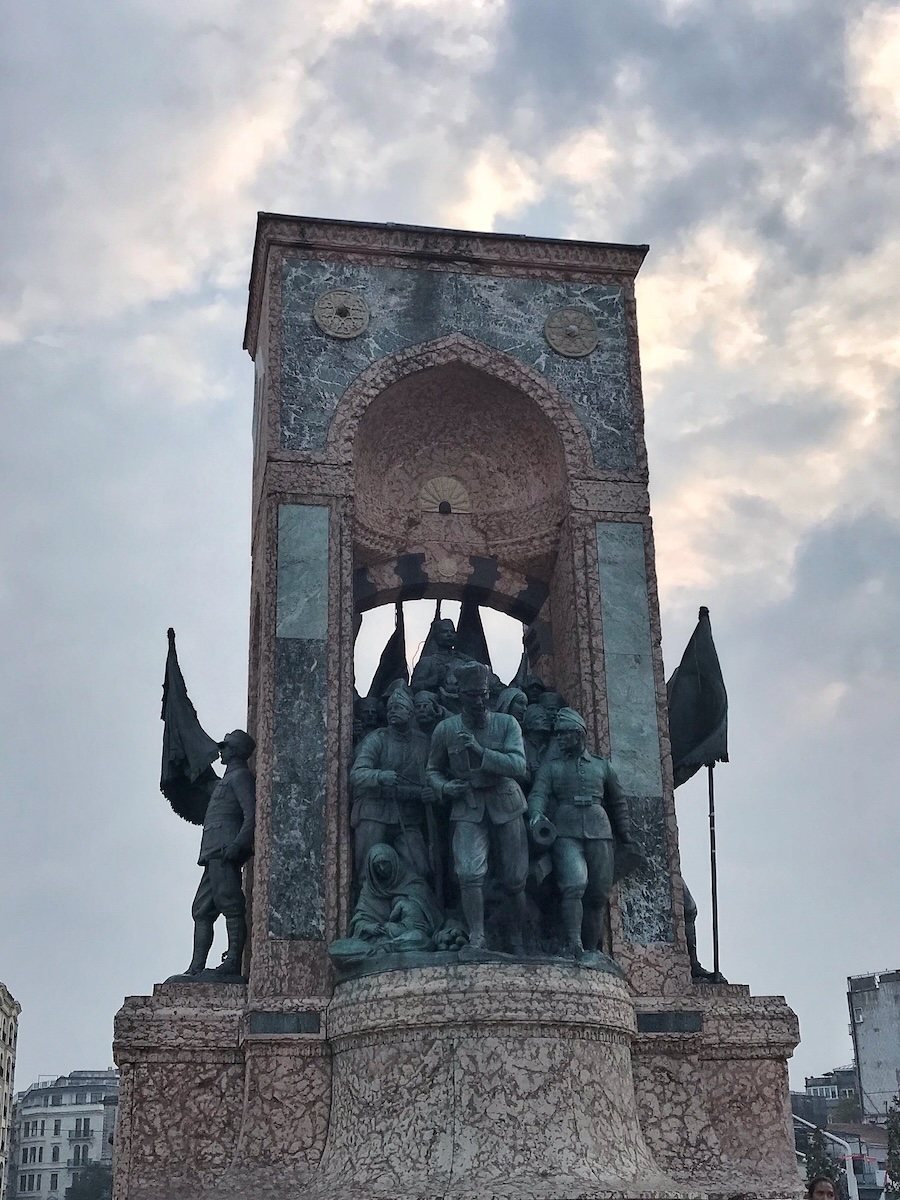
Ancient Istanbul: The Temples and Palaces
The Blue Mosque
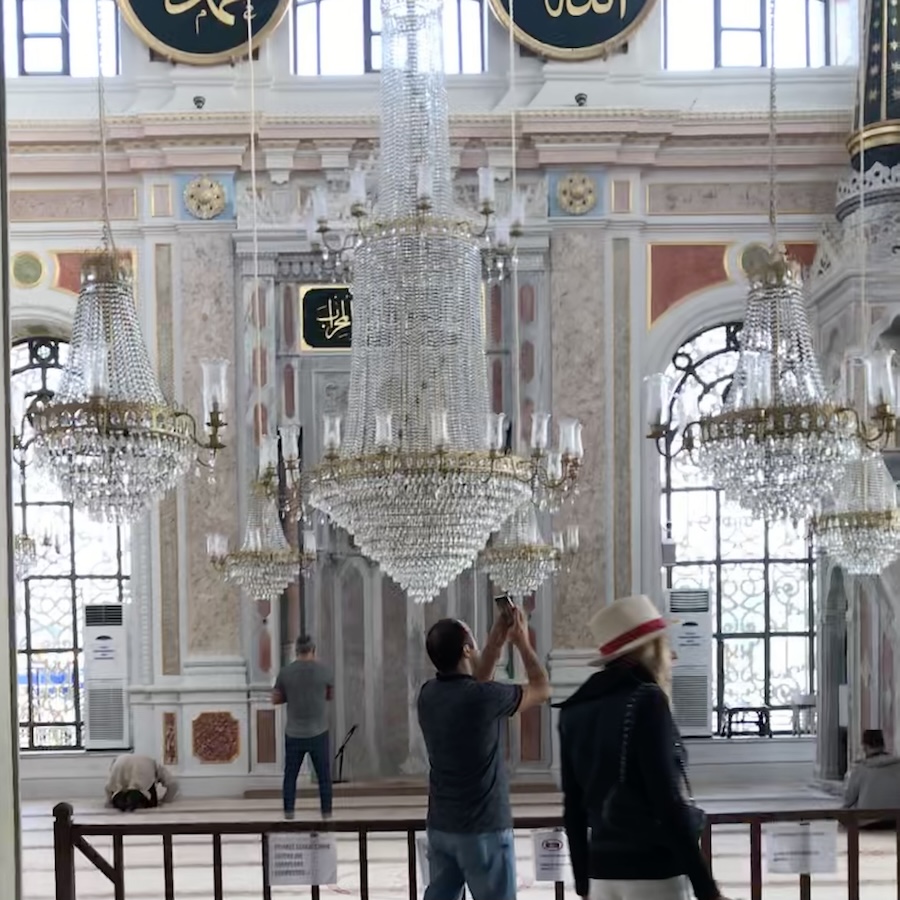
I hadn’t been inside a mosque before. The main rules seem to be no shoes, cover your head and modest clothing (no skin). When we walked in the domed space I noticed just how massive this room is. I snapped a photo of myself in my makeshift headscarf and sent it to my daughter back home. An hour later she sent one back — her head wrapped in a scarf, grinning. Some places reach people even from a distance.
Topkapı Palace
This was my unexpected favorite. Away from the crowds of Sultanahmet, wandering through these courtyards and gorgeous architecture, and Harem rooms where ancient customs took place was a glimpse into royal serfdom life. Peaceful with gorgeous gardens it is a must see, a glimpse of how the Ottoman royals actually lived.
The Grand Bazaar
Everyone tells you to go. This place is the definition of overwhelming. I am not a big shopper or haggler and so did not have the patience to peruse over 4,000 shops crammed into 61 covered streets, it’s equal parts fascinating and suffocating.
The heart of Istanbul’s history is Sultanahmet, where the city’s most iconic structures have stood for centuries. These are UNESCO World Heritage Sites, my favorite.
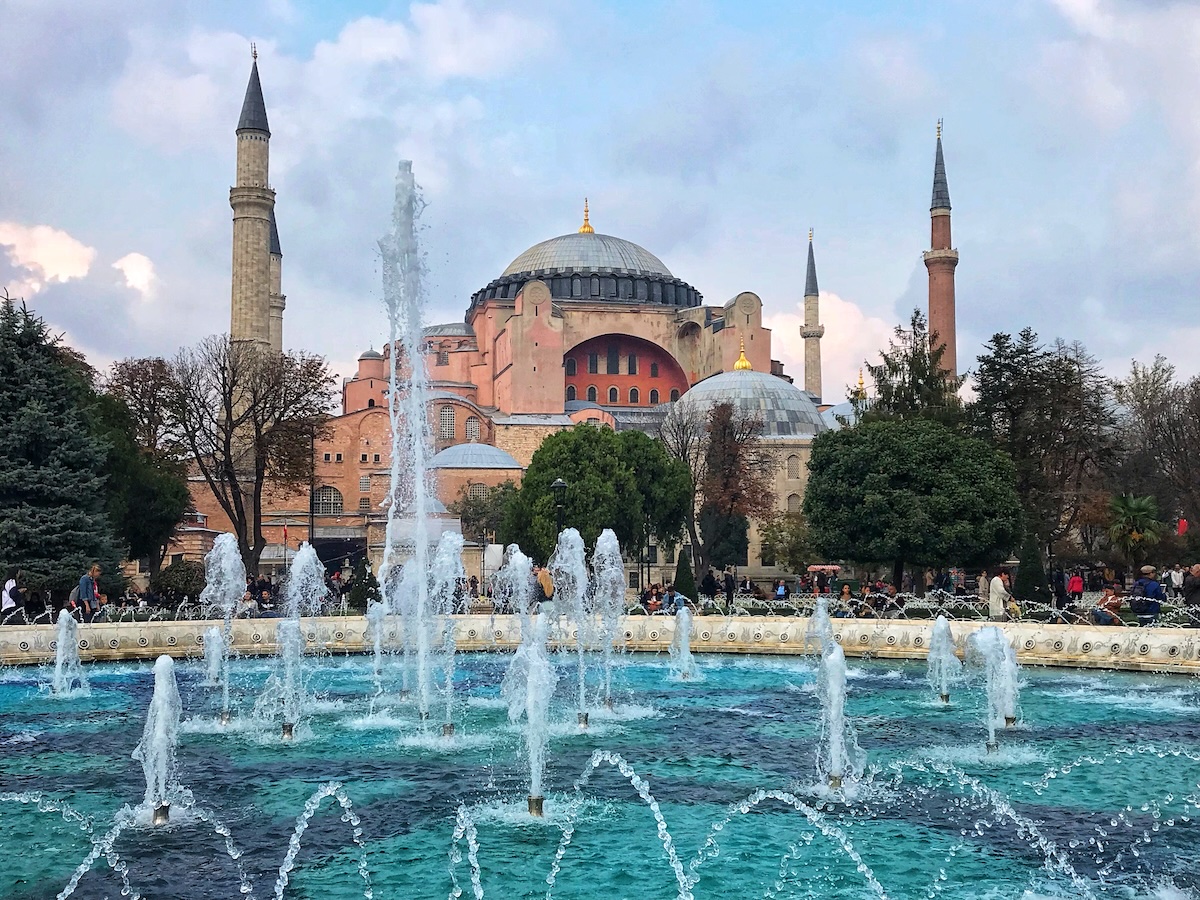
Hagia Sophia
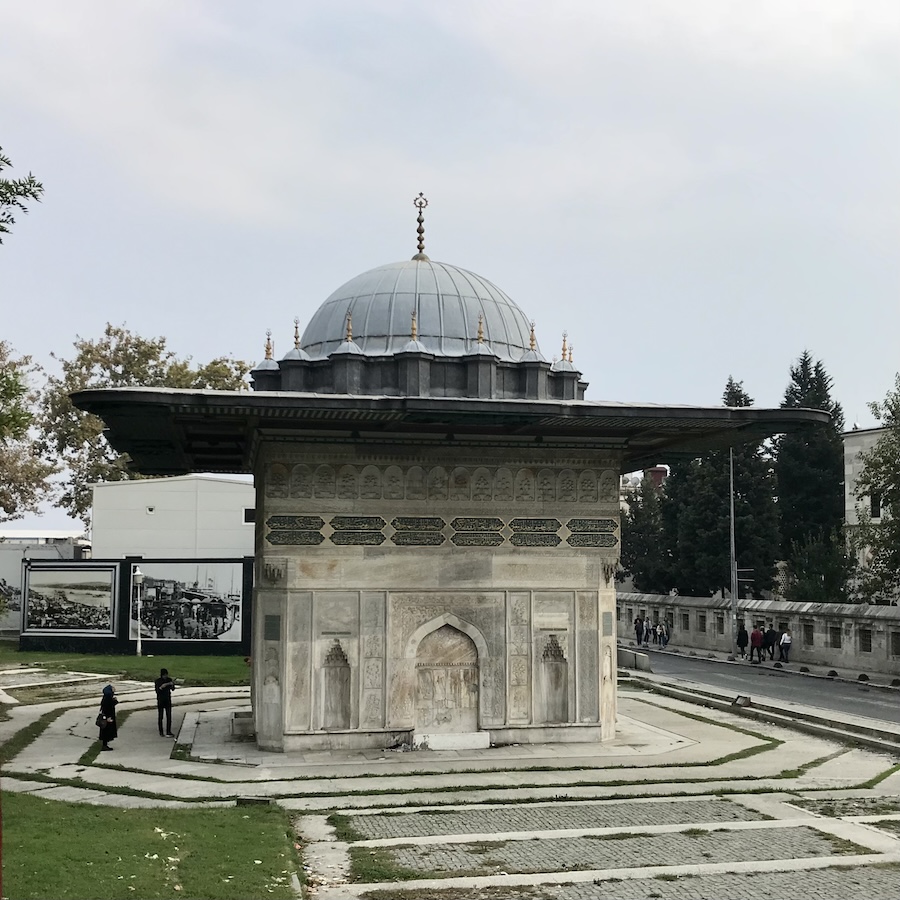
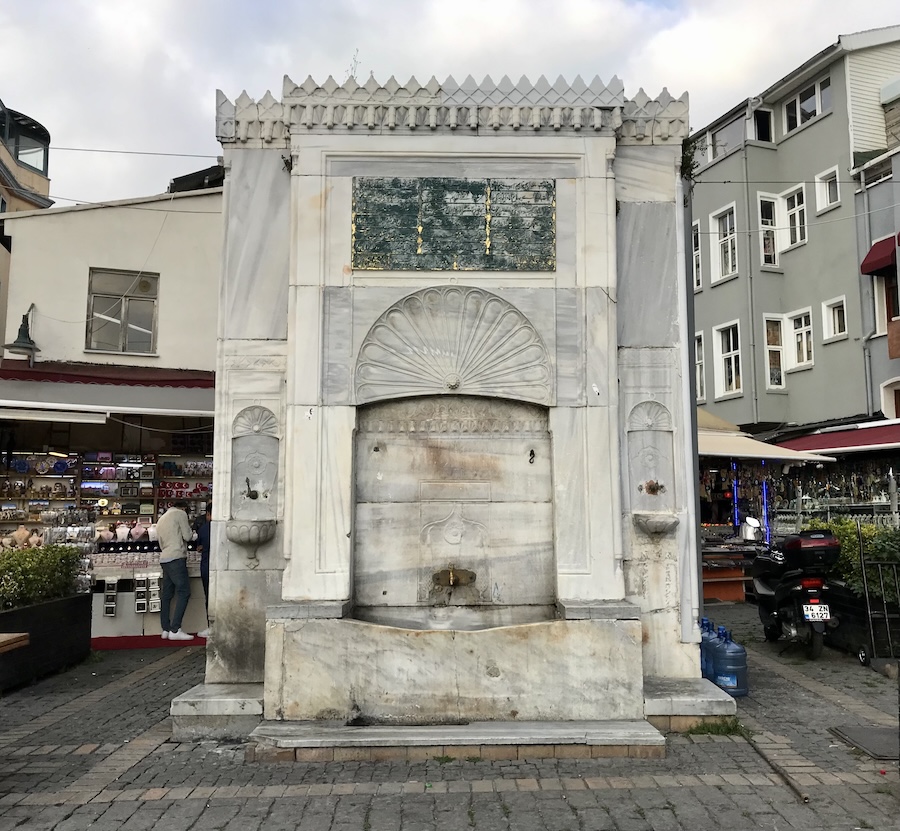
I was able to explore the outside of this famous mosque on my Jump on Jump Off bus. Many people are relaxing around the grounds of the mosque which has gorgeous fountains.
The Basilica Cistern
Timing is everything — when I visited it was mid-restoration, so I missed the full experience. The recent renovation apparently transformed it into a subterranean, cathedral-like, eerie spot.
Arasta Bazaar & the Great Palace Mosaic Museum
Steps from the Blue Mosque, this is the antidote to the Grand Bazaar. One calm, curated street of high-quality ceramics, textiles, and Iznik tiles without the chaos and aggressive bargaining.
Modern Istanbul: The City’s New Heartbeat
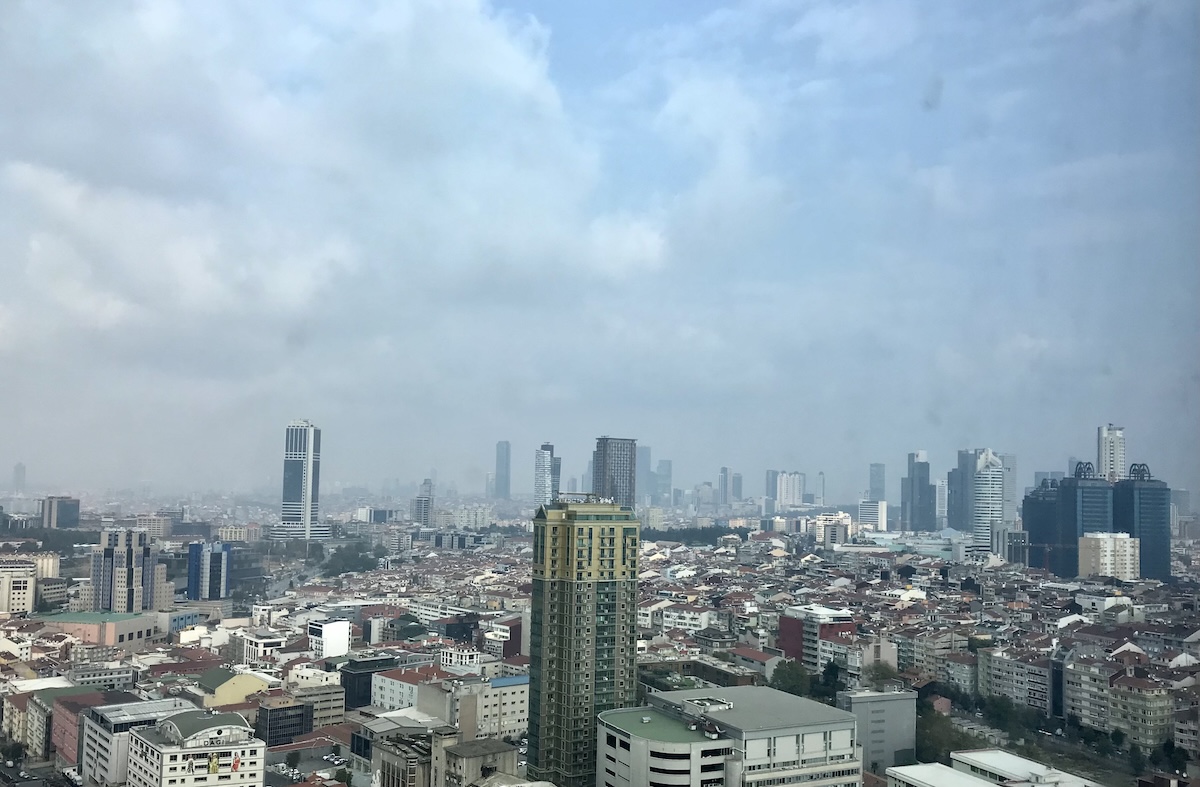
Istanbul is a modern city with ancient roots. There are hip shopping areas, world-class restaurants, rooftop bars, and even a Soho House in a 19th-century palazzo complete with a pool and an extraordinary view. The modern heartbeat of the city has moved toward the waterfront and the Asian side.
Galataport & Istanbul Modern
Since my first visit, the Karaköy coastline has been transformed. Galataport is a sleek pedestrian promenade where cruise ships dock alongside restaurants and shops. Istanbul Modern, Turkey’s contemporary art museum, reopened in a stunning Renzo Piano-designed building. The rooftop view of the Old City across the water is arguably the best in Istanbul.
Kadıköy & Moda (Asian Side)
Skip the hop-on-hop-off bus. Take the public ferry from Eminönü to Kadıköy — the 20-minute ride is a highlight in itself. This is where locals actually hang out: bohemian, boutiques, record stores, third-wave coffee shops, and incredible street art. Walk the Moda promenade at sunset. It’s peaceful, leafy, and a world away from the tourist center. And don’t miss Ciya Sofrası, frequently cited as one of the best restaurants in the world for authentic Anatolian food.
Bebek to Arnavutköy: A Different Bosphorus
Instead of a generic Bosphorus cruise, have a driver drop you in Arnavutköy and walk north toward Bebek. This stretch is lined with ornate wooden Ottoman mansions and upscale seafood spots. Stop for a coffee in Bebek and watch the mega-yachts. It feels more like the French Riviera than the streets of Sultanahmet.
Istanbul is bougie
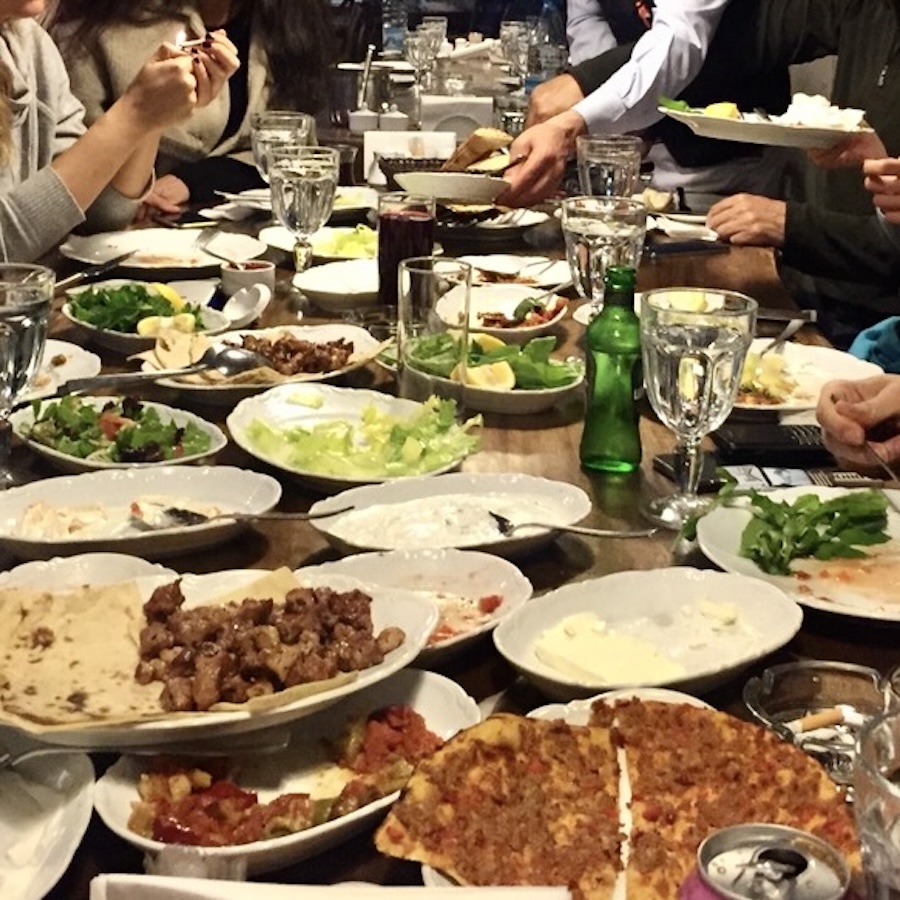
As a solo traveler I explore, eat out and repeat often not hitting the hotspots. In Istanbul since I was with locals I was totally spoiled. I discovered the modern and monied part of city life in Istanbul. Amazing food with tables of friends in local restaurants throughout the city was a daily occurance. We lounged by the pool and dined in the Soho House, its 19th-century palazzo perched above the city. We lunched at an outdoor park attached to a private club, attended pro basketball games and had dinner with several of the players. We were chauffeured. We cruised the Bosphorus. We went to my friends rooftop birthday party overlooking the city, dancing the night away.
All of this is amazing and I am so thankful for the fun we had. What has stayed with me most was experiencing the social bonds, connections and customs of friends getting together all the time. At cafés, on street corners, at parties. Effortlessly social, genuinely bonded. In America I feel the absence of that — real community, showing up for each other just because. In Istanbul it seemed to happen naturally, like breathing. I found myself a little envious, and a lot inspired.
Next up: We leave the city behind and head south to the Turquoise Coast of Turkiye: aka the Turkish Riviera — anchoring in hidden coves, exploring ancient ruins, and discovering why this stretch of the Mediterranean coastline might be Turkey’s best kept secret.
🇹🇷 Nuts & Bolts: Türkiye
📍 Quick Facts
Getting around
🛂 Before You Go
⭐ Top 10 Things to See & Do
- Hagia Sophia & Blue Mosque
- Topkapı Palace & Grand Bazaar
- Bosphorus cruise
- Cappadocia balloon ride
- Göreme & underground cities
- Ephesus
- Pamukkale & Hierapolis
- Paragliding over Ölüdeniz
- Turquoise Coast gulet cruise
- Antalya’s Kaleiçi old town
🍽️ Foods to Try
- Turkish breakfast — cheeses, olives, eggs, honey and bread
- Menemen — eggs scrambled with tomatoes and peppers
- Simit — sesame bread ring from street carts
- Gözleme — thin flatbread stuffed with cheese or spinach
- Testi kebab — Cappadocia stew cracked open at your table
- Mantı — tiny dumplings with yogurt sauce
- Baklava — layered pastry with nuts and syrup
- Çay & Turkish coffee — tulip glasses of tea; strong, unfiltered coffee
💬 Good-to-Know Words
| Merhaba | Hello |
| Teşekkürler | Thank you |
| Lütfen | Please |
| Afiyet olsun | Enjoy your meal — you’ll hear it constantly |
| Abi / Abla | Friendly “big brother / sister,” used to address men and women |
| İnşallah | God willing — used like “hopefully” |