empty highway

2 Week Solo Road Trip through Wyoming and Montana

Plains, peaks and parks: exploring the wild west

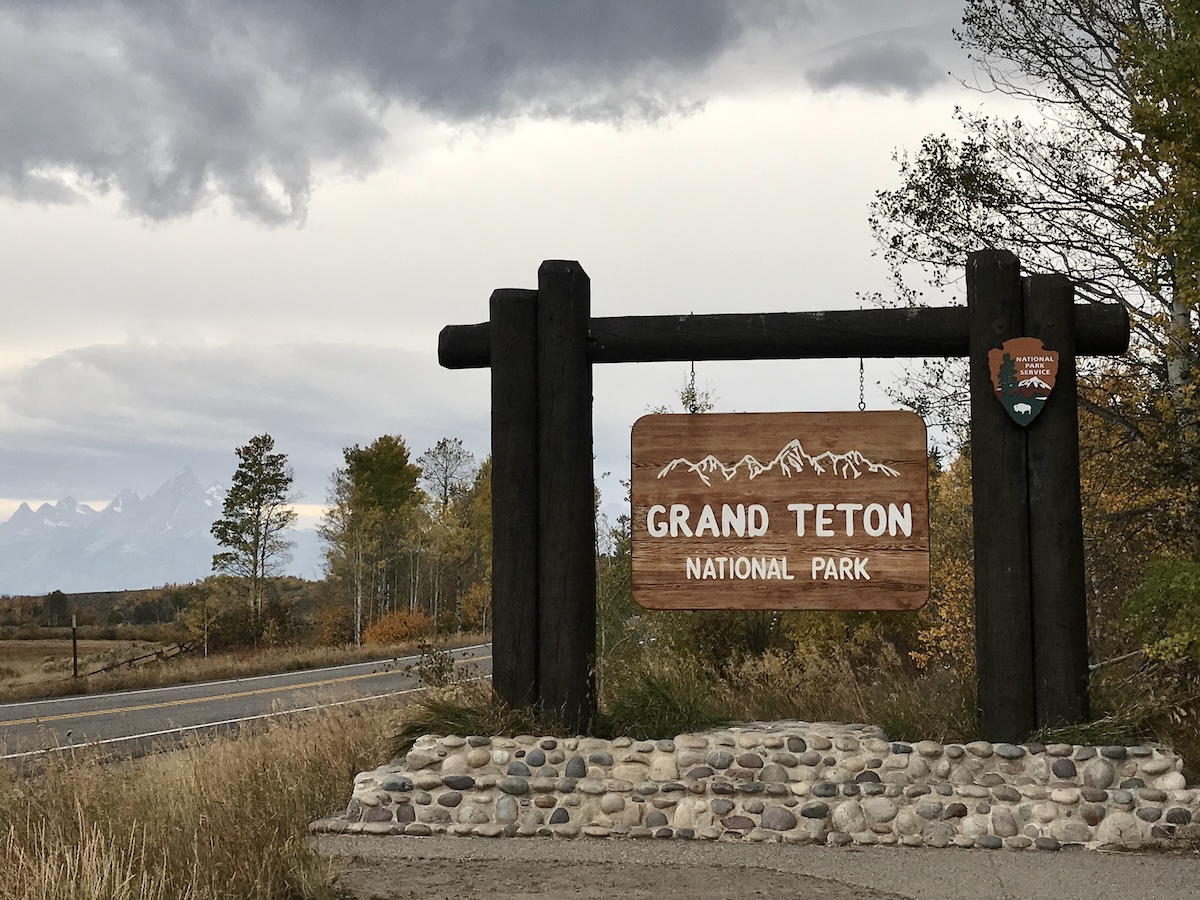
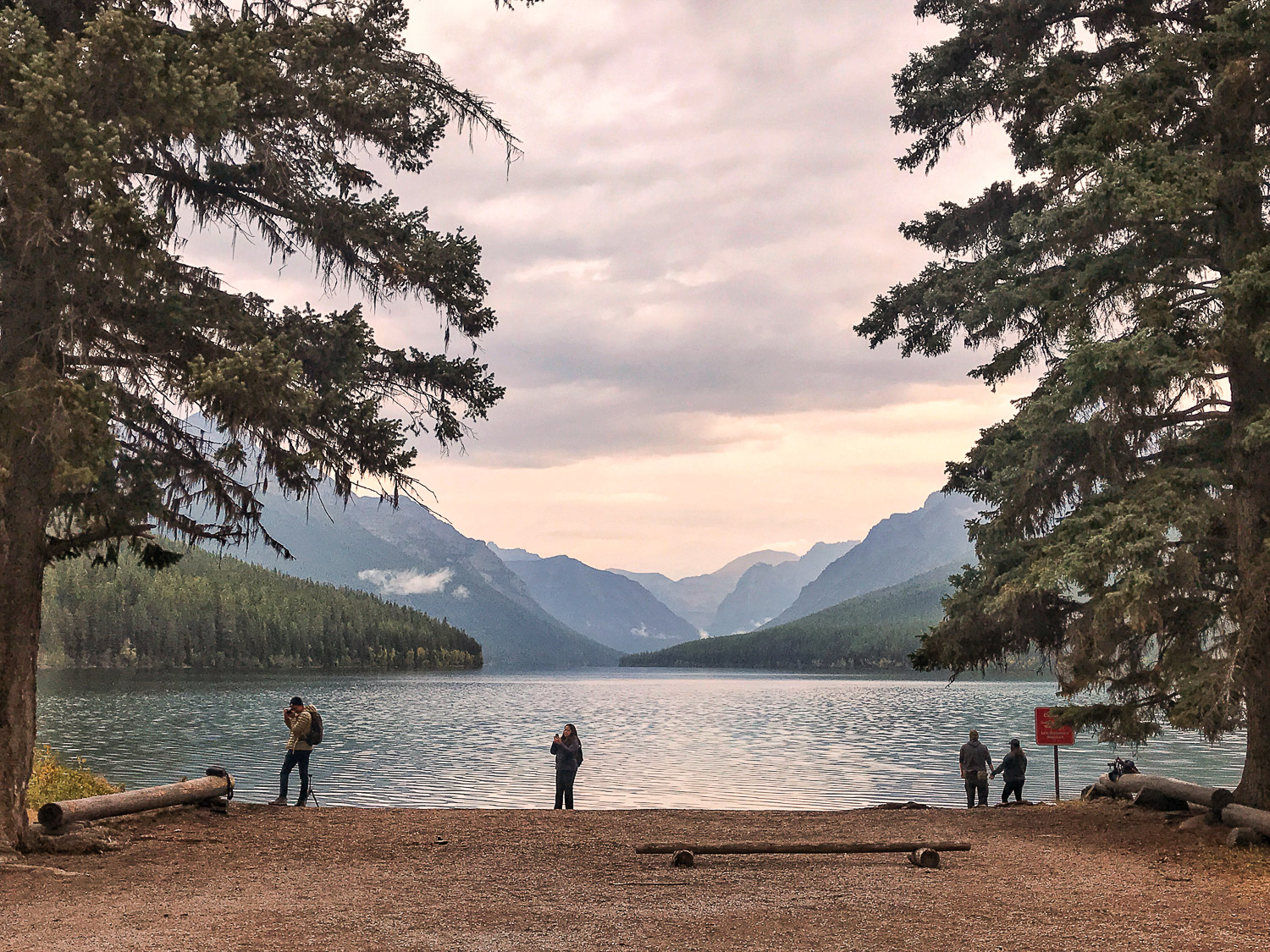
Driving up to Glacier National Park and then making my way to Yellowstone National Park and Grand Teton National Park is a bucket list solo road trip! Visiting three National Parks will be eye opening for sure but I am curious about what the drive through Wyoming and Montana will be like.  As you can tell on the map I will be driving in a horseshoe route up the eastern side of Wyoming and then back down on the western side where all the National Parks are.  I will be on the road for two weeks.  The drive from Colorado to Glacier National Park is about a 17 hour drive. My strategy is simple: take my time, explore the open roads and any sites I pass along the way, soak up the desolate landscapes and empty towns, visit friends and ultimately explore Glacier, Yellowstone and the Grand Tetons on the way back and spill the tea for you!!  Here is a photo rich unveiling of two states that arguably we can call part of The Wild West: Wyoming and Montana!!

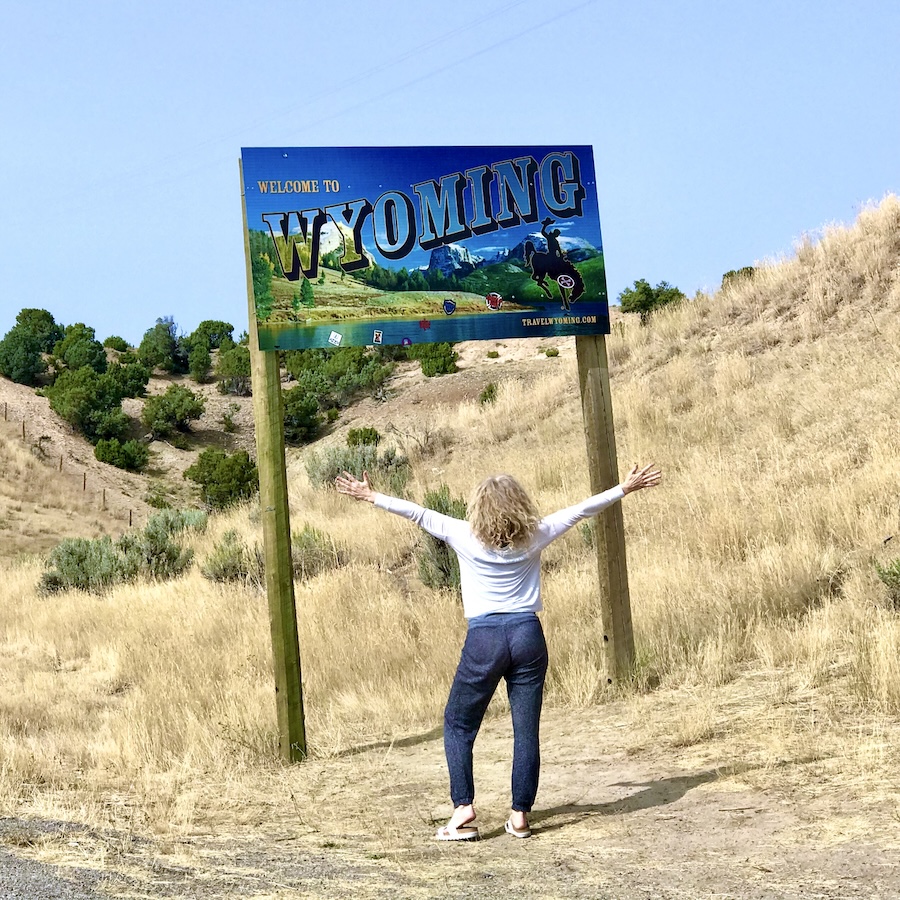
Woman looking at Wyoming sign
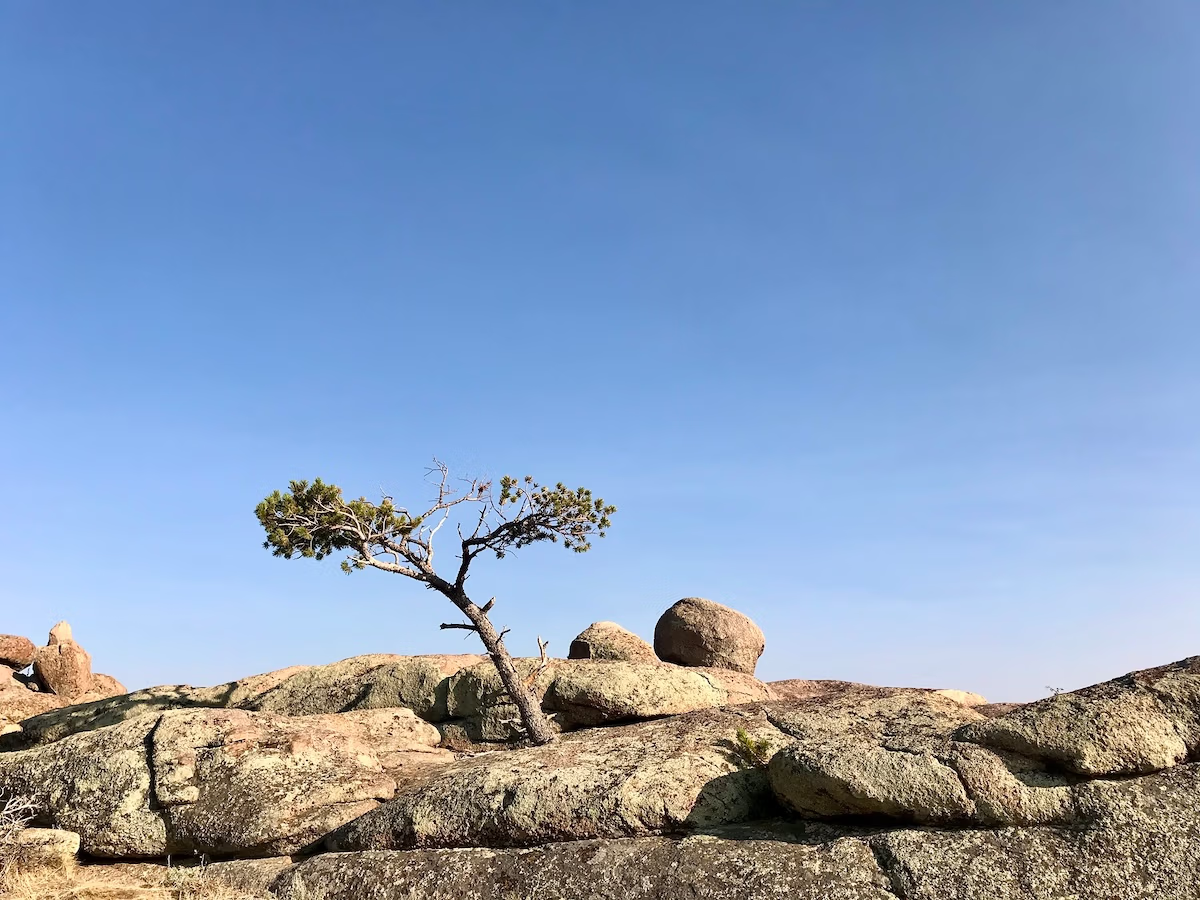
lone tree with rocks
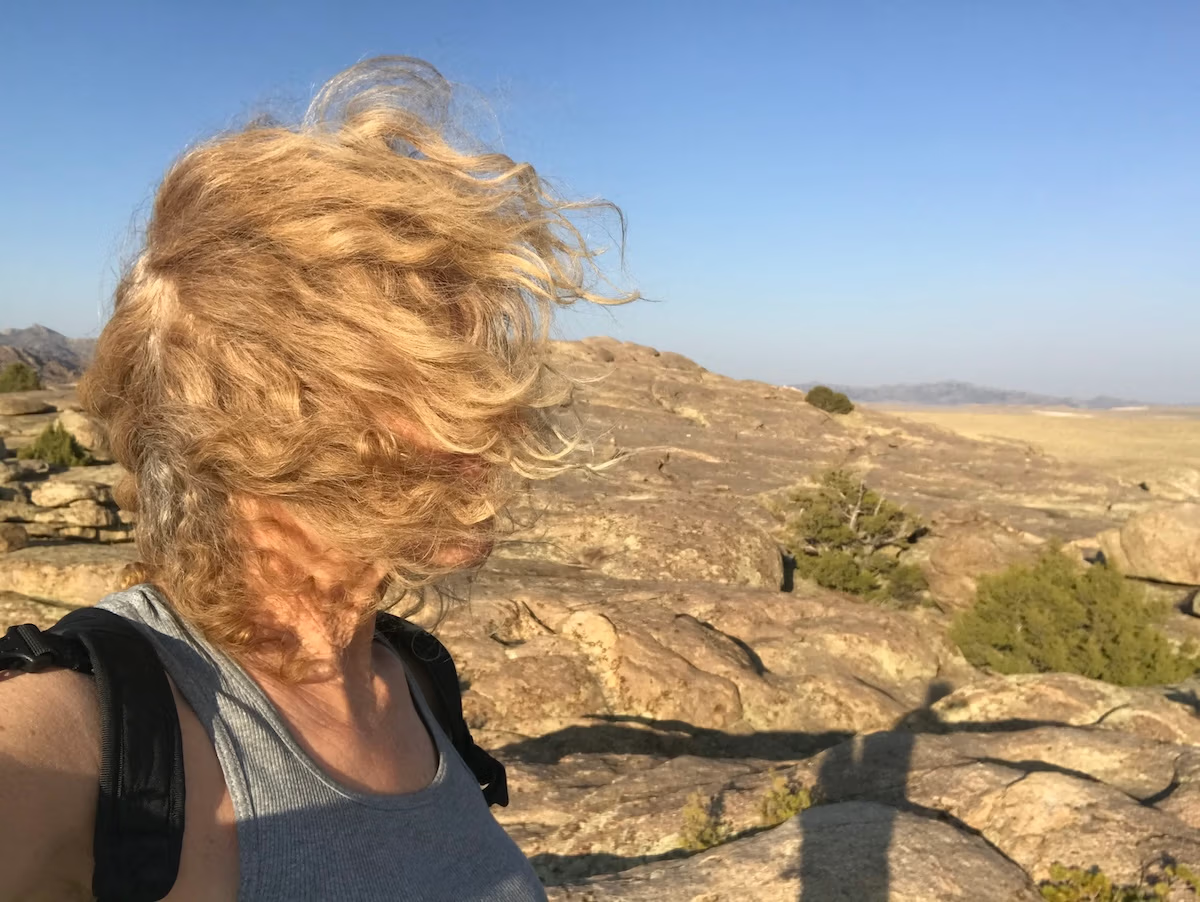
wind in my hair

Places you've never heard of...Split Rock, Wyoming

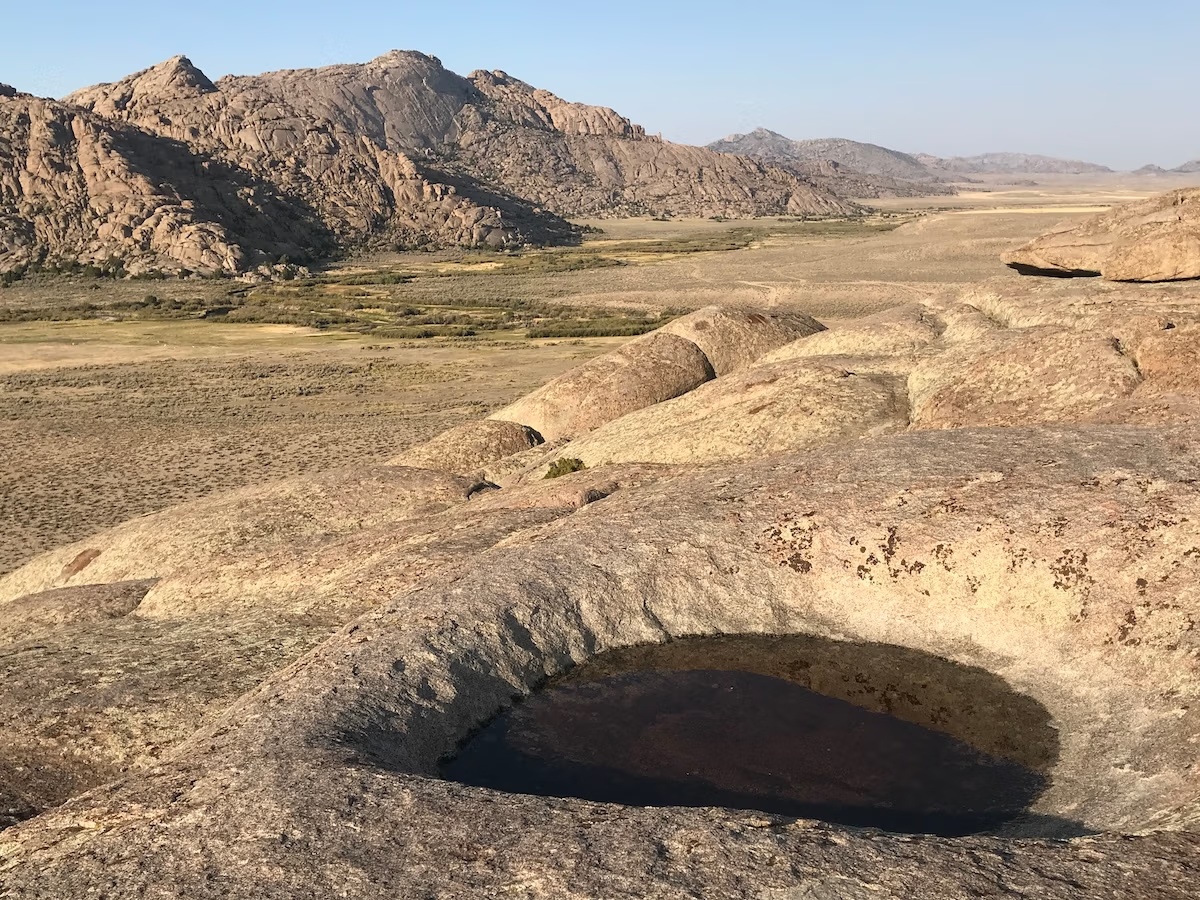
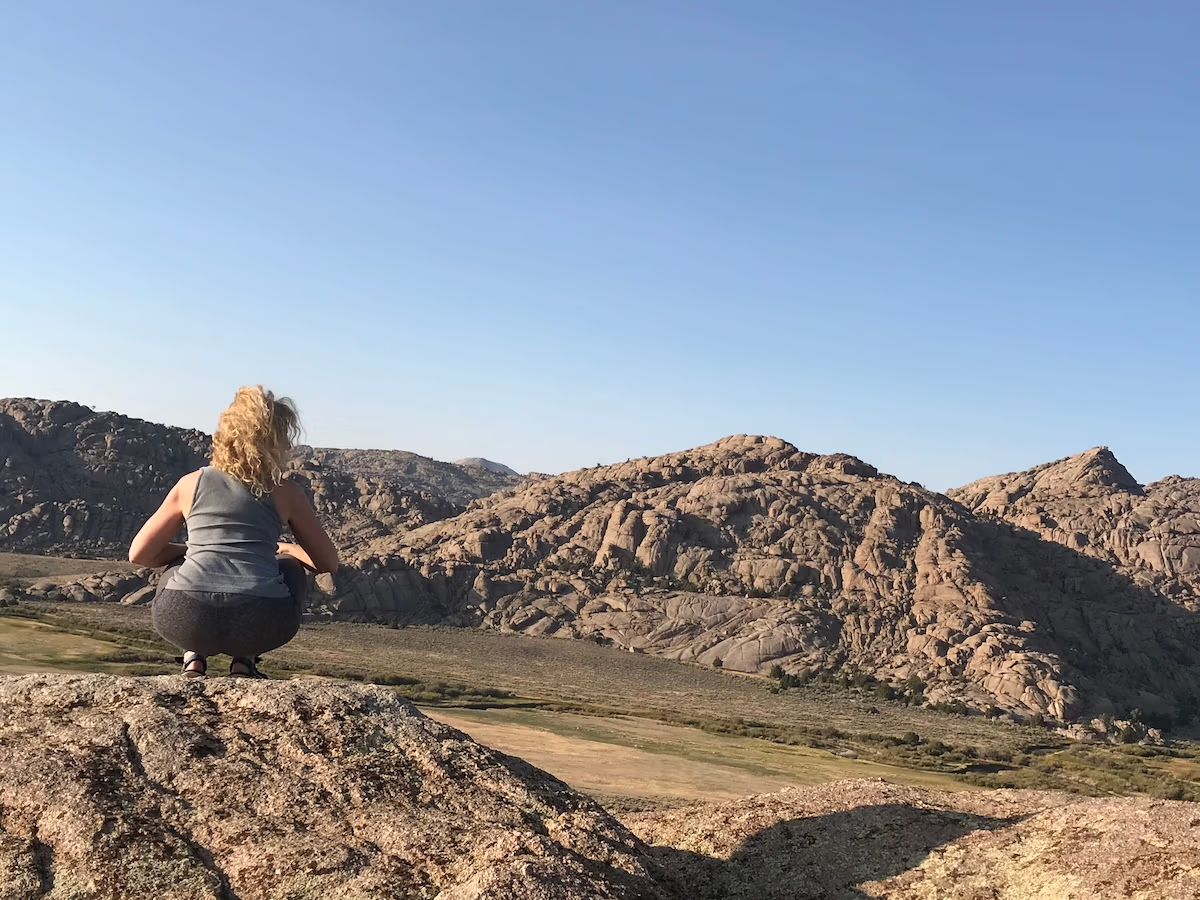
After about six hours of driving on an almost deserted highway on the way to Wyoming I noticed a sign that said “Split Rock” and a small parking lot.  This happens to be an area of historic significance and natural beauty. The few people that were there left and then it was me, myself and I exploring the mountain vistas and rock formations.  There were pools of water that collected in the panholes or weathering pits (shallow, bowl-shaped depressions formed on flat or sloping rock surfaces, often containing water, which accelerates the weathering process). that have formed over thousands of years.  I love a desert and this is definitely deserty.  I could picture the caravans of horse and buggy or native americans riding through this landscape.

split rock, history

Split Rock was one of the most vital navigational beacons in American history. There is a distinct V-shaped notch in its summit.  For 19th-century emigrants on the Oregon, California, and Mormon Trails, Split Rock was visible for a full day before they reached it and two days after they passed. It acted as a “gunsight,” aiming travelers directly toward South Pass, the only easy way across the Continental Divide.

At the base of the mountain, there was a Relay Station, a Pony Express, where riders would push their horses at a gallop toward that notch in the skyline, knowing that the station—and a fresh horse—waited just below it. 

Geologically, you were driving over what is essentially a massive natural ramp. The Sweetwater River valley here is one of the few places where the Rockies “break,” allowing wagons to climb the Continental Divide without a steep, jagged ascent.

split rock, native history

  • The site, located south of the Sweetwater River, indicates long-term use by indigenous populations during the Early Plains Archaic period (5500 B.C. to 3000 B.C.) 
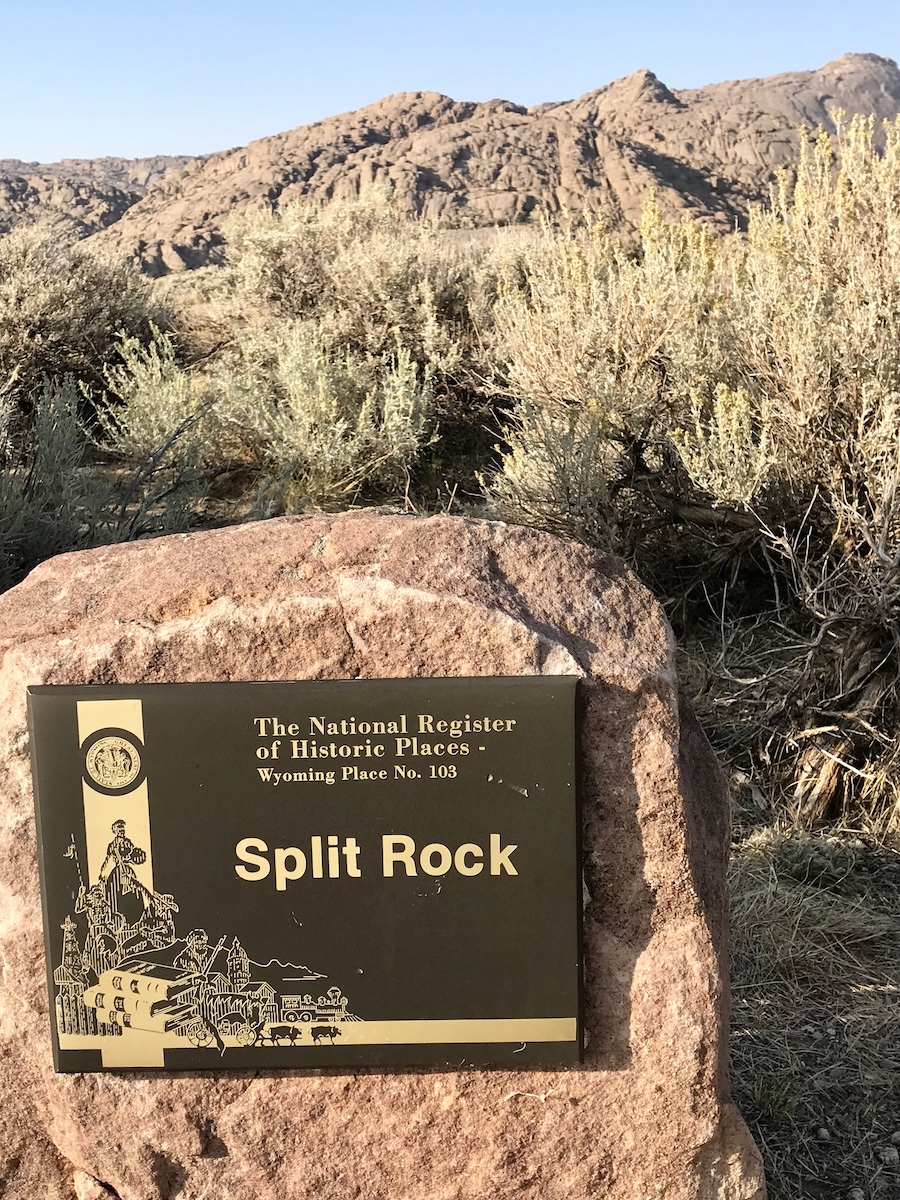
  • The Split Rock Prehistoric Site was added to the National Register of Historic Places on May 4, 1987.
  • The surrounding area was utilized by various Plains Indian tribes, including the Shoshone, Arapaho, Cheyenne, and Sioux.
  • While highly noted as a guide for emigrants toward South Pass, the landmark’s prominent visibility made it a likely, though less documented, observation point for local tribes watching trails in the valley
A pool of water in a rock bed
Split Rock Placard on a rock
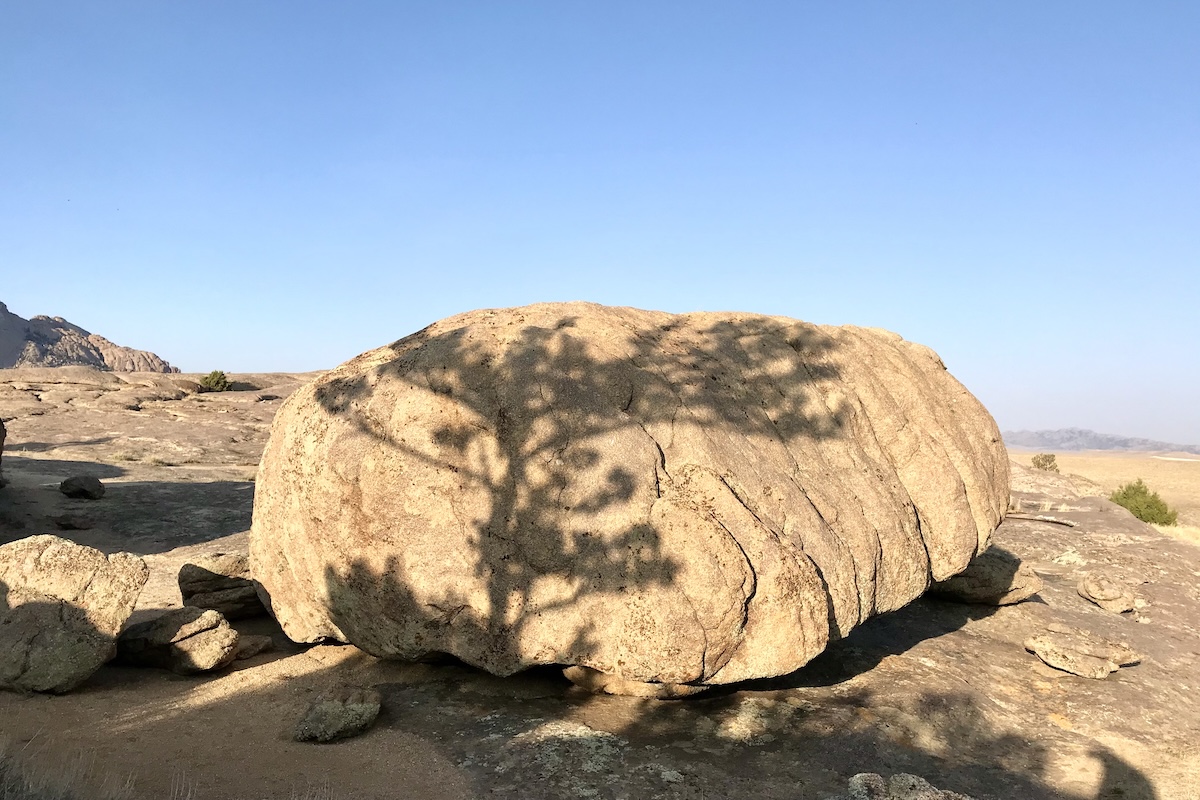
Shadow of tree on rock

As I wandered around, alone at Split Rock, I could imagine the history of this area and the settlers and natives who thrived.  It is a perfect stop to stretch, explore, climb, have a snack and relax before you continue on the road trip.  A welcome first stop on my Wild West Solo adventure.

Indigenous peoples have lived in Montana and Wyoming since the last Ice Age! That is approximately 12,000 years ago.  Oral history of the Blackfeet plus DNA evidence has them occupying Northern Montana for 18,000 years. The Gold Rush of the mid 19th century which brought hundreds of thousands of settlers to trample through the Indeginous peoples territories was the beginning of conflict, fighting, wars and massacres.

Native American life in Wyoming and Montana spans over 12,000 years featuring diverse, nomadic cultures. These Indigenous people were skilled hunters, following migratory game and developed sophisticated trade networks long before European contact. 

Currently major hubs for Native life are at The Wind Rivers Indian Reservation and Yellowstone National Park.

Next Up: Thermopolis, Wyoming

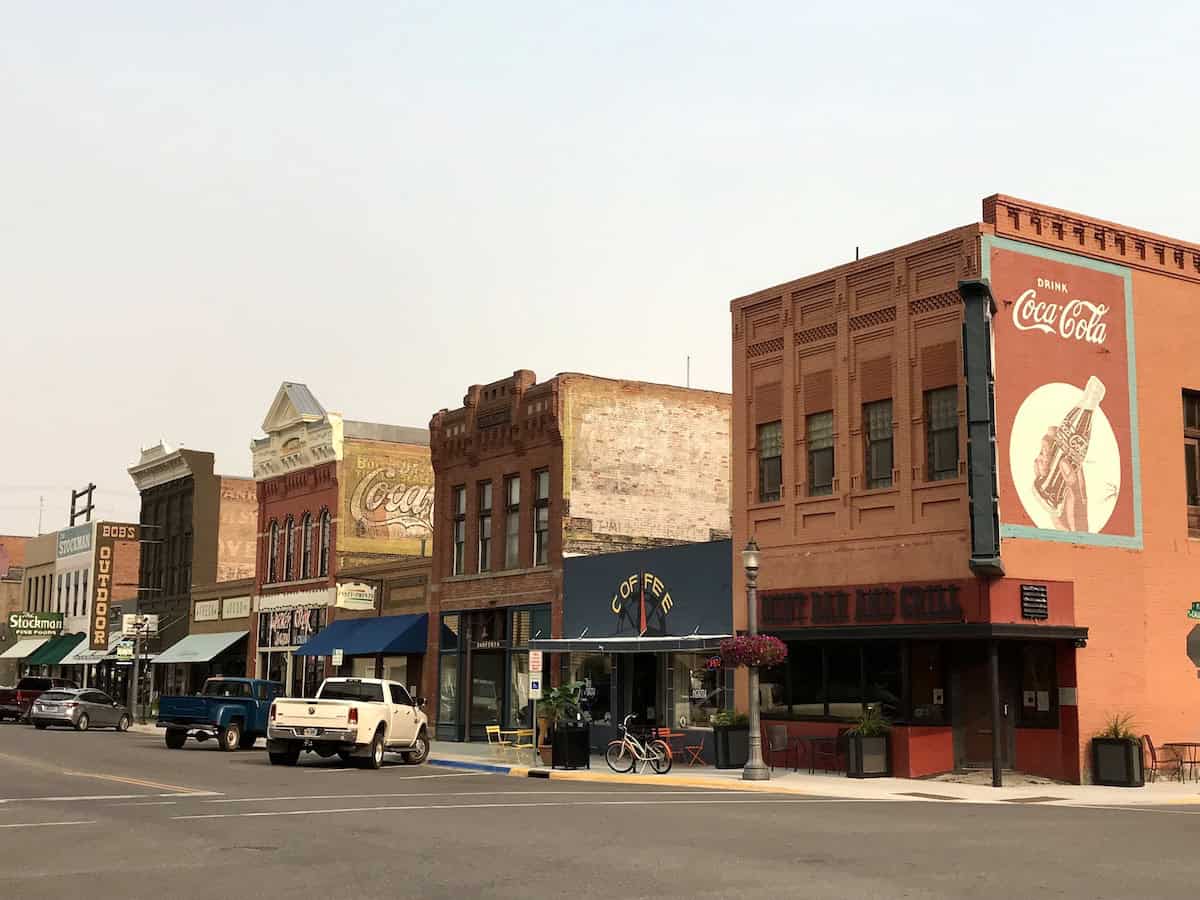
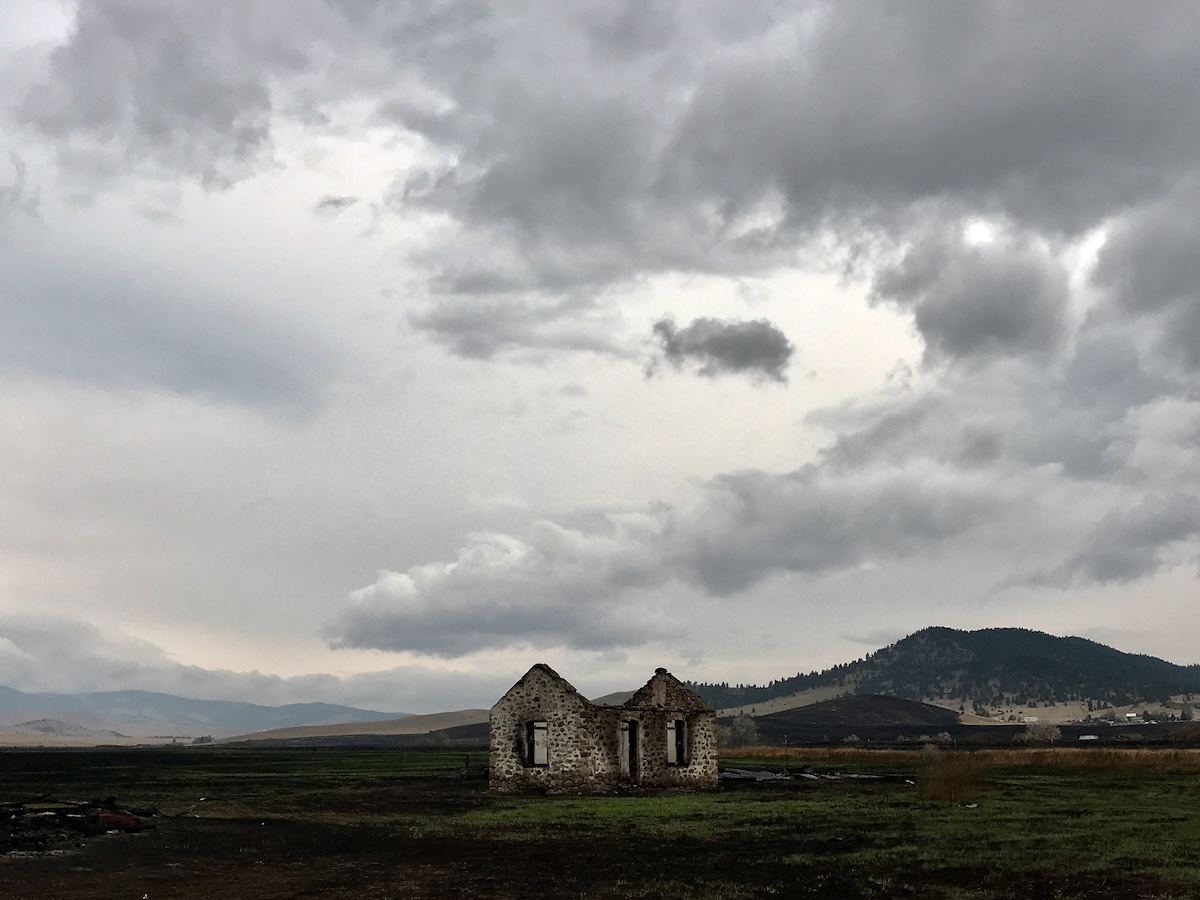
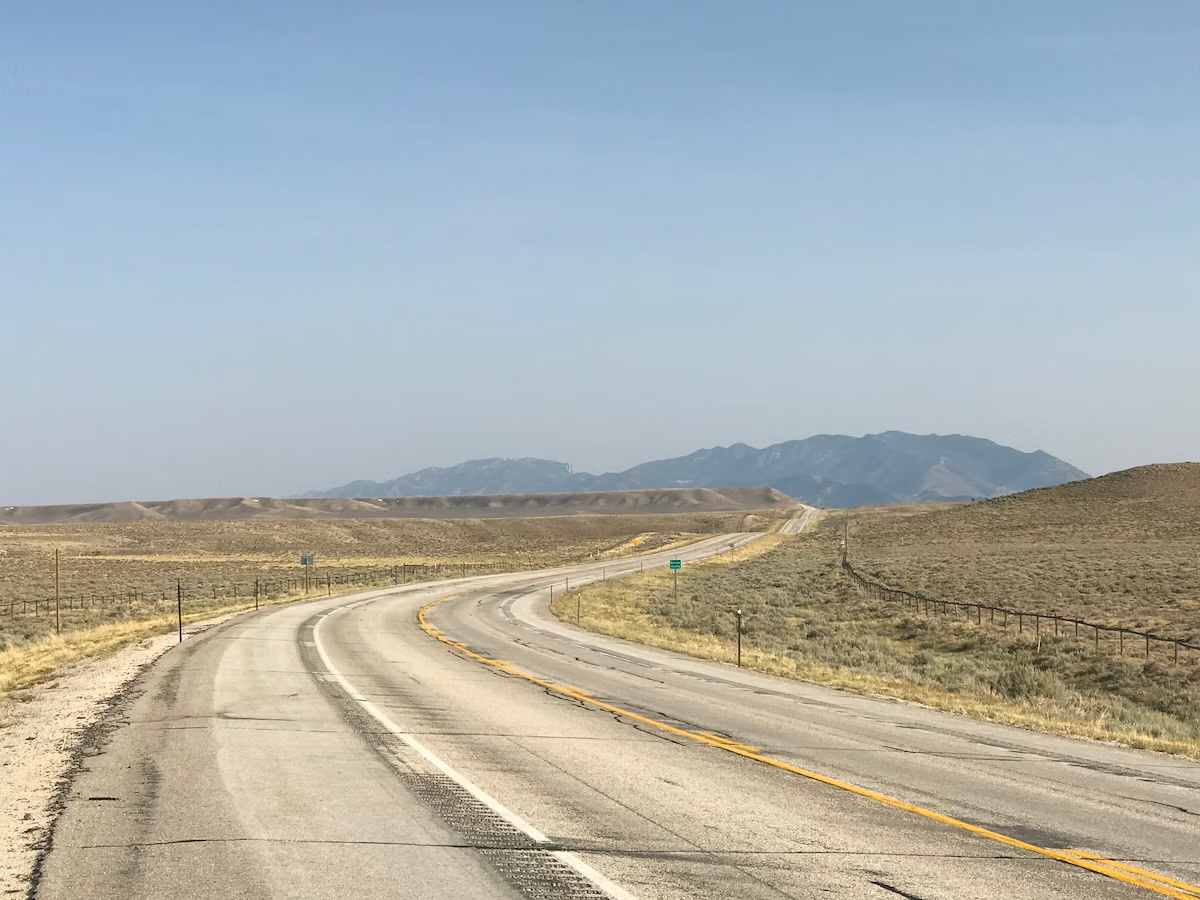
I discovered that the highways heading through Wyoming and Montana are very quiet and seemingly endless.  Driving through Wyoming and Montana many of the small towns I passed had the look of towns that have faced economic uncertainty with a depleted population, businesses that have been shuttered, and little job prospects.  Some of the towns seemed like ghost towns or modern ruins. It has been a Bust and Boom cycle economically.  The first place that I did see locals and tourists was in Thermopolis, Wyoming, a place forgotten in time that you need to spend a chill day or two exploring. See below for the tea…


Large mineral rock formation with flowers
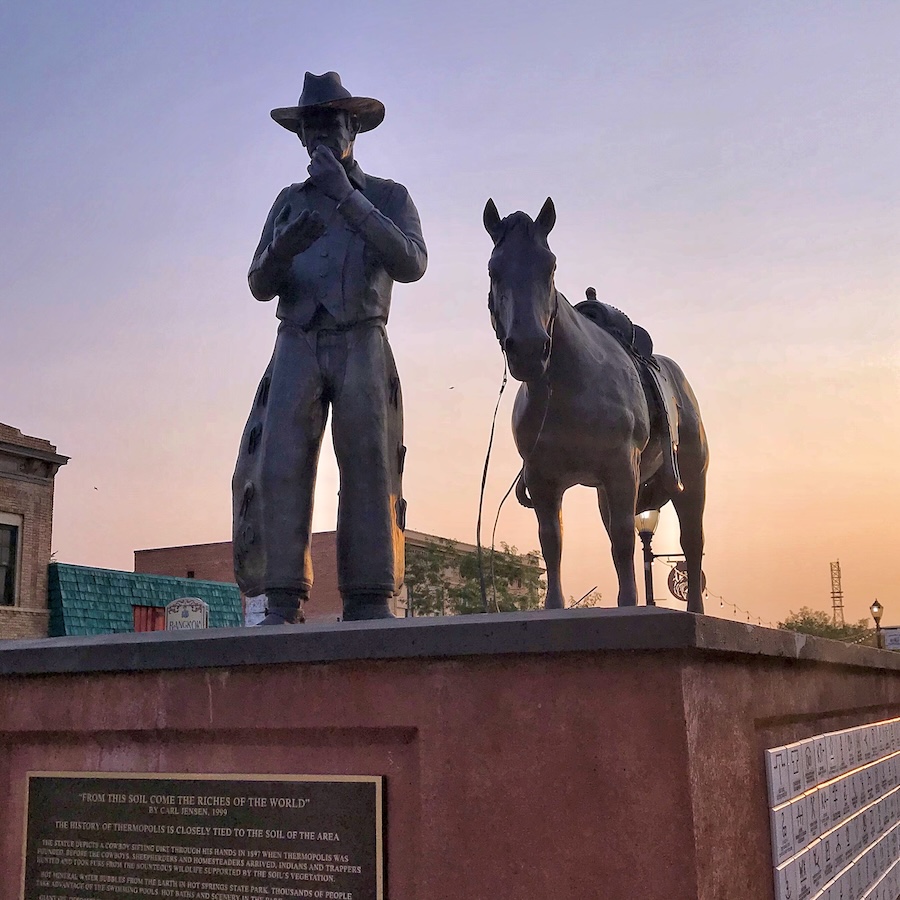
Statue of cowboy and horse at sunset
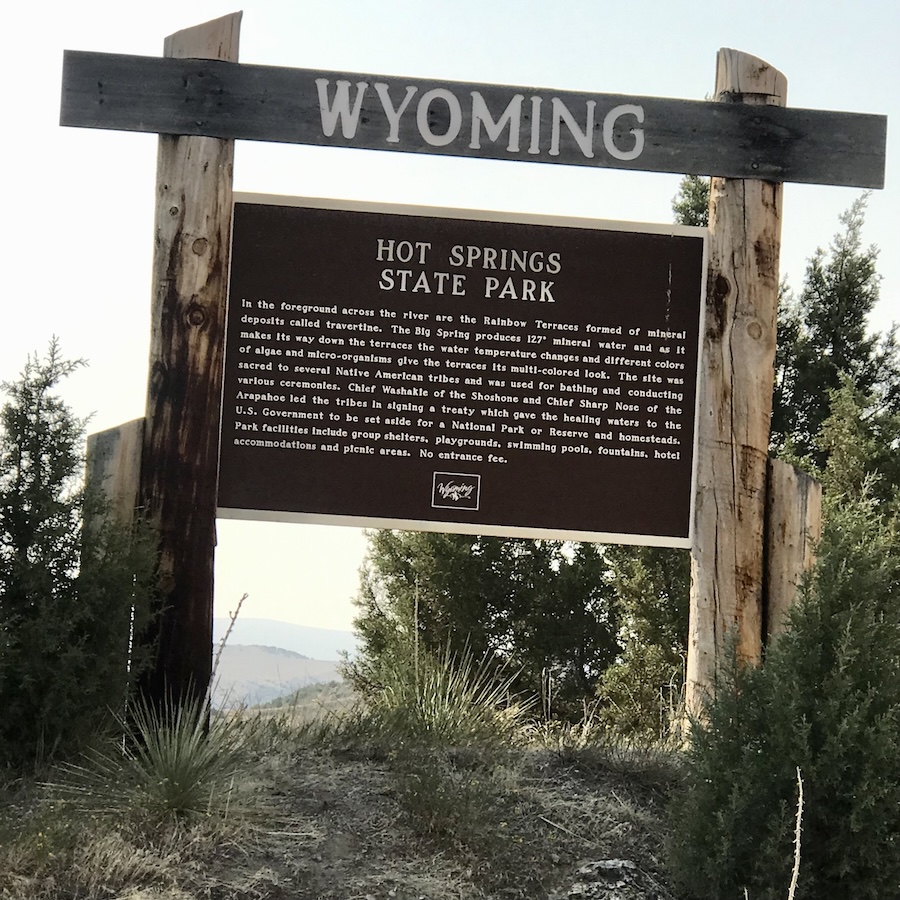
Wyoming Hot Springs State Park sign
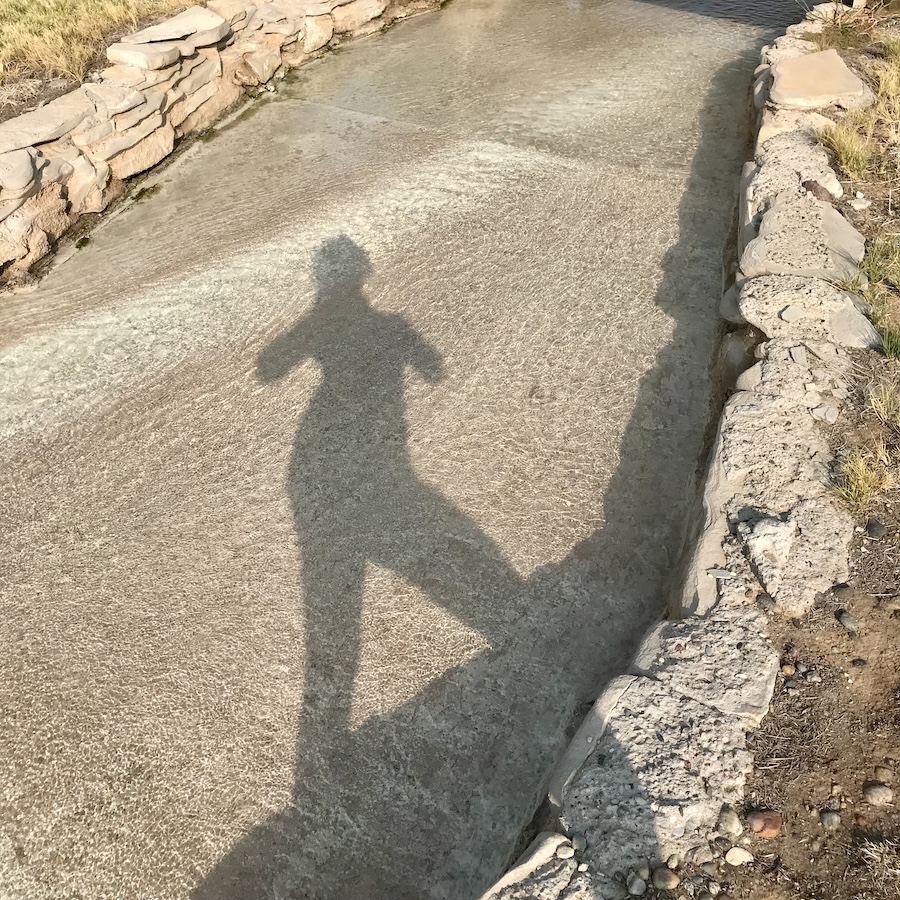
Selfie shadow in hot springs
Historic buildings on a quiet street
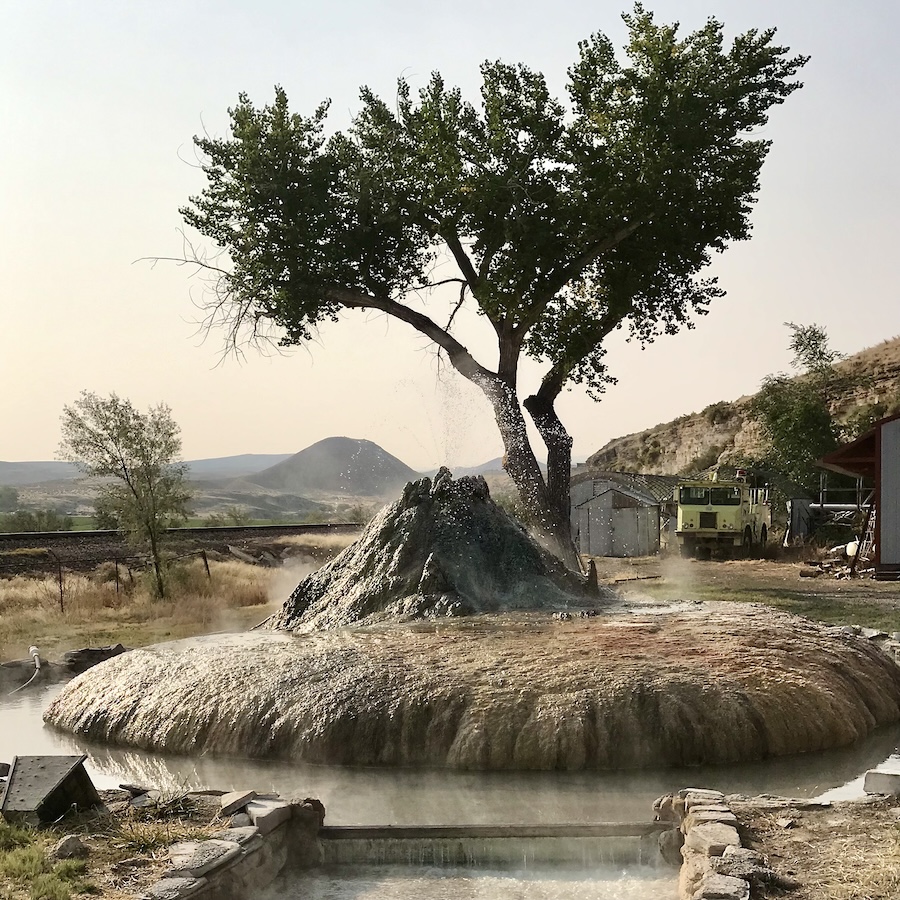
Hot spring mineral formations and tree

a Brief history of
thermopolis

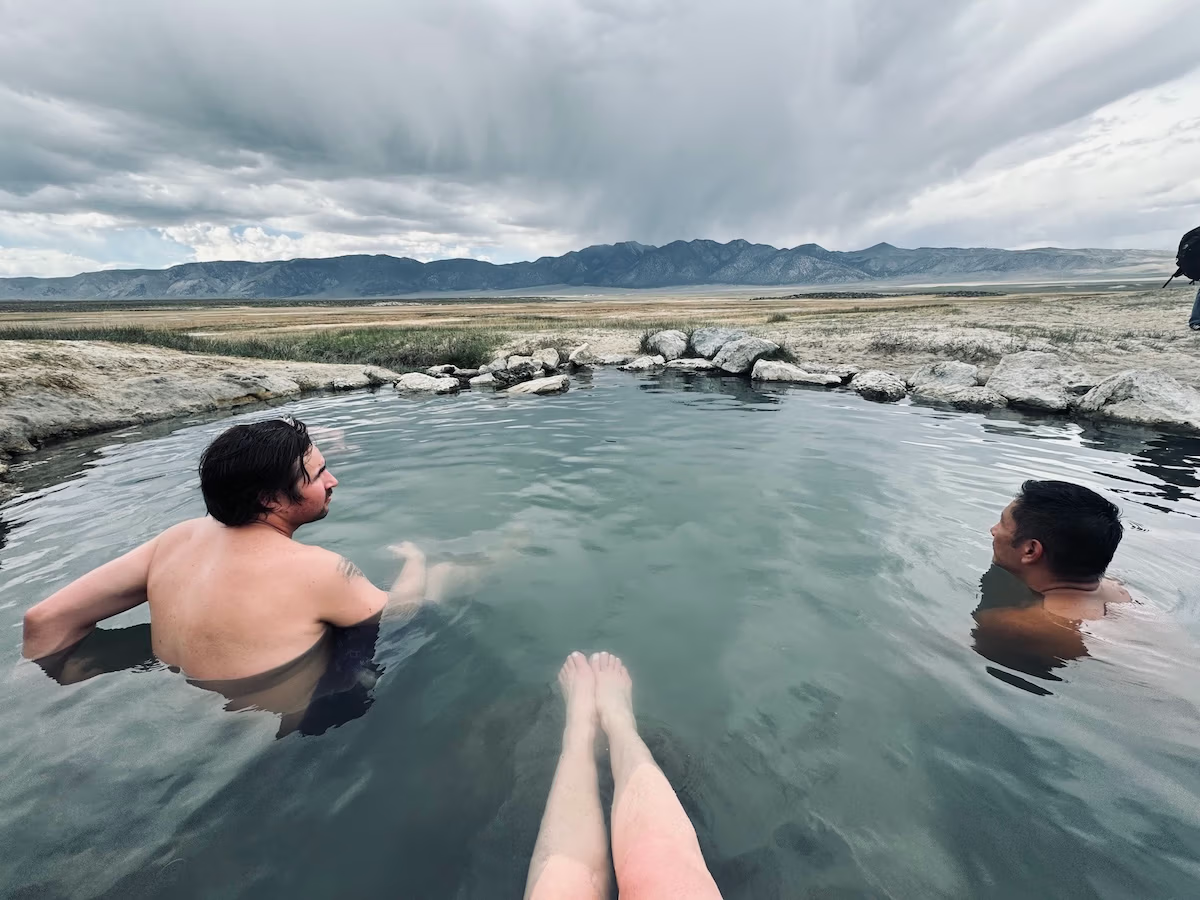
Who doesn't love hot springs? Natural warm waters, healing powers, comforting clouds of steam, smell of sulphur...Ok the smell of sulphur maybe i could live without but there is something enchanting and mystical about hot springs.  Thermopolis is an entire town built around these mineral spring waters. Before it was a town it was the home of ancient hunter gatherer tribes.  For thousands of years, these tribes could find cooler summer dwellings, hunt abundant game and spend time relaxing in the therapeutic smoking waters. There is evidence of Indian rock art sites, shelters and animal kill sites. 
The Shoshone People have a legend about the discovery of the mineral hot springs. A young couple were strolling along the Wind River in the canyon when a powerful gust of wind blew an eagle feather from her hair. Eagle feathers were a special gift, sacred to the Shoshone. The eagle was the messenger for the Great Spirit (Dama Upa). To lose a feather would be a great dishonor to the tribe. Their pursuit and recovery of the treasured item led them through the canyon to a magical place where the water bubbled and steamed from the ground. The Great Spirit’s messenger had led them to Bah Guewana, the smoking waters.
Mountains and trees with mineral rock formations and river in forground
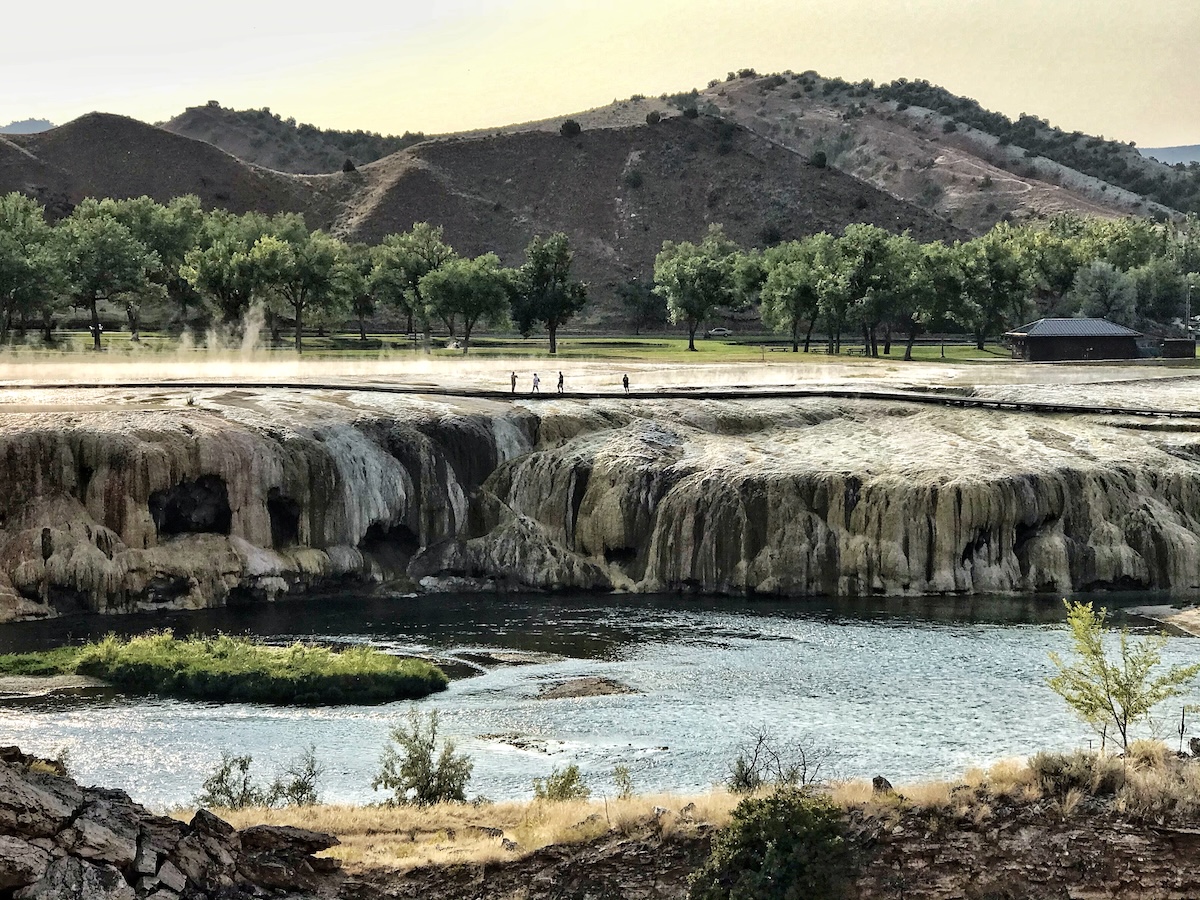
View of Hot Springs State Park

local lore thermopolis (wild west vibes!)


Thermopolis (Greek for "Hot City") is home to the world’s largest mineral hot springs. The springs originally belonged to the Eastern Shoshone and Northern Arapaho tribes. In 1896, Chief Washakie and Chief Sharp Nose negotiated a treaty to sell the land to the U.S. government on one condition: a portion of the water must always remain free to the public. To this day, the State Bath House at Hot Springs State Park honors that treaty with free soaking. The town was a favorite haunt for Butch Cassidy and the Wild Bunch. They would frequently hide out at the nearby "Hole-in-the-Wall" and come into Thermopolis to soak in the springs and drink at the local saloons.
Keep an eye out for the Bighorn River as it flows through Wind River Canyon. Because of the way the rock layers tilt, it often creates an optical illusion that the river is flowing uphill!

Scenic view of river, hot springs, trees and mountains

24 hours in Thermopolis, Wyoming

1. Hot Springs State Park: first things first – grab your suit and jump into the hotsprings, watch the sunset, take a walk
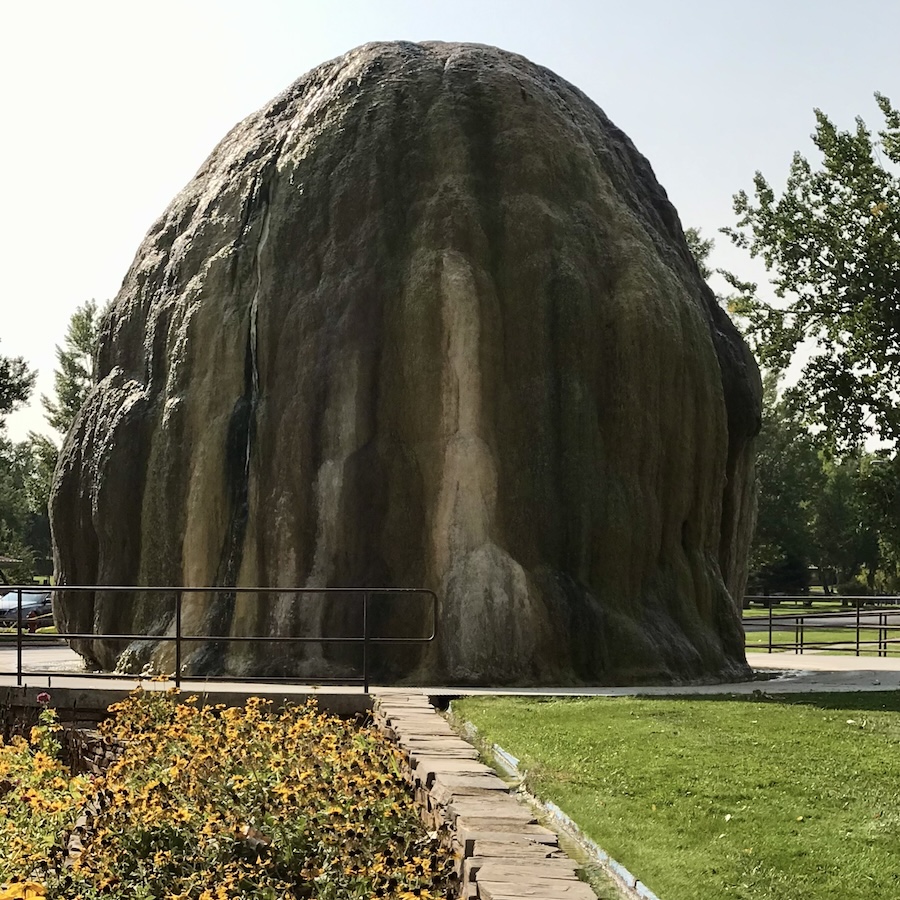
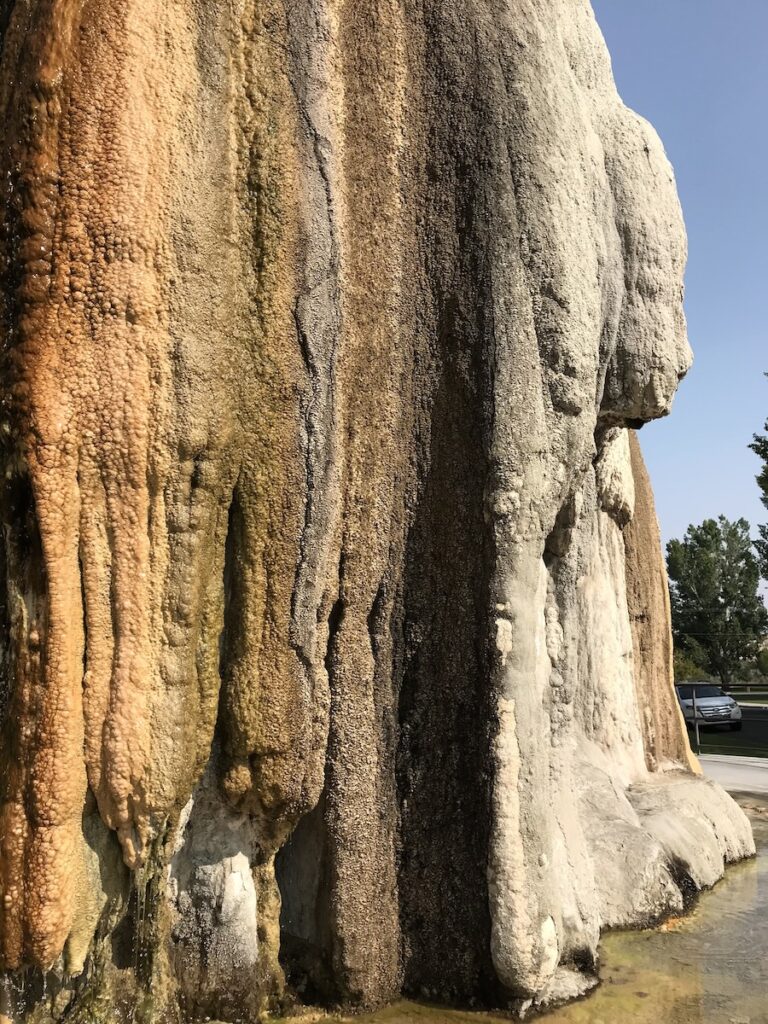
  • Overview: Home to the world’s largest mineral hot springs, this park is a must-visit. The park’s geothermal waters flow at a stunning 135°F (57°C). Check out the iconic mineral formations shaped like bee hives/teepees that have been formed over thousands of years from minerals and limestone.

  • Activities: Enjoy the free soaking pools at the Hot Springs Bath House, explore the walking trails, and check out the colorful mineral deposits and travertine that create a breathtaking landscape.
  • History: The hot springs were used by Native Americans for centuries before becoming a popular destination for settlers in the late 1800s.
2. Check into Hot springs hotel and safari club for dinner and sleep
  • Overview:  Includes a mineral hot springs soaking tub, restaurant/lounge, and free Wi-Fi.
  • Highlights: features a “Safari Club” restaurant and lounge decorated with hundreds of big game taxidermy animals. 
  • Good to Know: Casual local spot with kitchy vibes.  Previous owner/wild game hunter has since passed and the family was looking for a new home for the collection.  Let me know if it is still there.
3. Hike to the Summit of Roundtop Mountain: wake up early and take a hike to the top, enjoy the sunrise
  • Overview: Enjoy a scenic hike that leads you to the top of Lookout Mountain, offering stunning panoramic views of the Bighorn River and the surrounding area.
  • Trail Info: The hike is moderate in difficulty, making it suitable for most hikers. Don’t forget your camera!
  • Flora and Fauna: Keep an eye out for local wildlife, including deer bear! (i saw bear scat) and various bird species along the trail.  
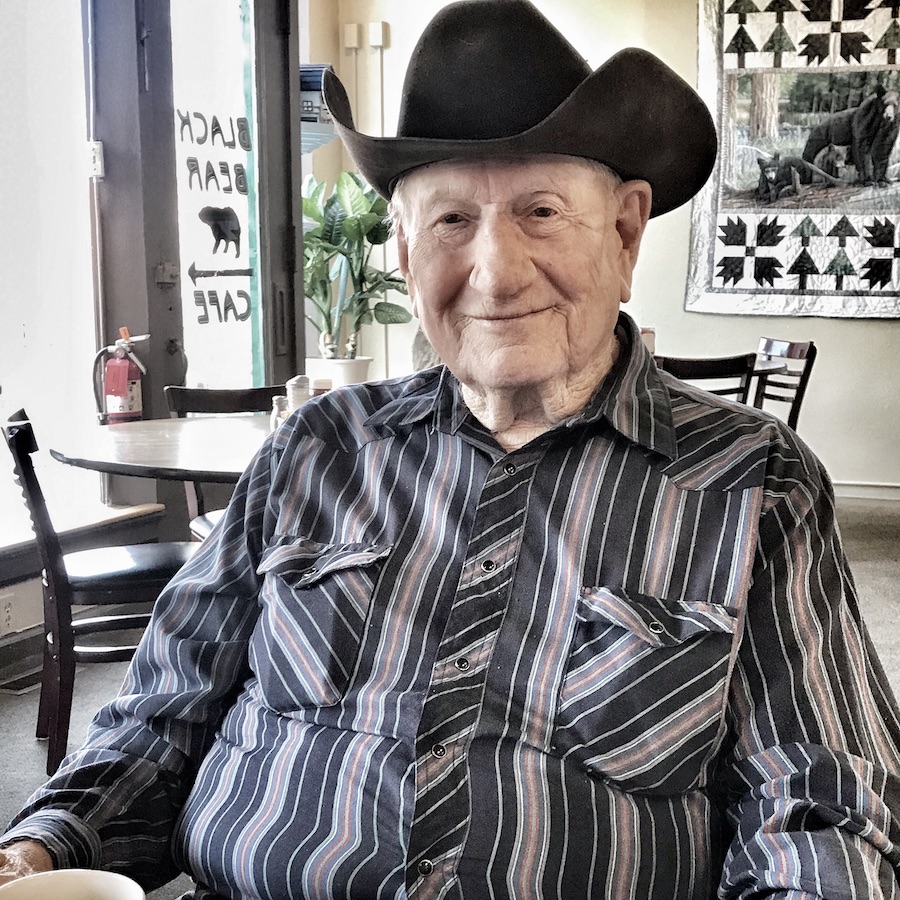
4. Dining at Black Bear Cafe: head to this diner for a real western breakfast, mingle with locals
  • Overview: After a day of exploring, treat yourself to a meal at the Black Bear Cafe, known for its homestyle cooking and welcoming atmosphere.
  • Menu Highlights: Enjoy hearty breakfasts, delicious burgers, and homemade desserts. Their cinnamon rolls are a local favorite!
  • Ambiance: The cafe captures the spirit of the West, making it a perfect stop after a day of adventure.
5. The Wyoming Dinosaur Center
  • Overview: This fascinating museum showcases one of the largest collections of dinosaur fossils in the country, including full-skeleton displays and interactive exhibits.
  • Highlights: Participate in a dig or a fossil preparation workshop. It’s an educational experience for all ages!
  • Trivia: The center has been featured in various documentaries and is a hub for paleontological research.
6. Hot springs County Museum & Cultural Center
  • Overview: Here you will learn about the pioneers, outlaws, ranchers, farmers and Native Americans that influenced this area of Wyoming.
  • Highlights: Collections of arrowheads, re creations of pioneer bedrooms, a train car and rooms set up right out of the wild west with guns, old bank safes and actual stage coaches.
  • Trivia: The hole in the wall bar that Butch Cassidy and his gang of outlaws drank at is here. 
7. Fountain of Youth RV Park: one more soak in an off-the-beaten track local
  • Overview: Camp spots and lodging available
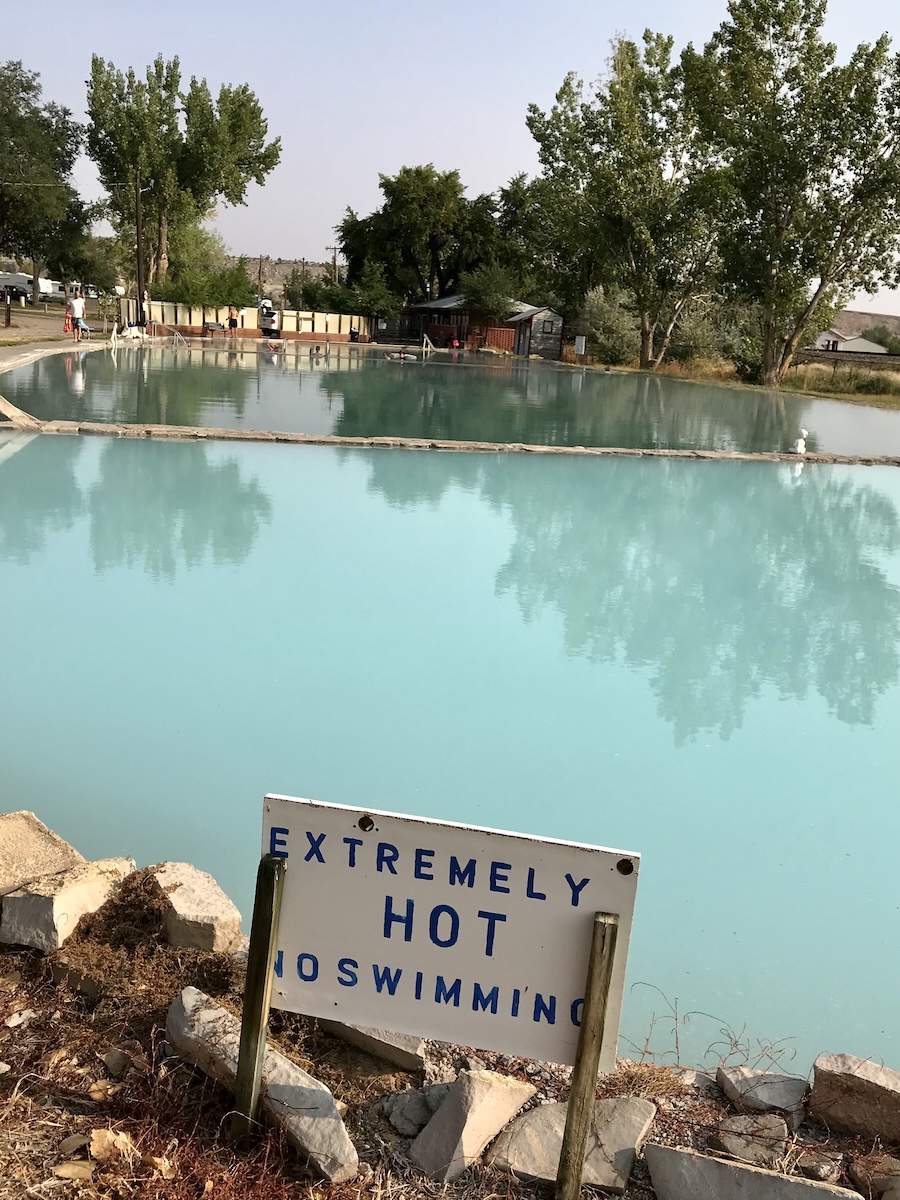
  • Highlights: Largest natural mineral hot pool in the USA
  • Good to Know: Open from 7 am to 9:30 pm, $10 fee
8. Legend Rock Petroglyph Site: on you way out of town
  • Overview: Located 29 miles northwest of Thermopolis, it has over 300 individual petroglyphs in 92 panels mainly in the Dinwoody tradition
  • Highlights: There is a one-third mile loop trail with 15 numbered petroglyph stops along a cliff of Cretaceous Frontier Sandstone
  • Good to Know: Access from October through April requires a key that can be picked up in Thermopolis at the State Bathhous
 
 
Additional Points of Interest
  • Geothermal Information: Thermopolis sits on top of a geothermal hotspot, making it a fascinating place for those interested in geology. The hot springs are a result of water heated by the earth’s crust, rich in minerals that are believed to have therapeutic properties.
  • Historic Landmarks: Check out the historic buildings in downtown Thermopolis, including the Hot Springs County Courthouse and local art galleries that showcase regional talent.
  • TeePee Pools and Spa: Another opportunity for soaking located within Hot Springs State Park, offers indoor and outdoor hot springs and sauna
 

Have you visited Thermopolis?

From soaking in the mineral-rich waters to exploring dinosaur fossils, Thermopolis offers a unique blend of relaxation and adventure and Western Culture. 

Don’t miss out on these top 8 things to do and see during your visit, and make sure to take in the beauty and history that this charming town has to offer!

Be sure to share your favorite experiences and unexpected finds in the comments, and let us know what other sites you would recommend!

Road trip views: Thermopolios, Wyoming

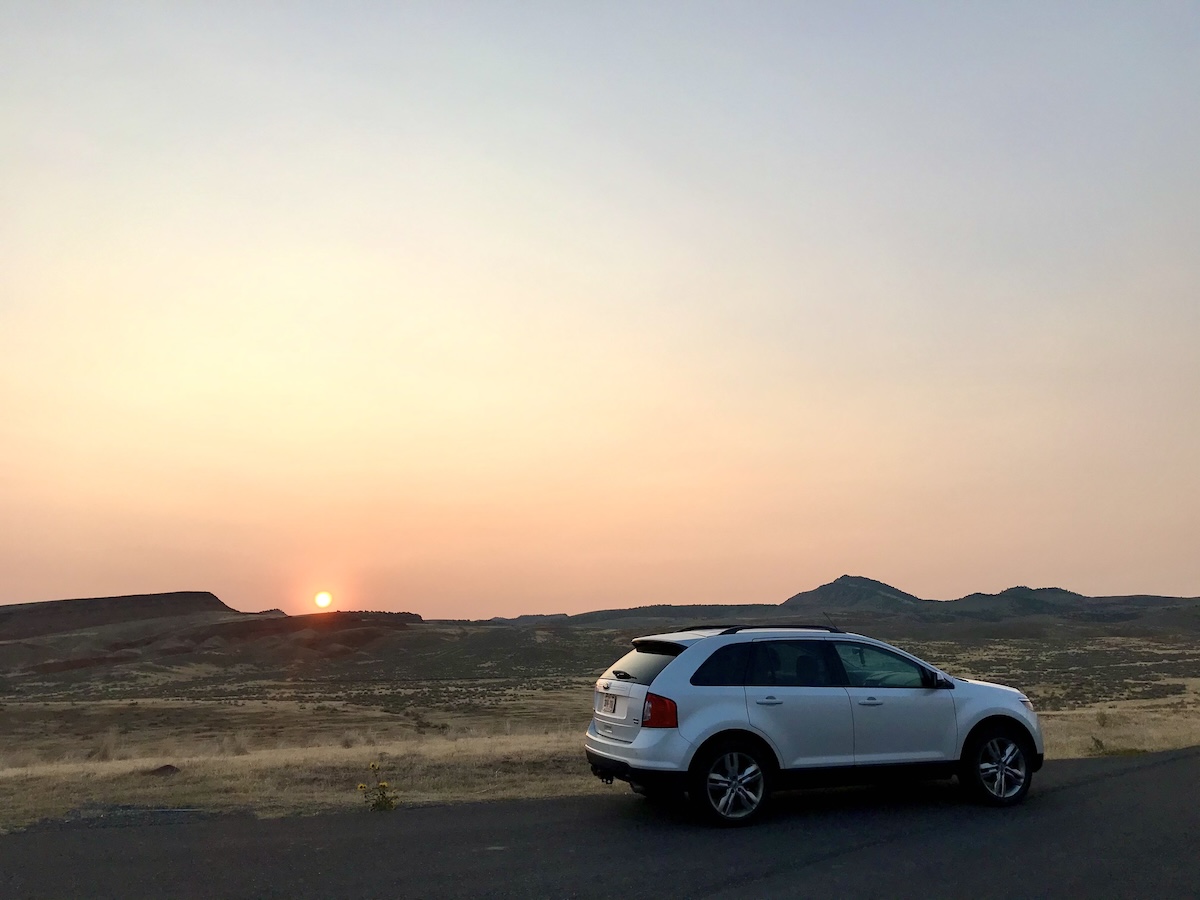
Sunrise and vehicle in foreground
Sunrise Just In Time For Roundtop Mountain Hike
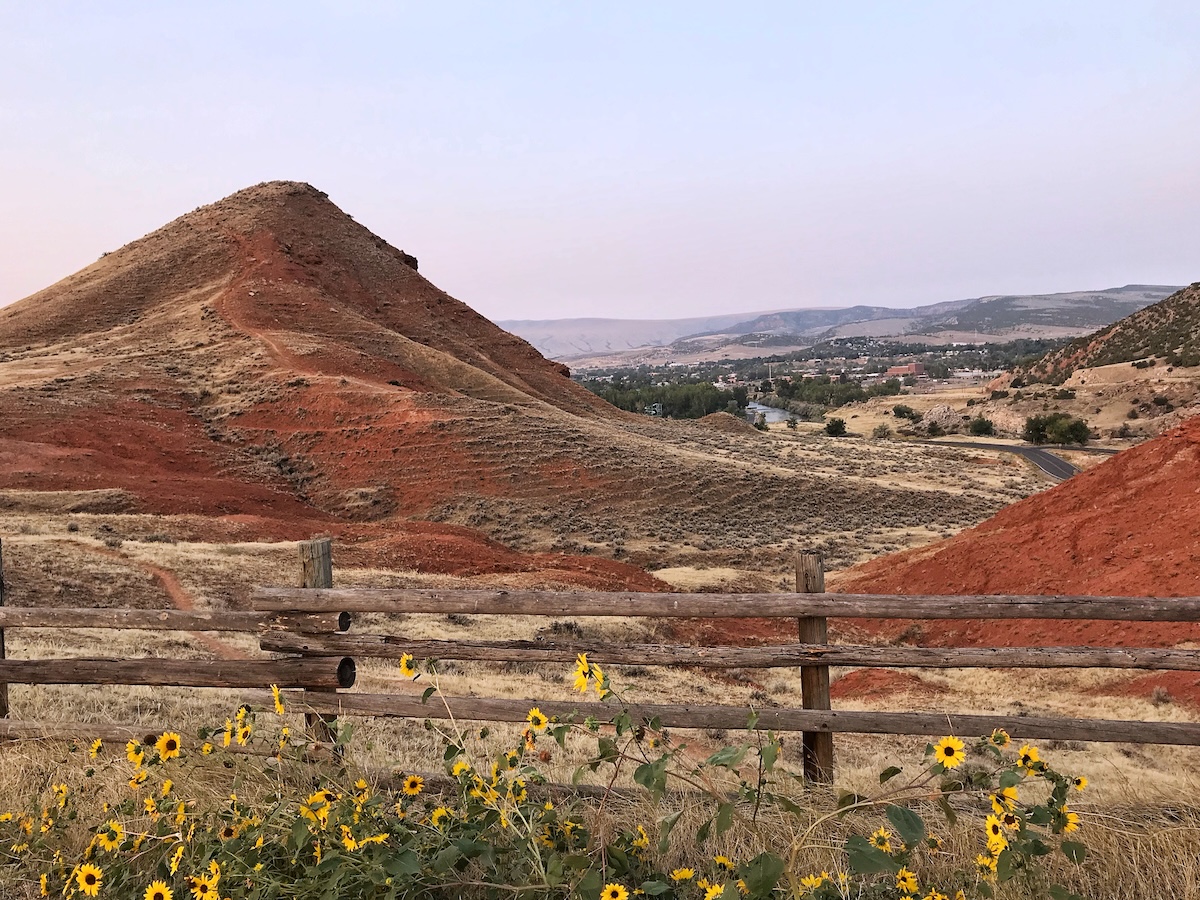
Red mountains with flowers
Roundtop Mountain
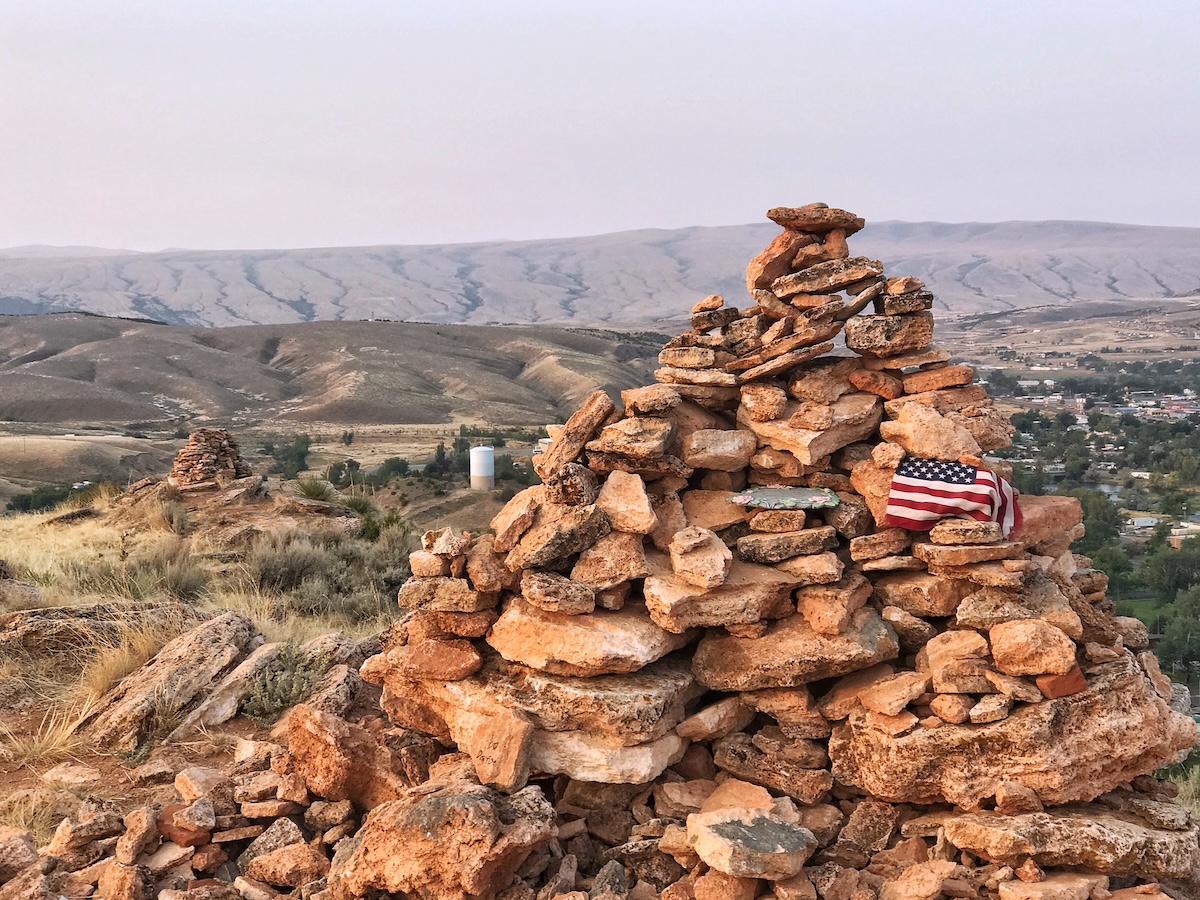
Pile of rocks with American flag
Patriotic Cairns on Roundtop Mountain
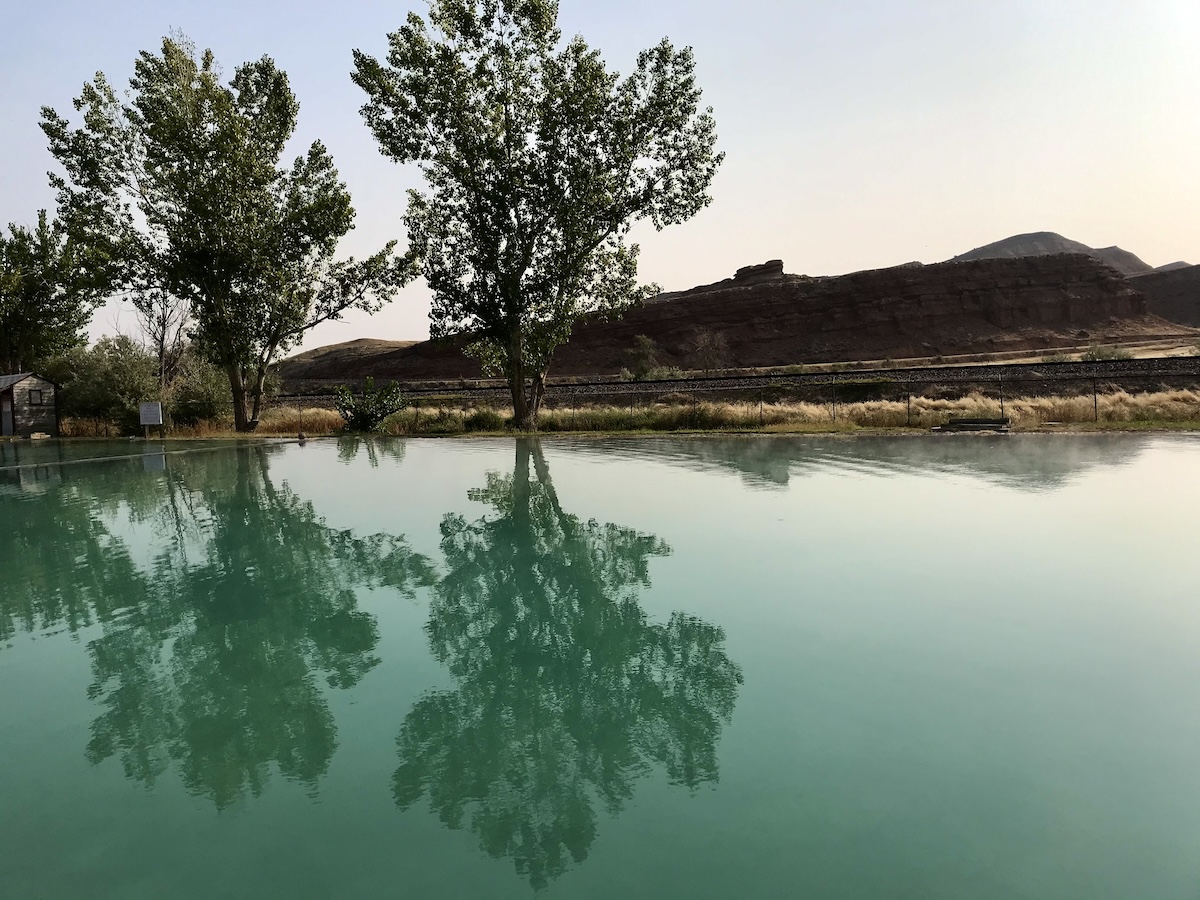
Two trees on hot spring pond
The Peaceful Waters at the Fountian of Youth
Colorful mineral deposits on rock
Bee Hive Mineral Formations
Hot Springs with warning sign
Fountain of Youth Hot Springs
FactorImpact on Wyoming/Montana Towns
Resource DepletionMany towns were built for a single purpose: a uranium mine (Jeffrey City), a coal mine, or a timber mill. When the resource ran out or the global price crashed, the “reason for being” disappeared almost overnight.
Agricultural ShiftsIn the early 20th century, a family could live off 160 acres. Today, industrial farming requires thousands of acres to be profitable. This led to “rural flight,” where younger generations move to cities, leaving main streets empty.
The “Interstate” EffectWhen I-25 and I-90 were built, they bypassed many historic towns that relied on highway travelers. Without that foot traffic, motels and diners shuttered.
The New “Amenities” EconomyYou’ll notice a stark contrast: towns near mountains (like Bozeman or Red Lodge) are booming because of tourism and “zoom-town” remote workers, while “high plains” towns without a ski resort or national park nearby continue to fade.
Large mineral rock formation with flowers
Statue of cowboy and horse at sunset
Wyoming Hot Springs State Park sign
Selfie shadow in hot springs
Historic buildings on a quiet street
Hot spring mineral formations and tree