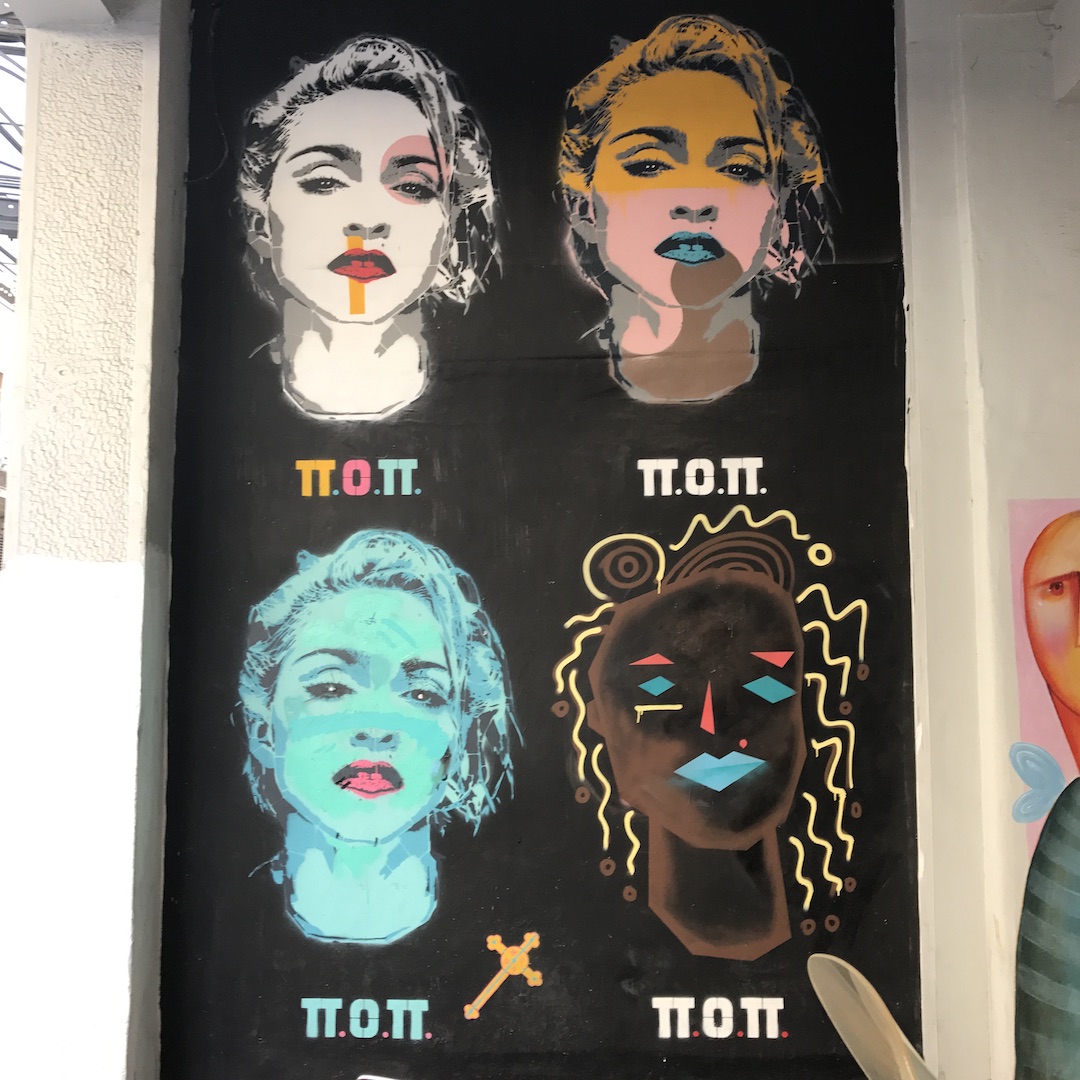
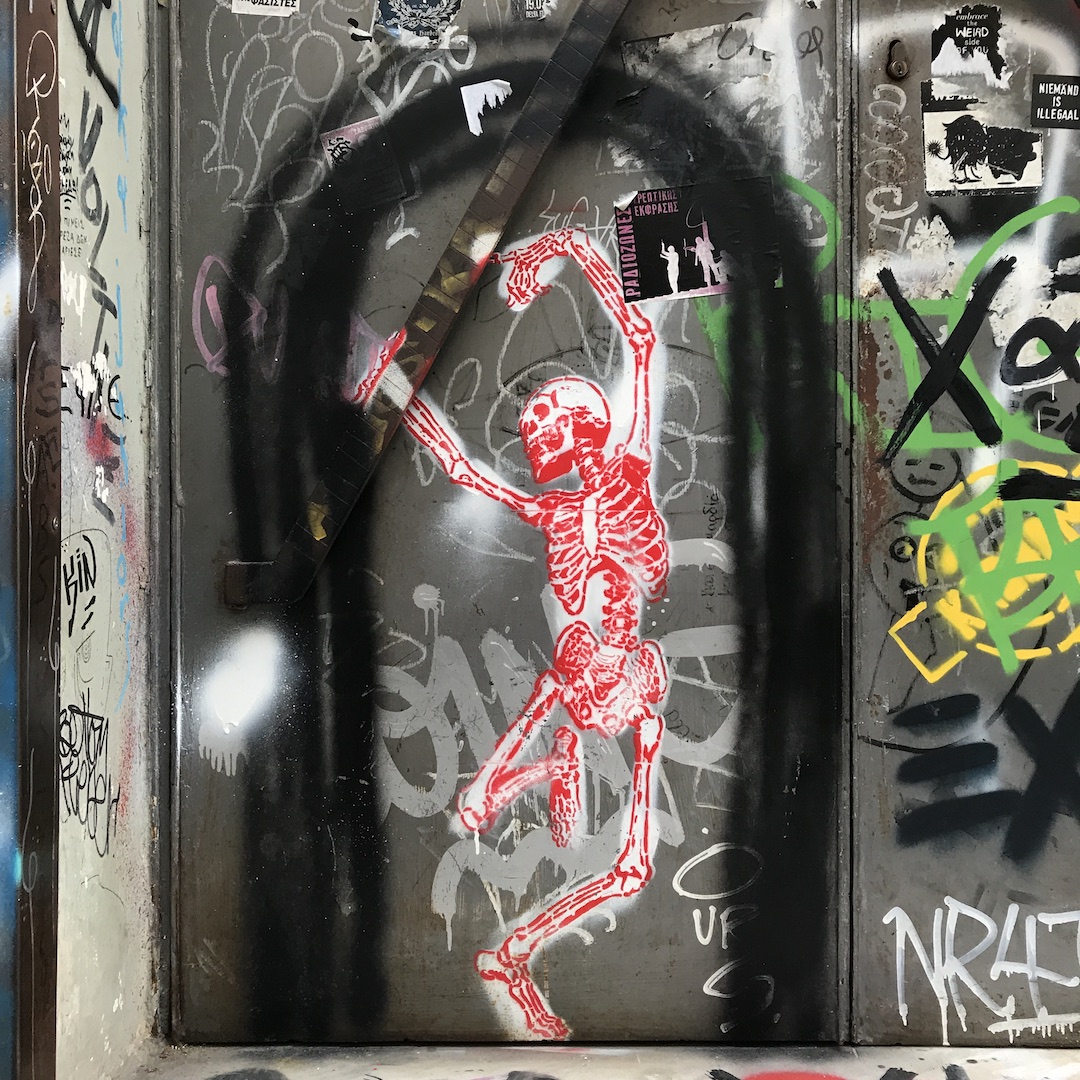
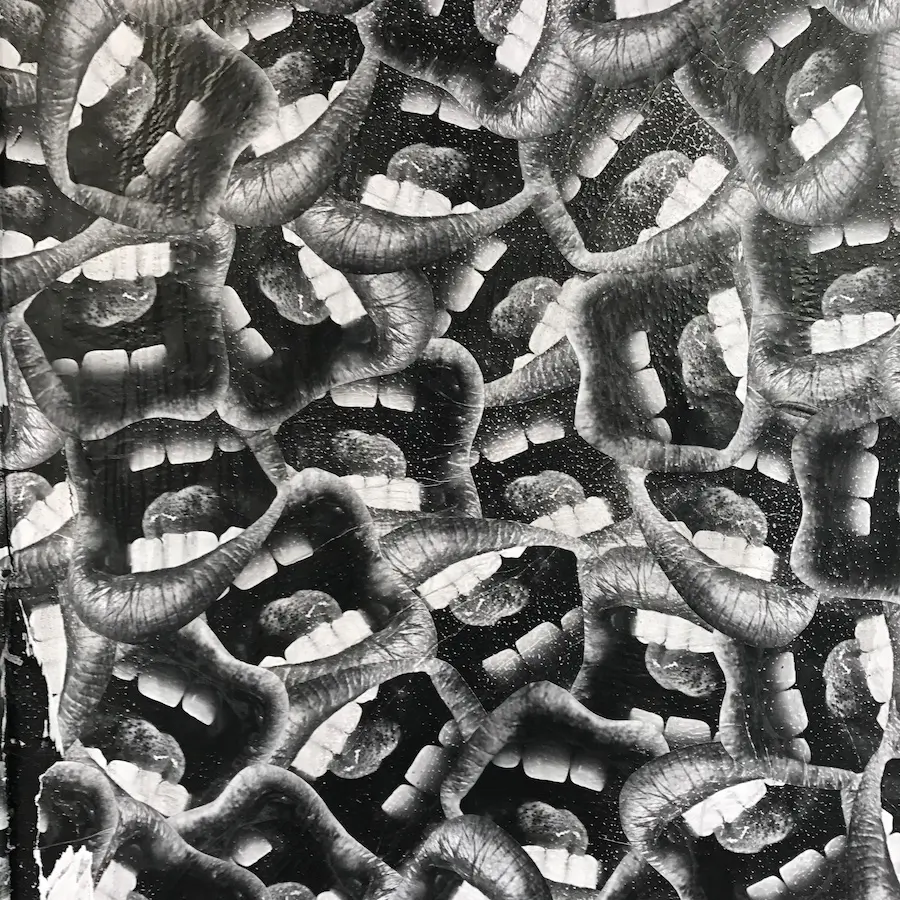
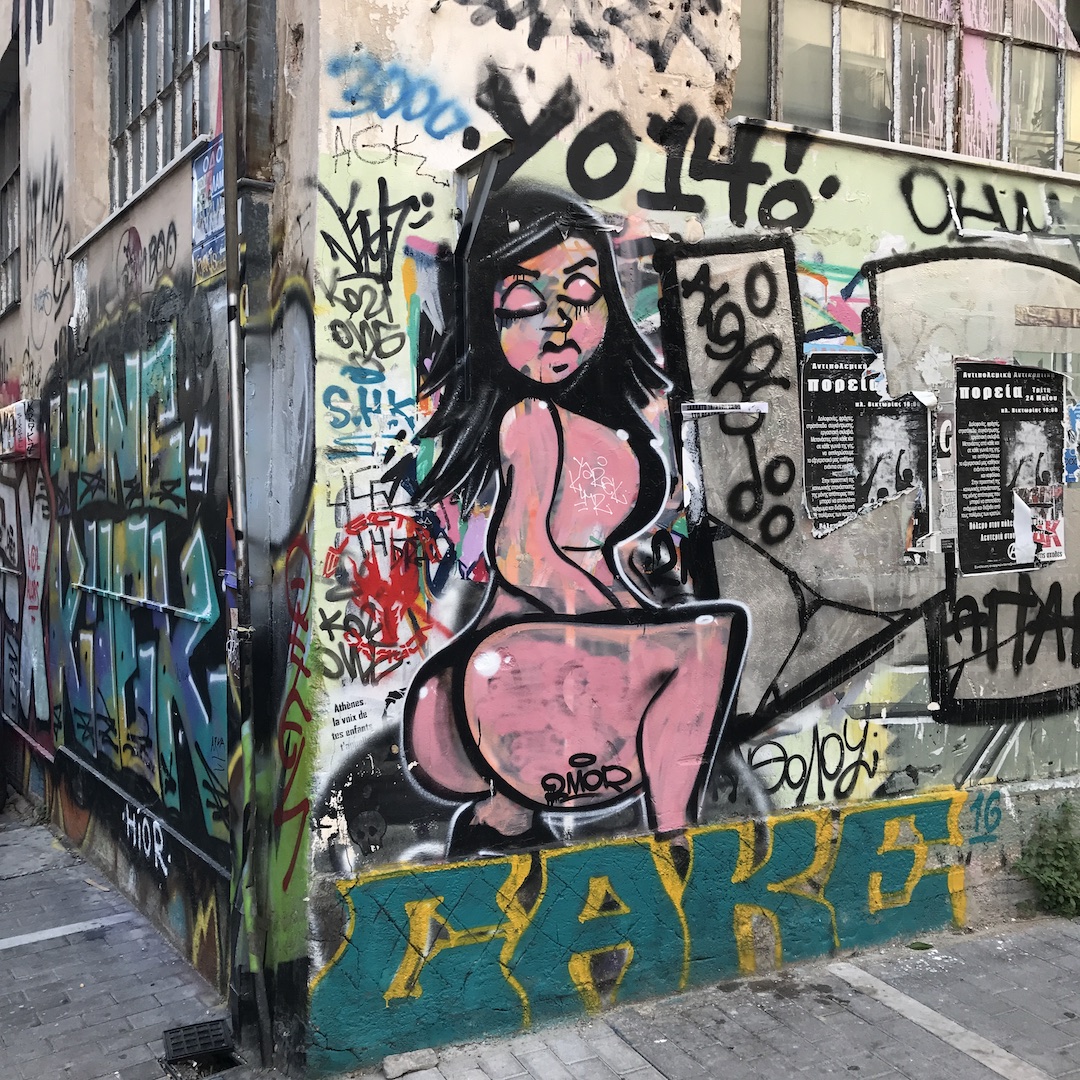
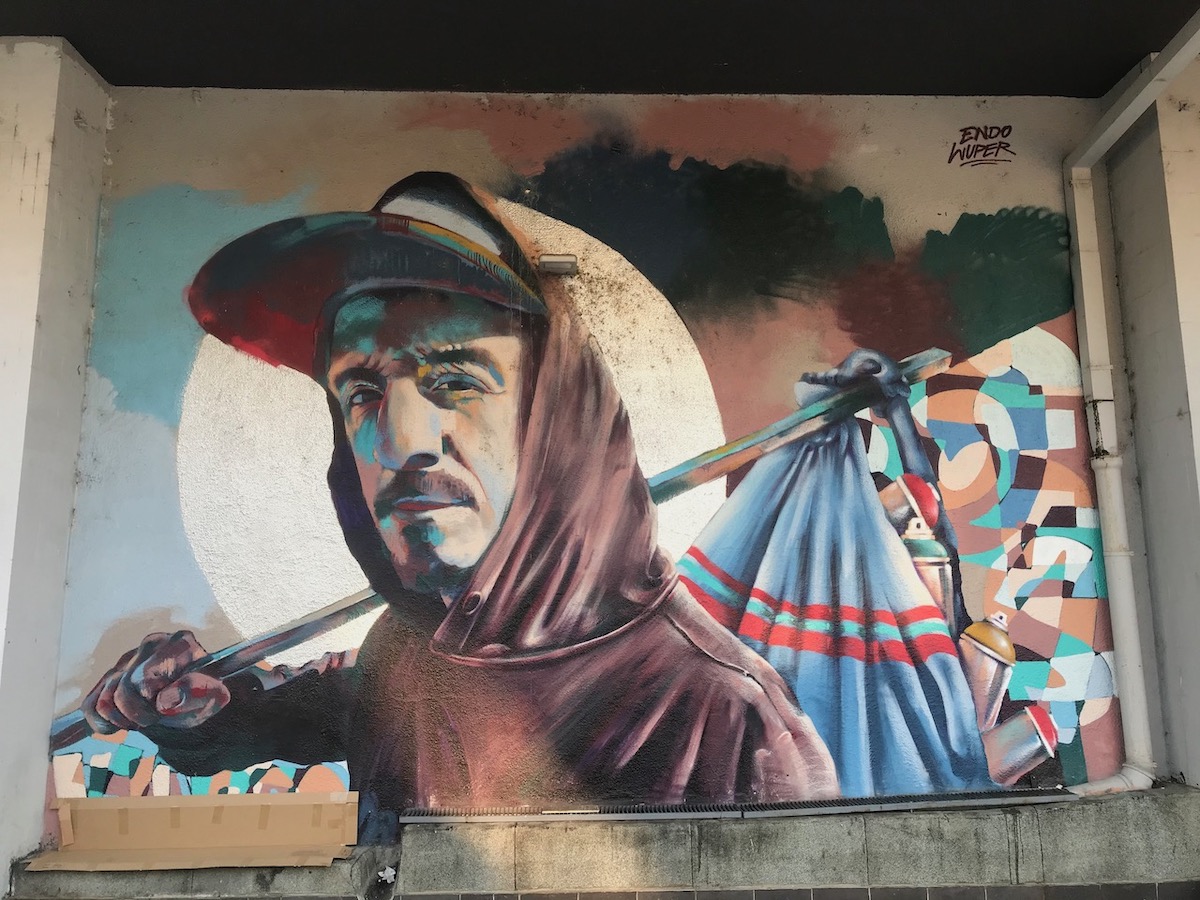
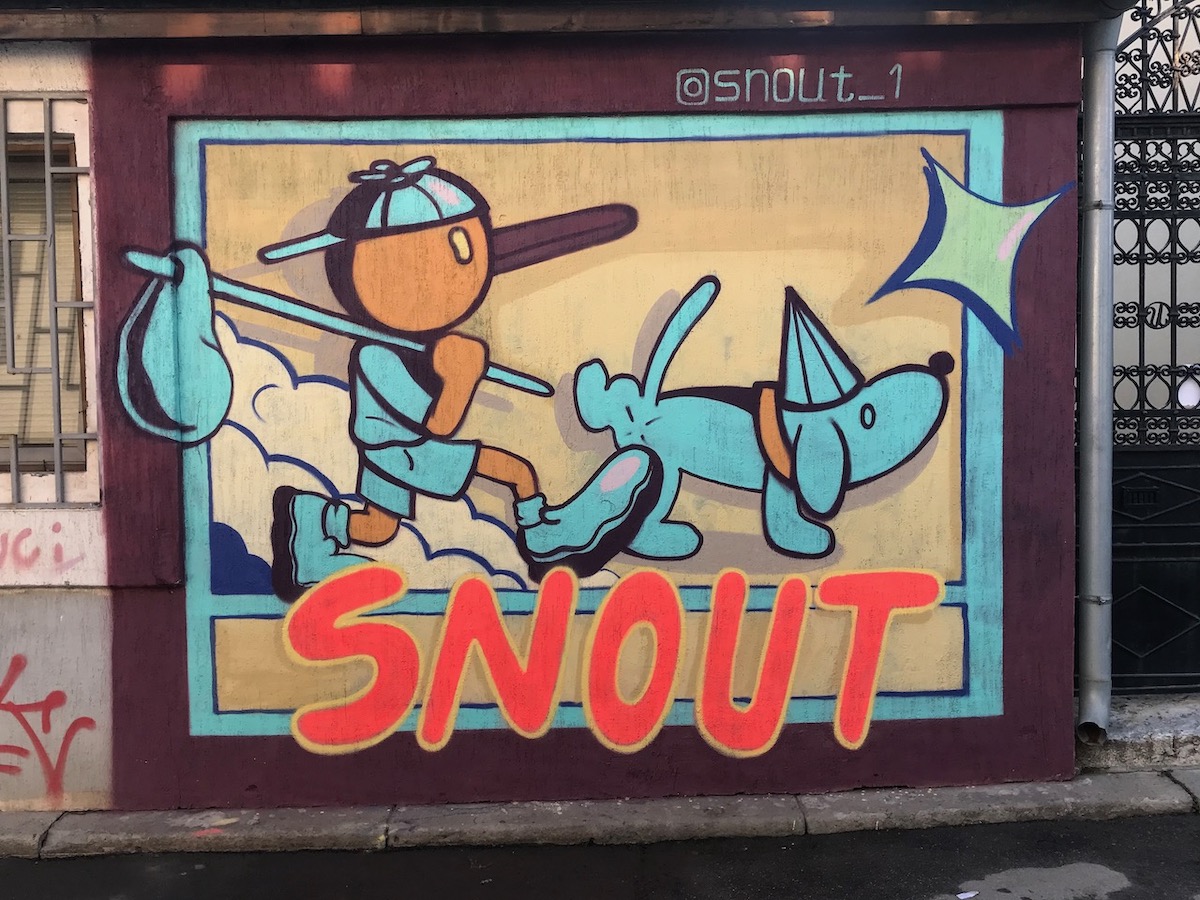
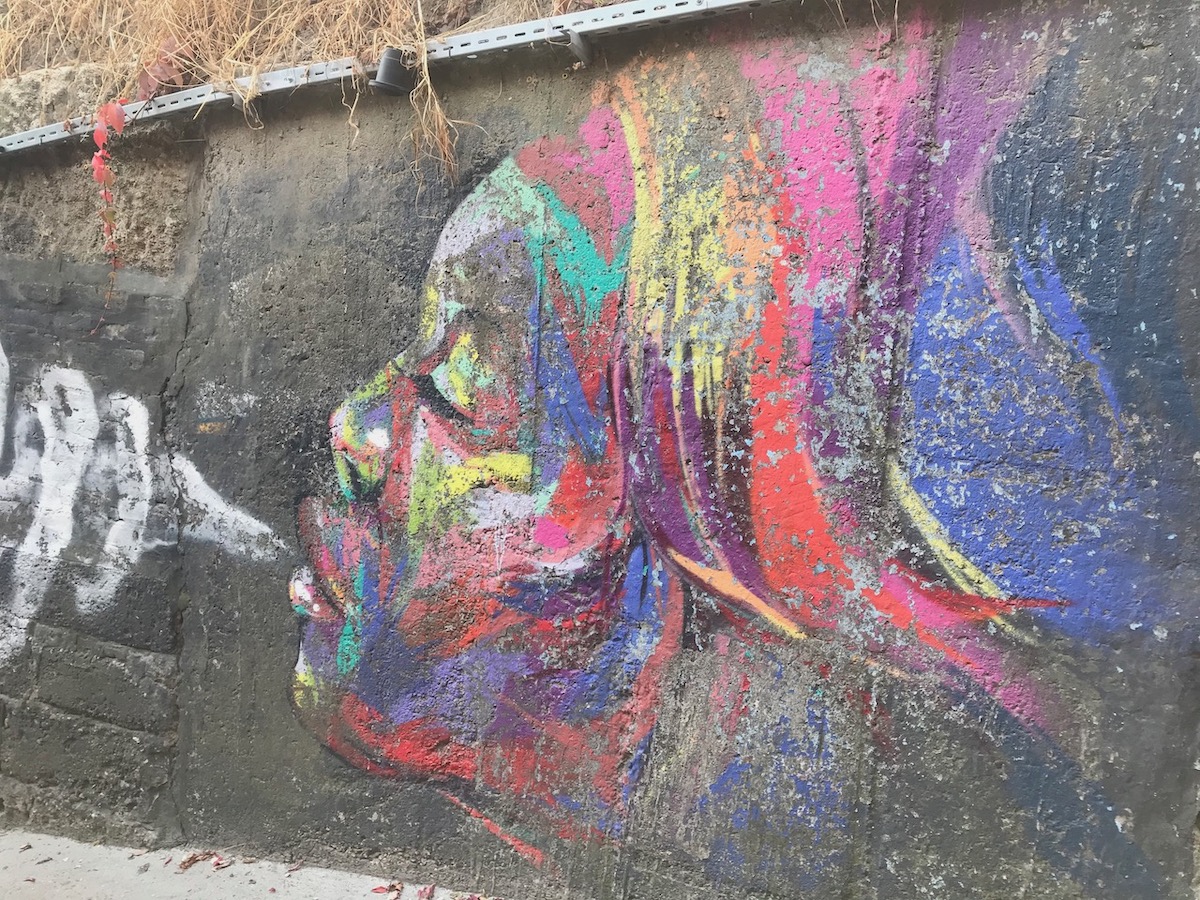
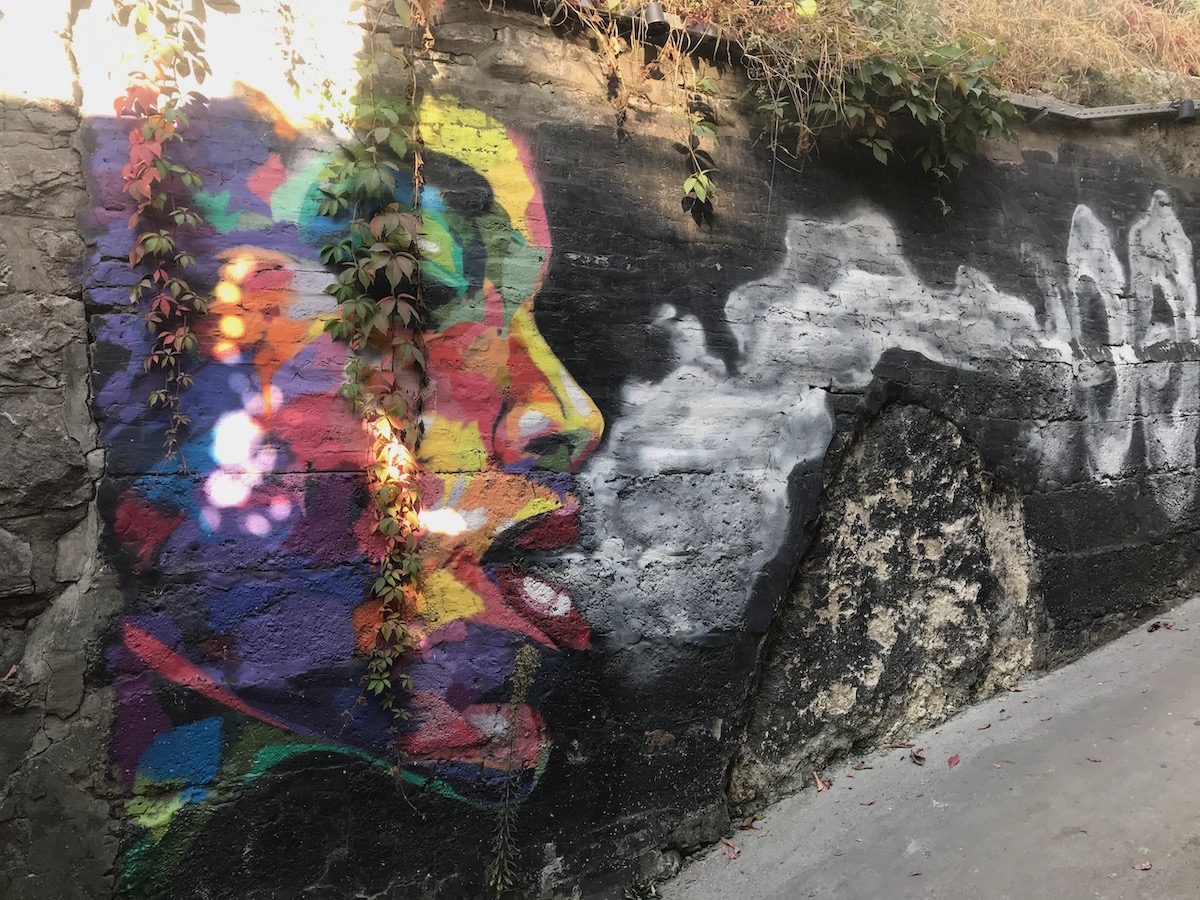
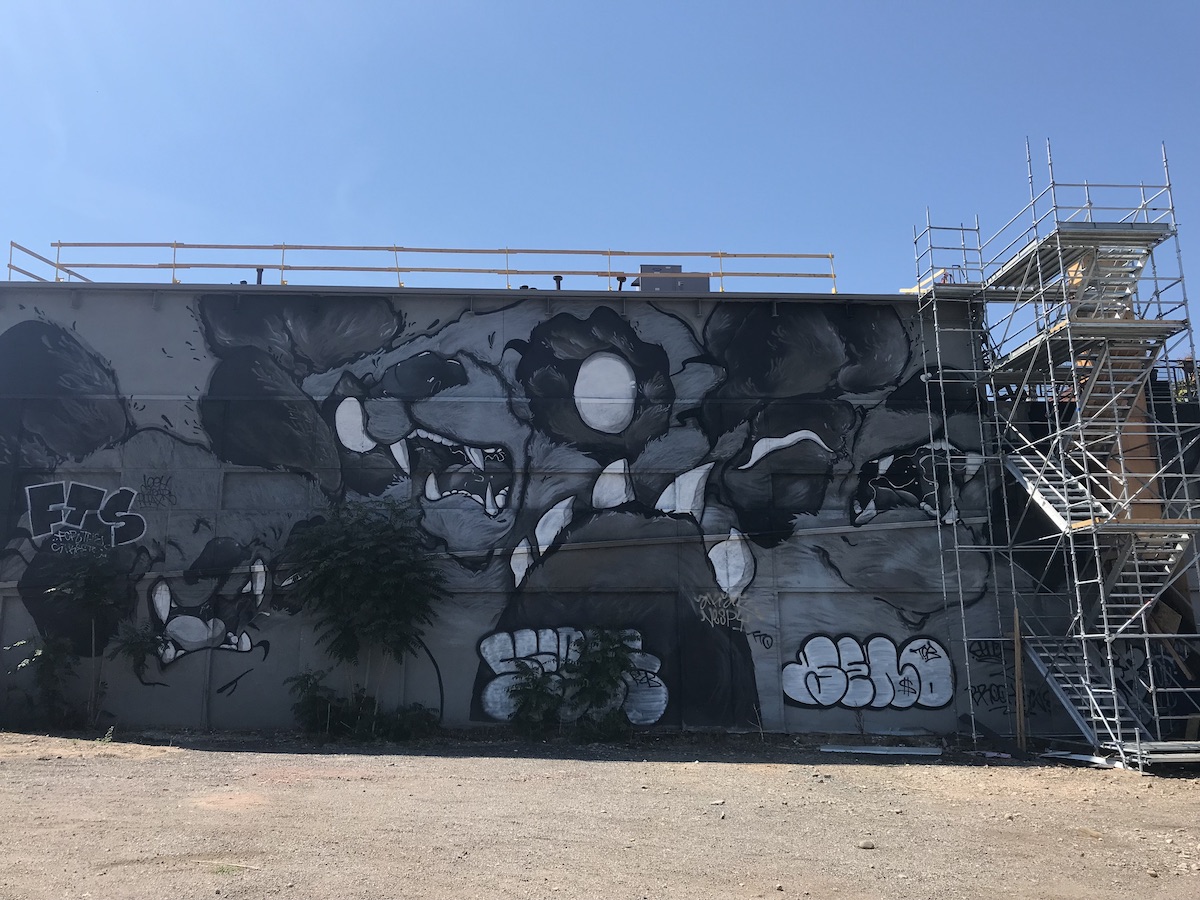
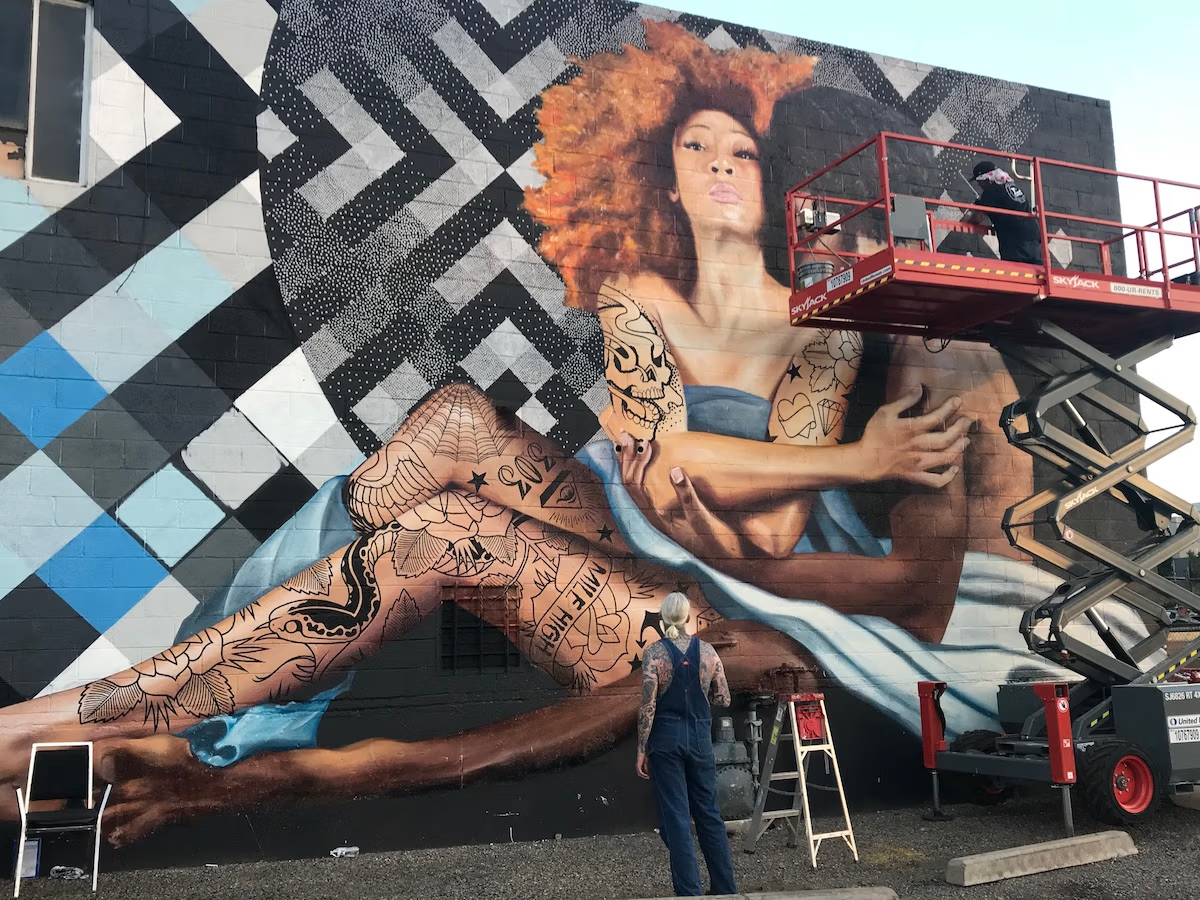
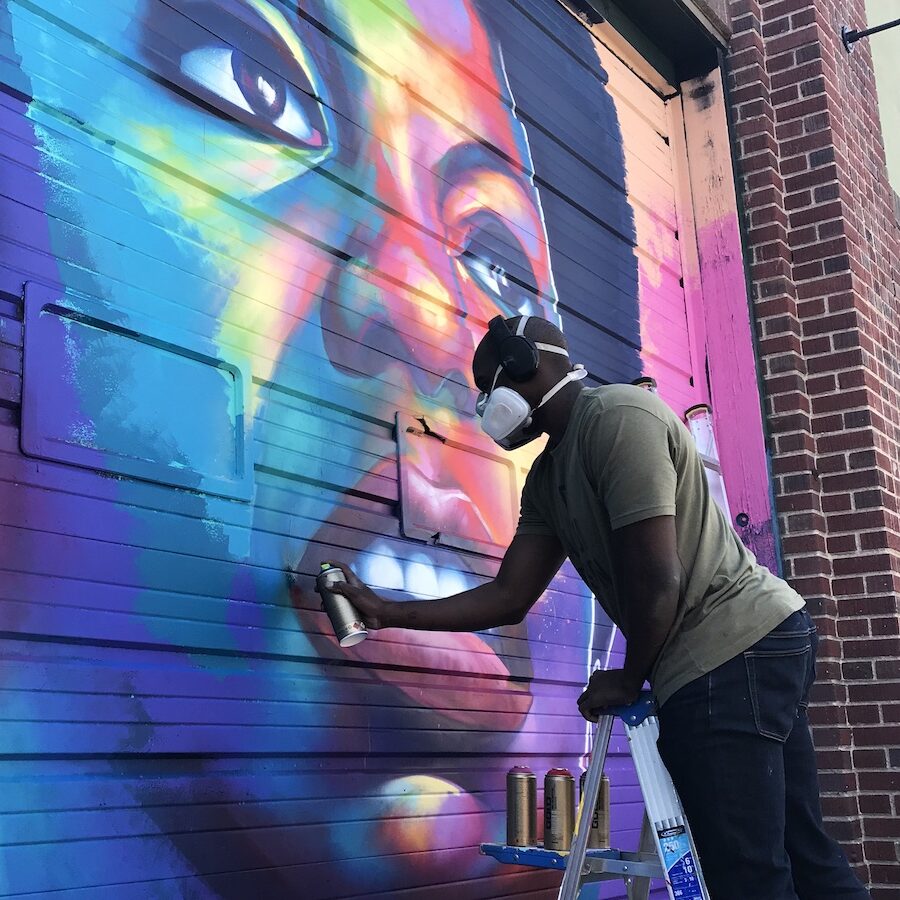
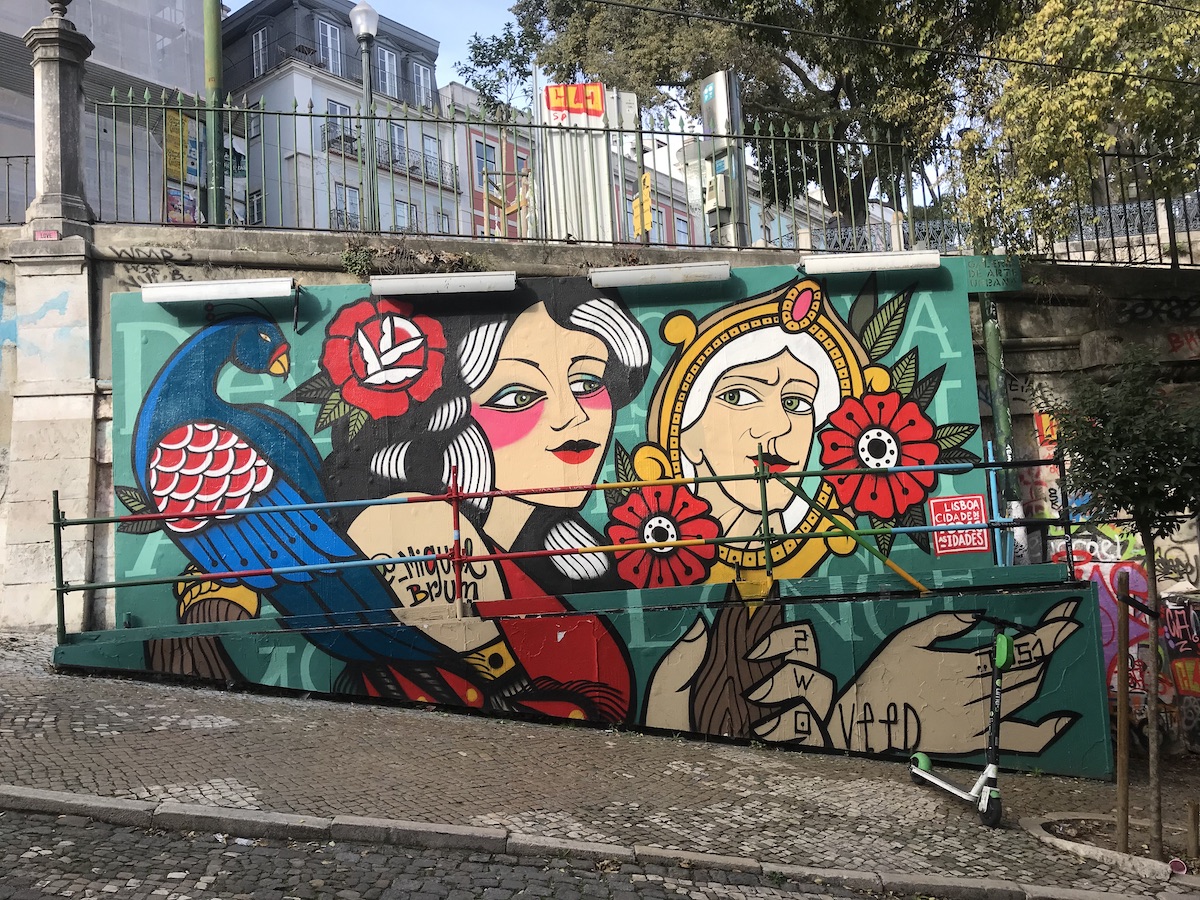
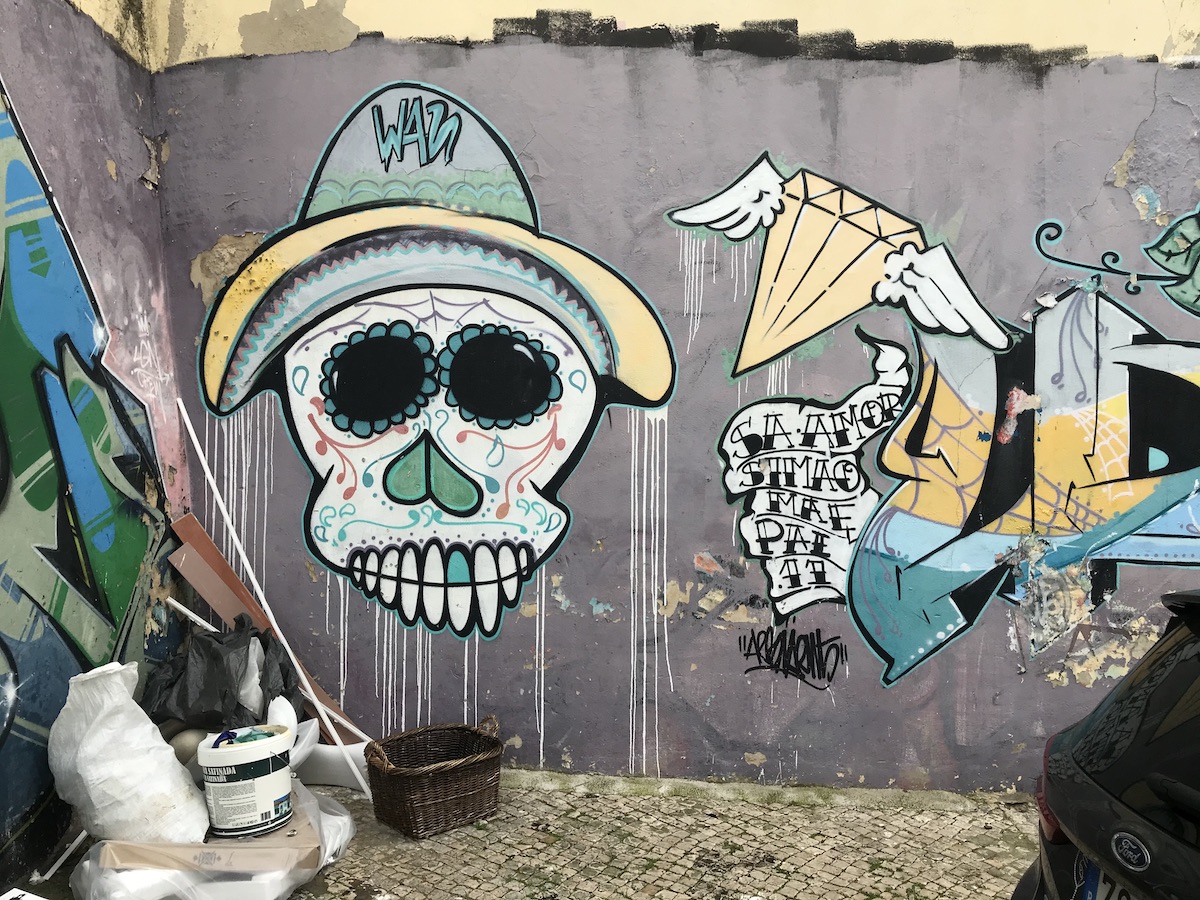
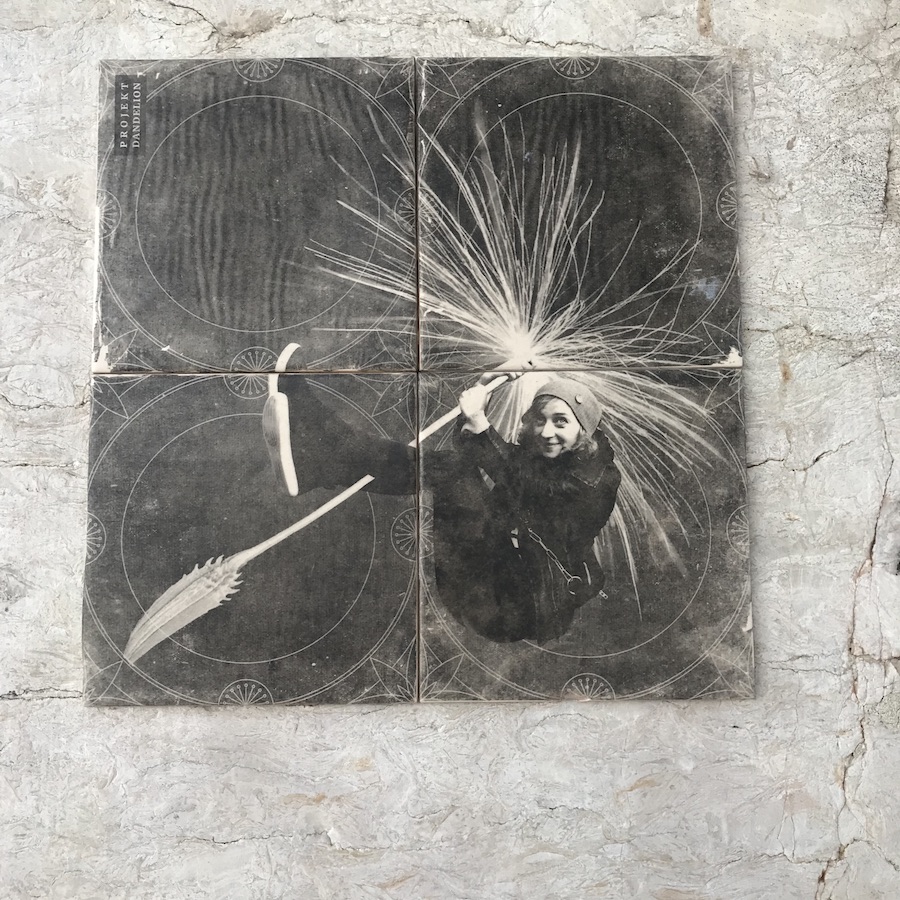
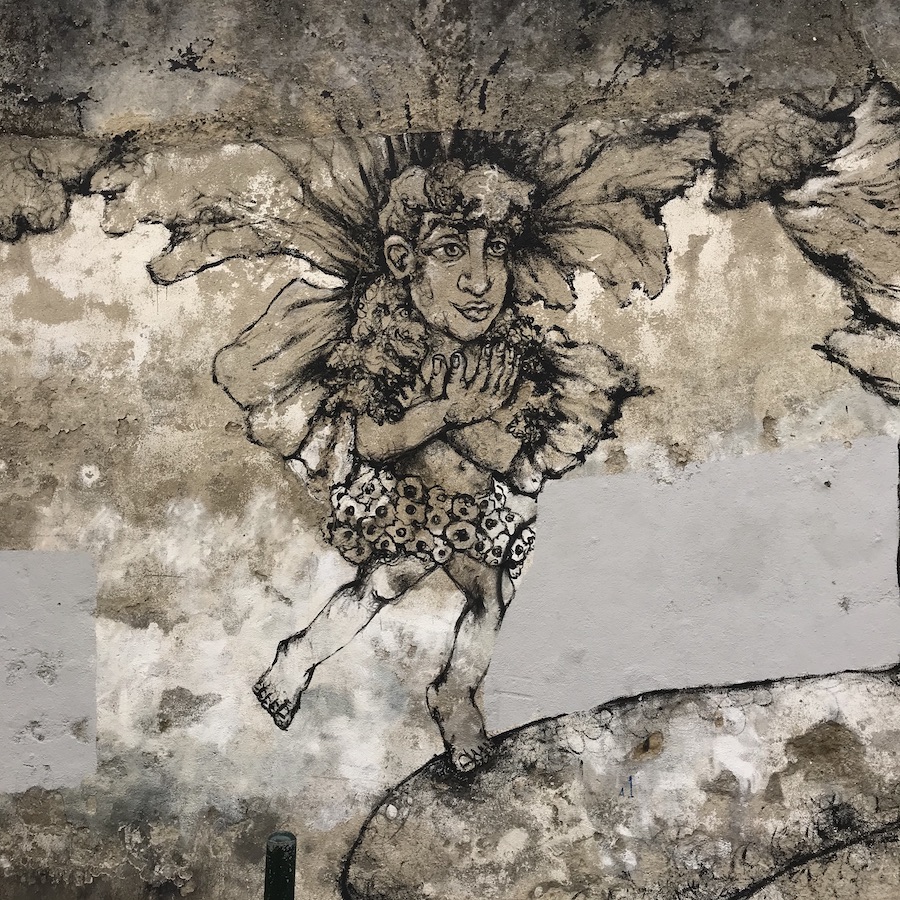
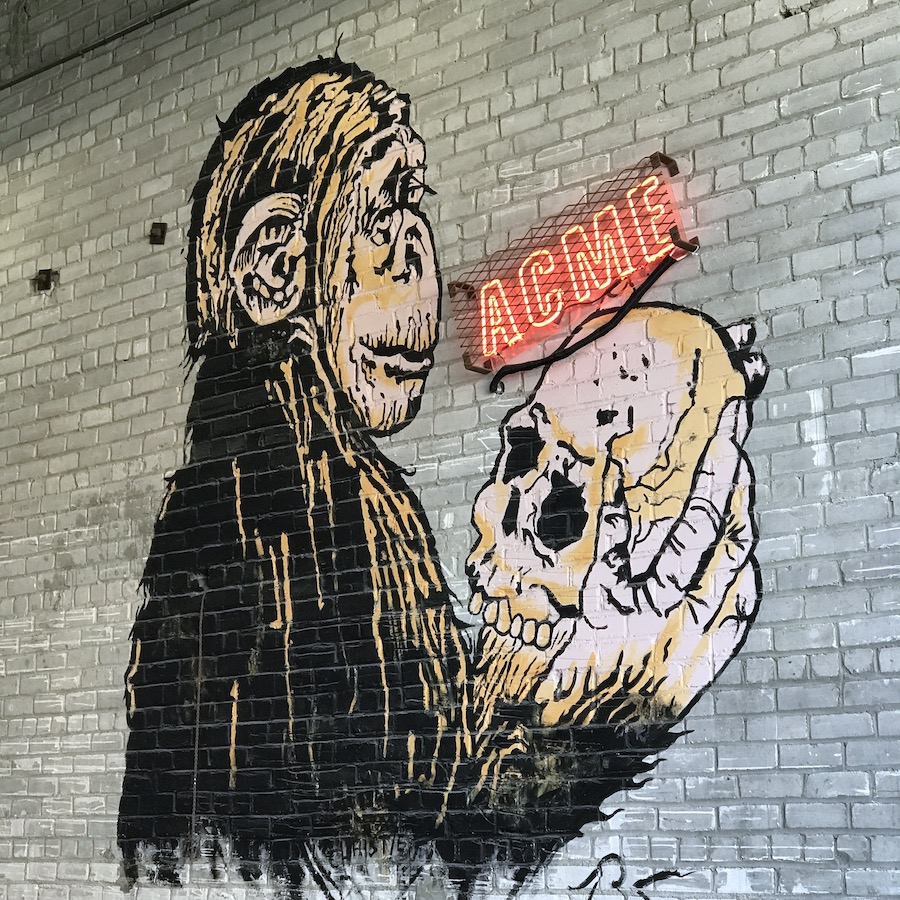
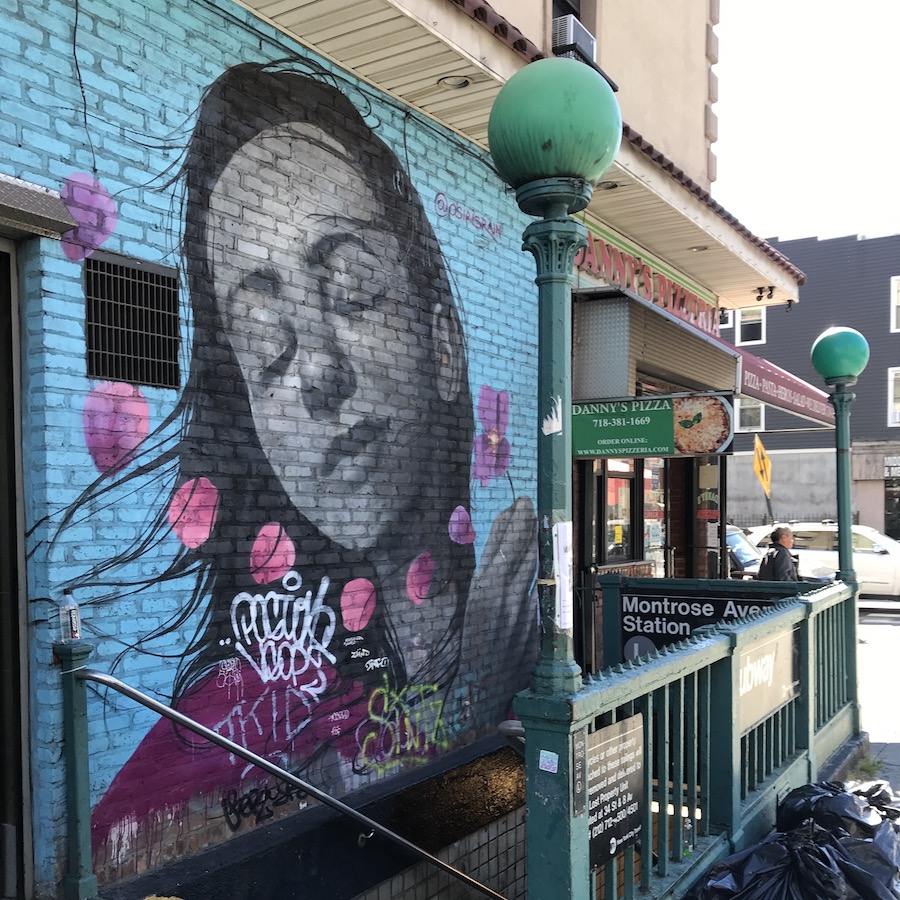
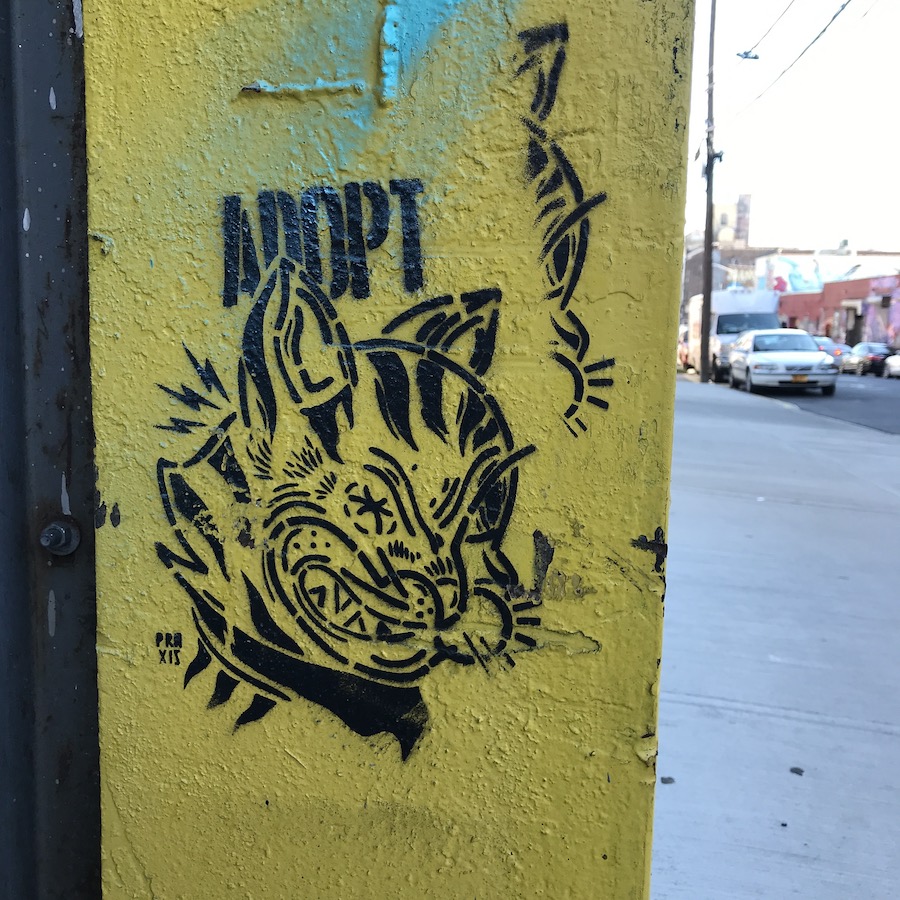
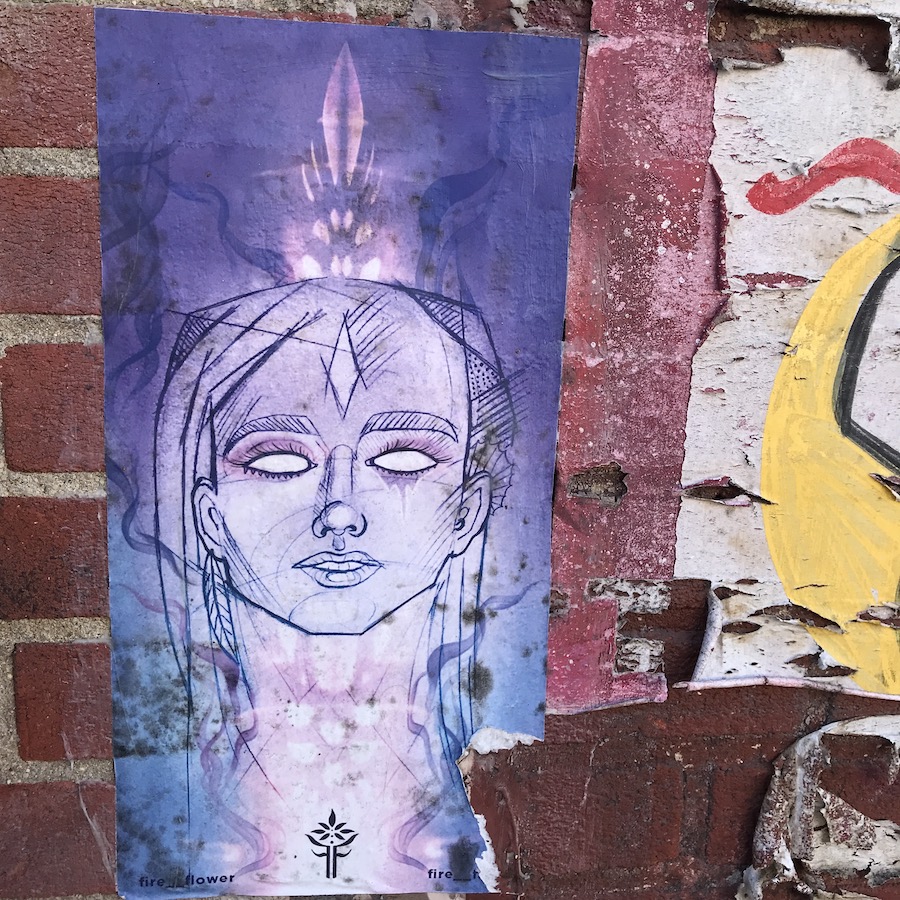
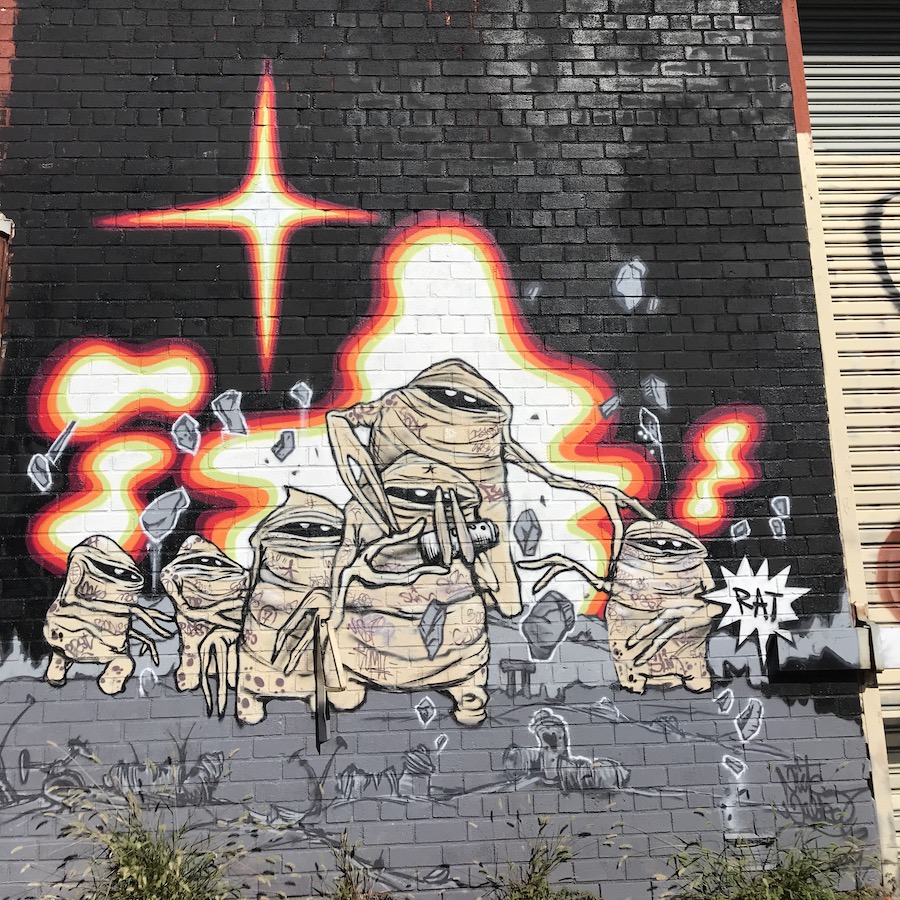
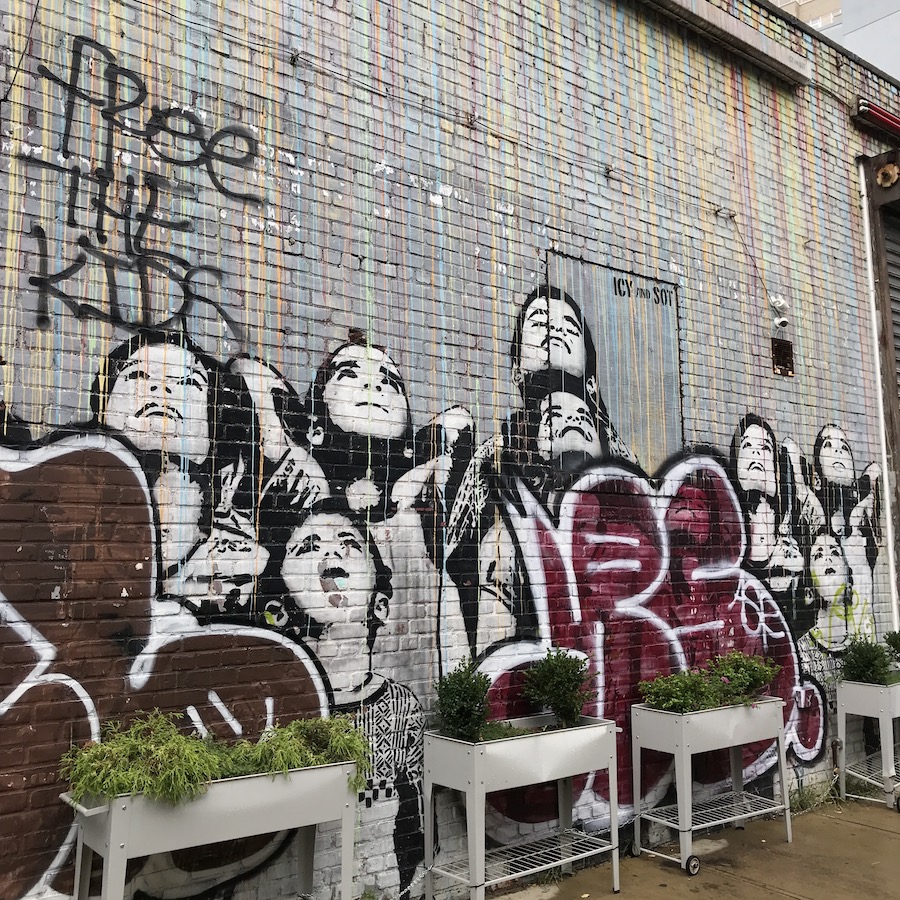
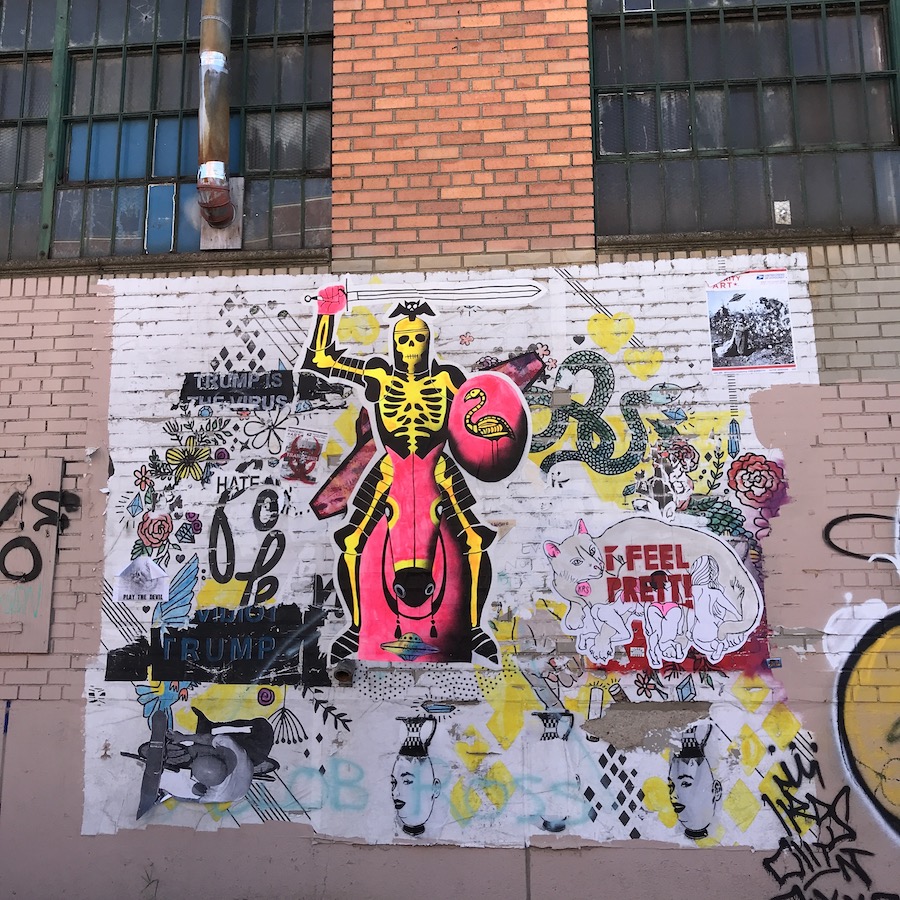
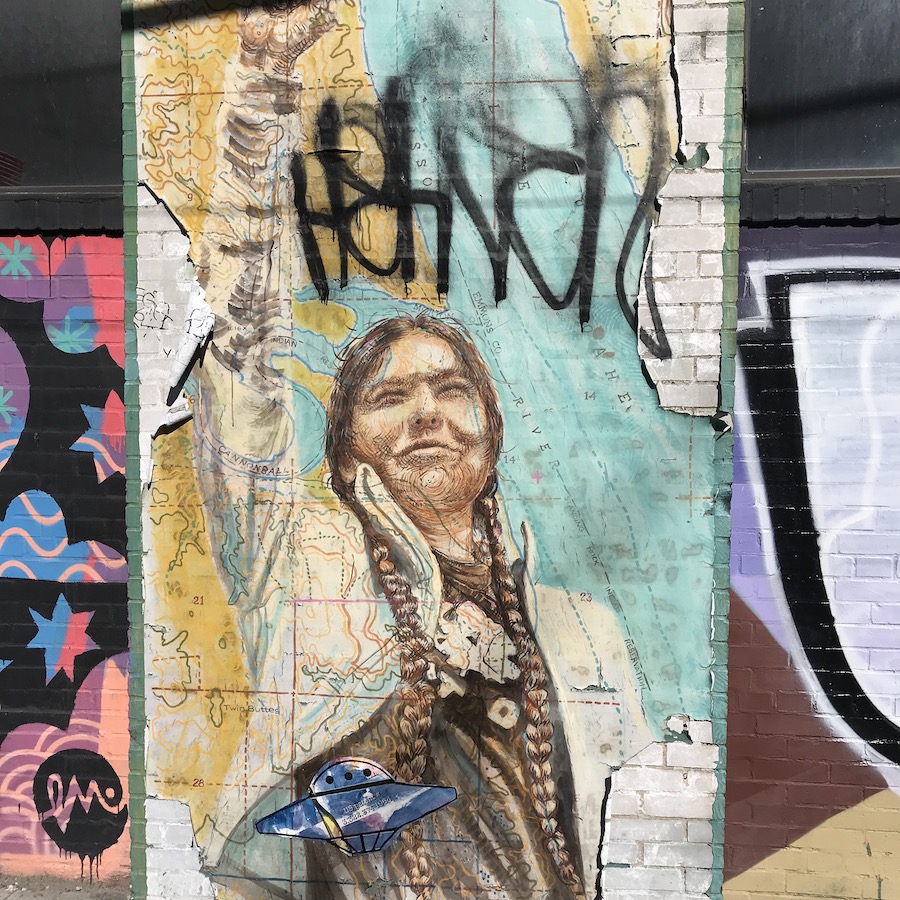
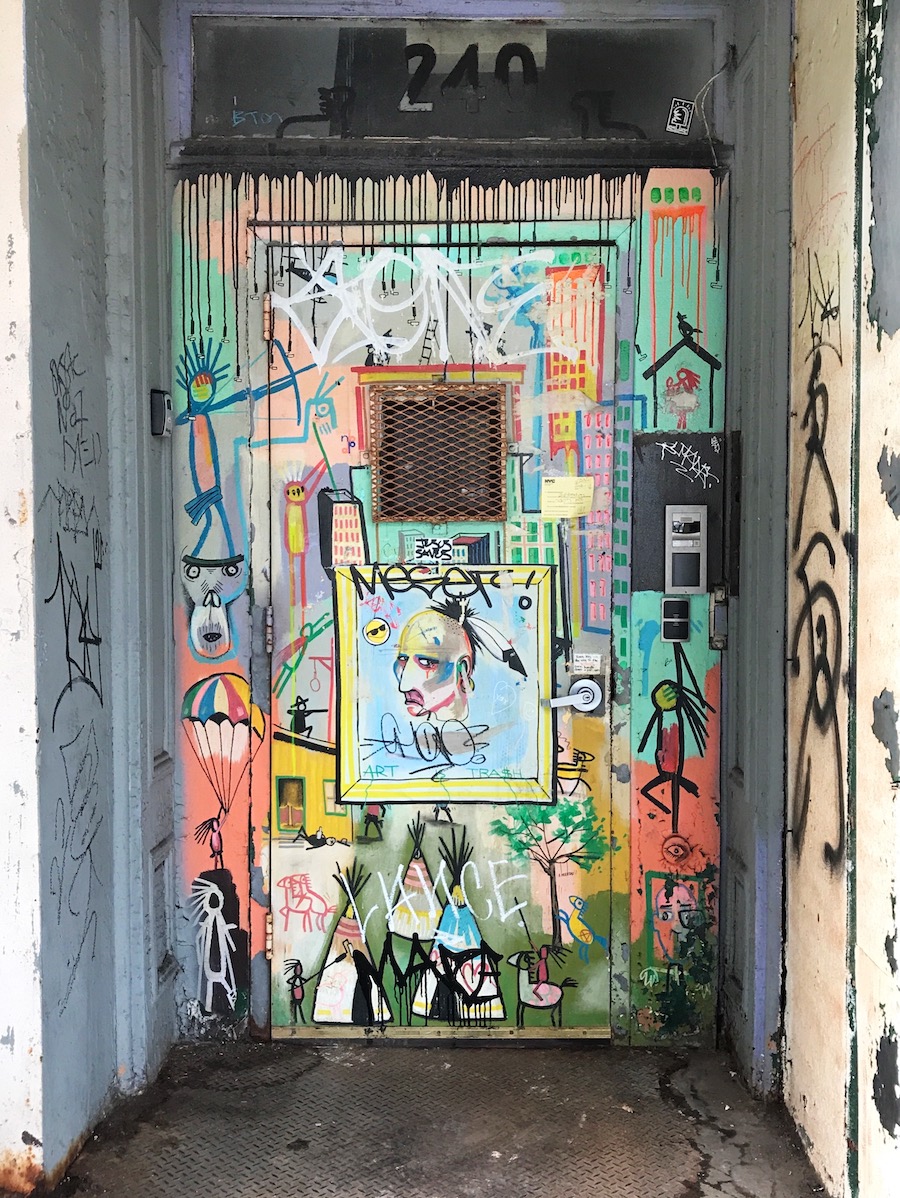
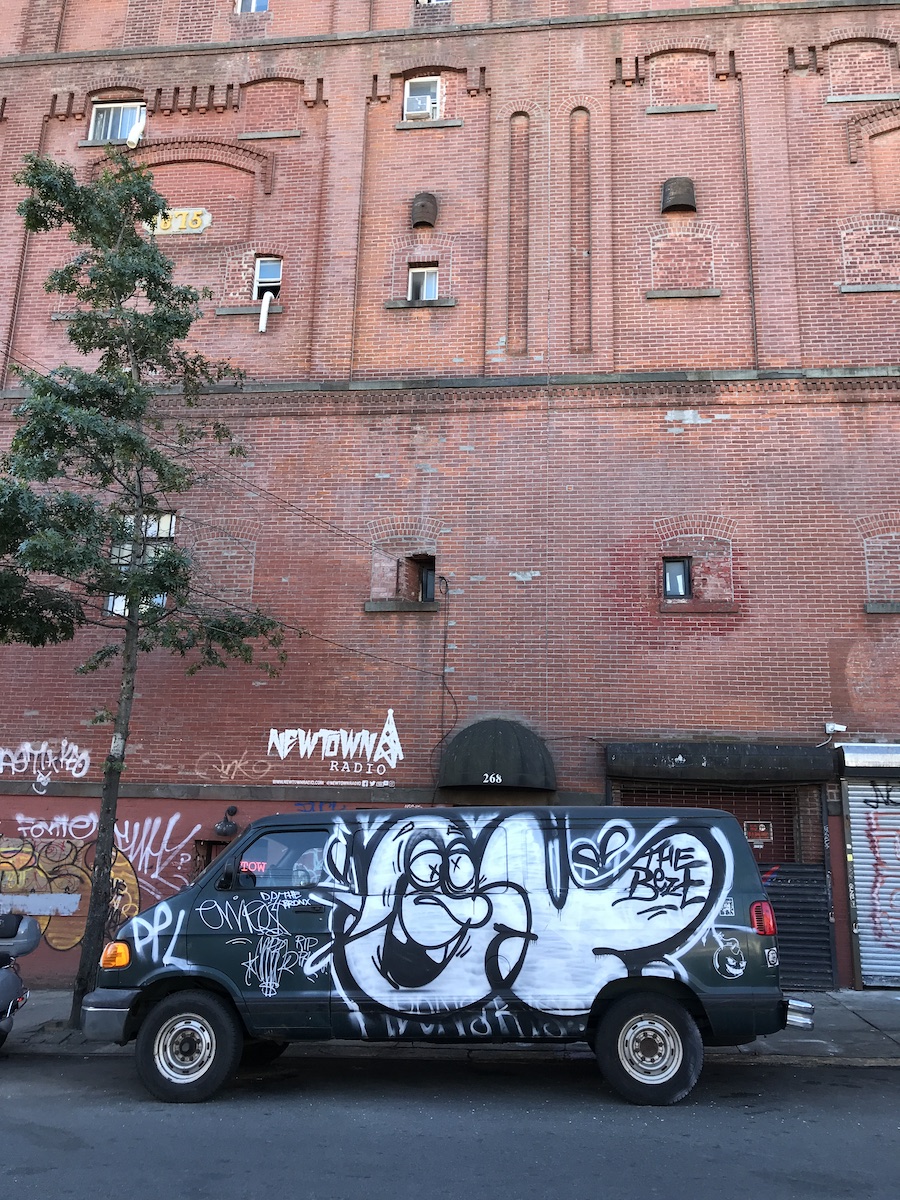
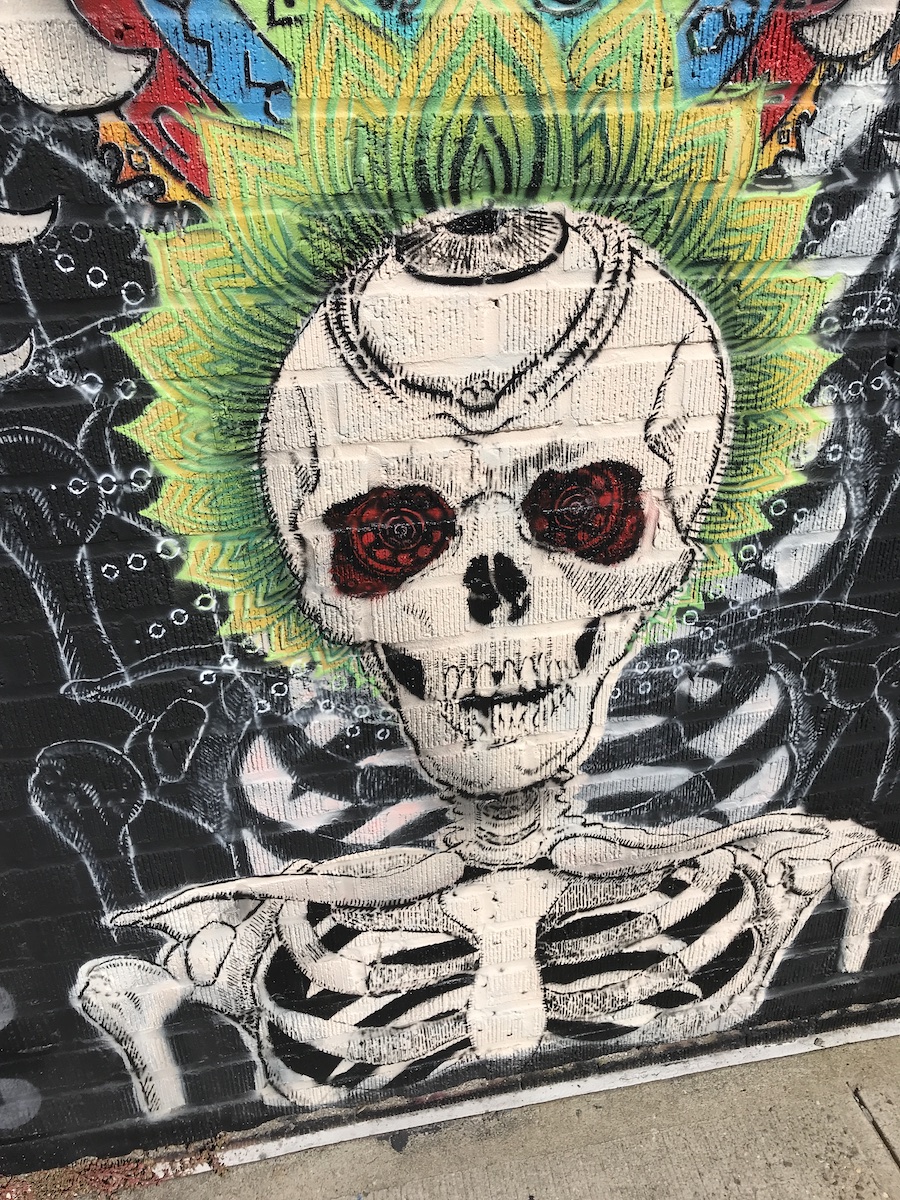
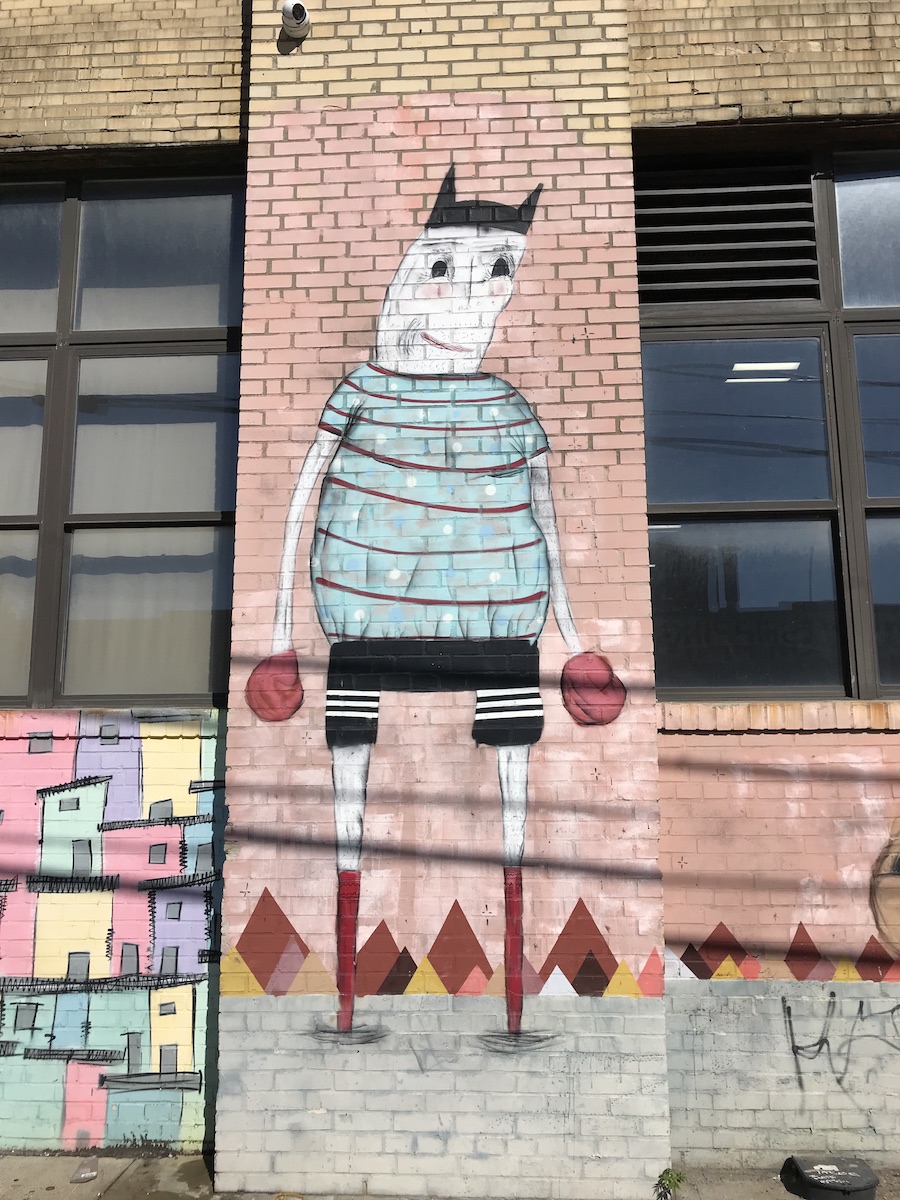
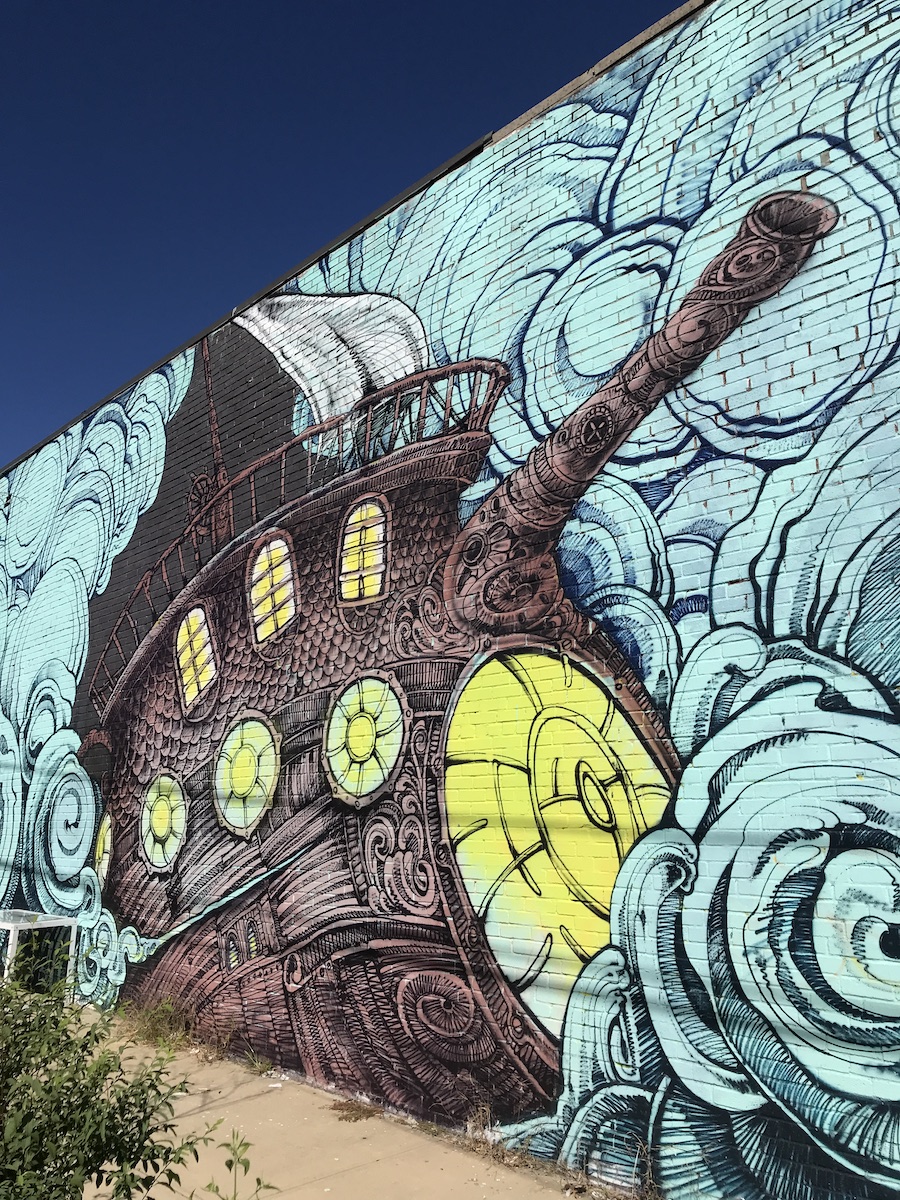
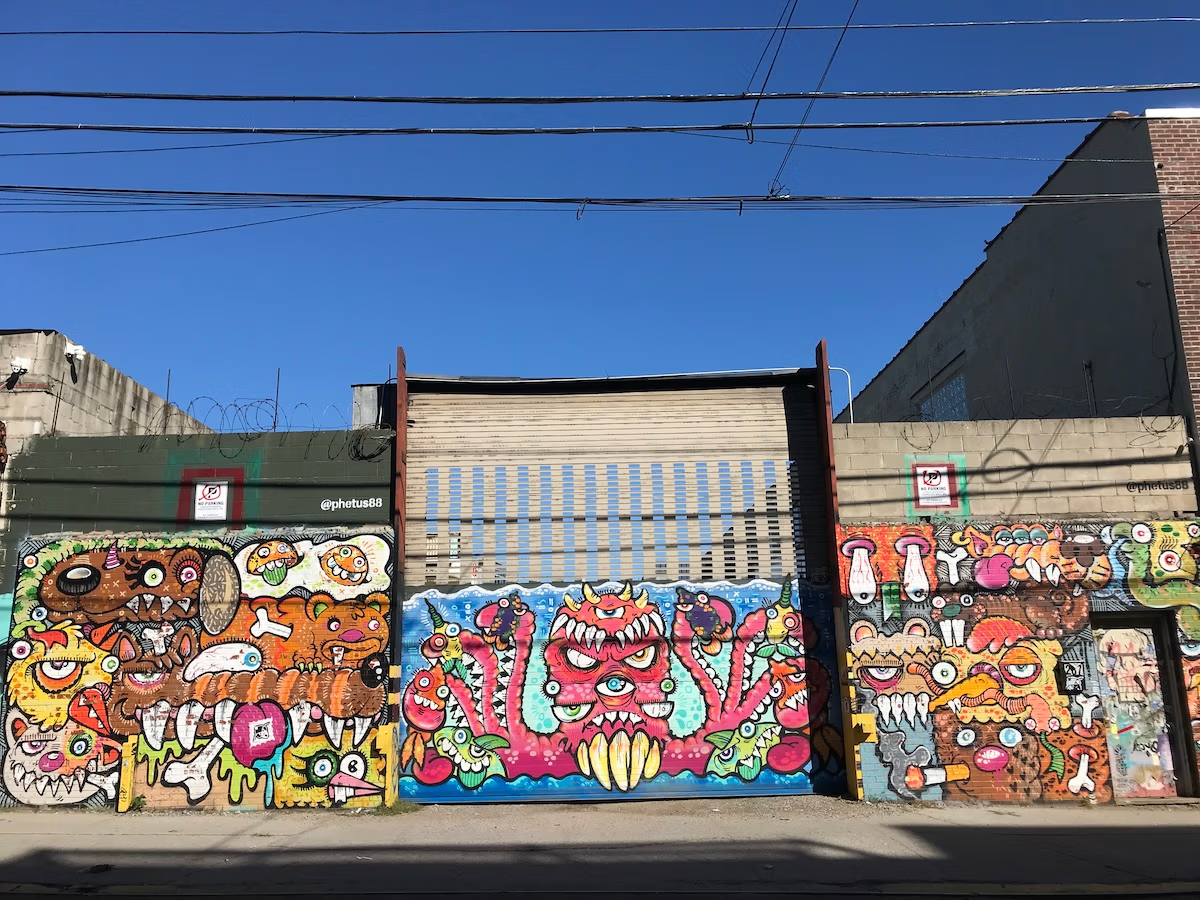
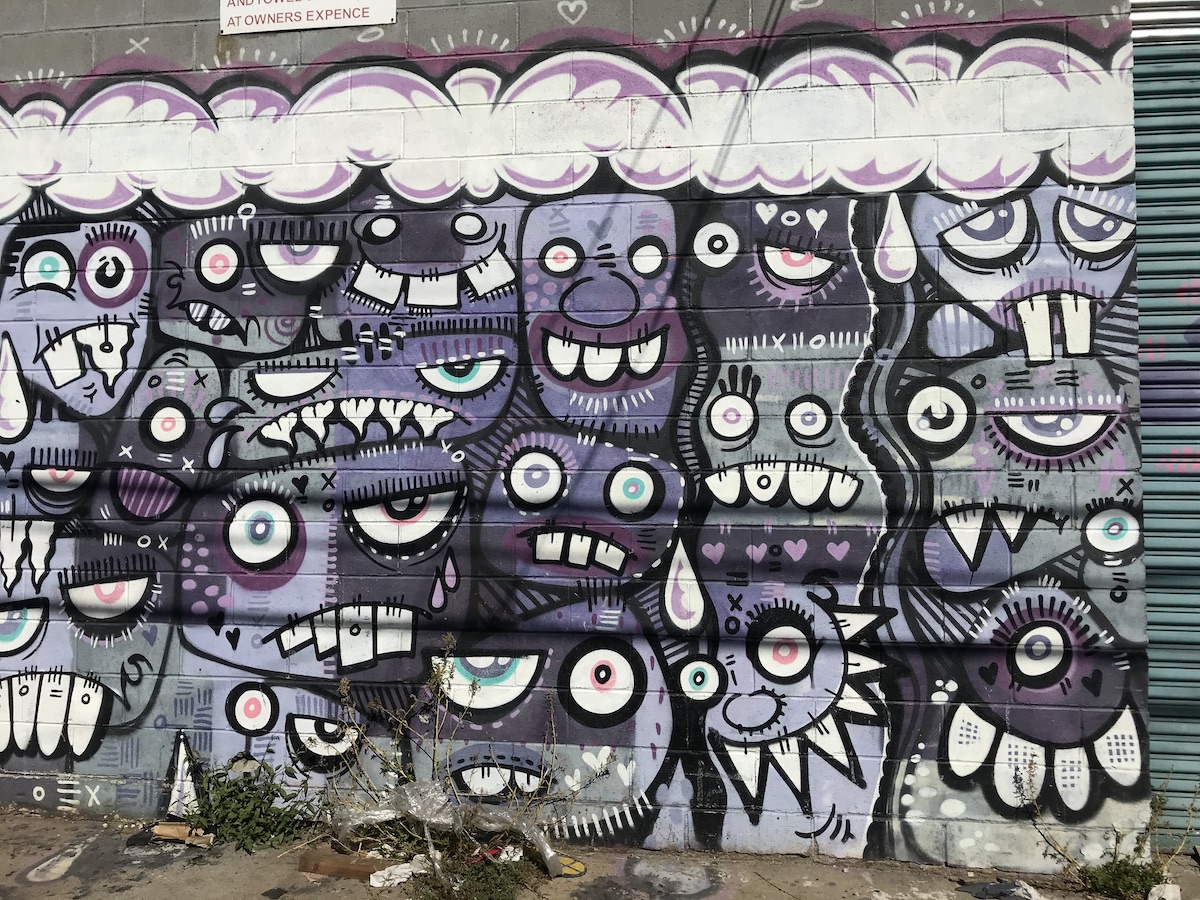
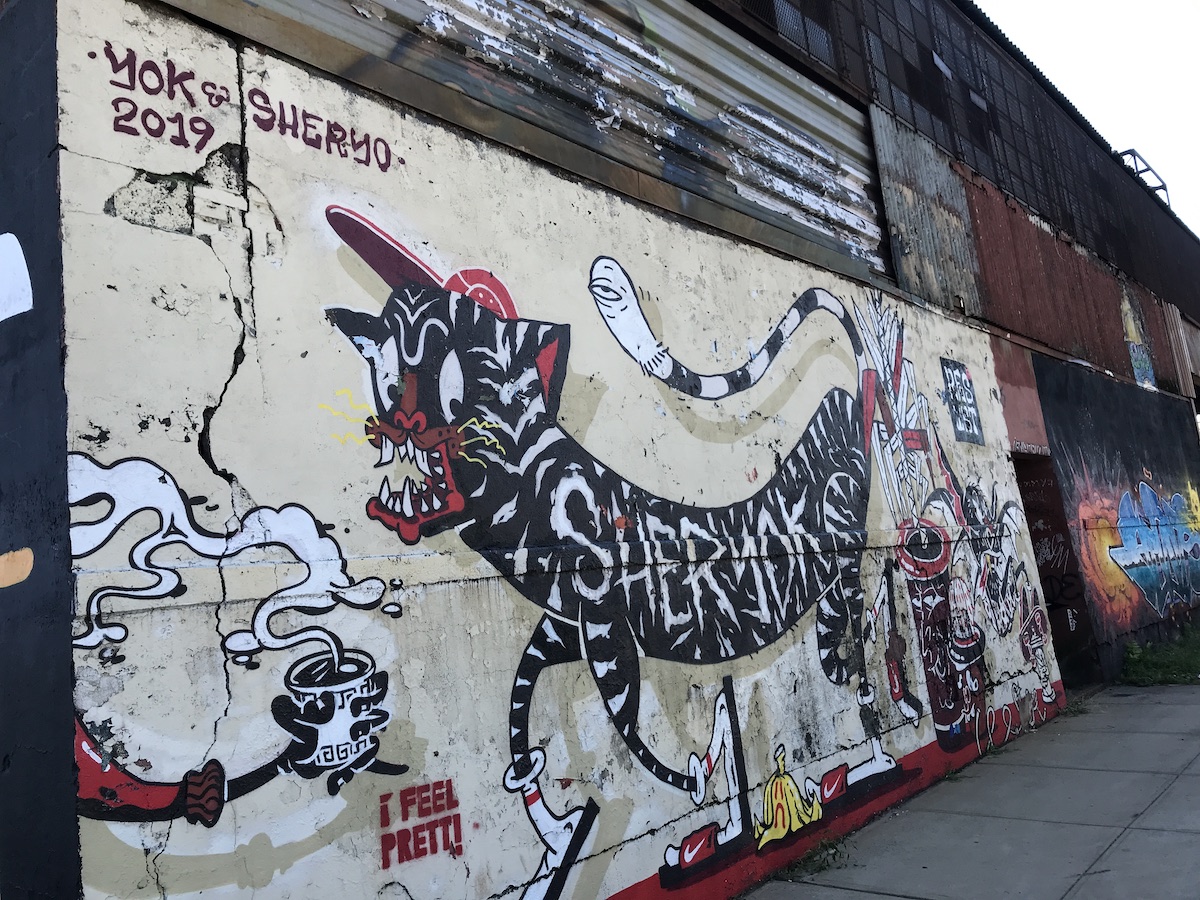
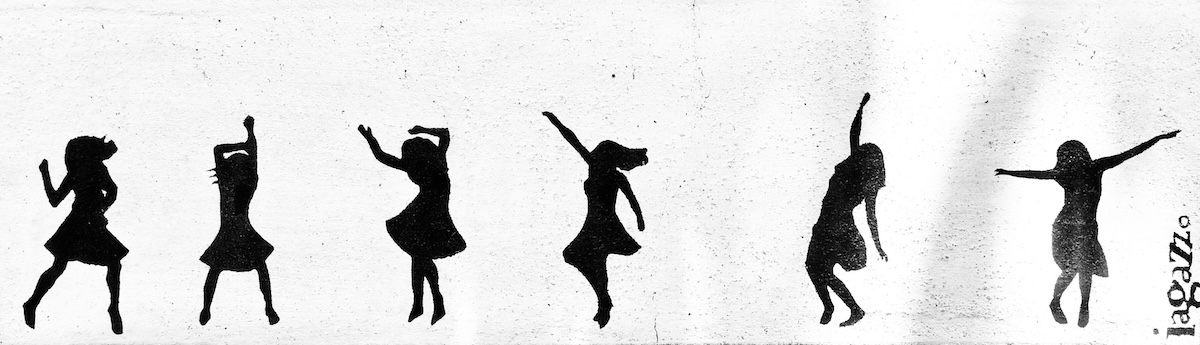
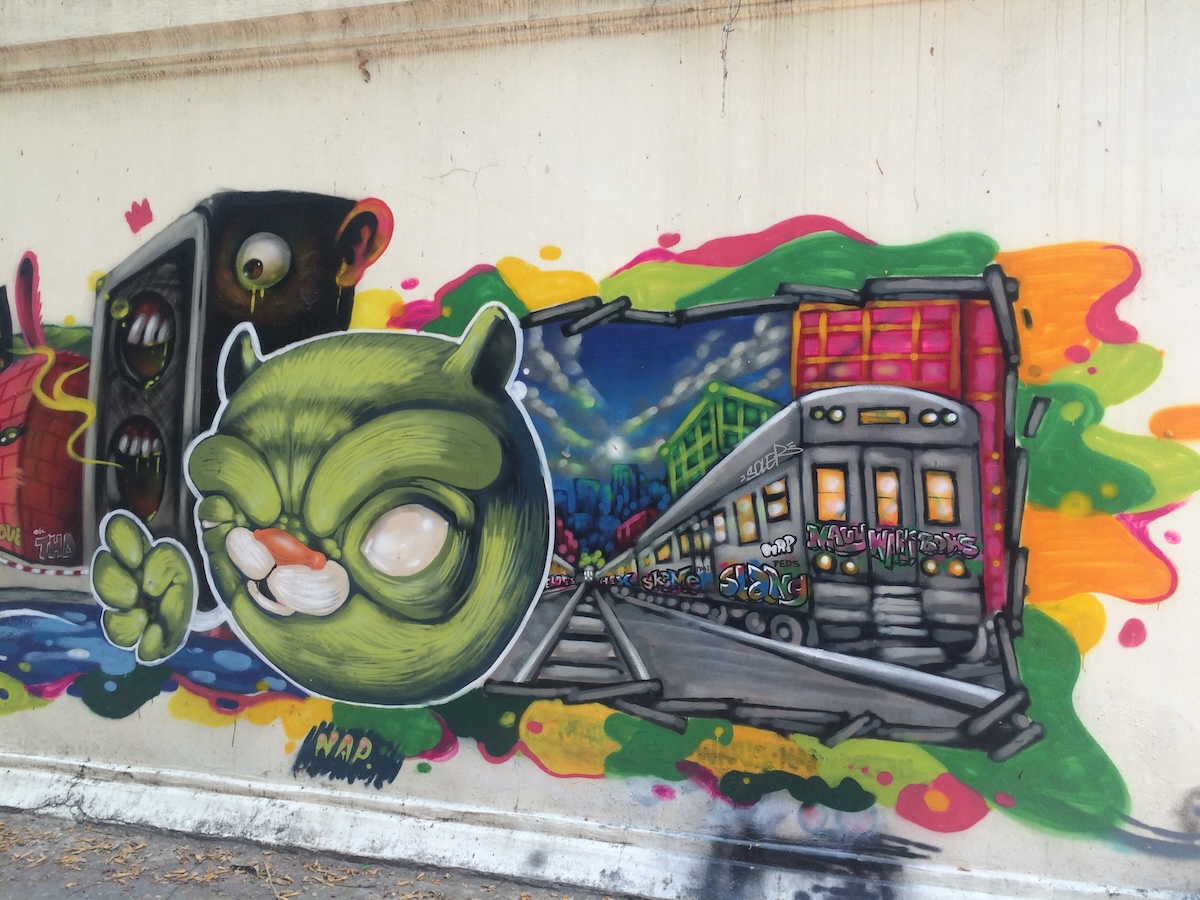
One of my favorite activities while traveling is exploring the street art. When I land in a metropolis I often look for street art tours. They never disappoint by not only uncovering stories about the art, the artists and the history of a place but also giving you a walk through of the city. In Lisbon my guide actually was studying graffiti and personally knew some of the artists and the how and why of their art. Some cities have planned out specific areas for artists to paint their murals on the walls e.g. Denver, while other cities or neighborhoods you have to search for the graffiti that is covering old walls, brightening neighborhoods, making political points, or showcasing the artists talent. In Belgrade I constantly was running into these black and white painted portraits which inspired me to find out more. Here is a photo journal of my favorite graffiti around the world. I hope you enjoy! Please drop a comment on murals you’ve seen, artists you know or hidden gems I may be missing.
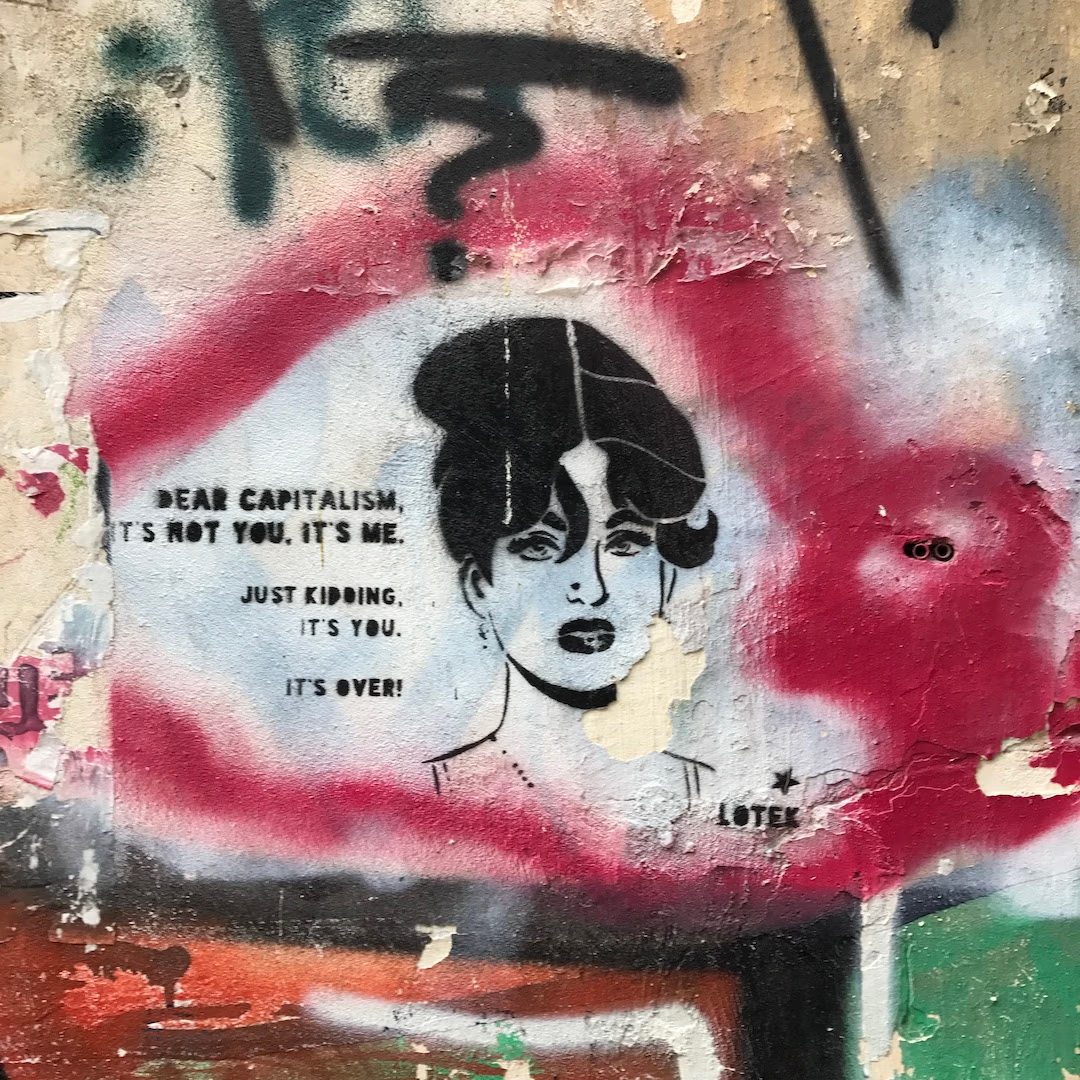
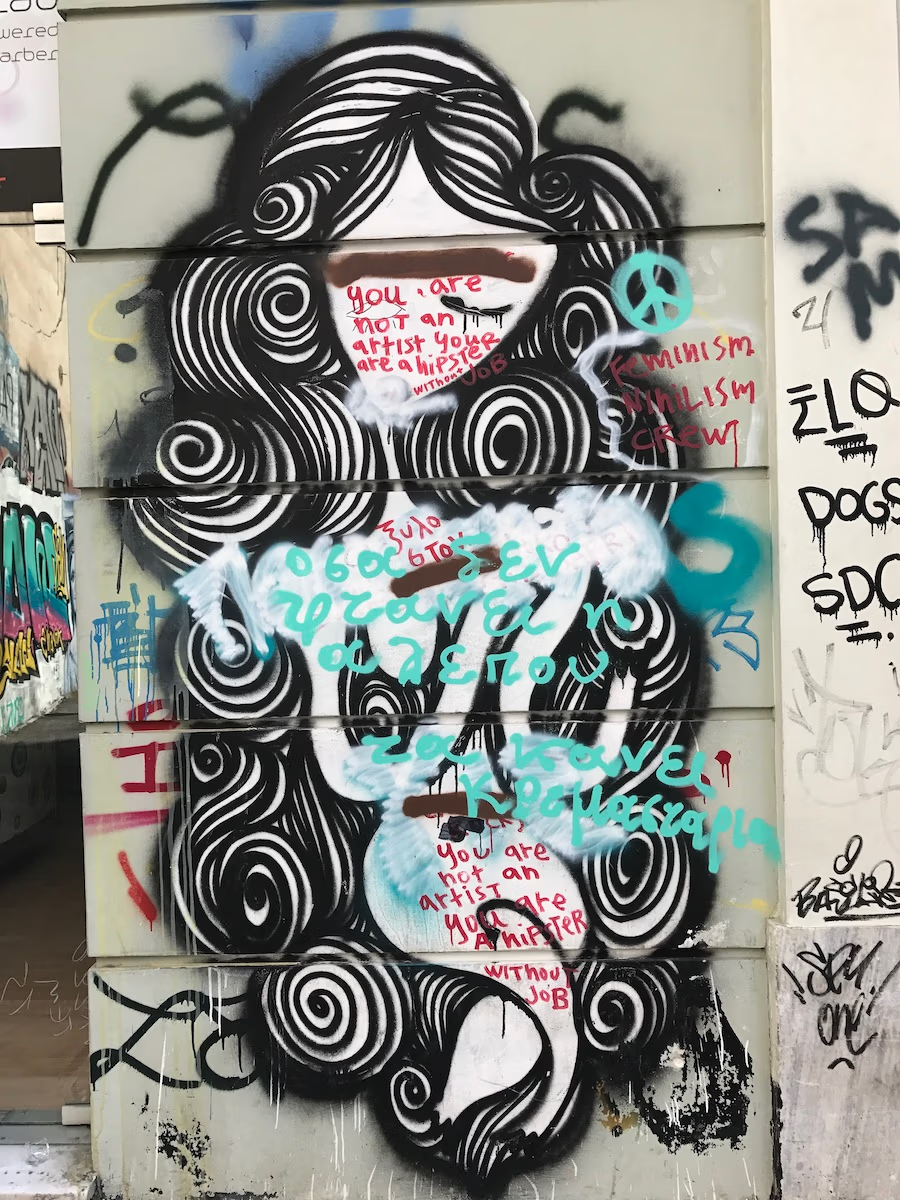
'You are not an artist, you are a hipster without a job!' - Anonymous
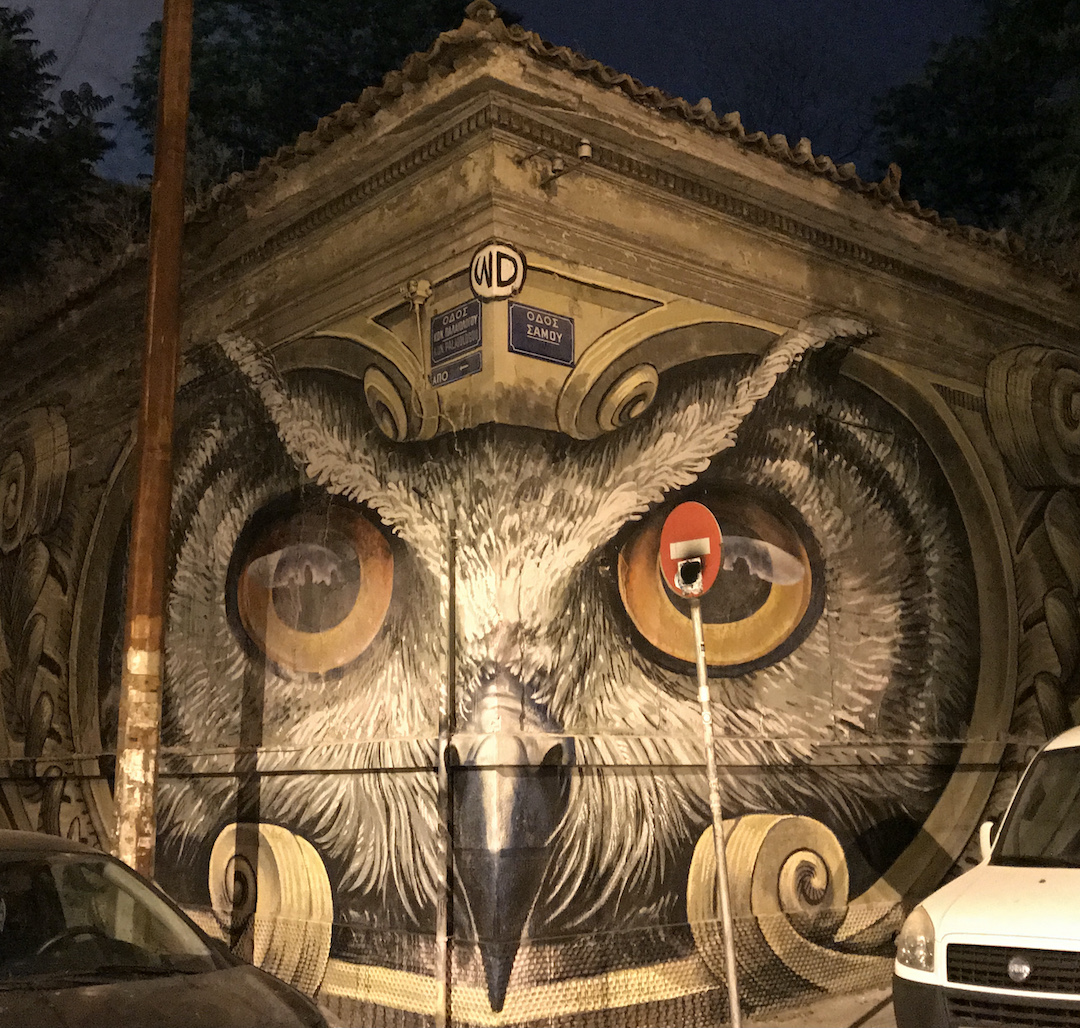
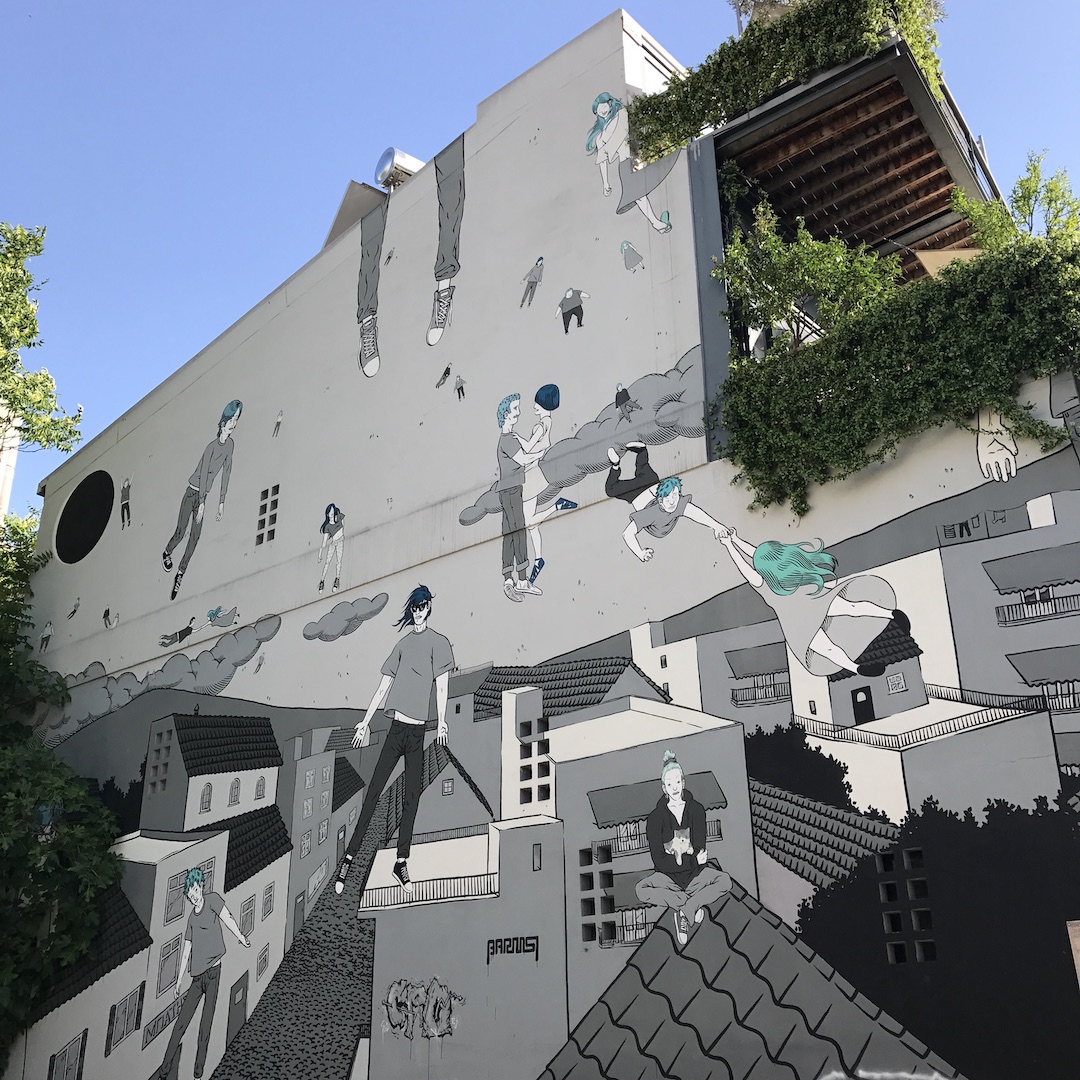
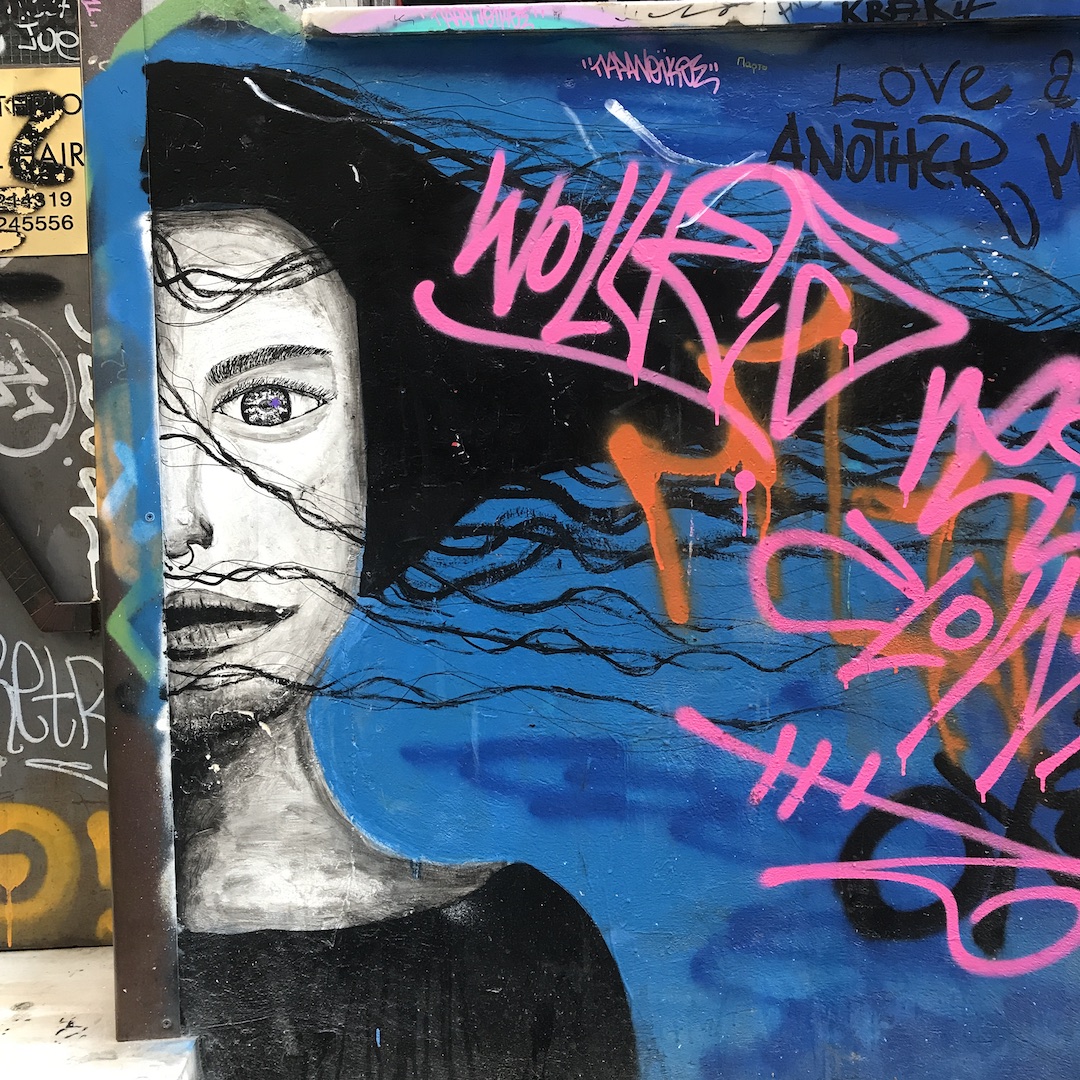
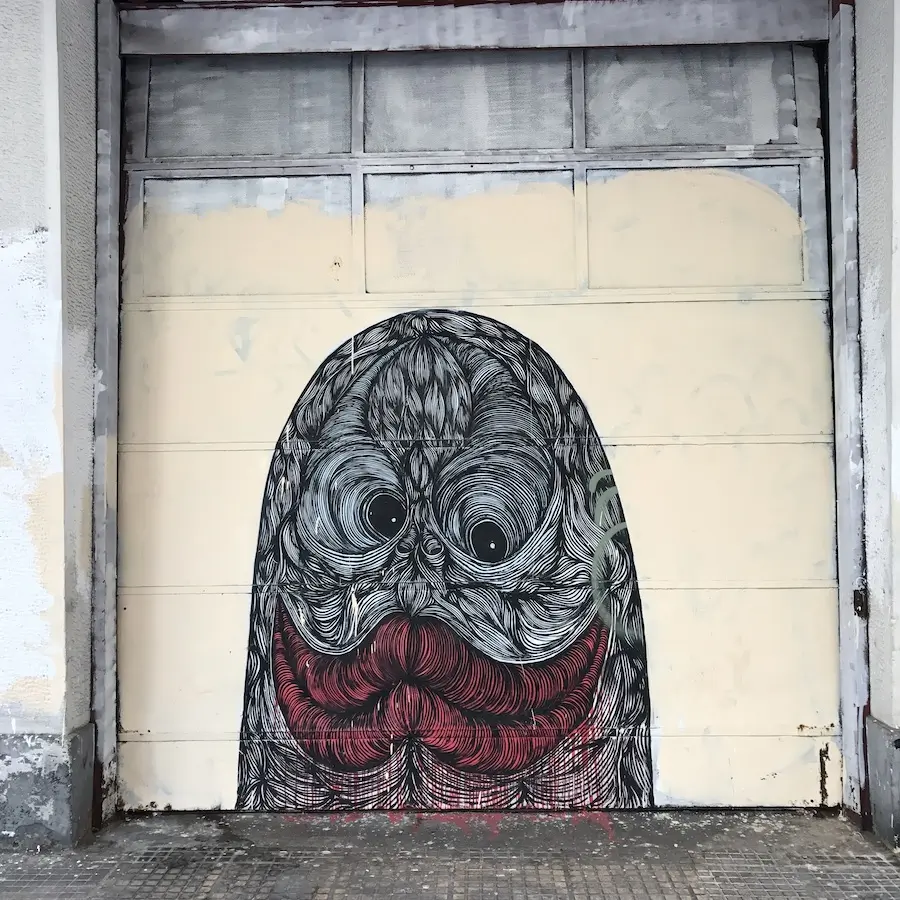
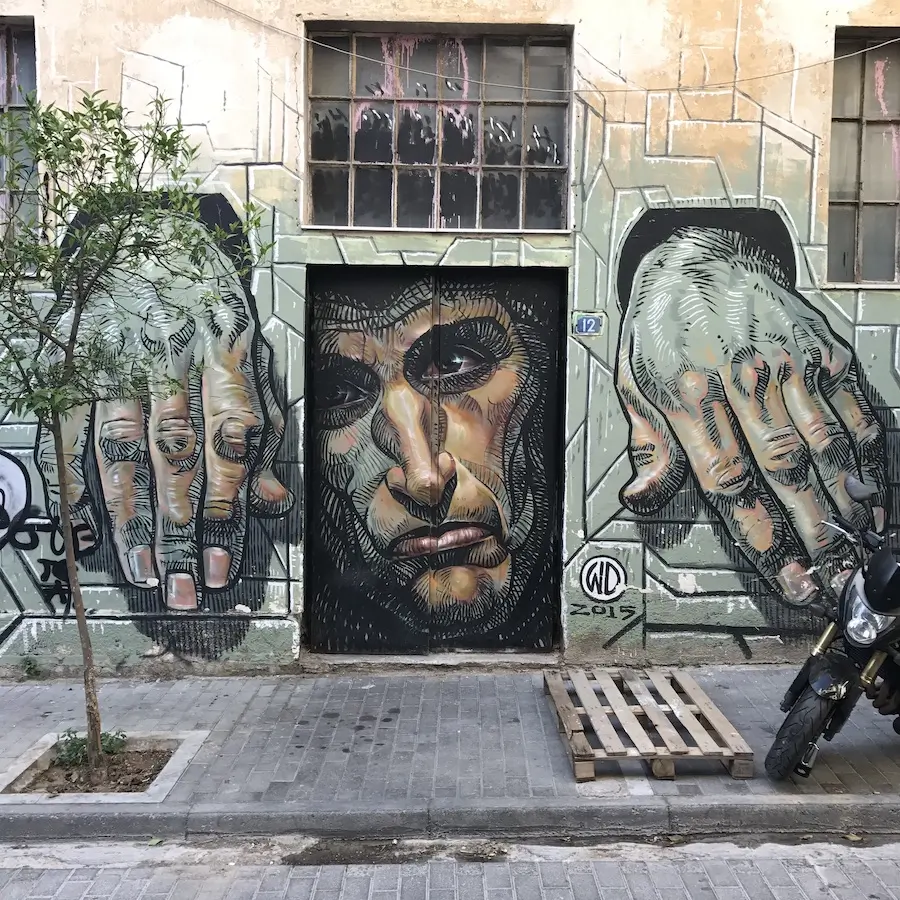
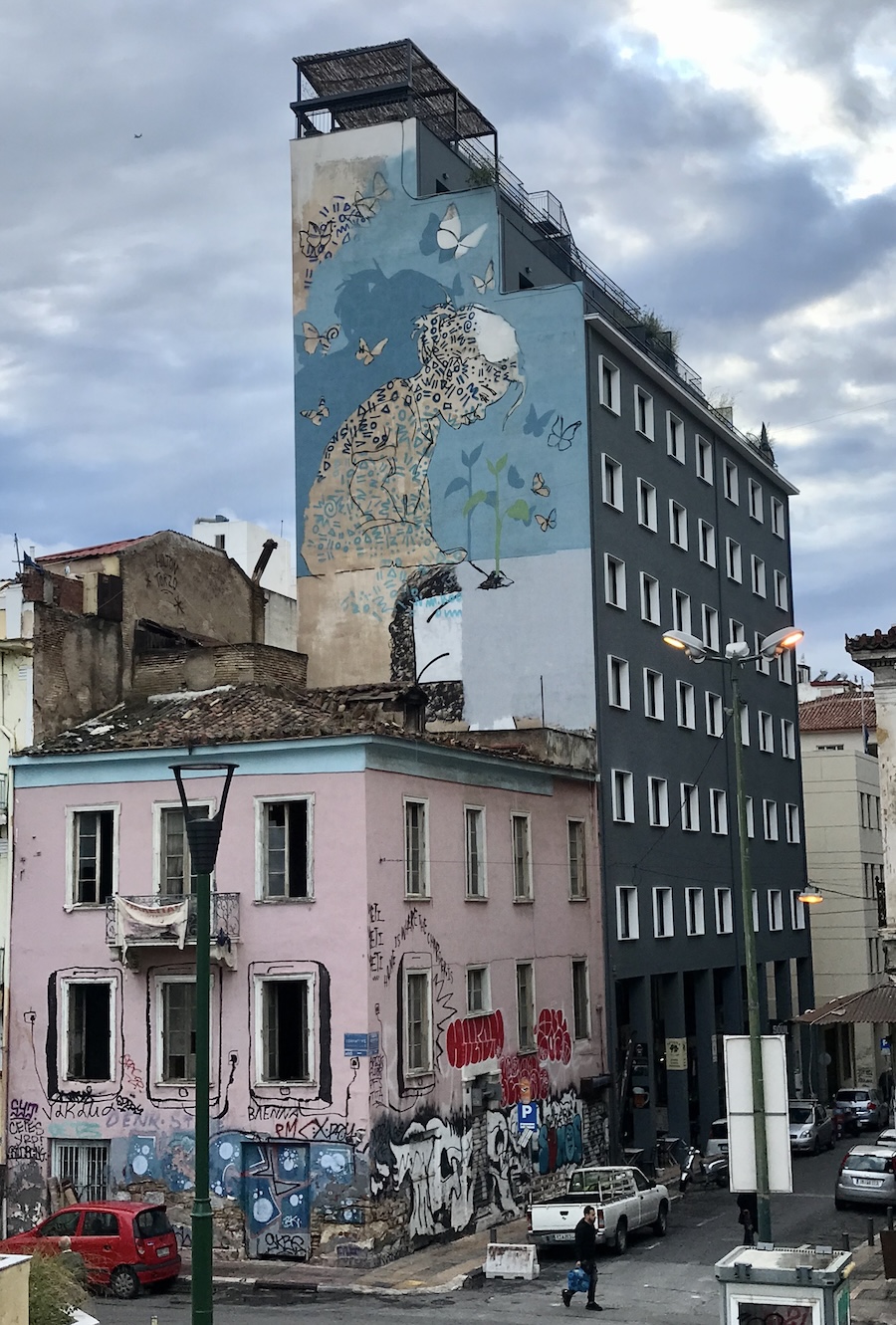
Surprise! Athens has a vibrant street art scenes that I was not expecting. Not only that but graffiti and the word graffiti has ancient roots. ‘Graffiti’ comes from the Greek word ‘graphi’ which means to write. In the popular area of Psiri in Athens immediately you will notice that the walls are covered with both scribbles, tags and significant murals. You can walk around ancient sites like the Acropolis and then meander over to modern Athens to check out the street art, restaurants and open markets.
'Knowledge speaks - Wisdom listens' mural by street artist WD
This mural was painted in 2010 by the prominent Greek street artist Dimitris Taxis
Click images to enlarge...
I Hear You
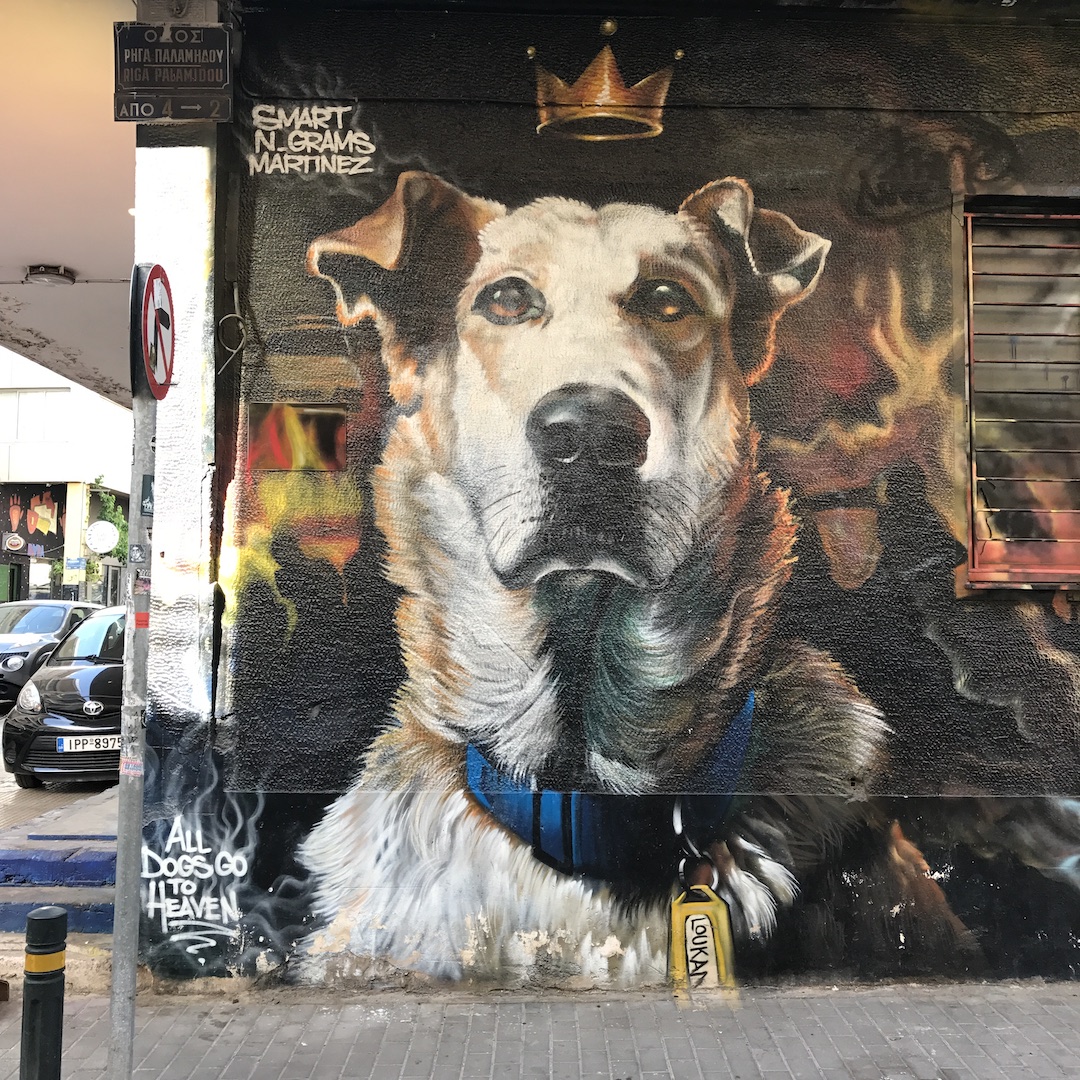
Vasilis Gryparis’ All Dogs Go to Heaven
Superman mural by Vasmou
A defaced mural by Sonke
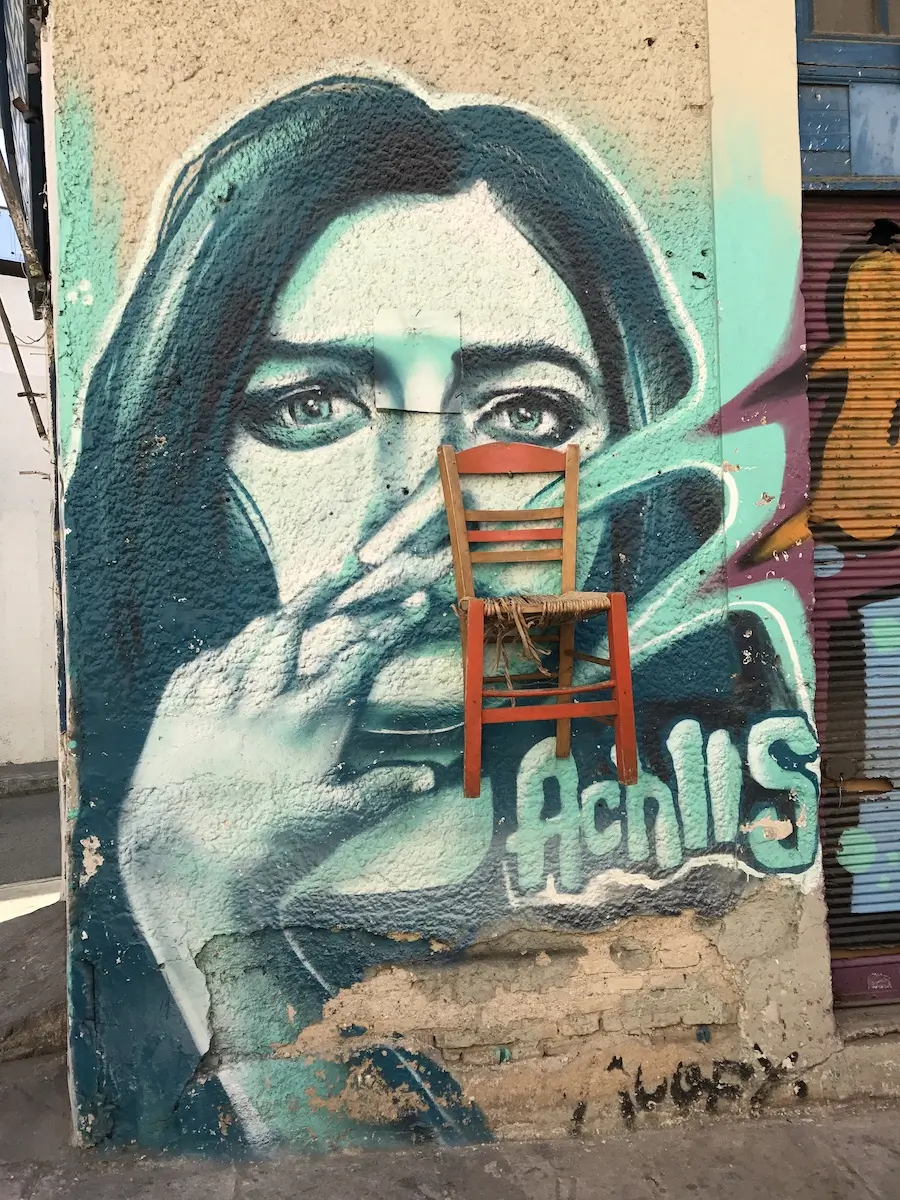
Achillis
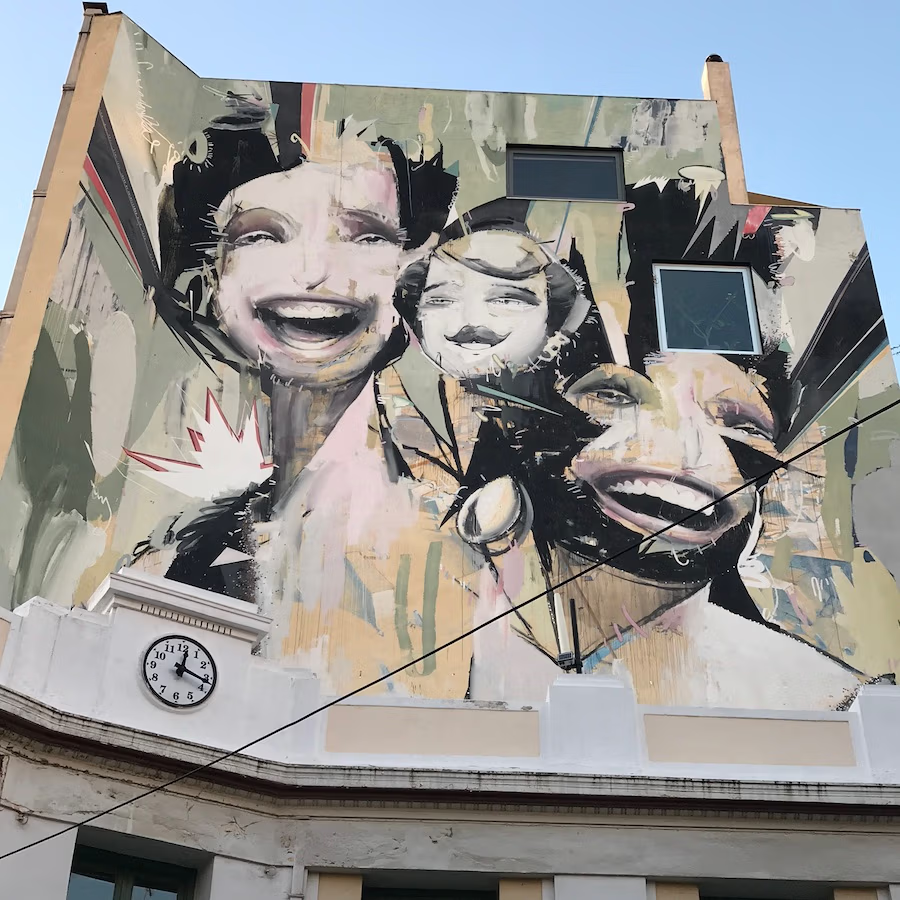
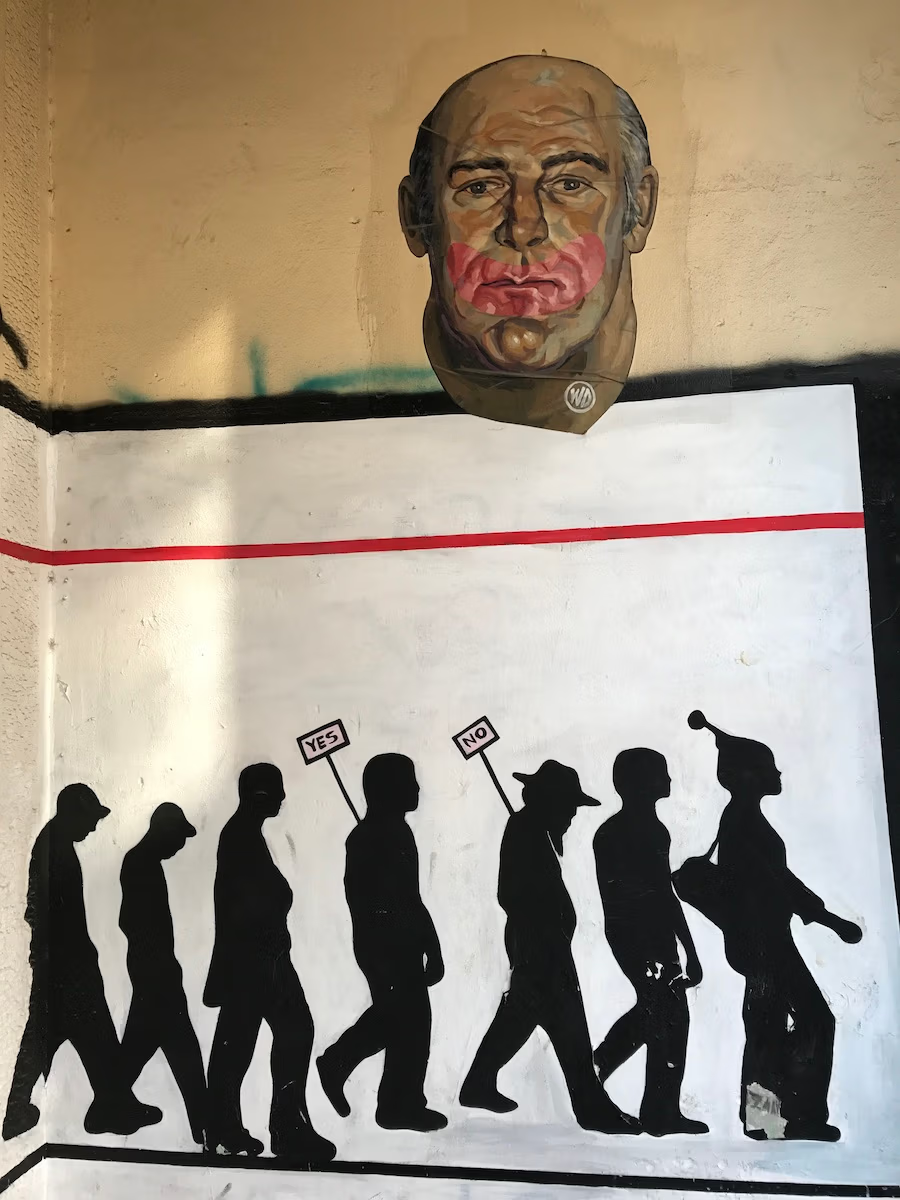
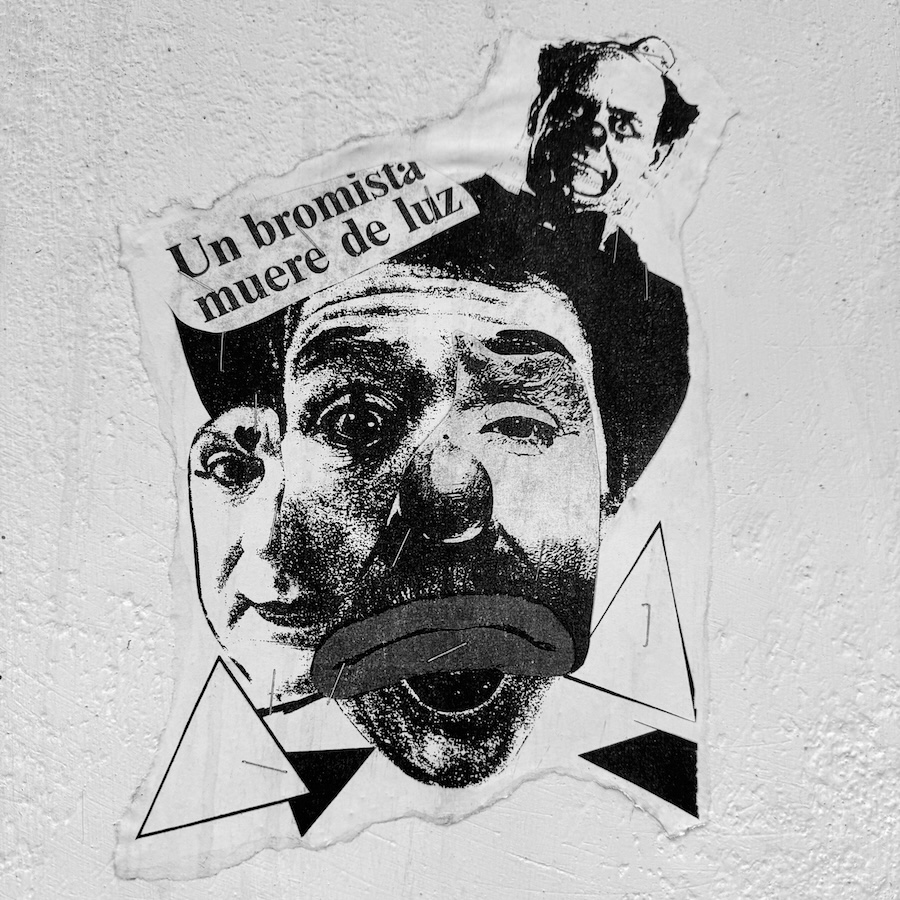
Stop clowning
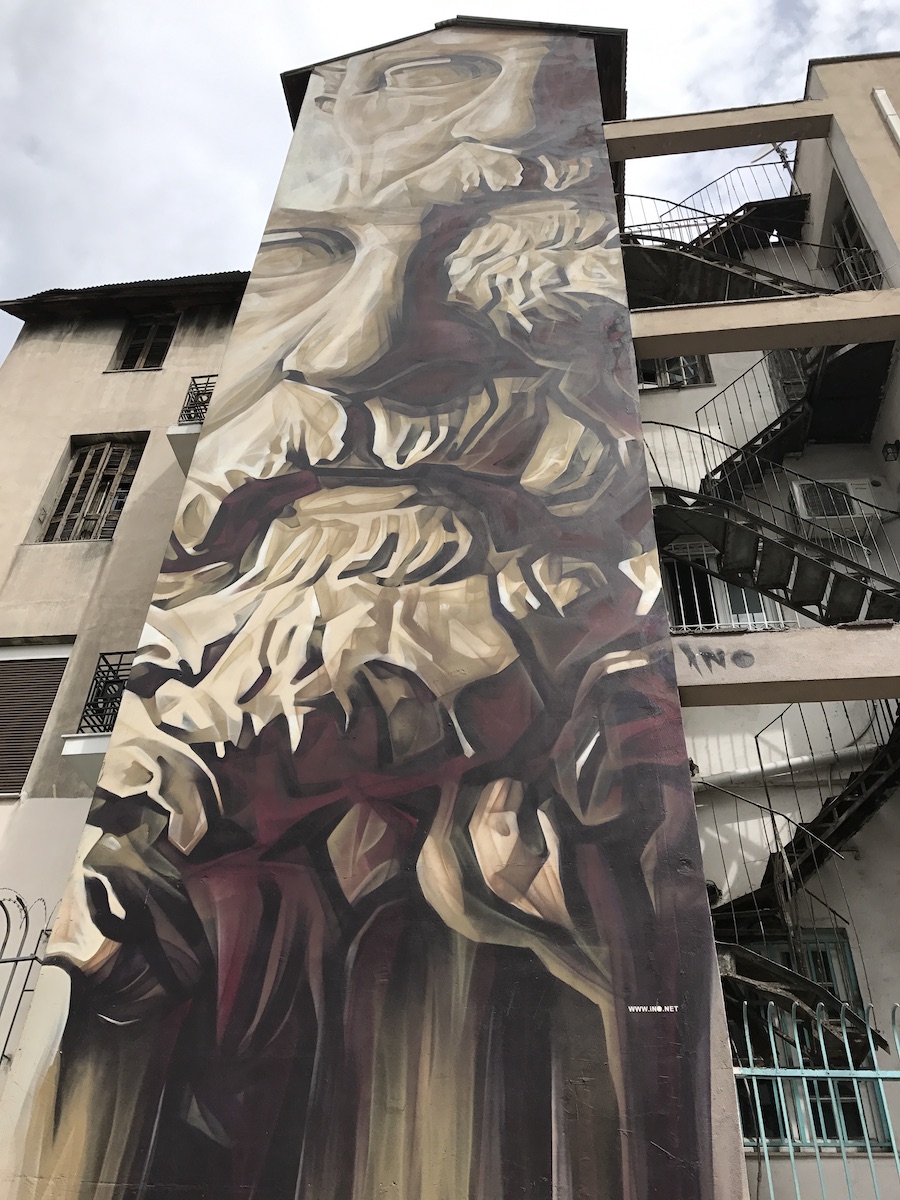
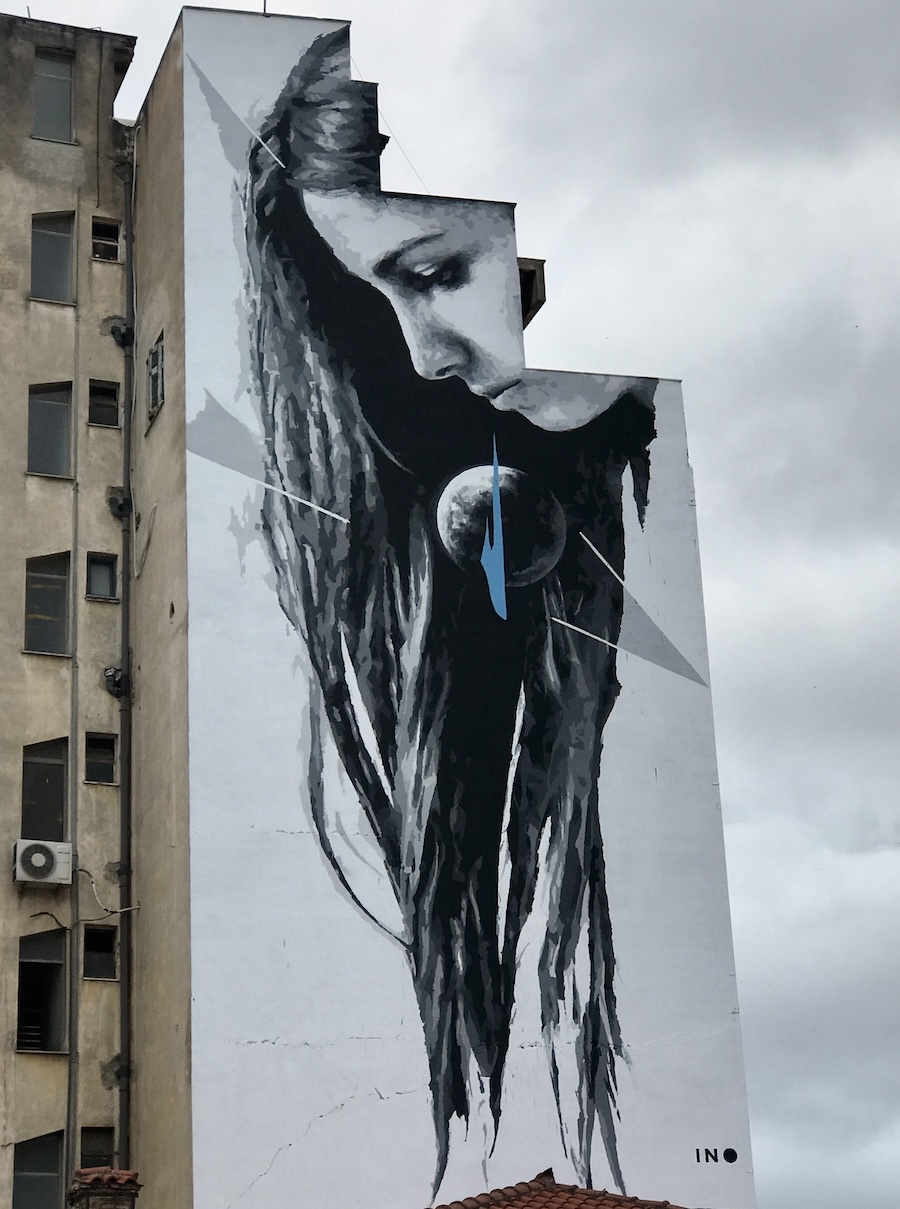
System of a Fraud by iNO
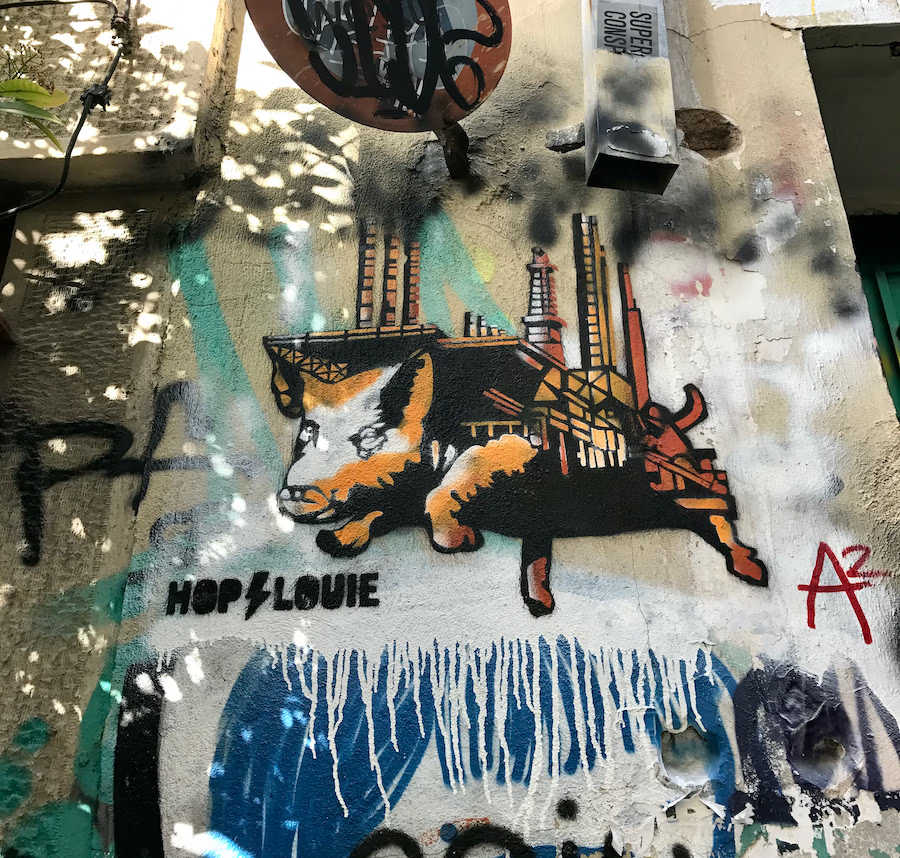
Flying Pig Pollution
Hope Dies Last – WD (Wild Drawings)
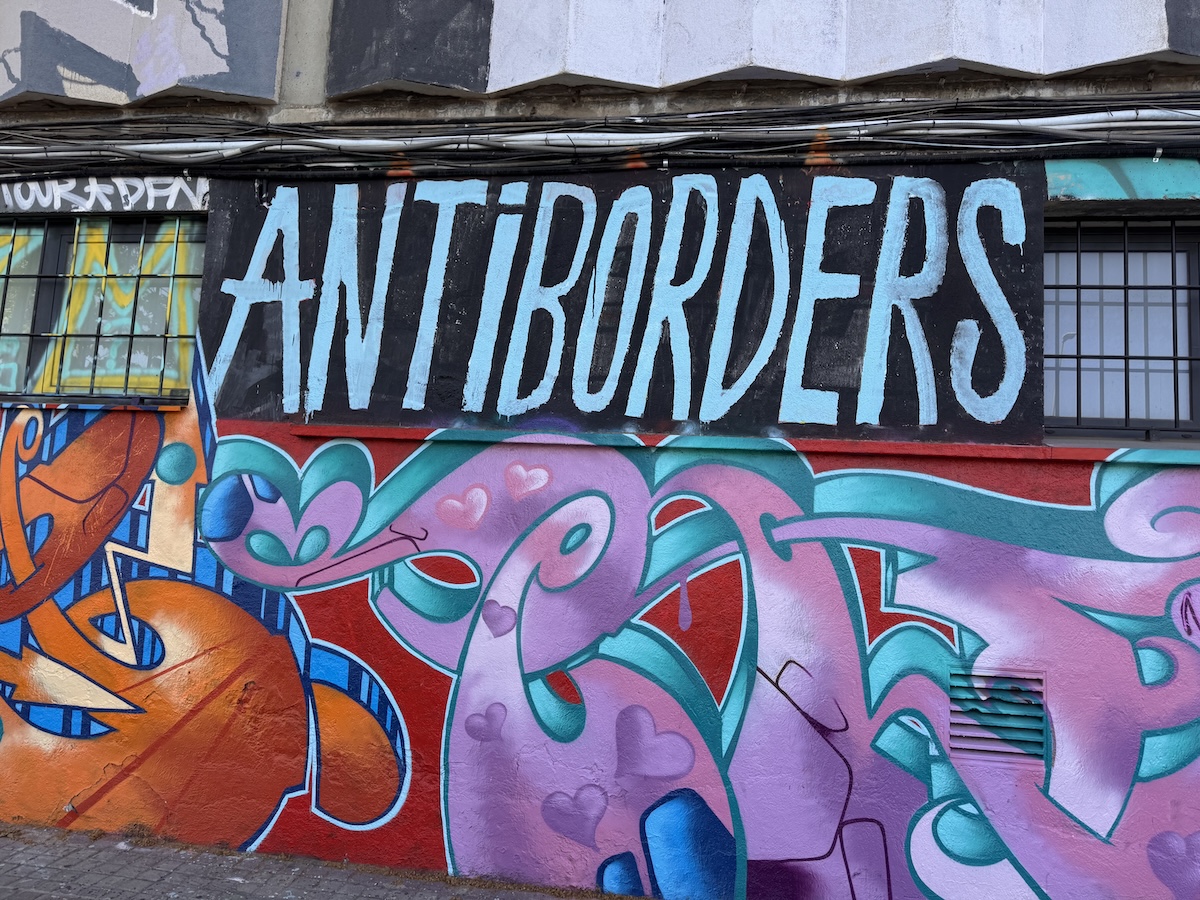
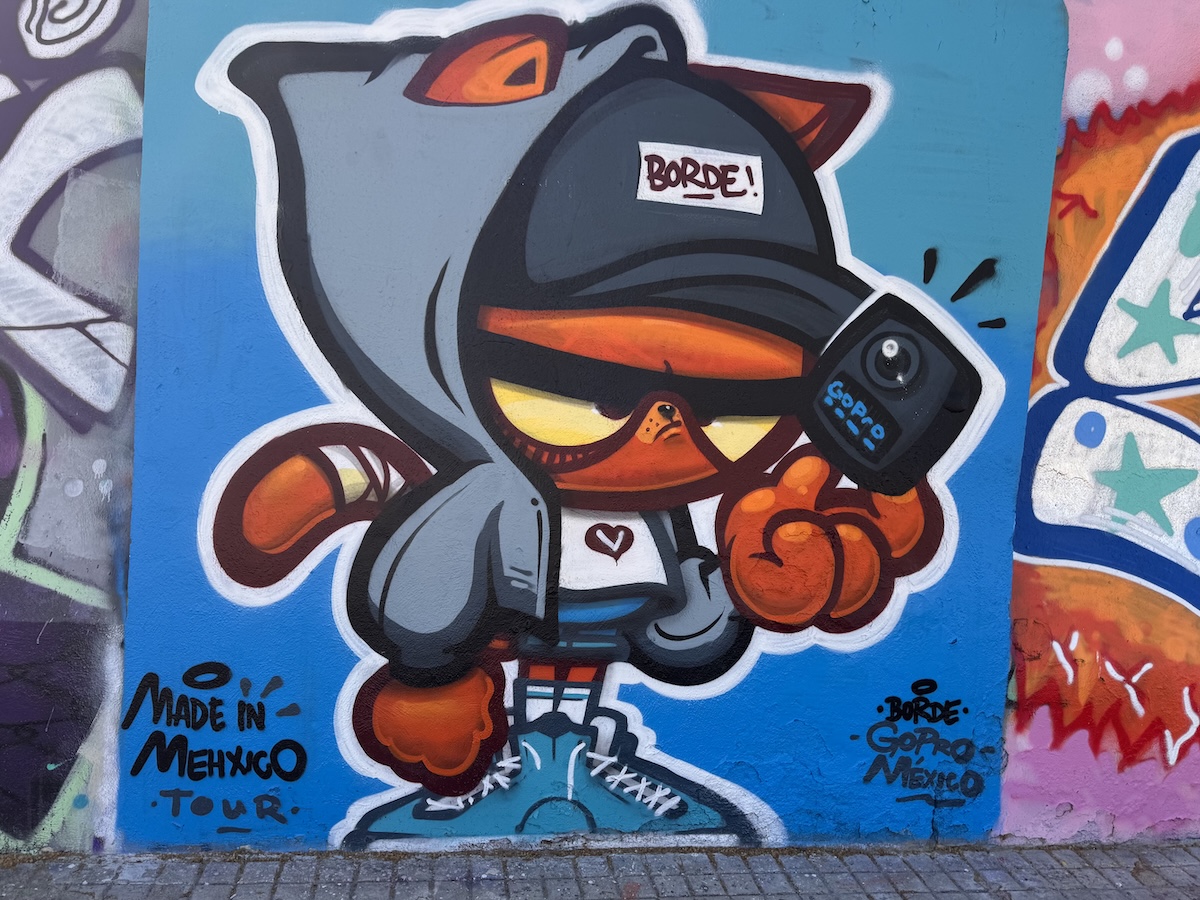
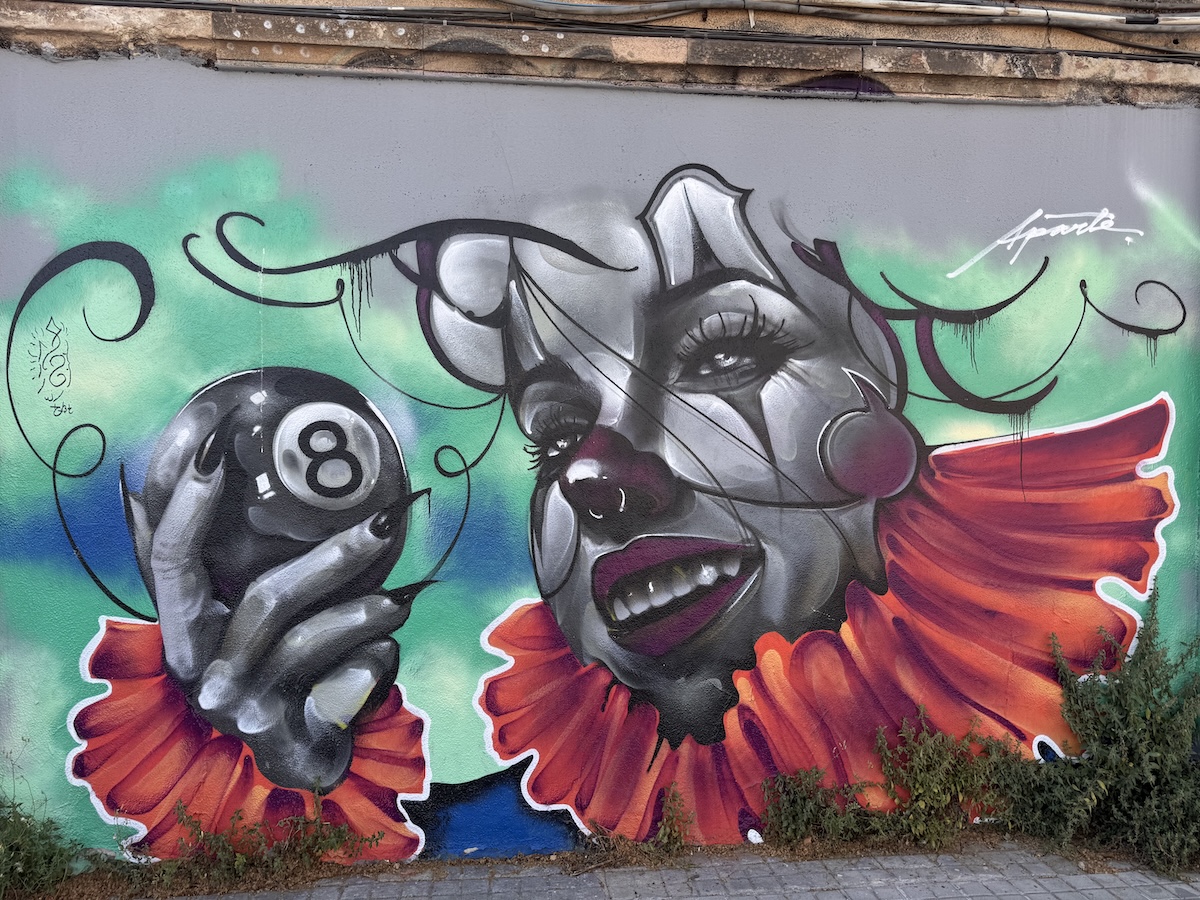
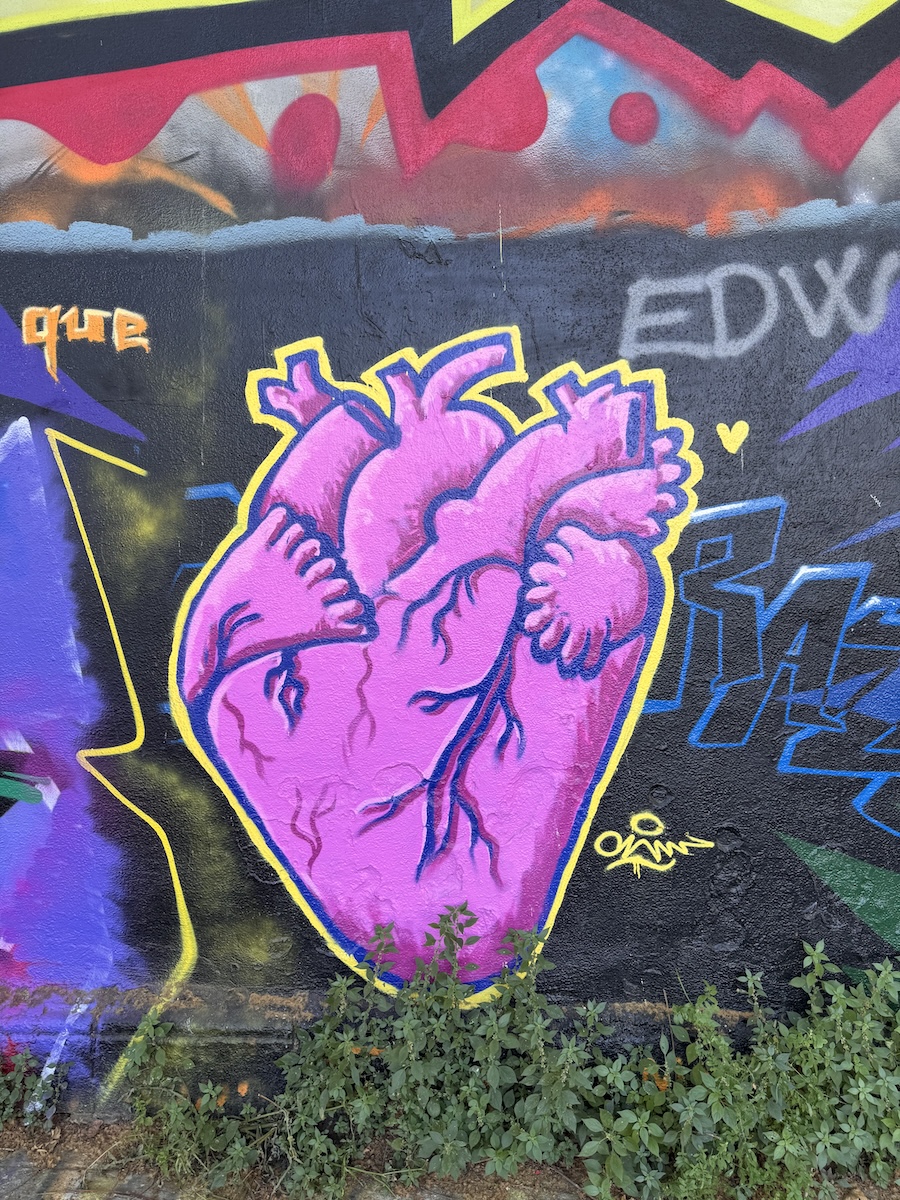
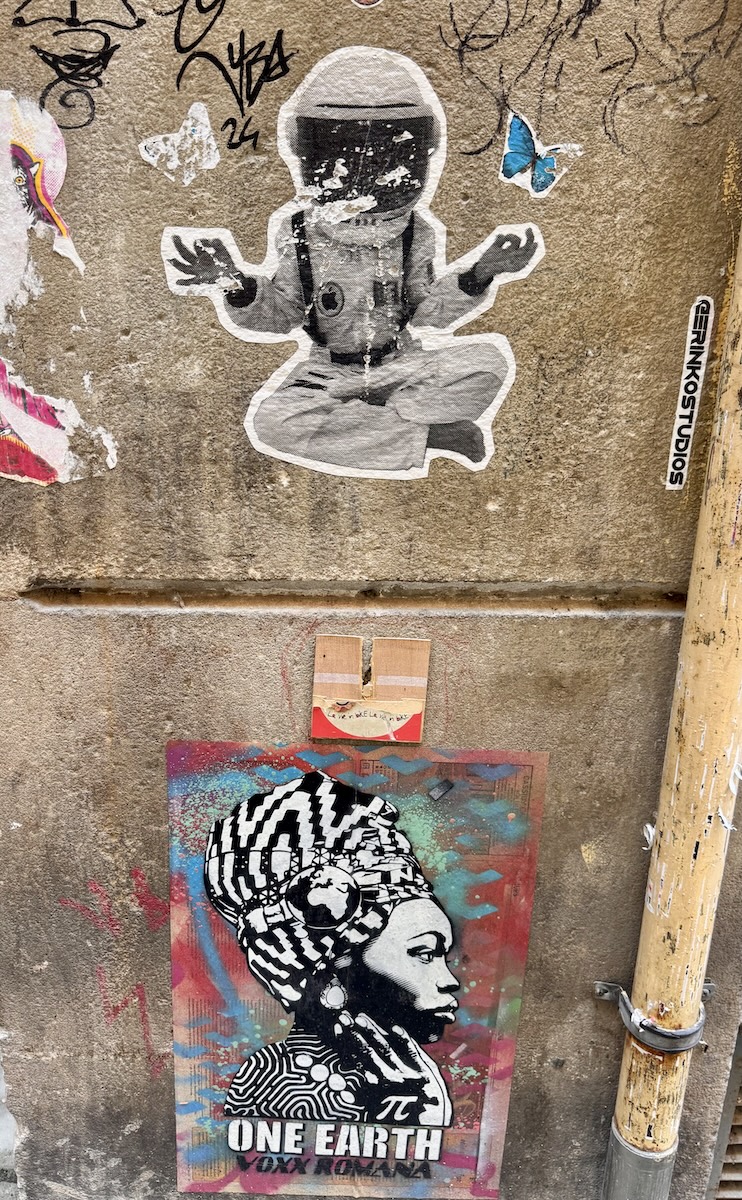
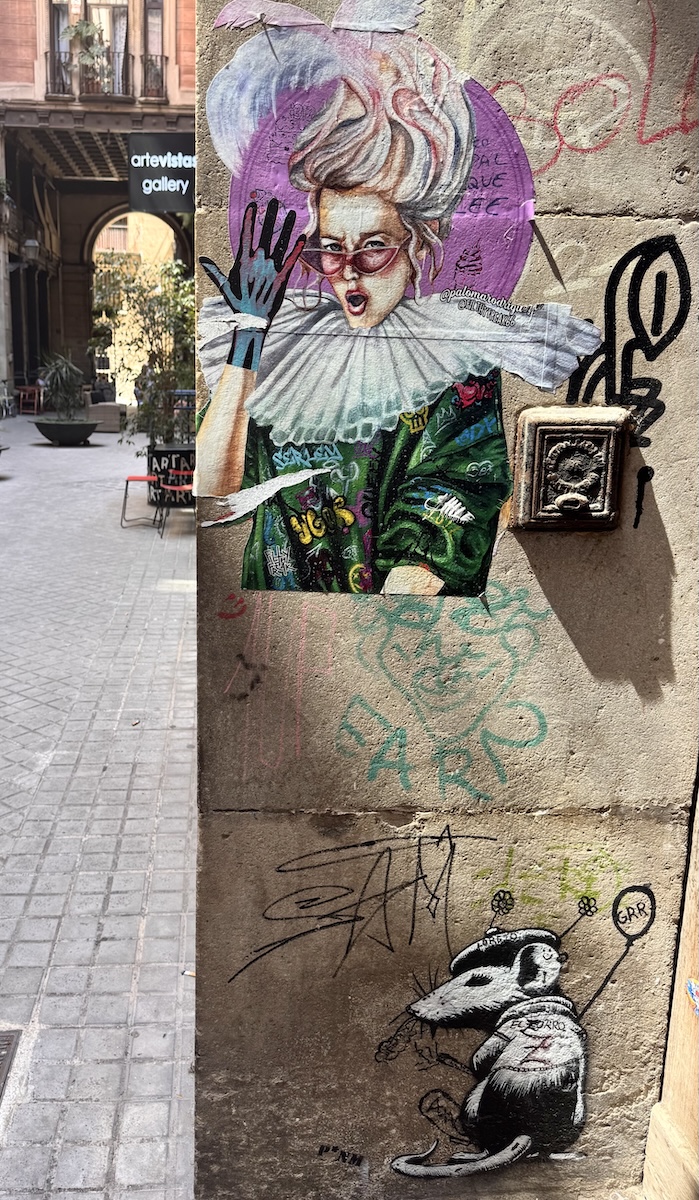
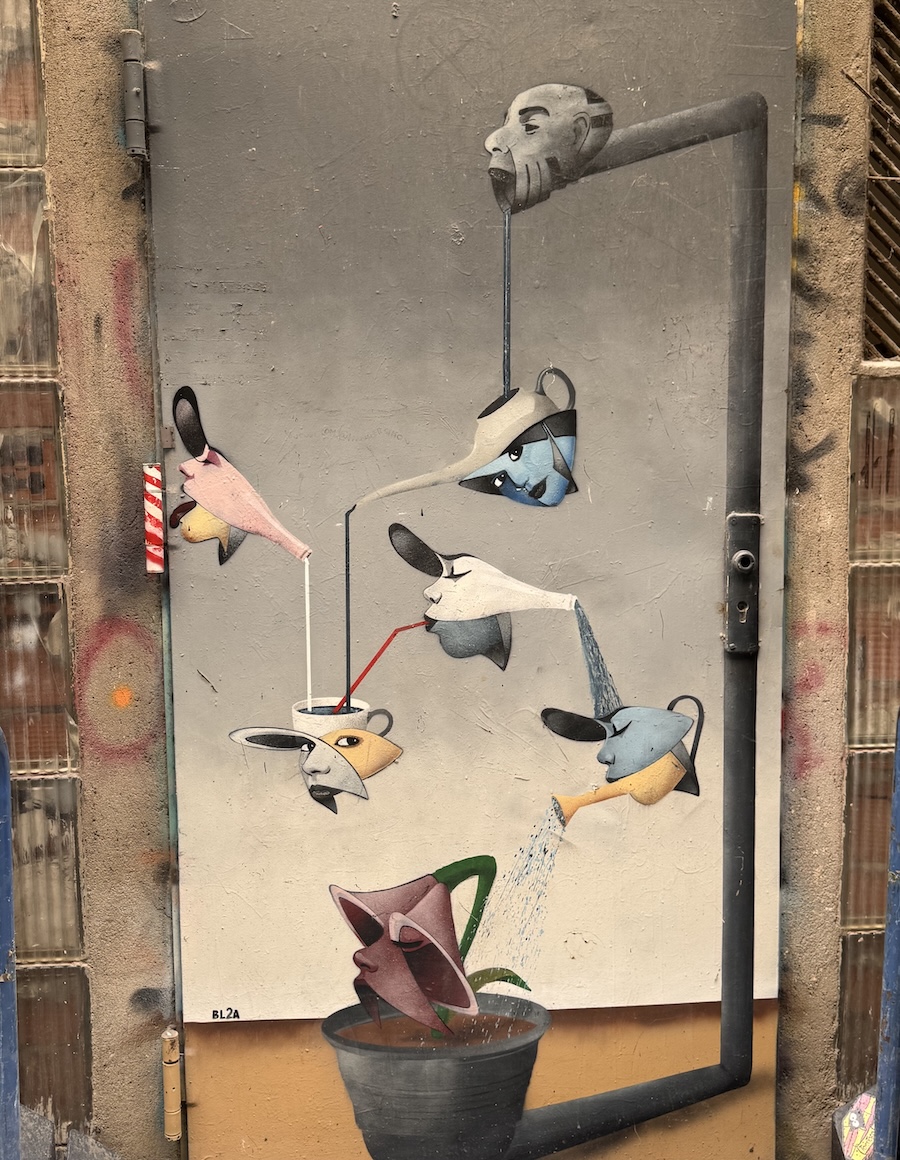
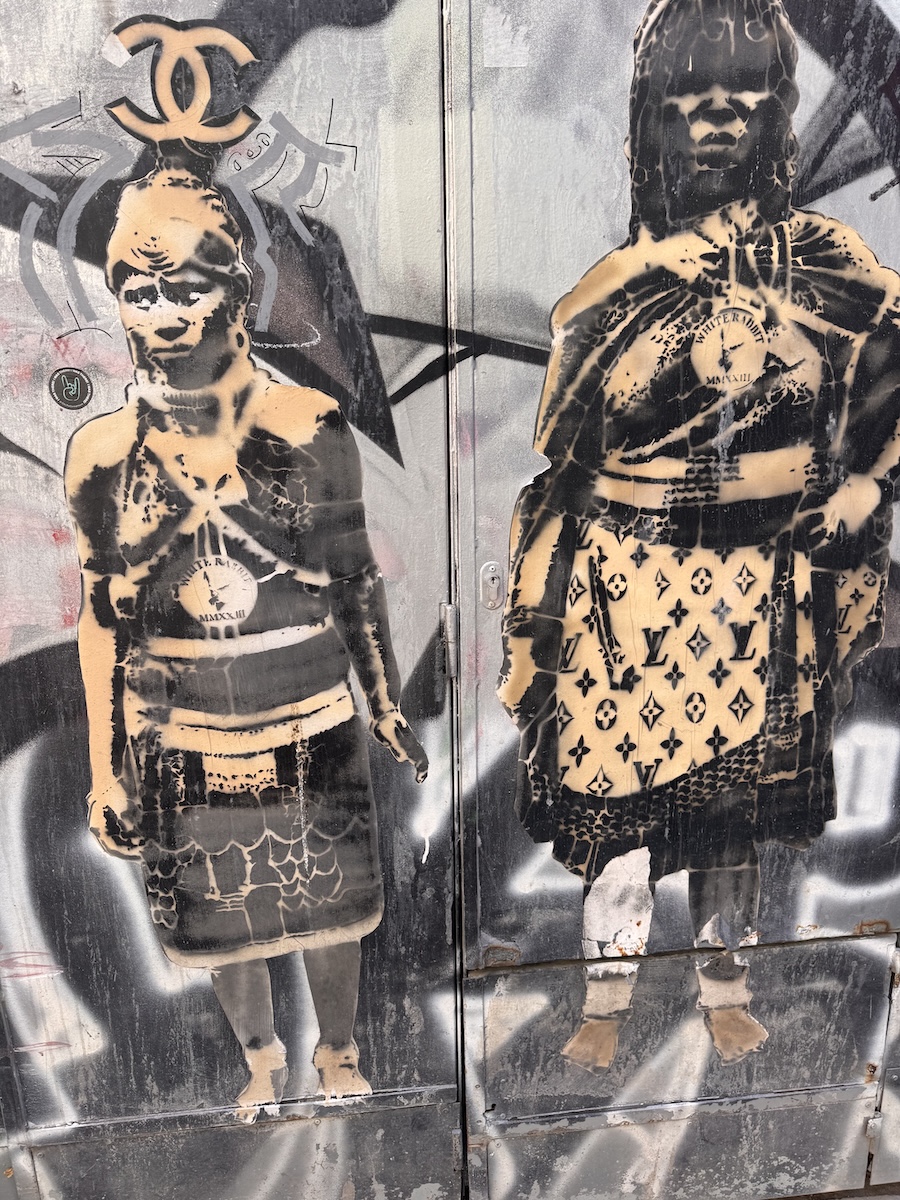
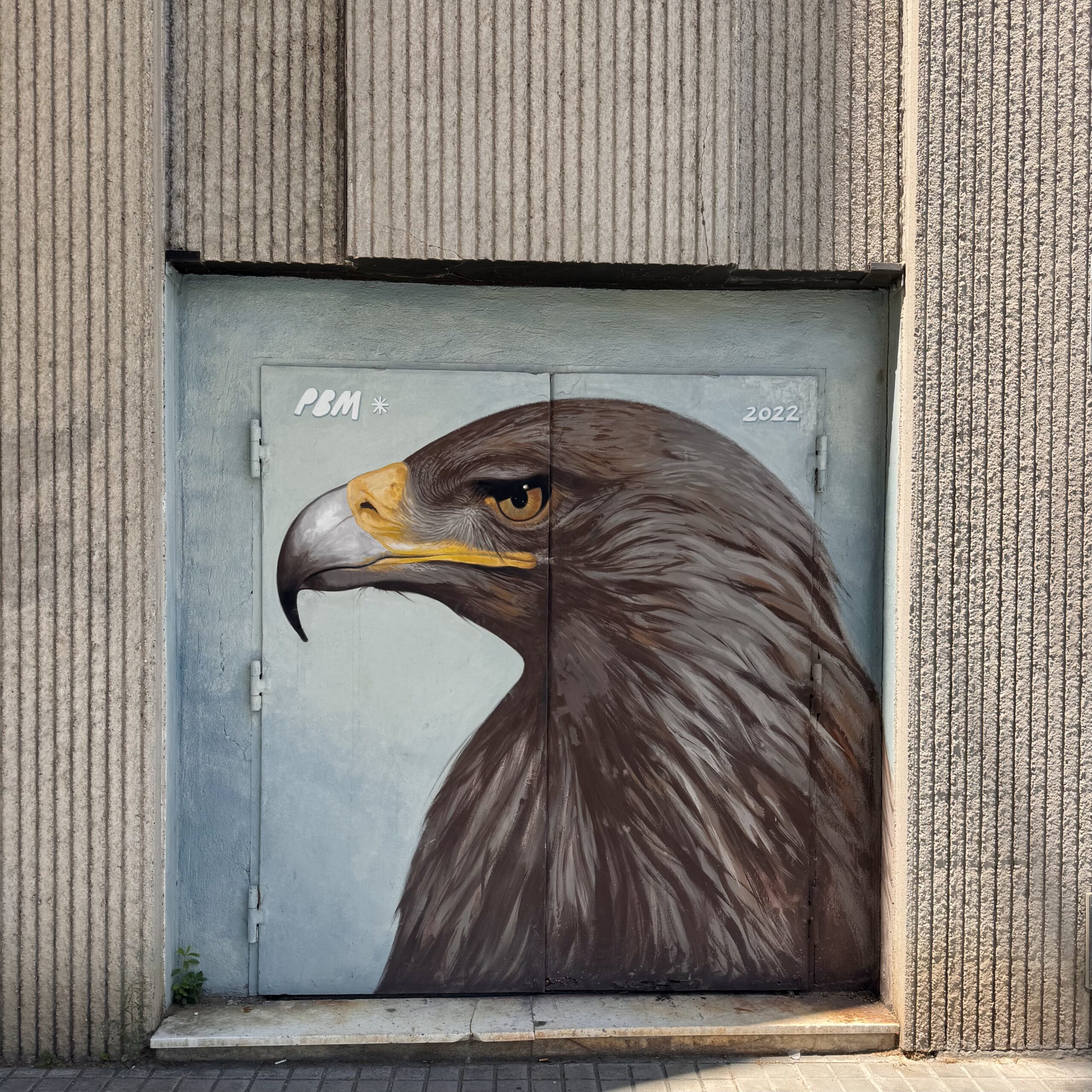
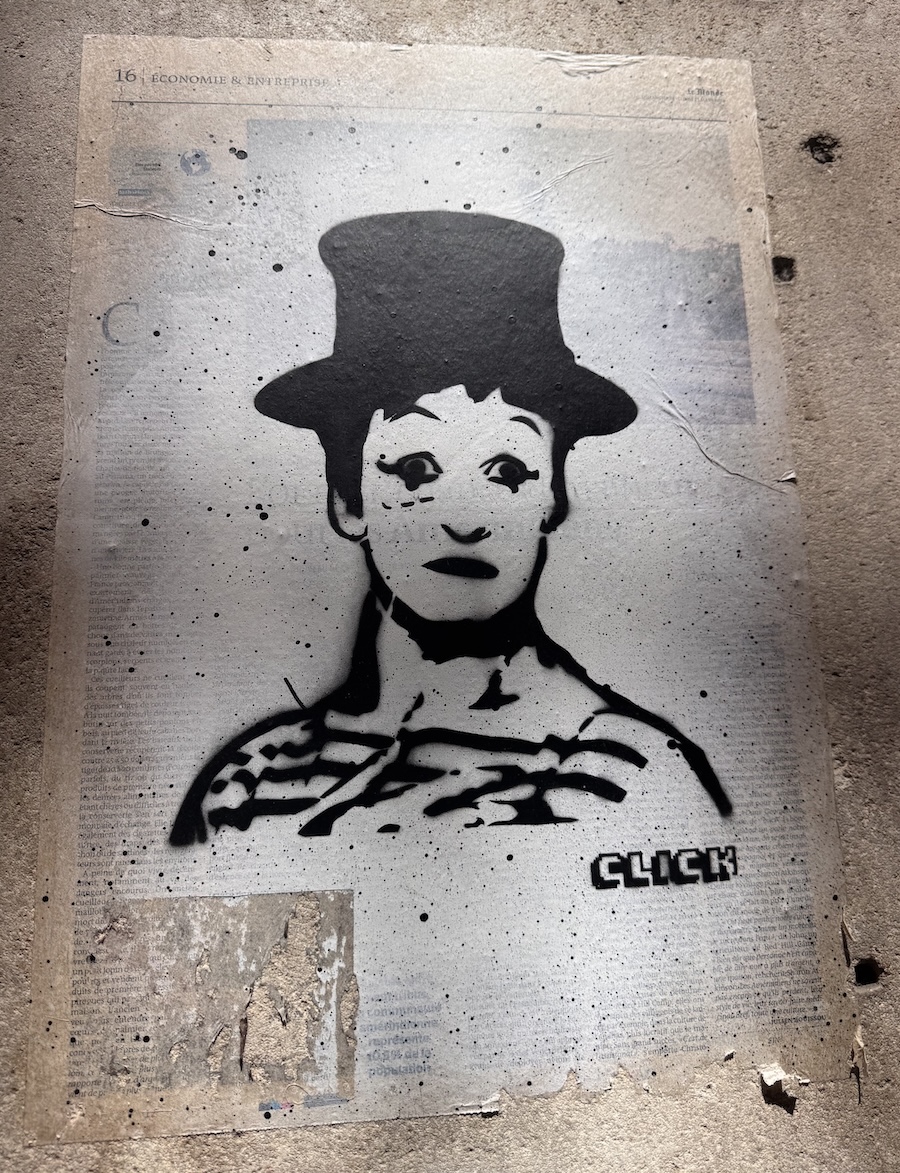
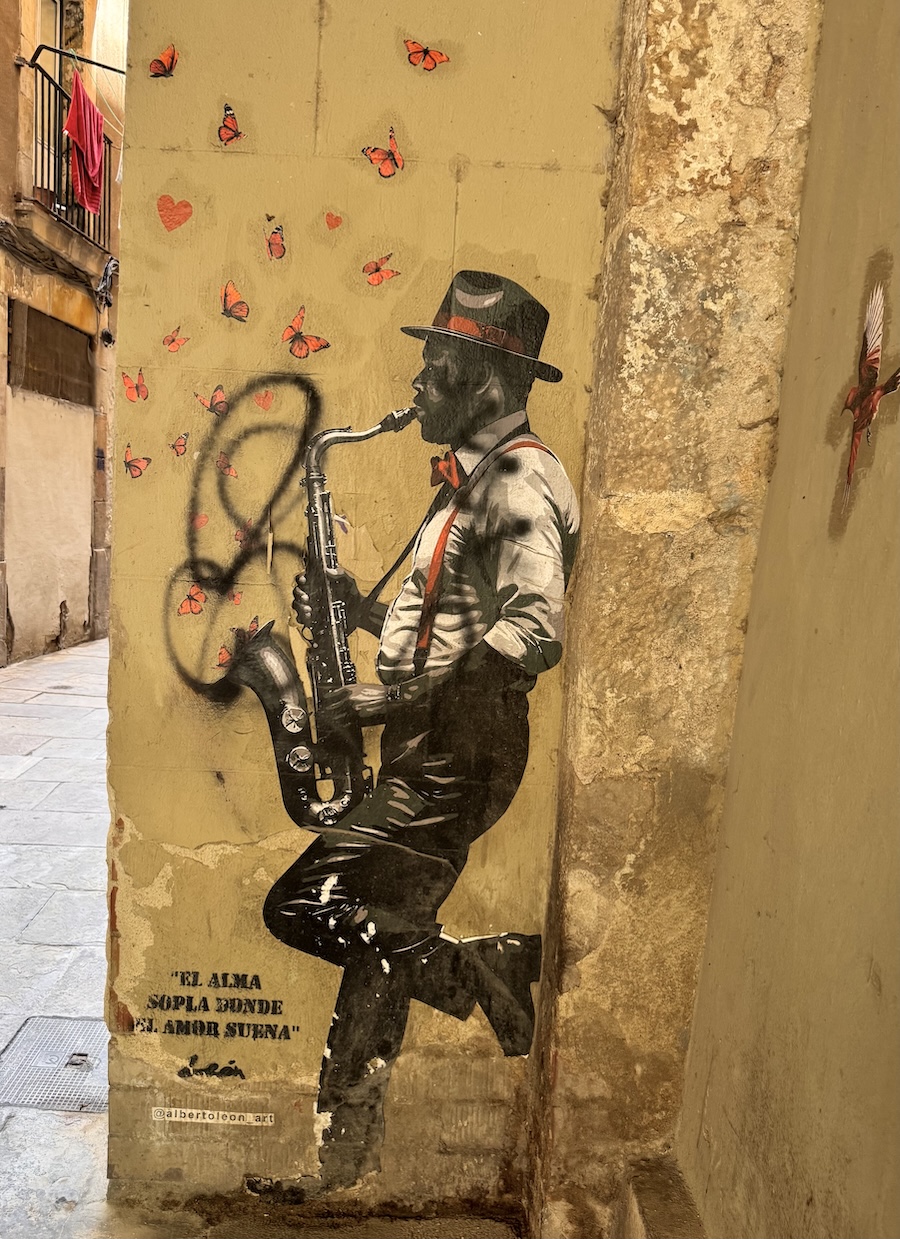
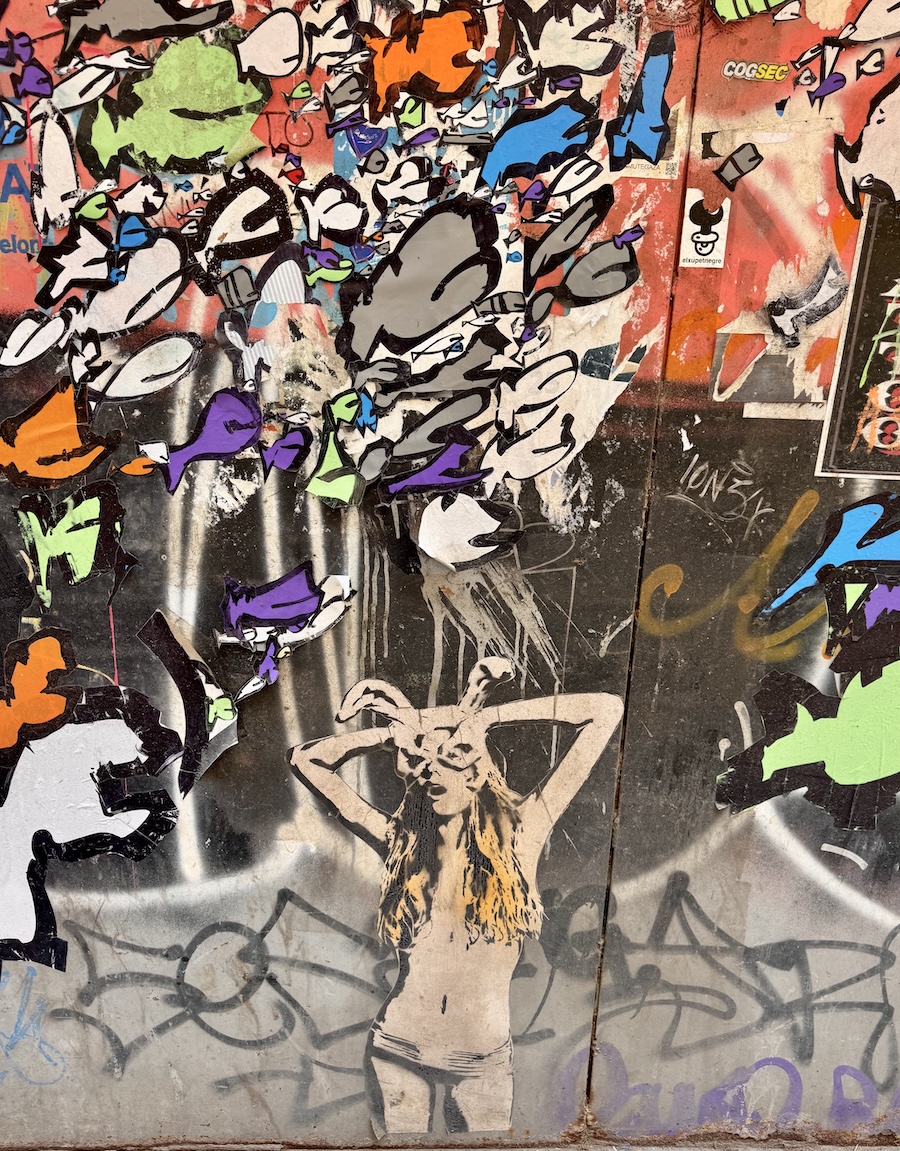
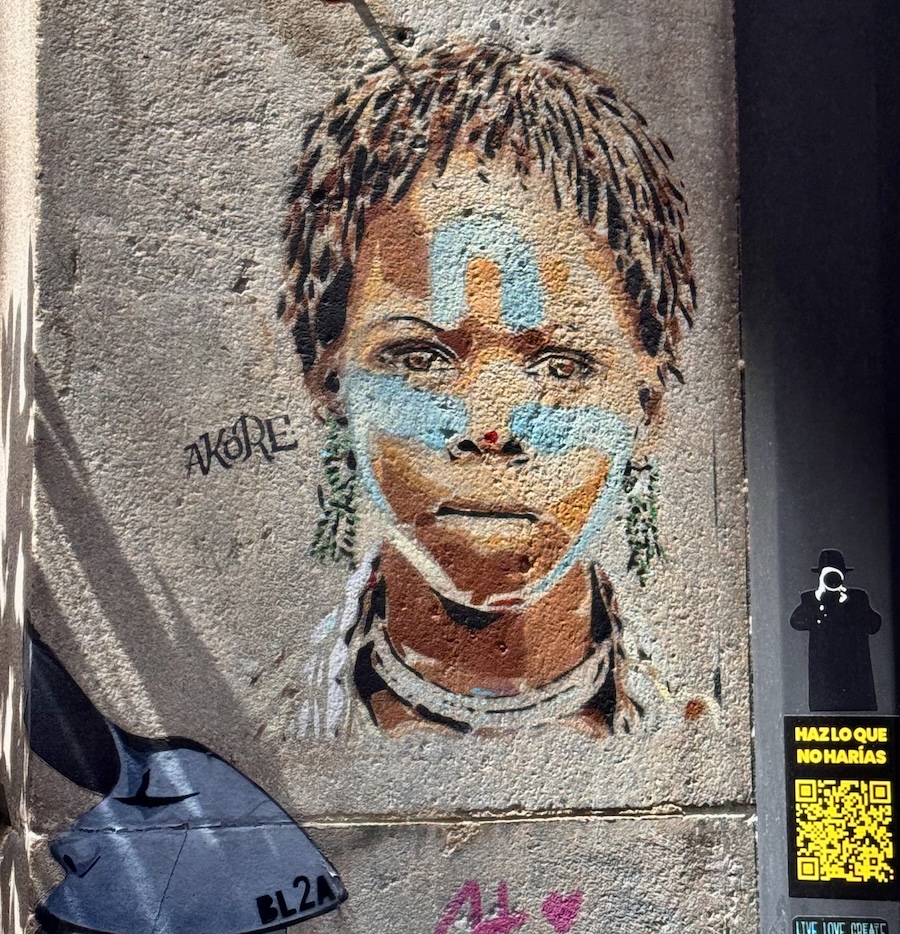
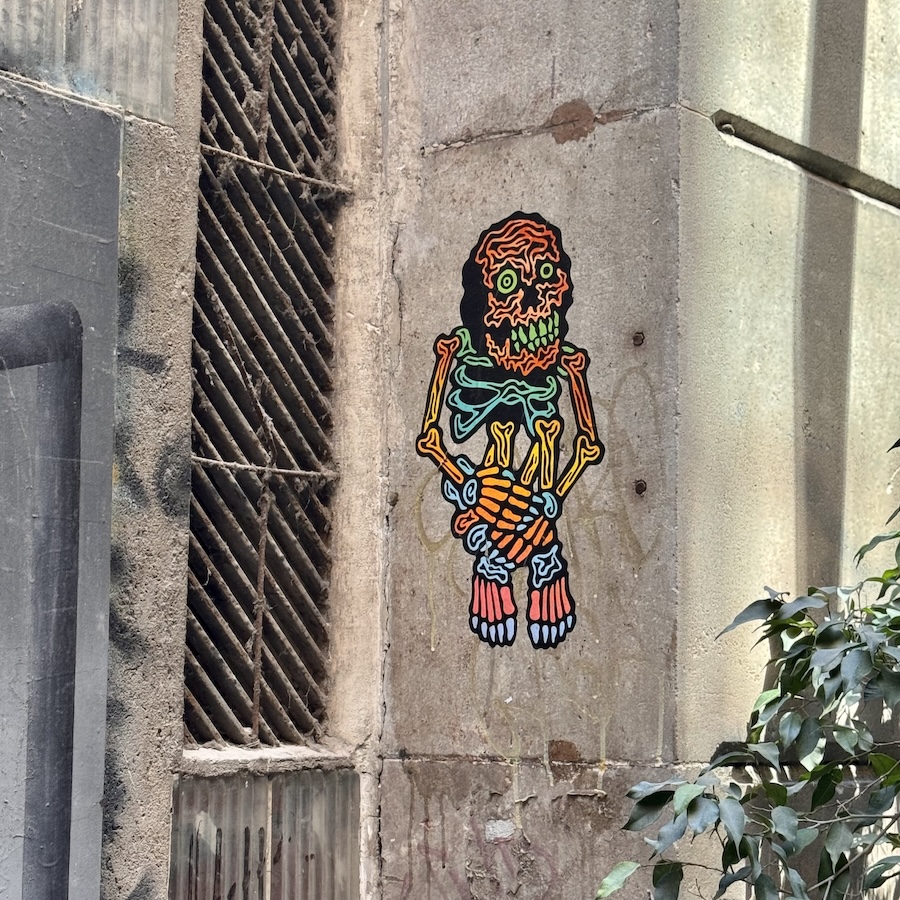
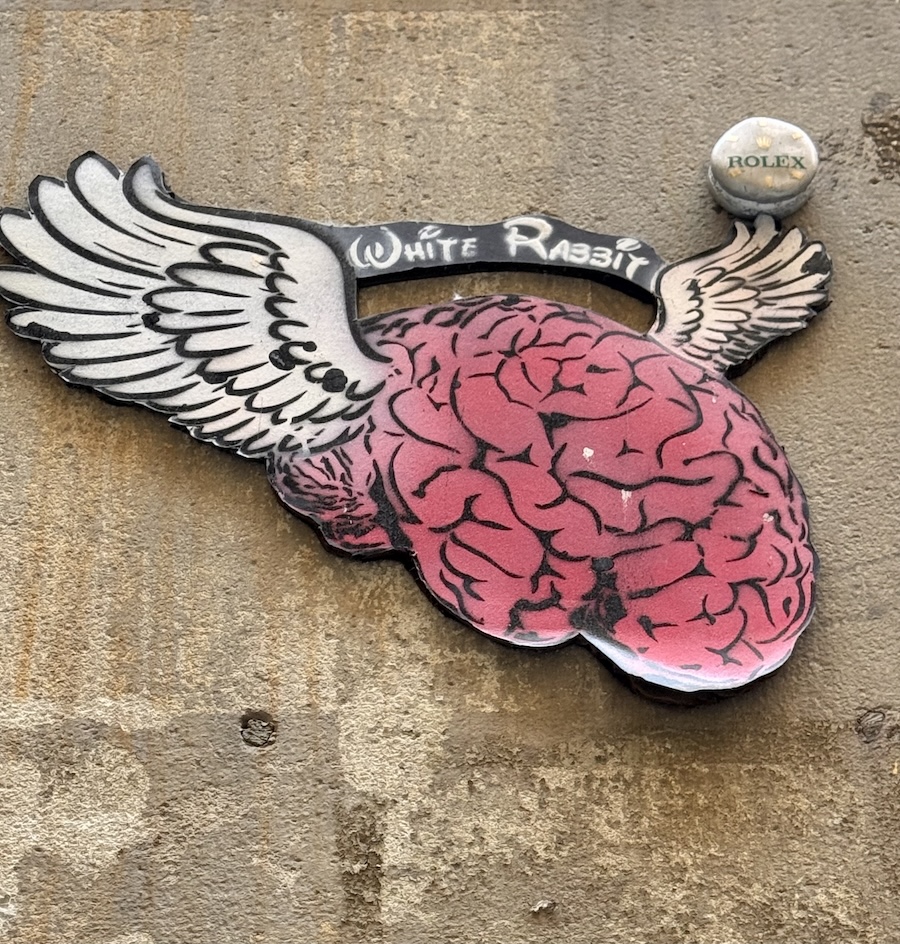
Barcelona
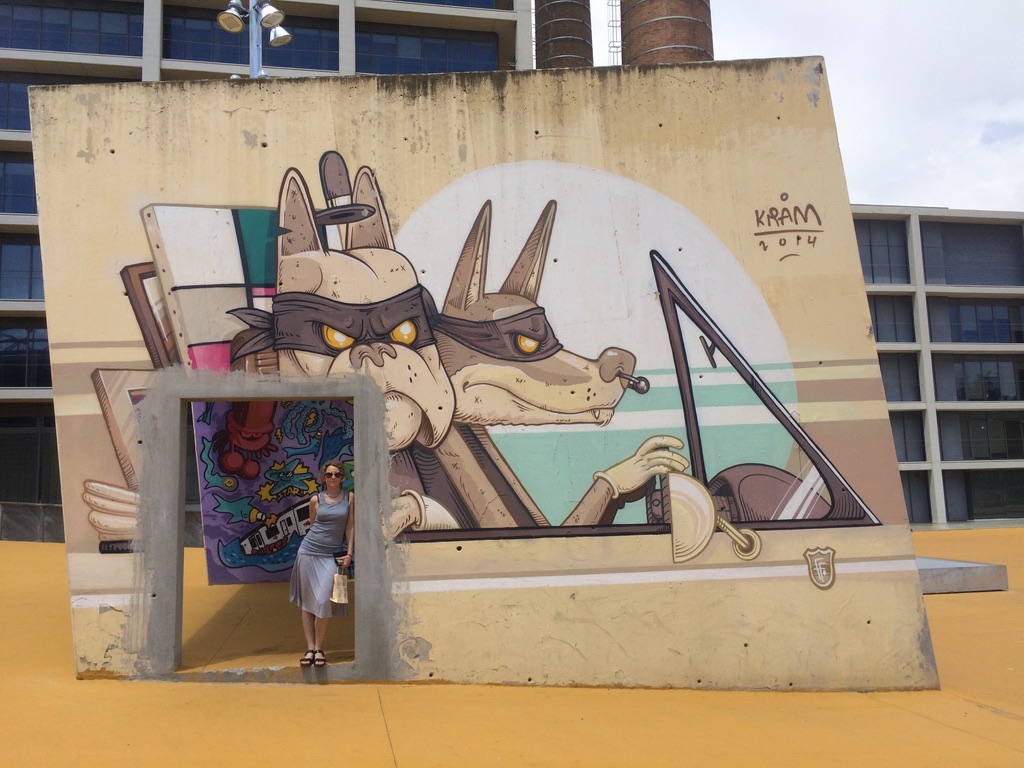
Barcelona is a world-famous hub for street art and graffiti, driven by creative neighborhoods like El Raval, Poblenou, and Gràcia. The city balances strict anti-vandalism laws with legal spaces, legal rolling walls, and localized cultural spots.
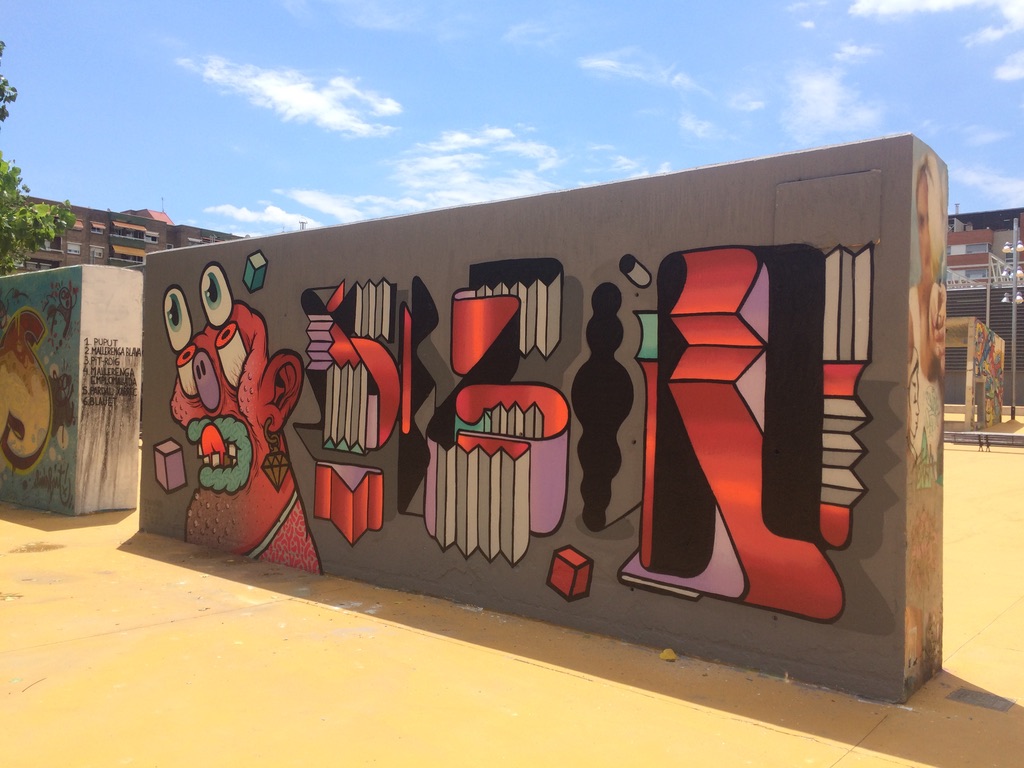
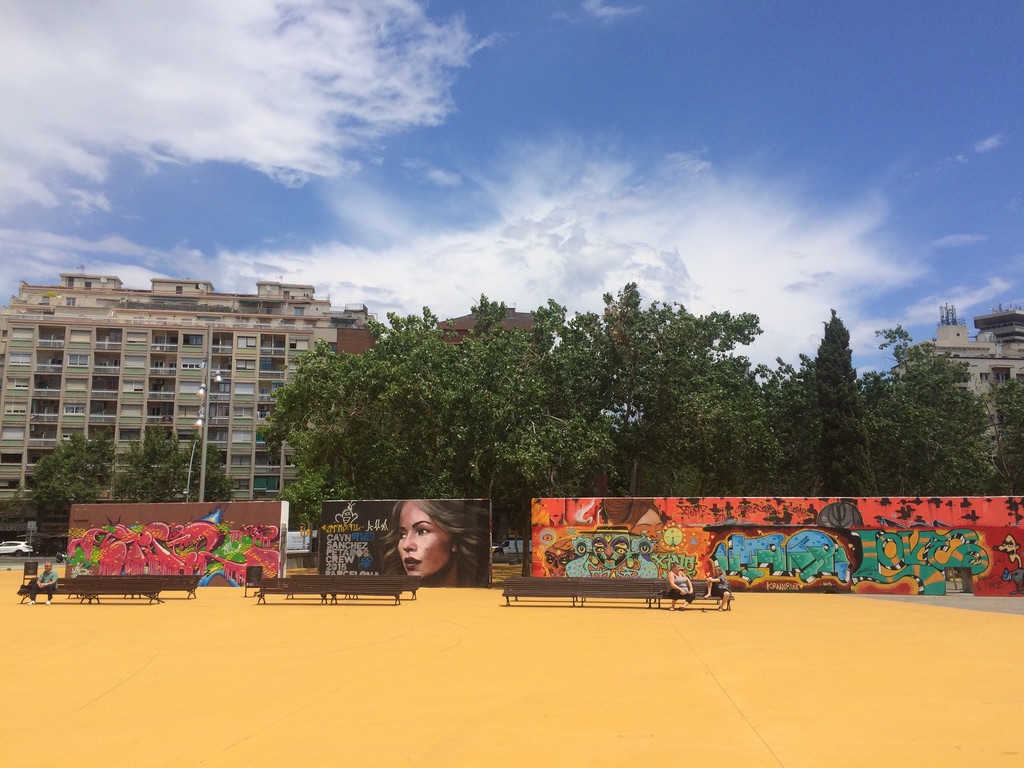
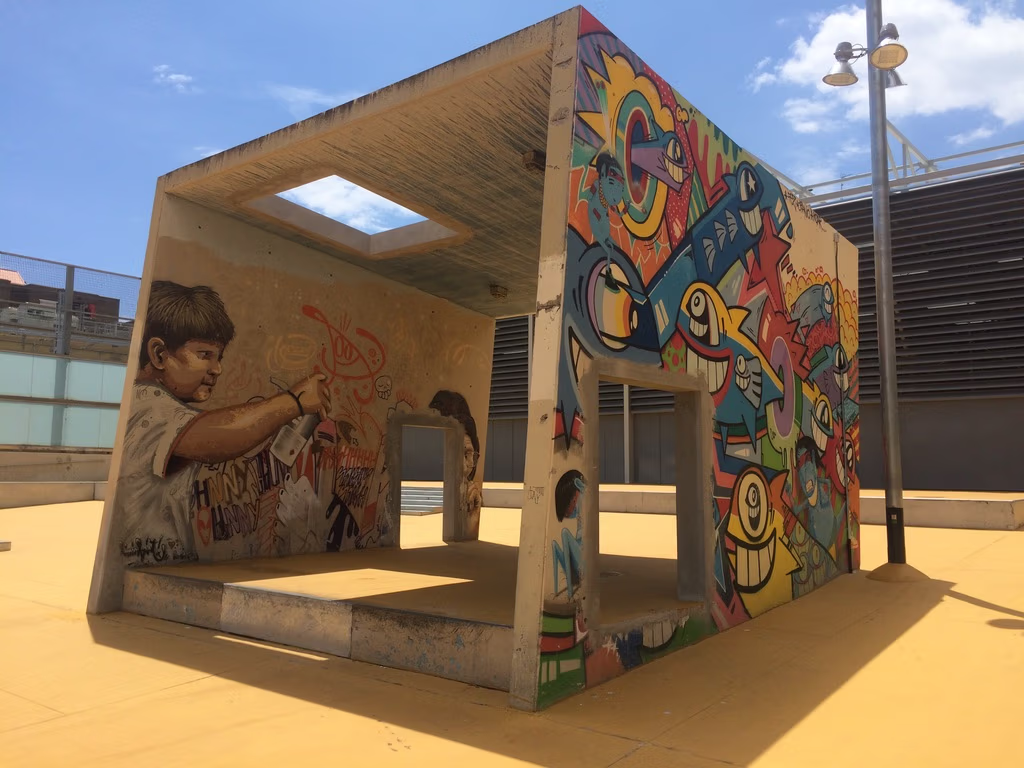
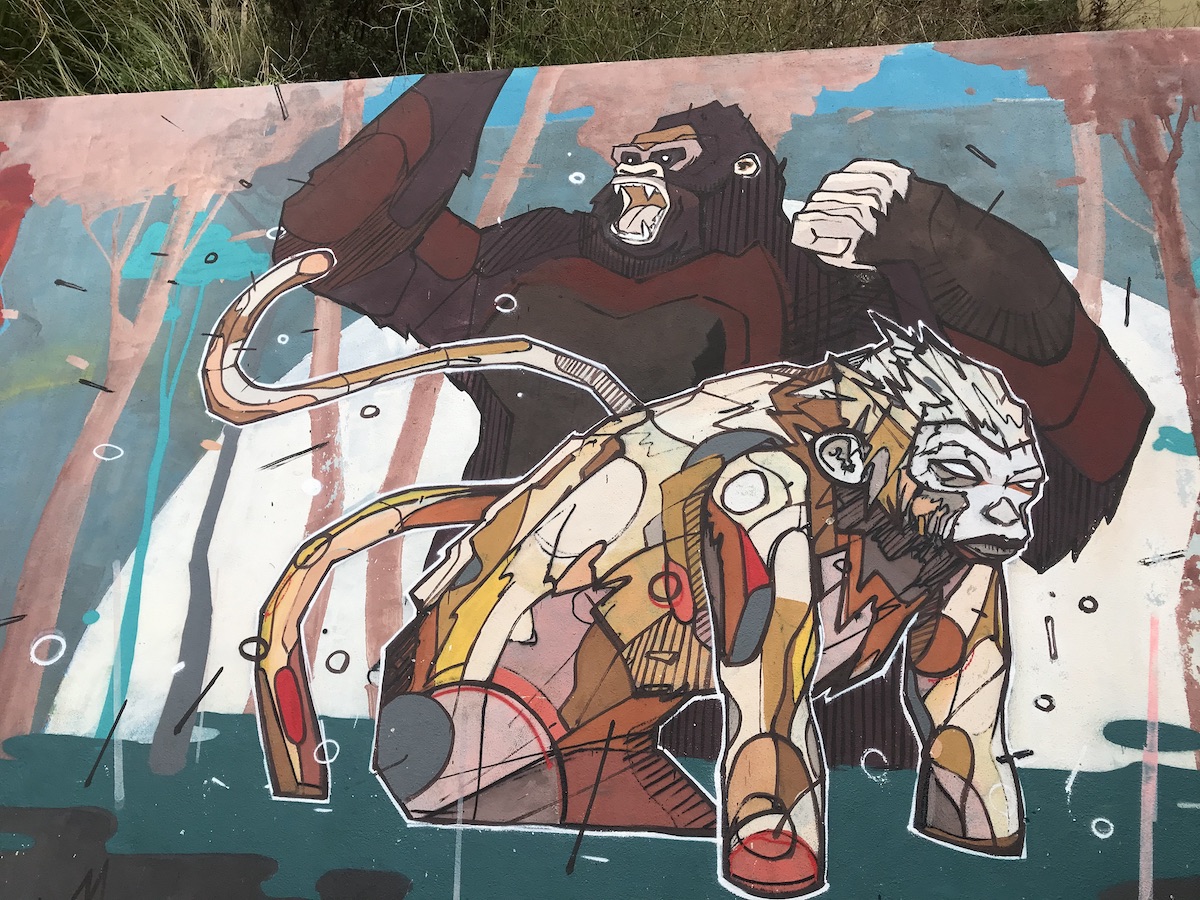
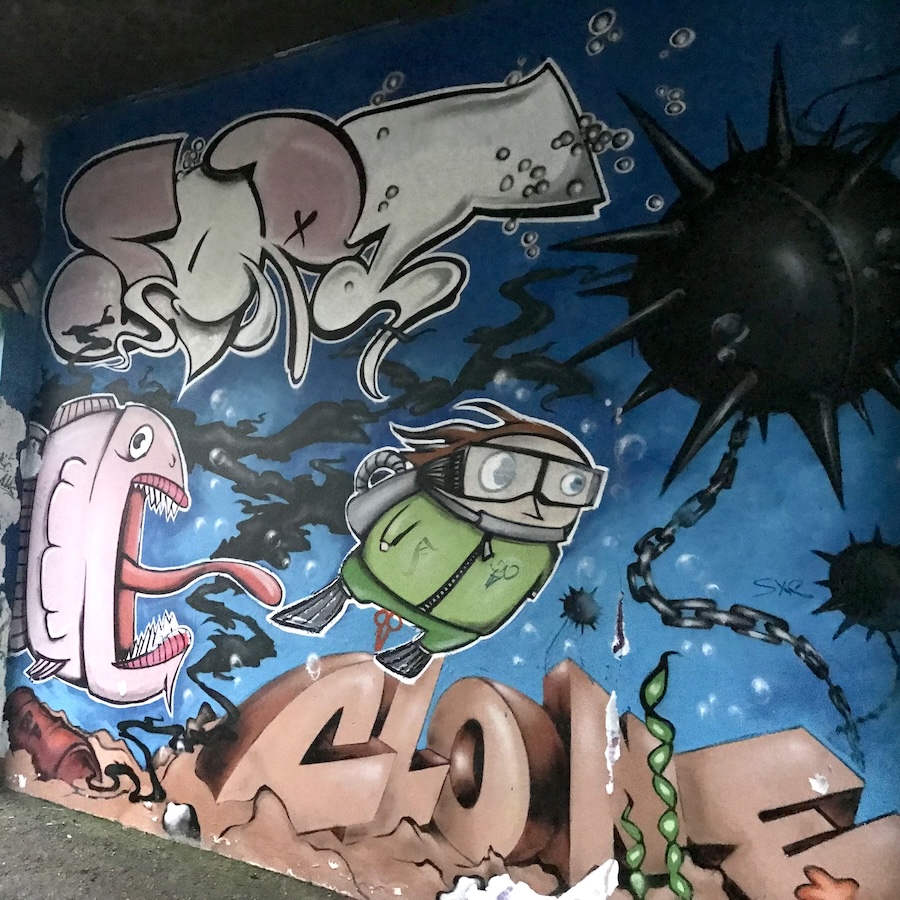
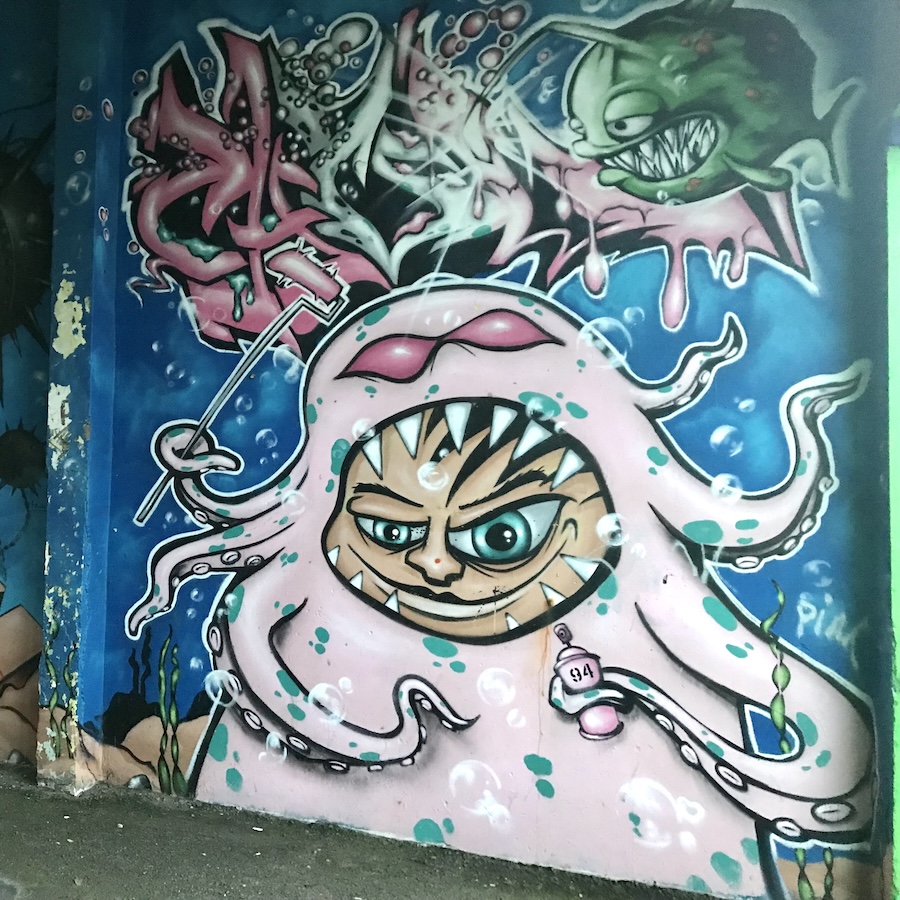
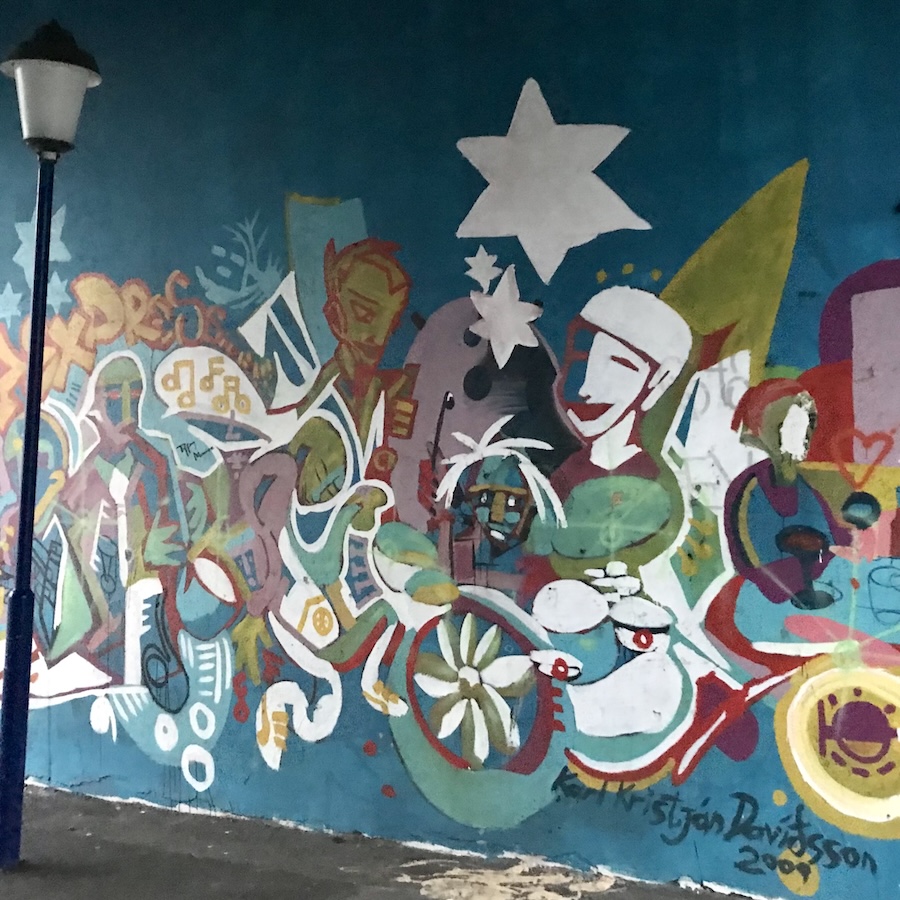
Below is the vibrant outdoor street art and graffiti space at Jardins de les Tres Xemeneies (Three Chimneys Park) in Barcelona, Spain. This public park features designated concrete walls and open structures that serve as a legal canvas for changing urban art and murals.
Click photos for lightbox...
Belgrade
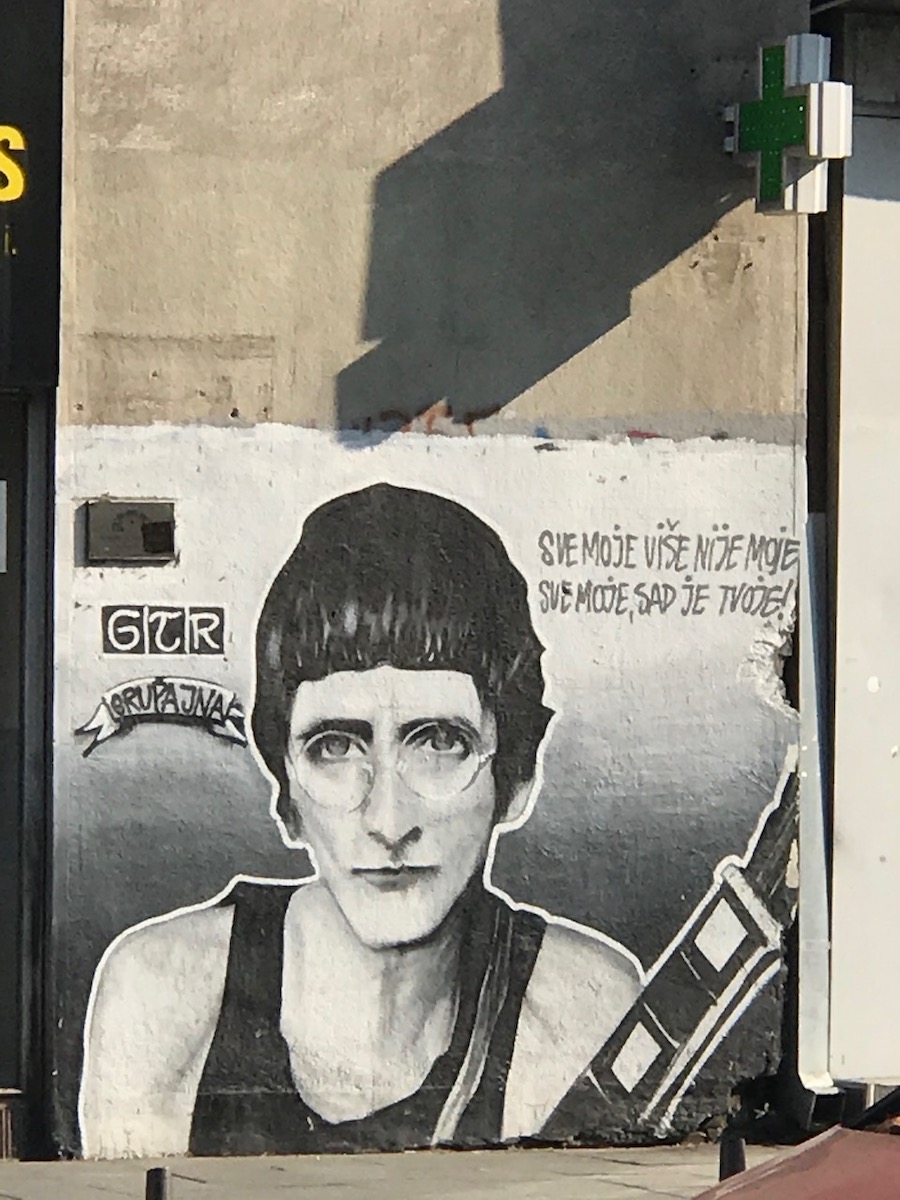
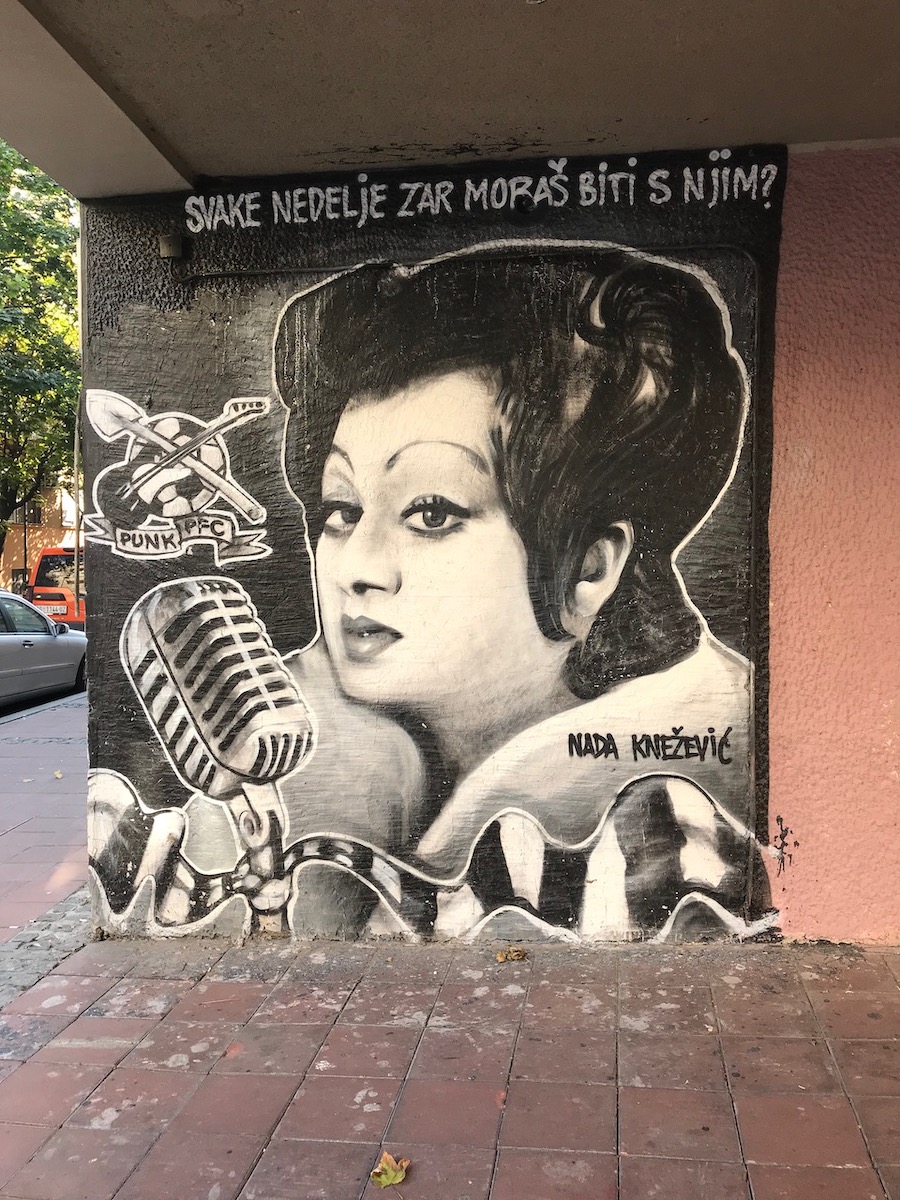
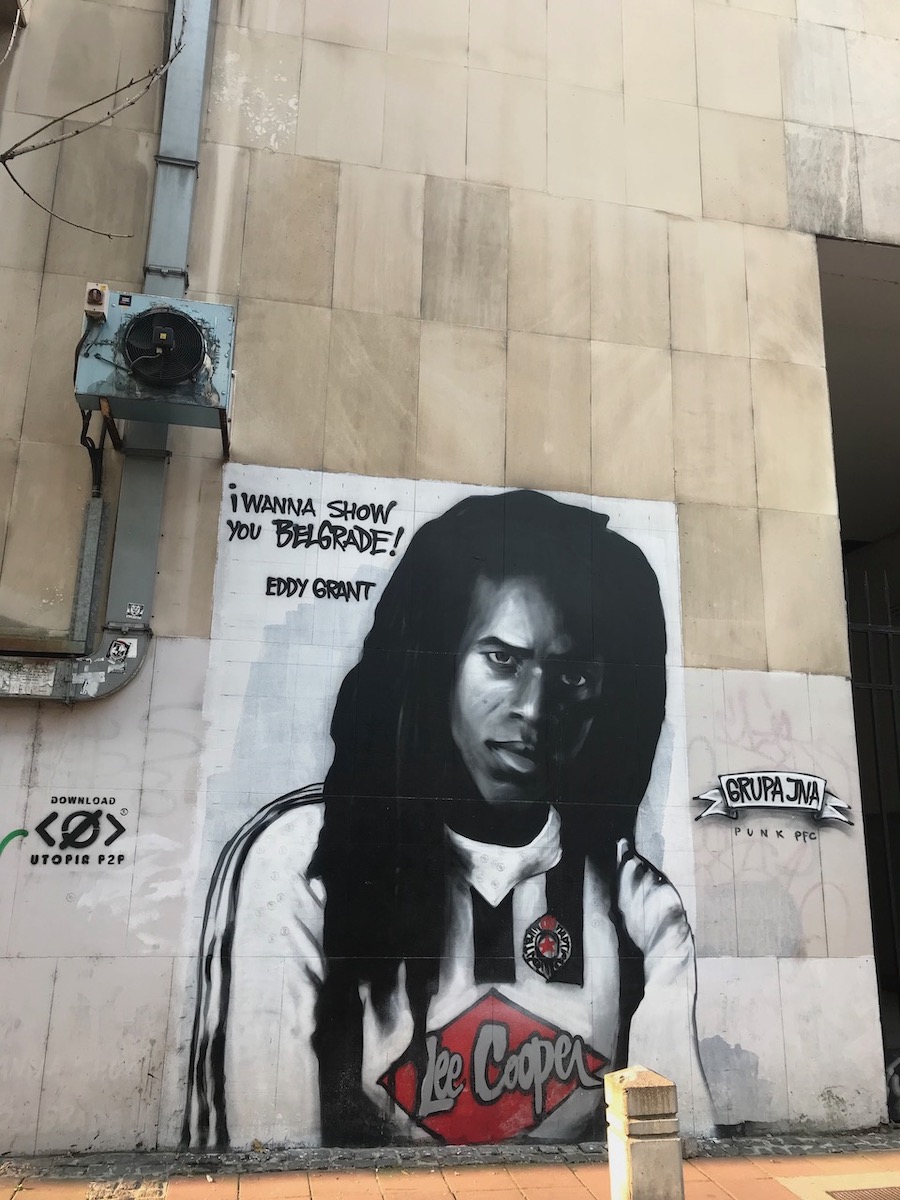
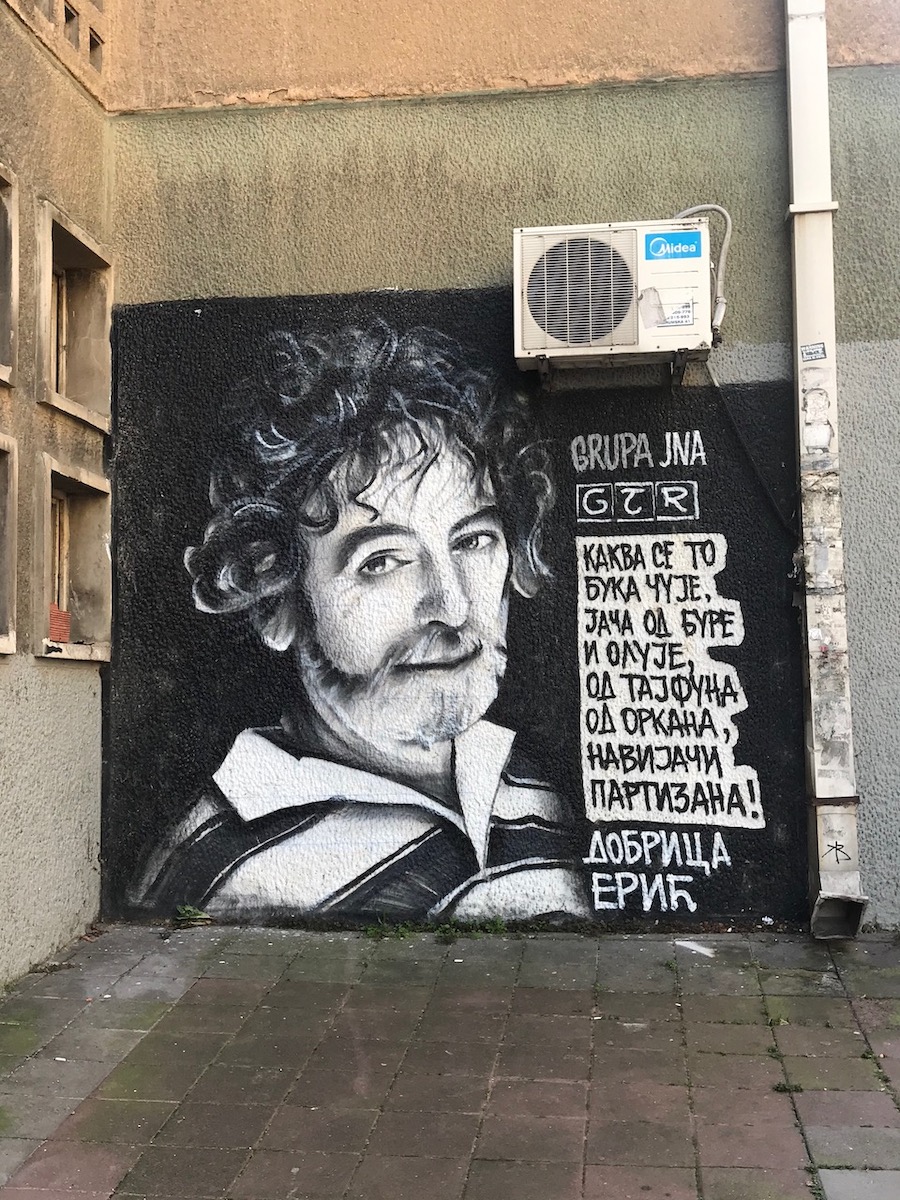
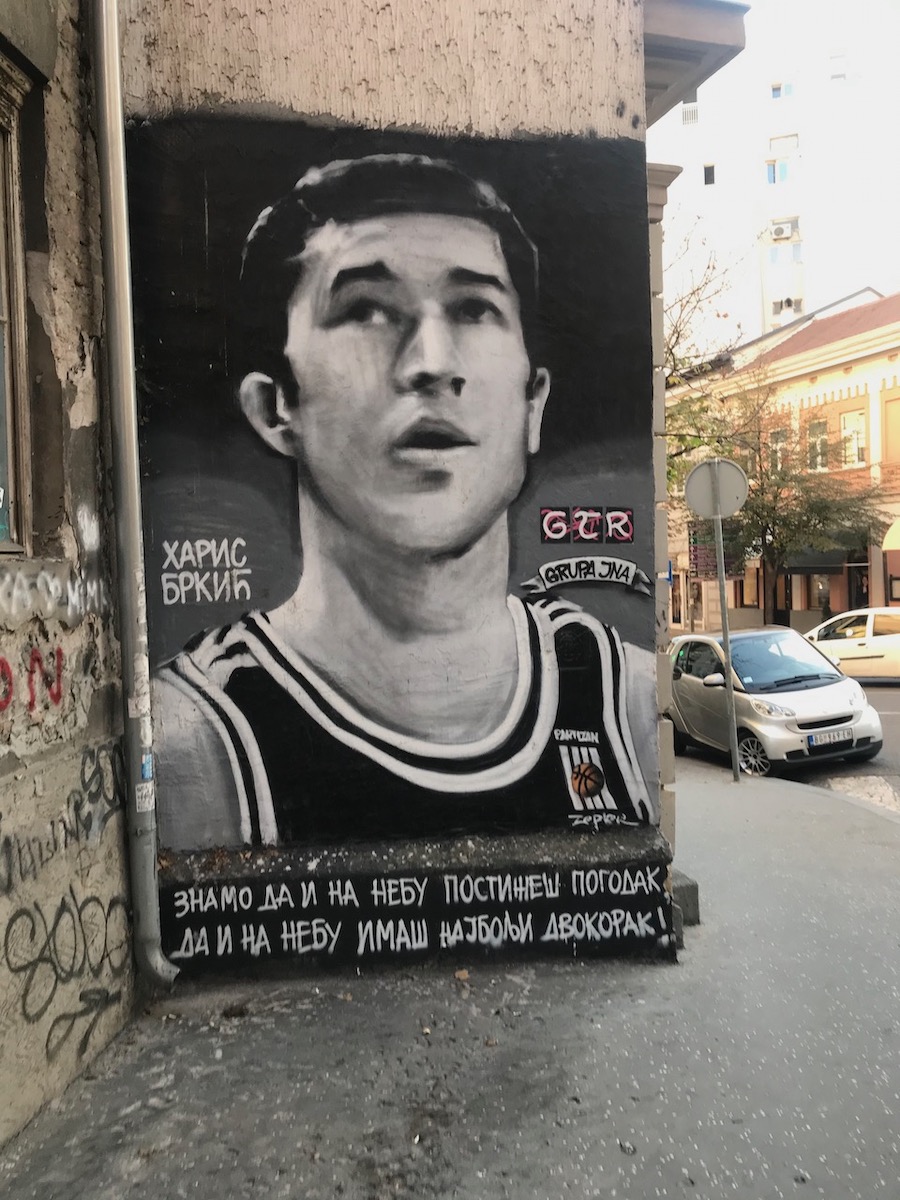
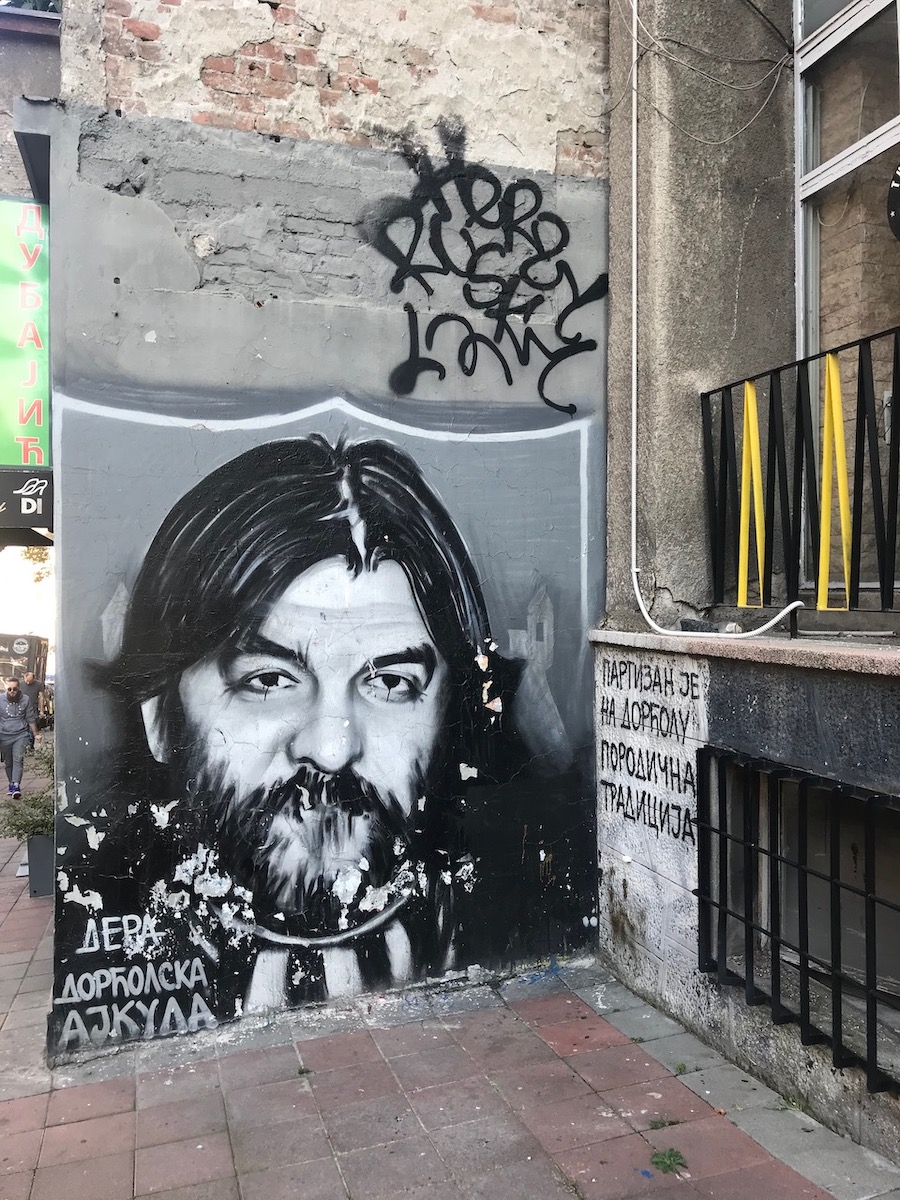
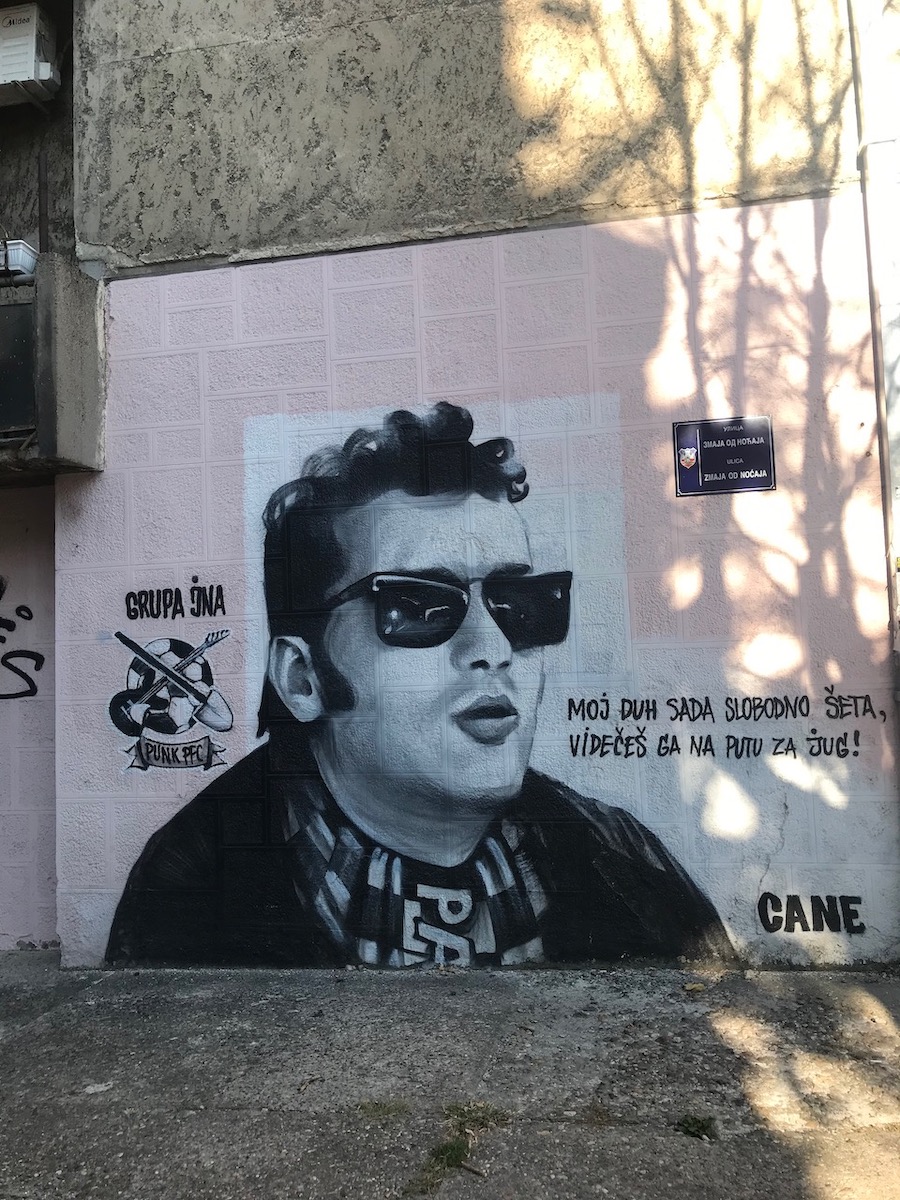
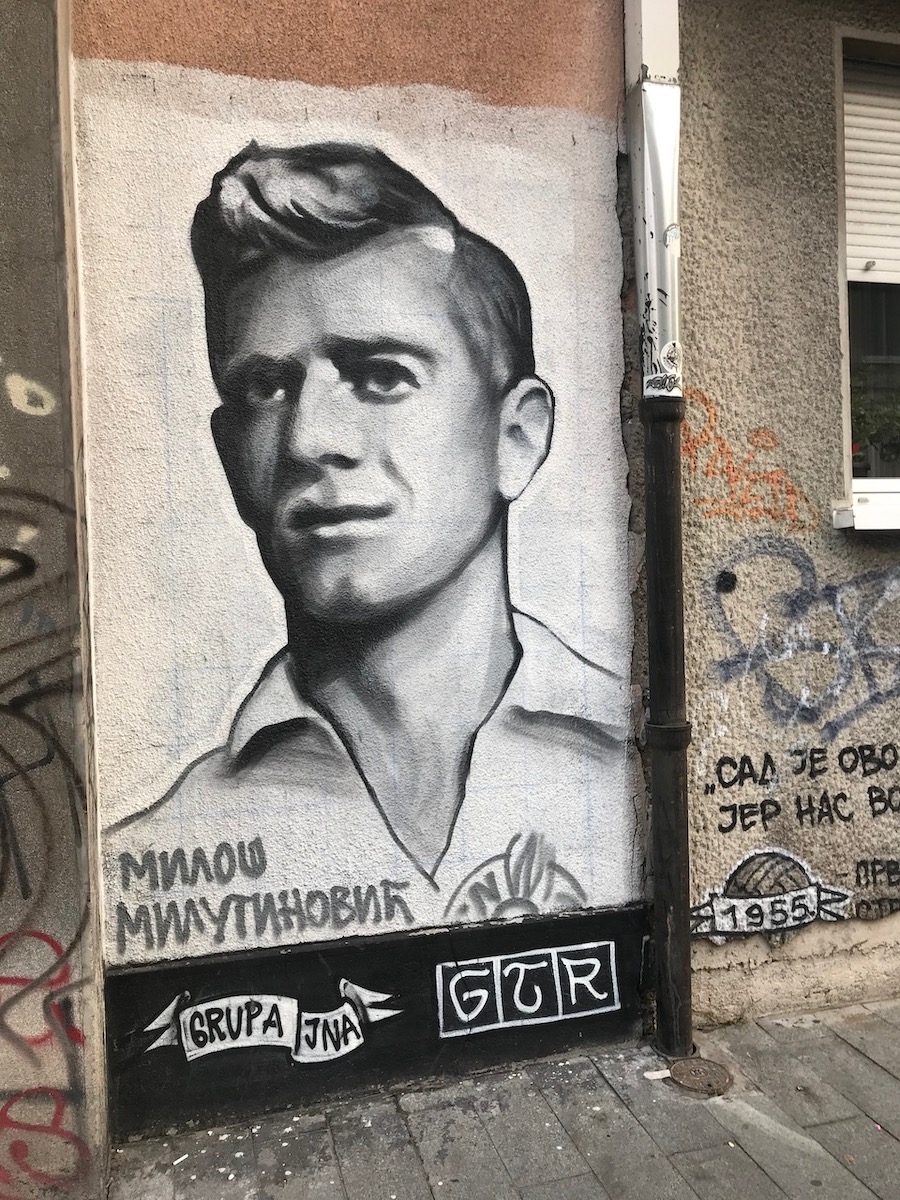
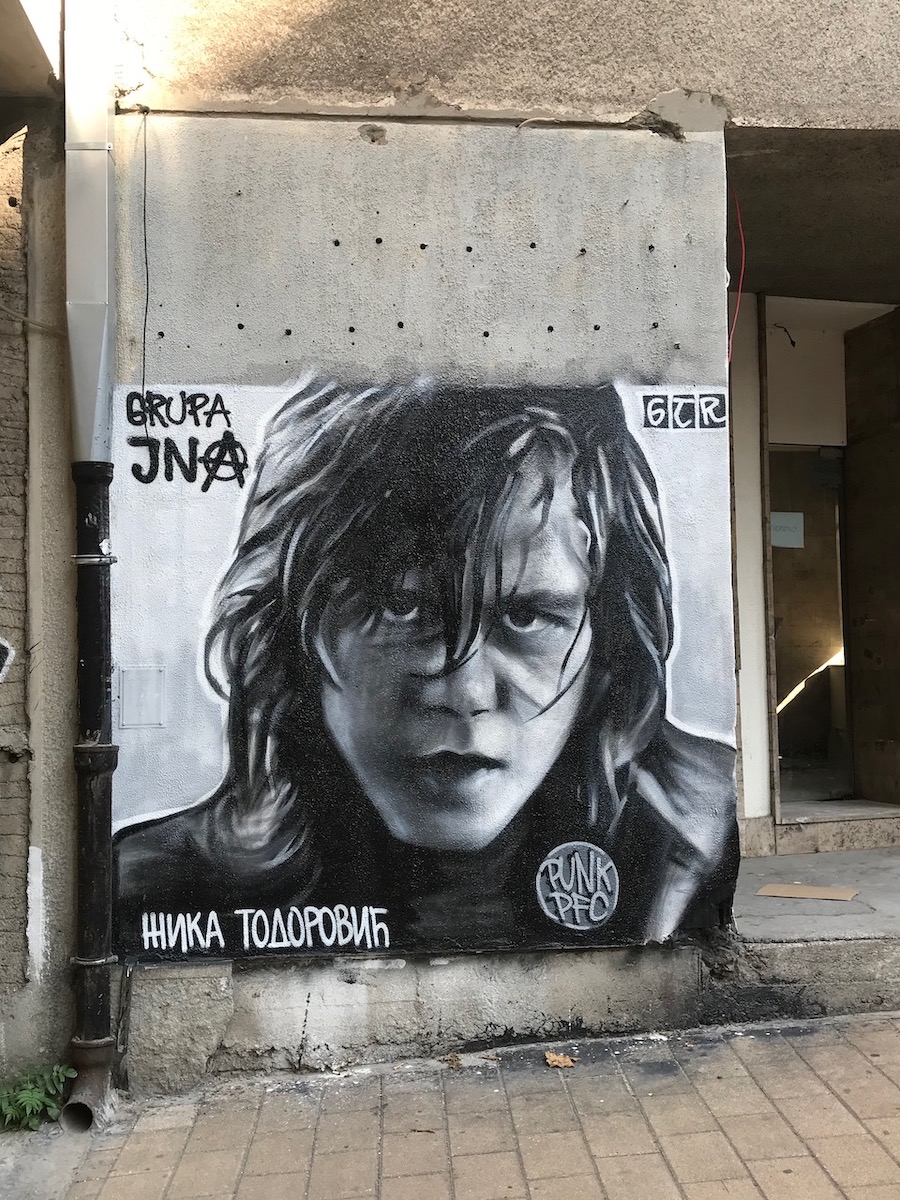
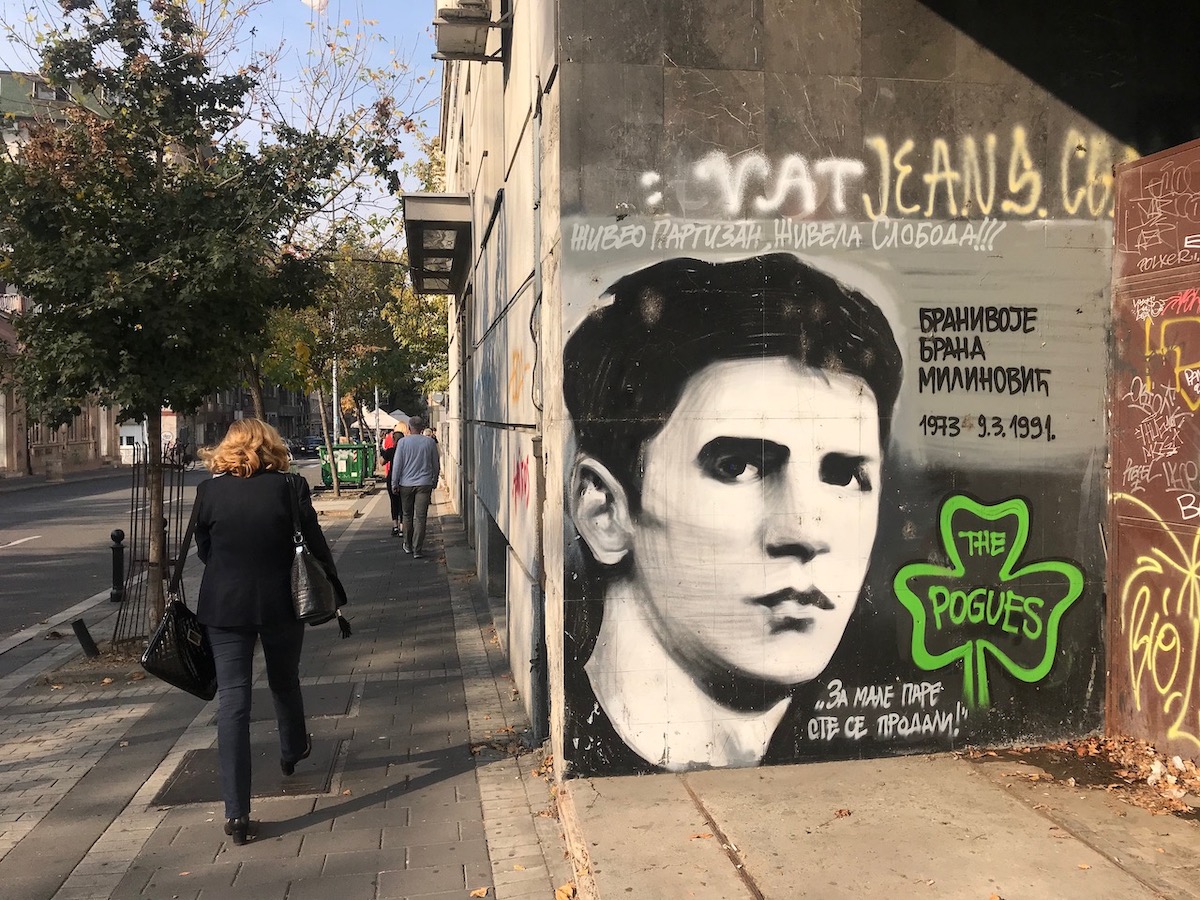
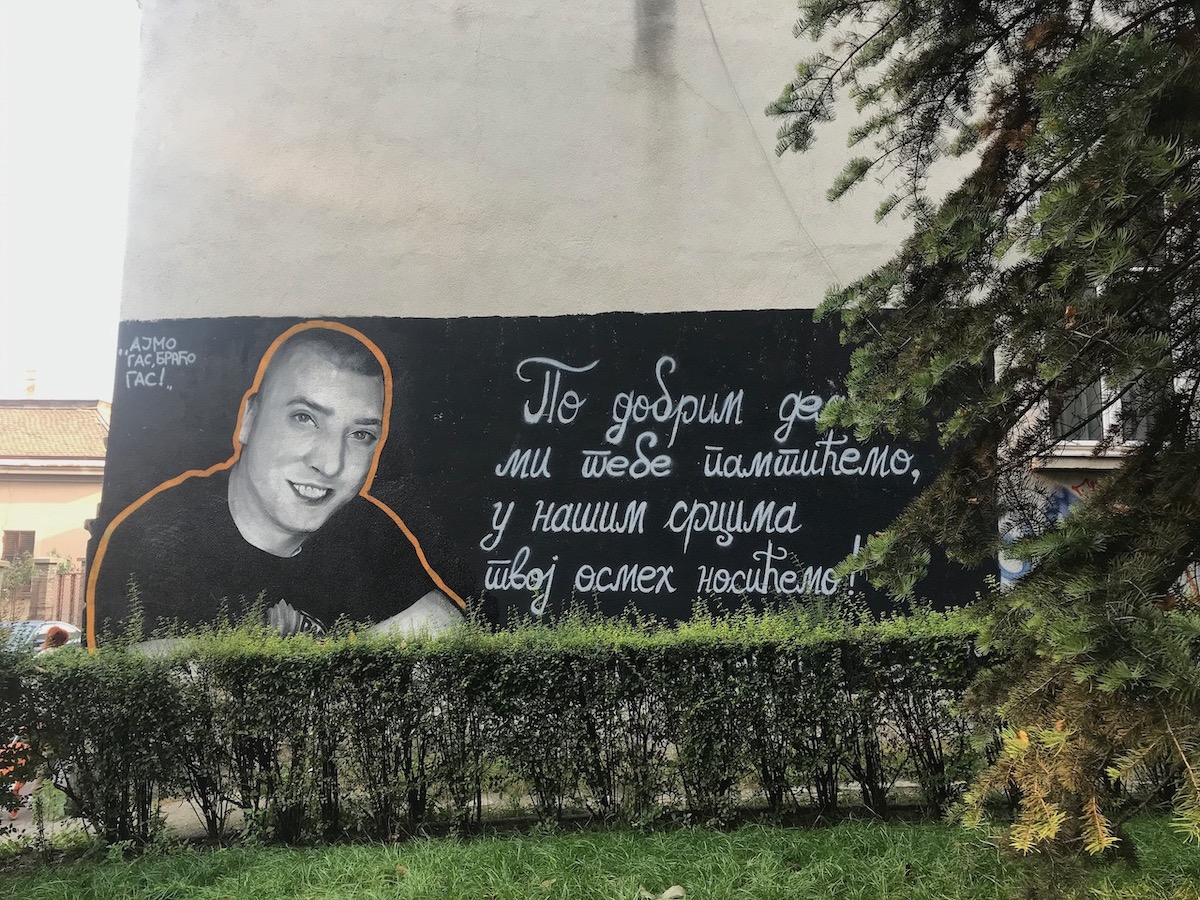
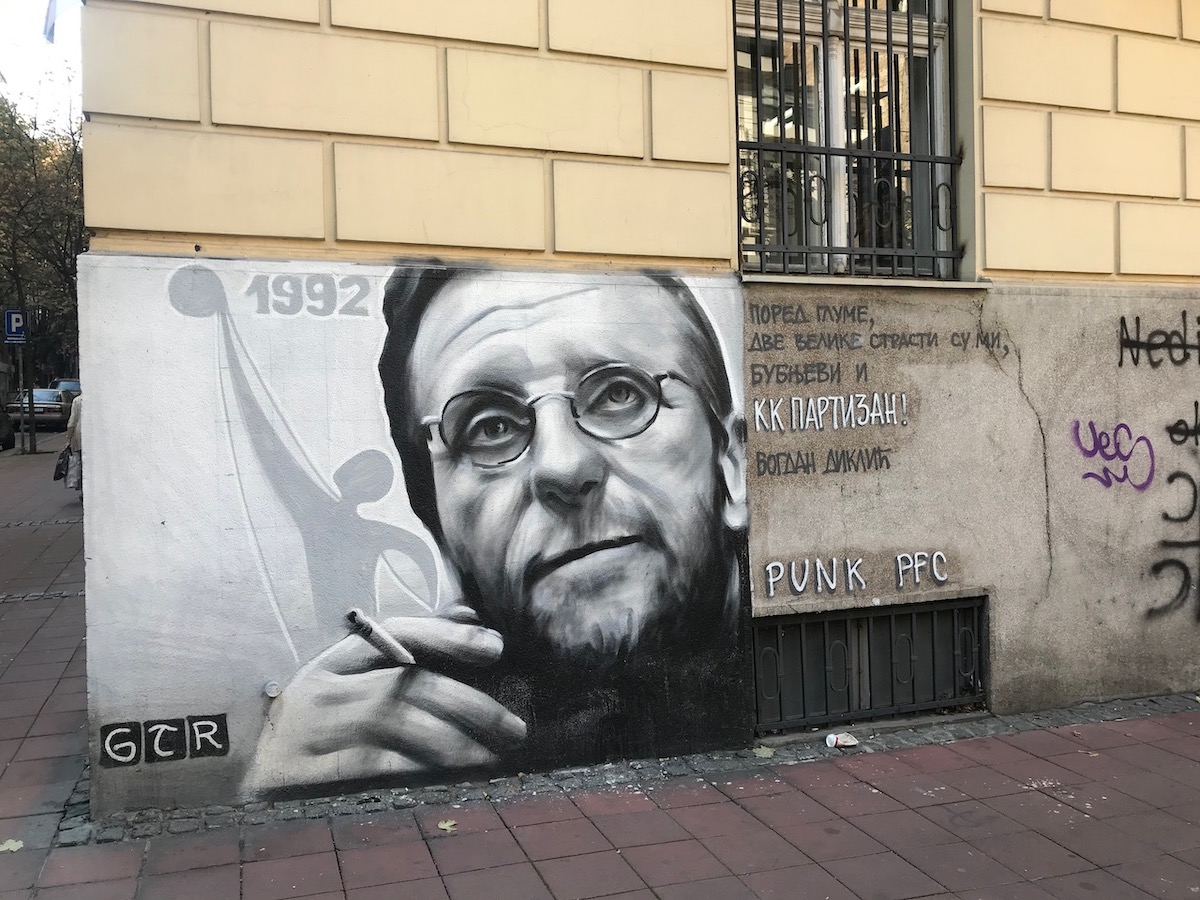
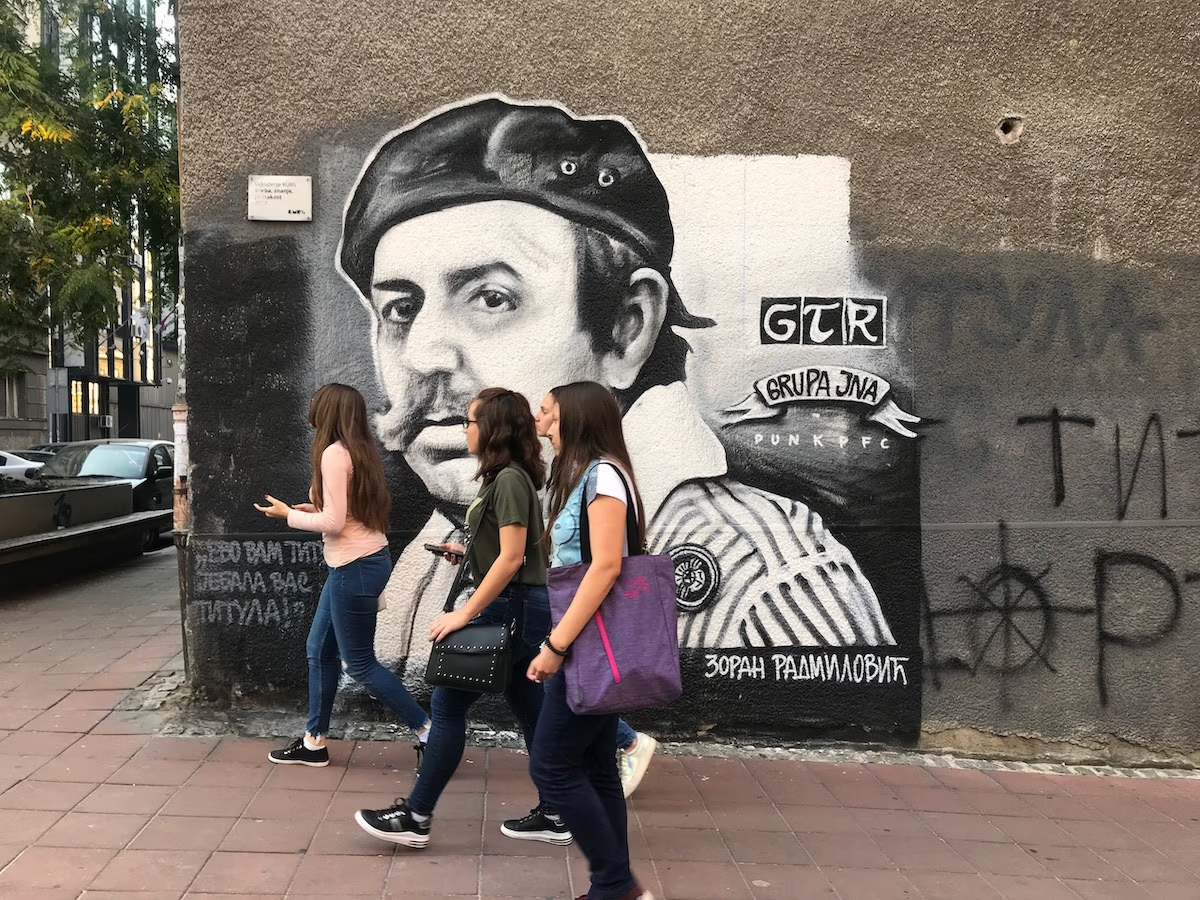
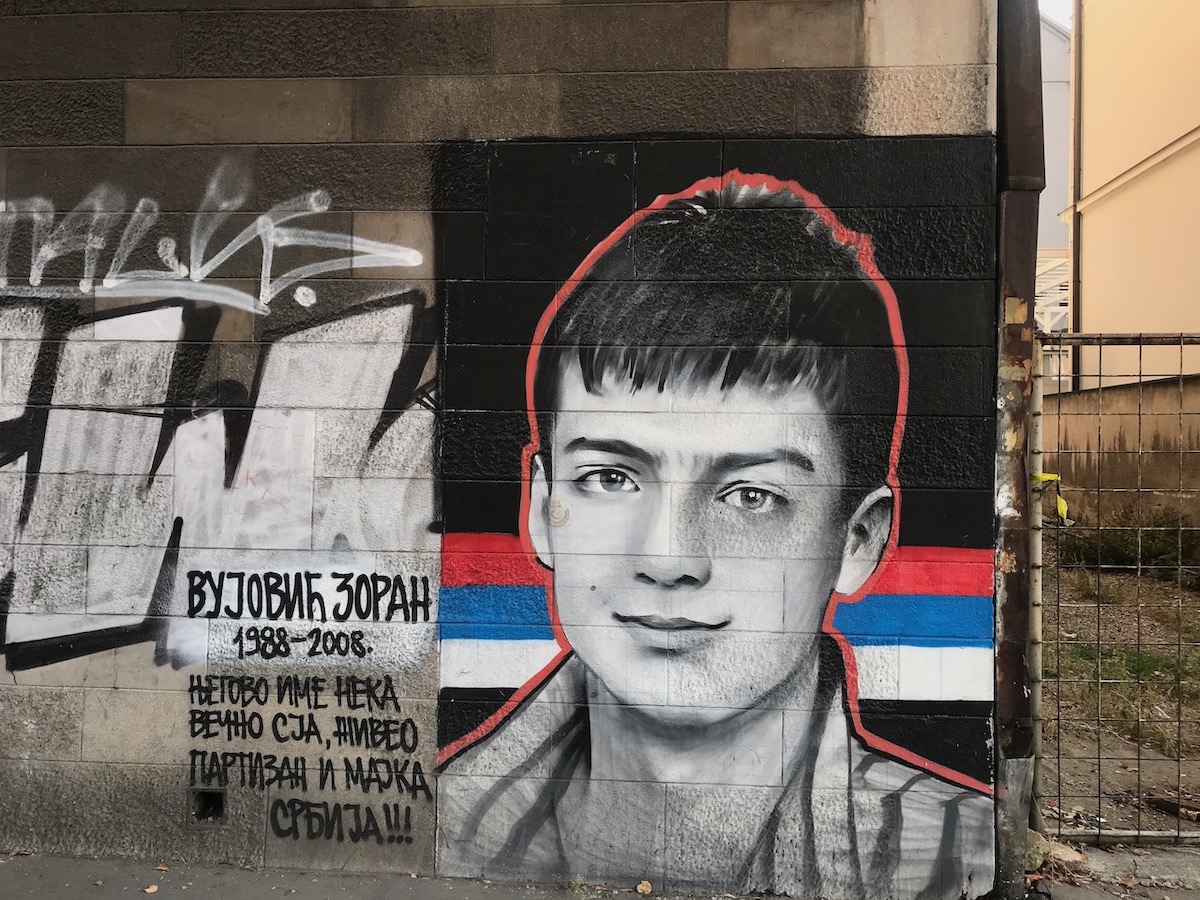
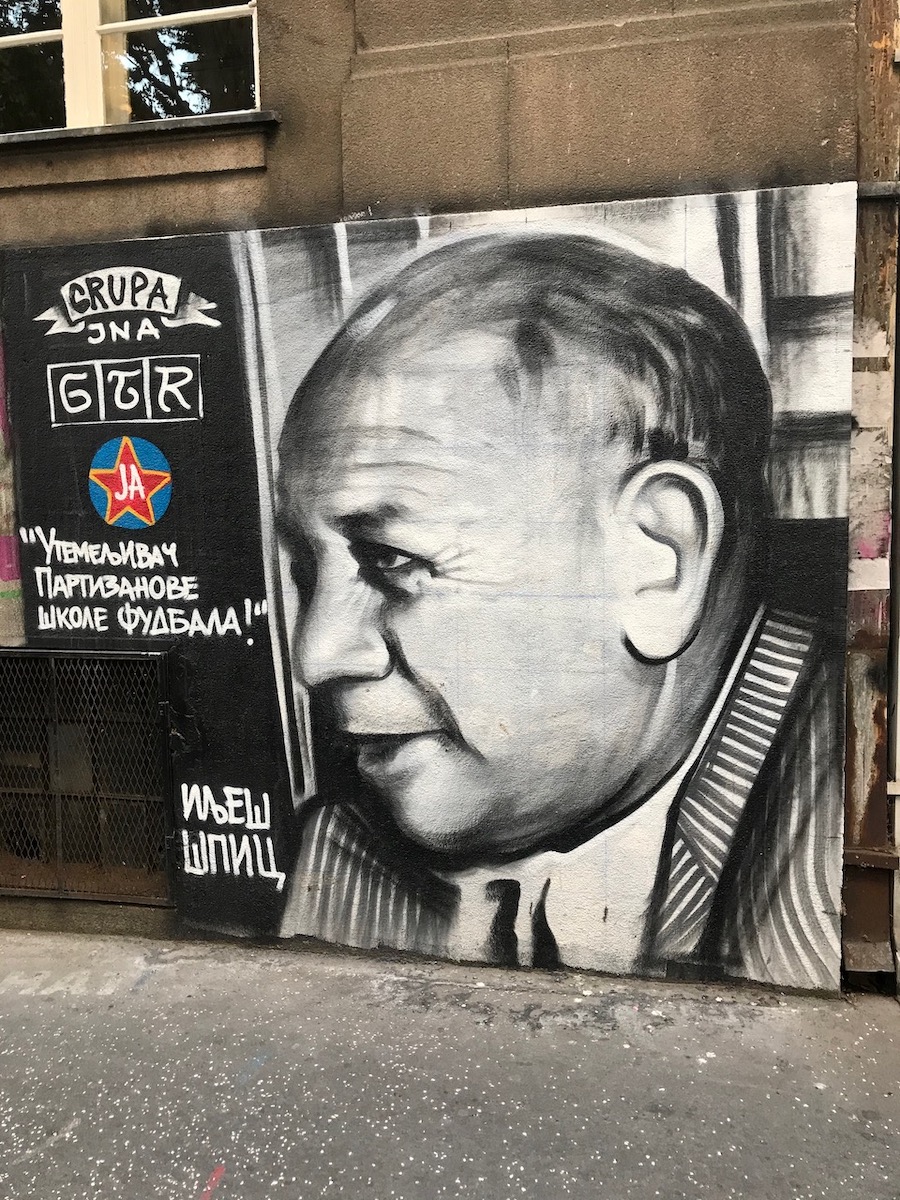
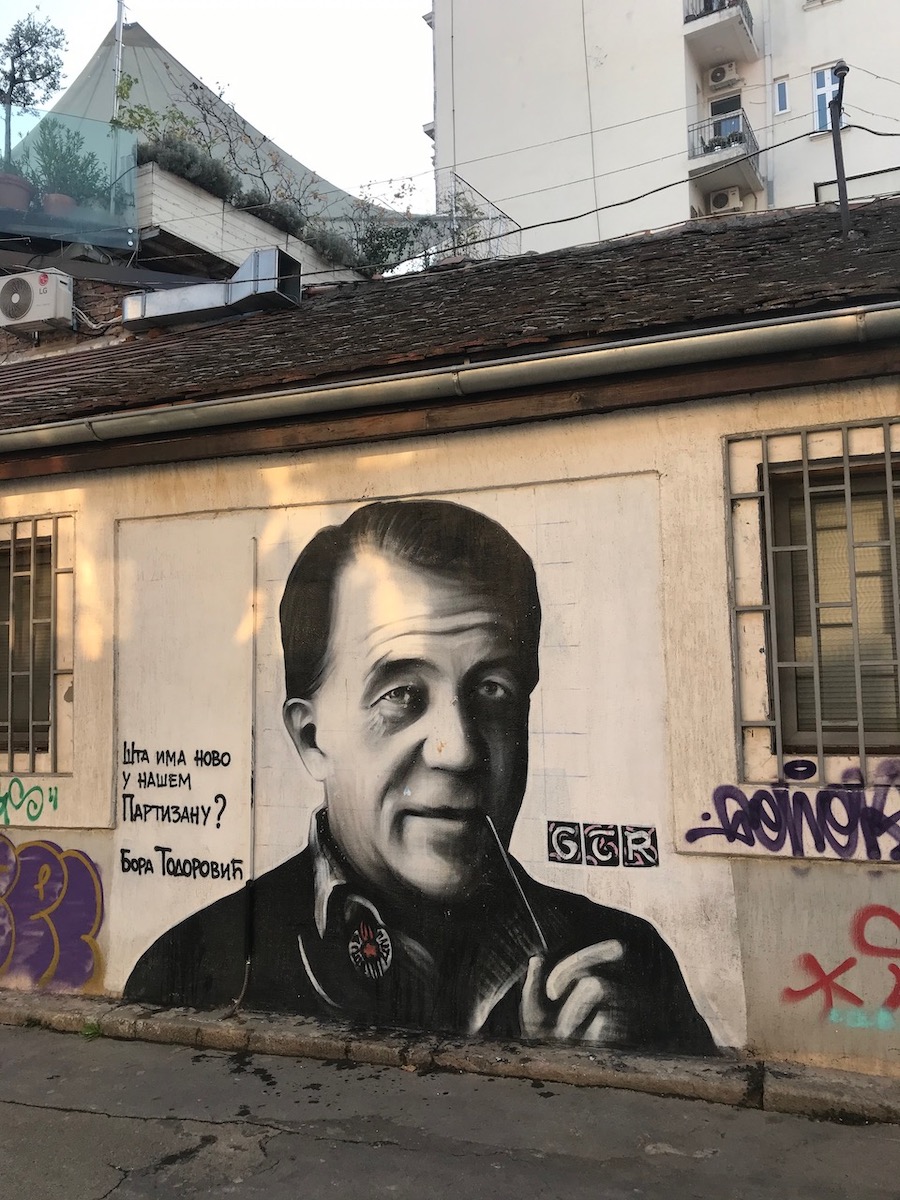
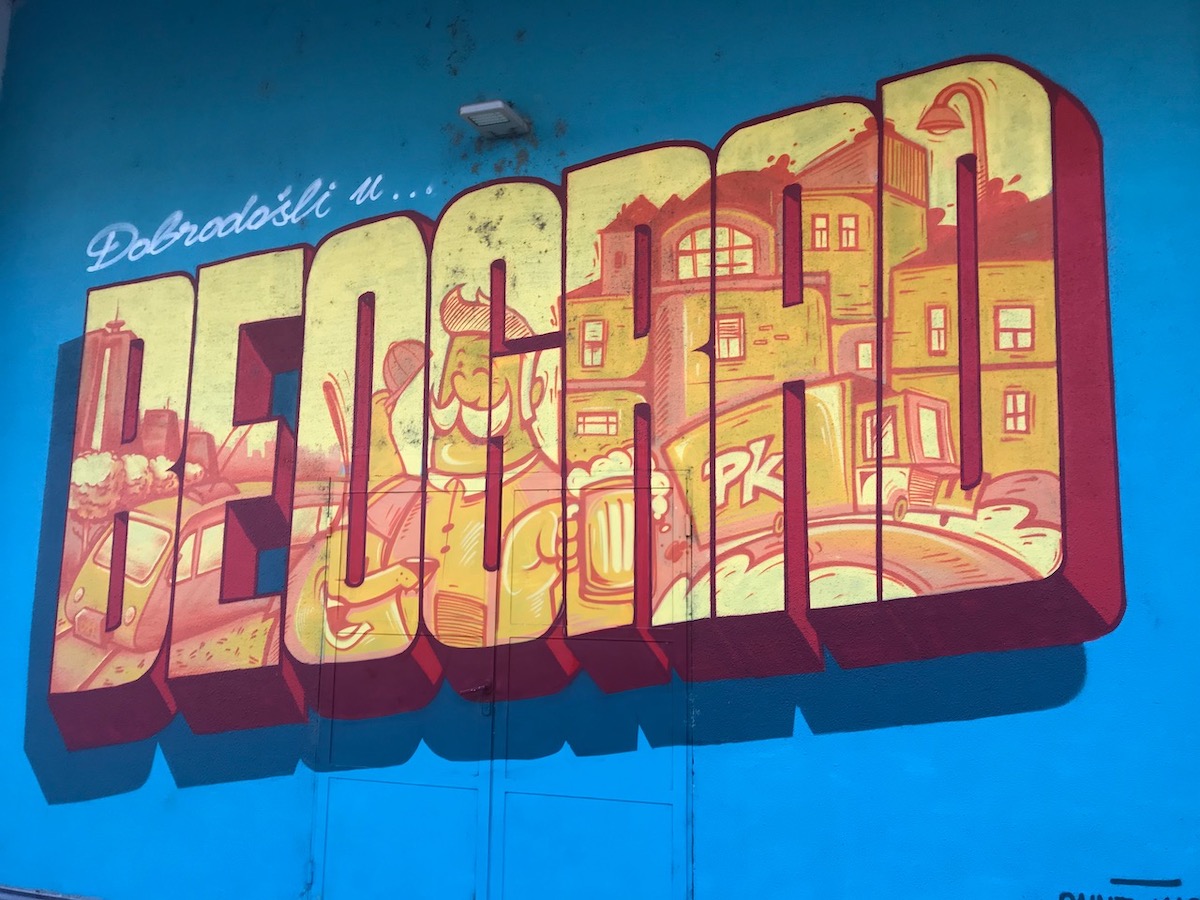
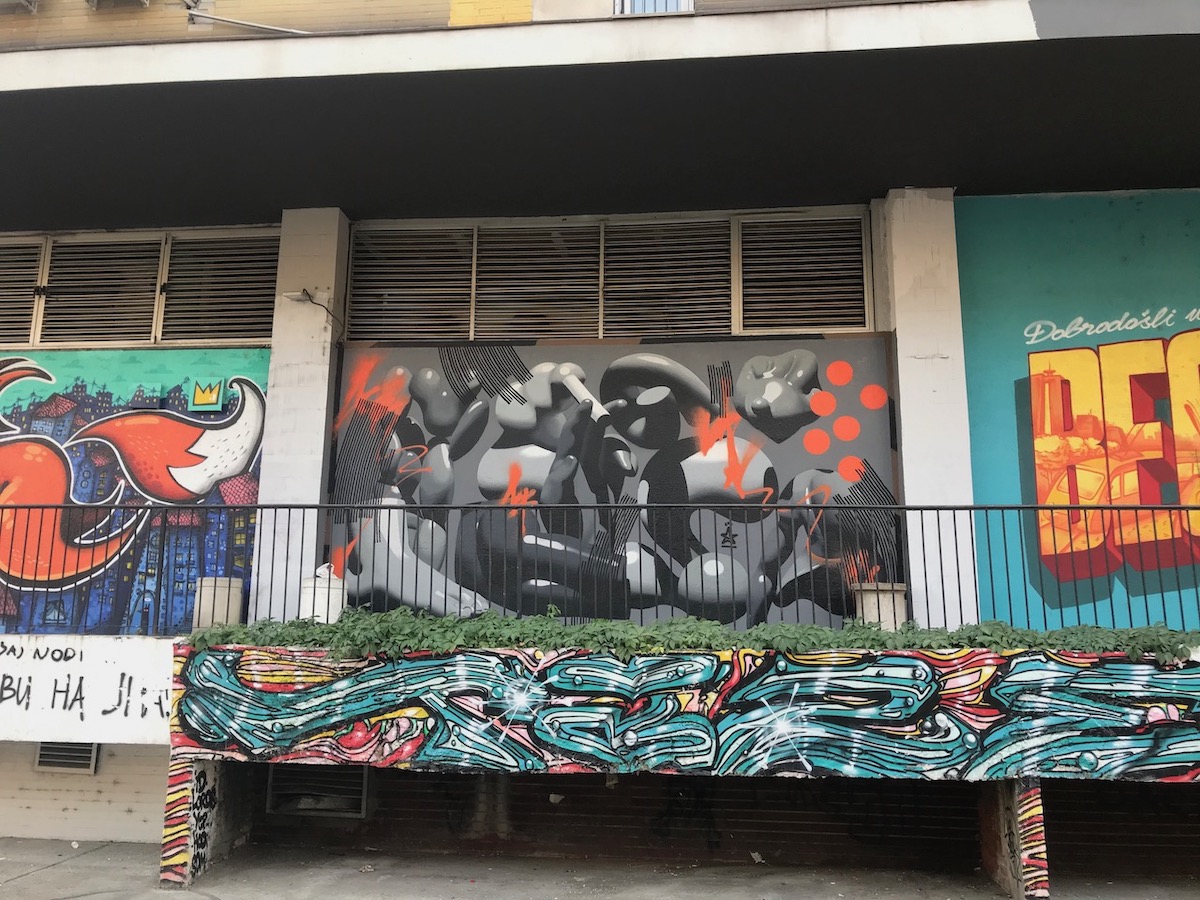
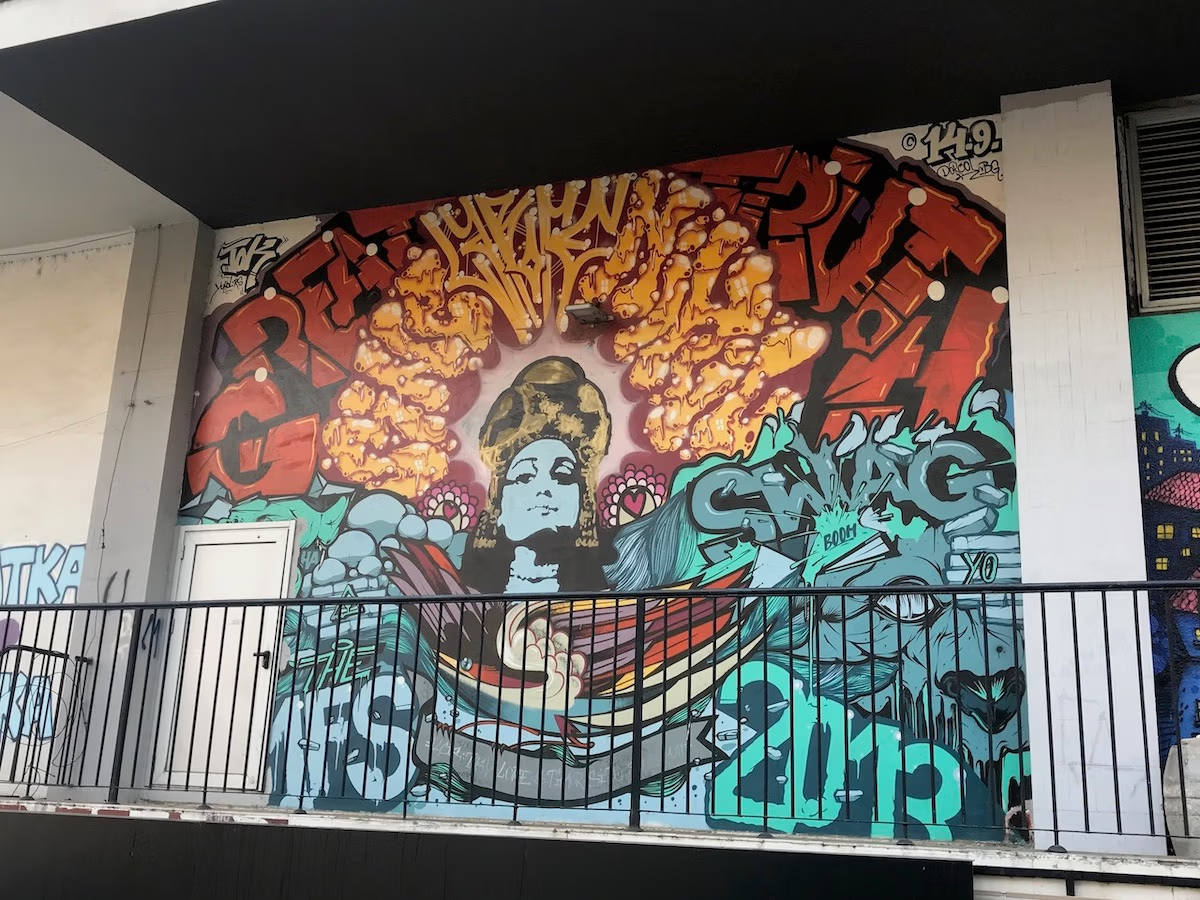
Belgrade is a European city that I really enjoyed exploring. As I increased my walking miles I noticed these black and white ‘paintings’ all over the city. It turns out these portraits originated by two groups the GTR (Grobarski Trash Romanism) and a pun group JNA in support of the Partizan sports club.
These portraits were initiated by the GTR and JNA group in 2015 and consist of black-and-white murals depicting public figures from Serbia and around the world (actors, athletes, musicians). These portraits are around every corner and it is like a treasure hunt to find them.
Cuenca
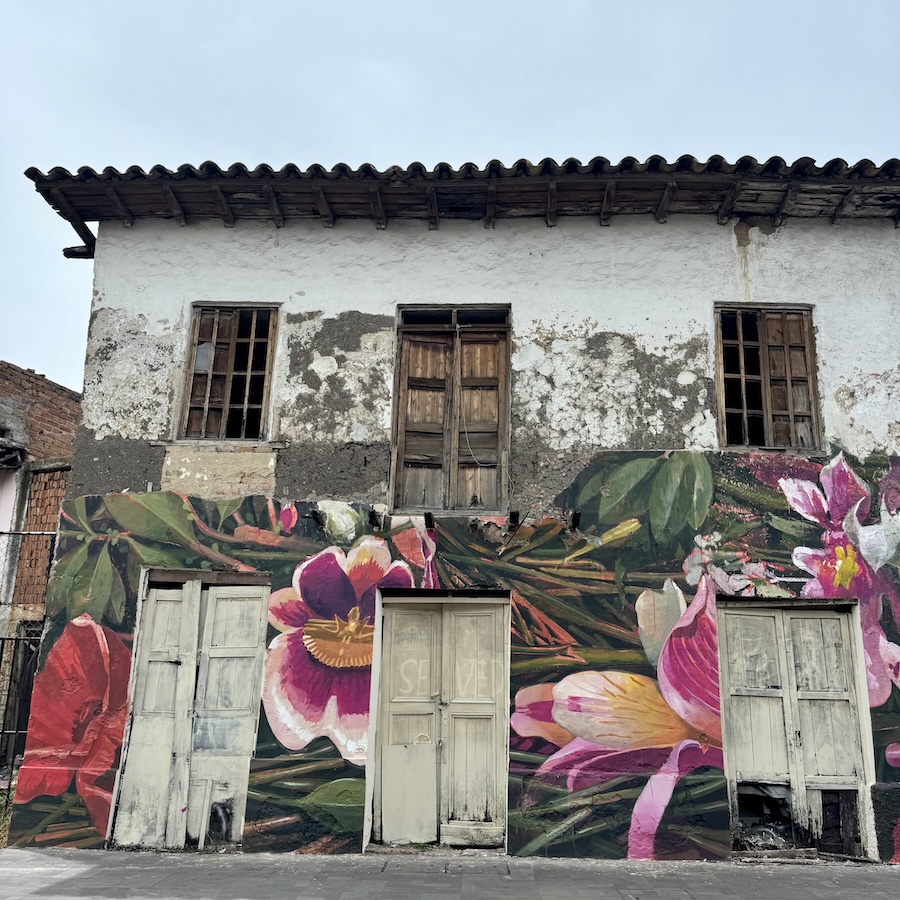
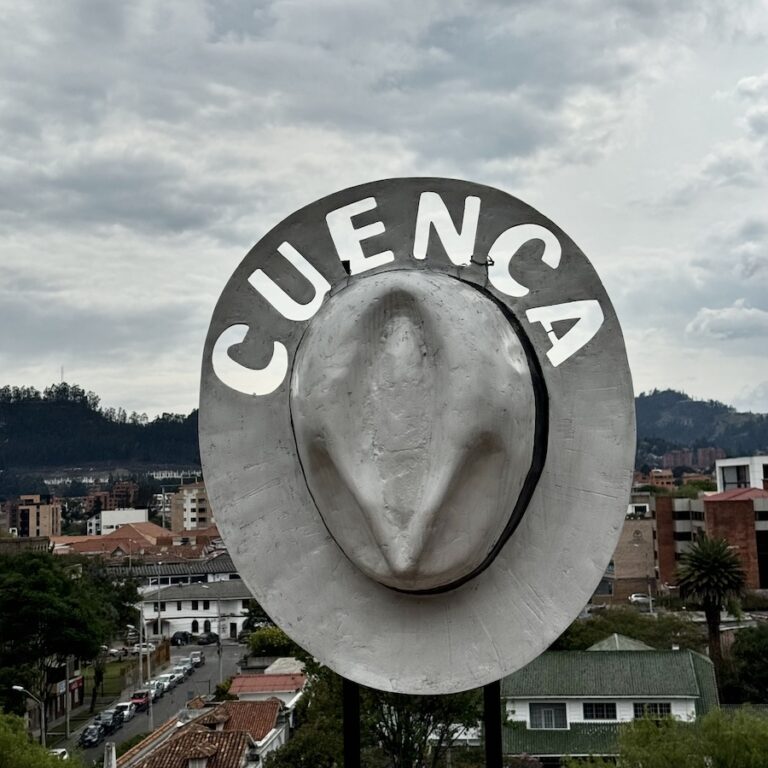
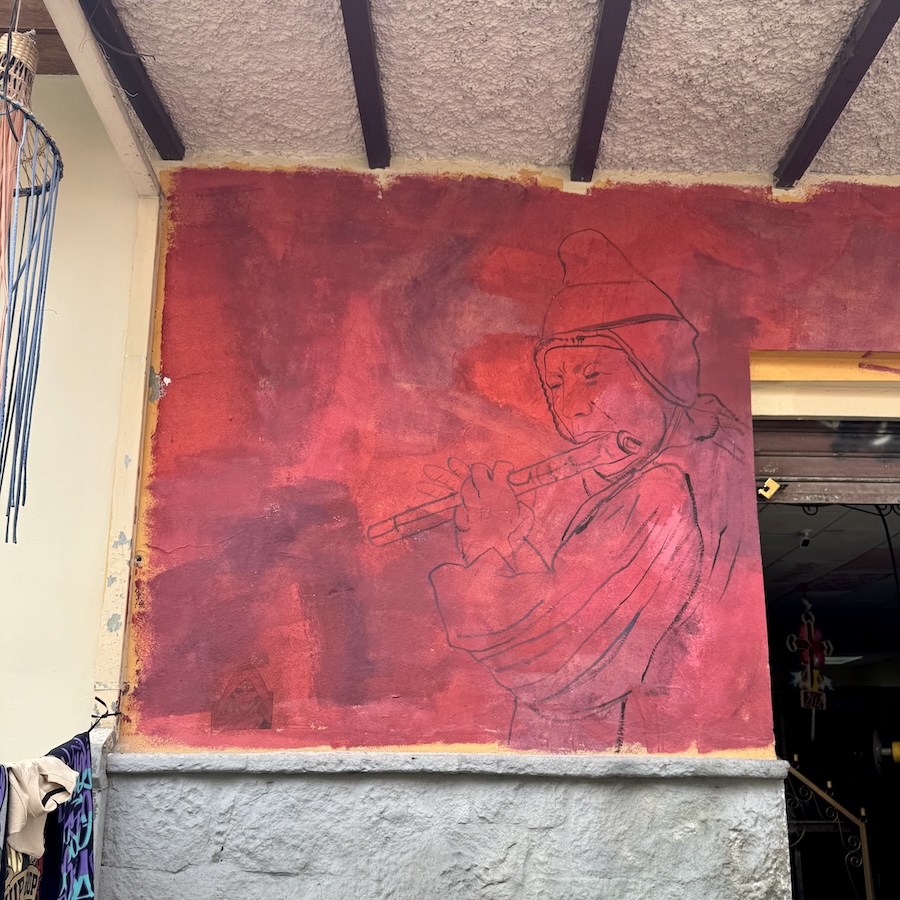
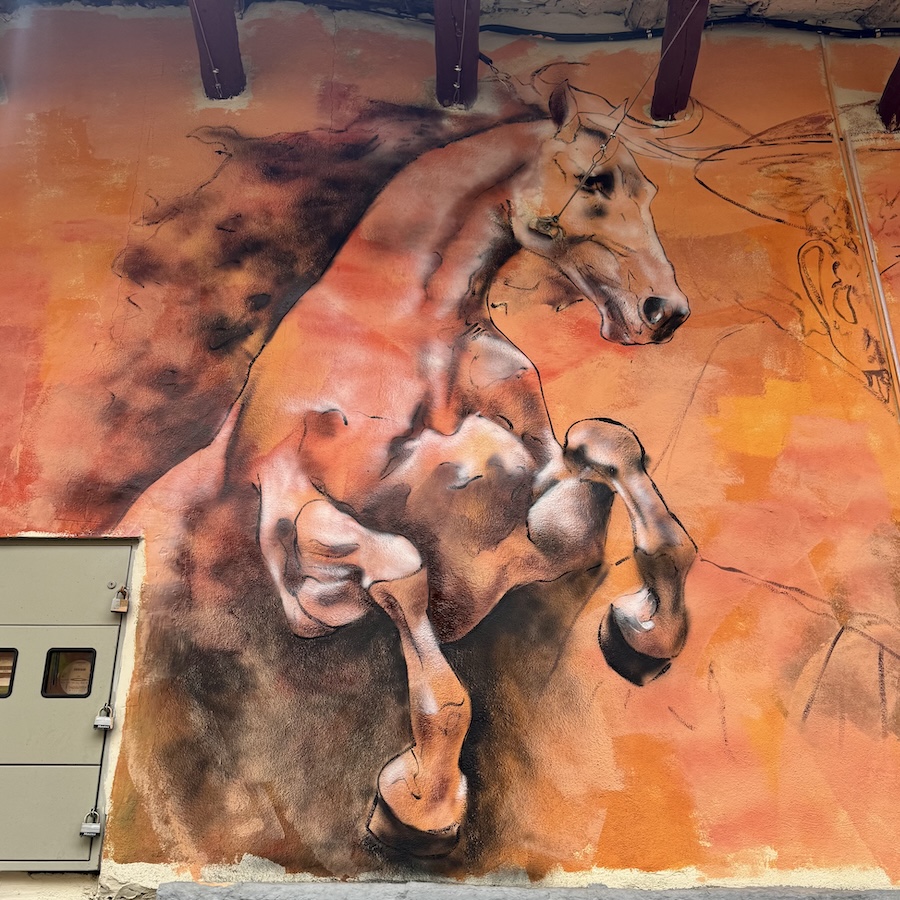
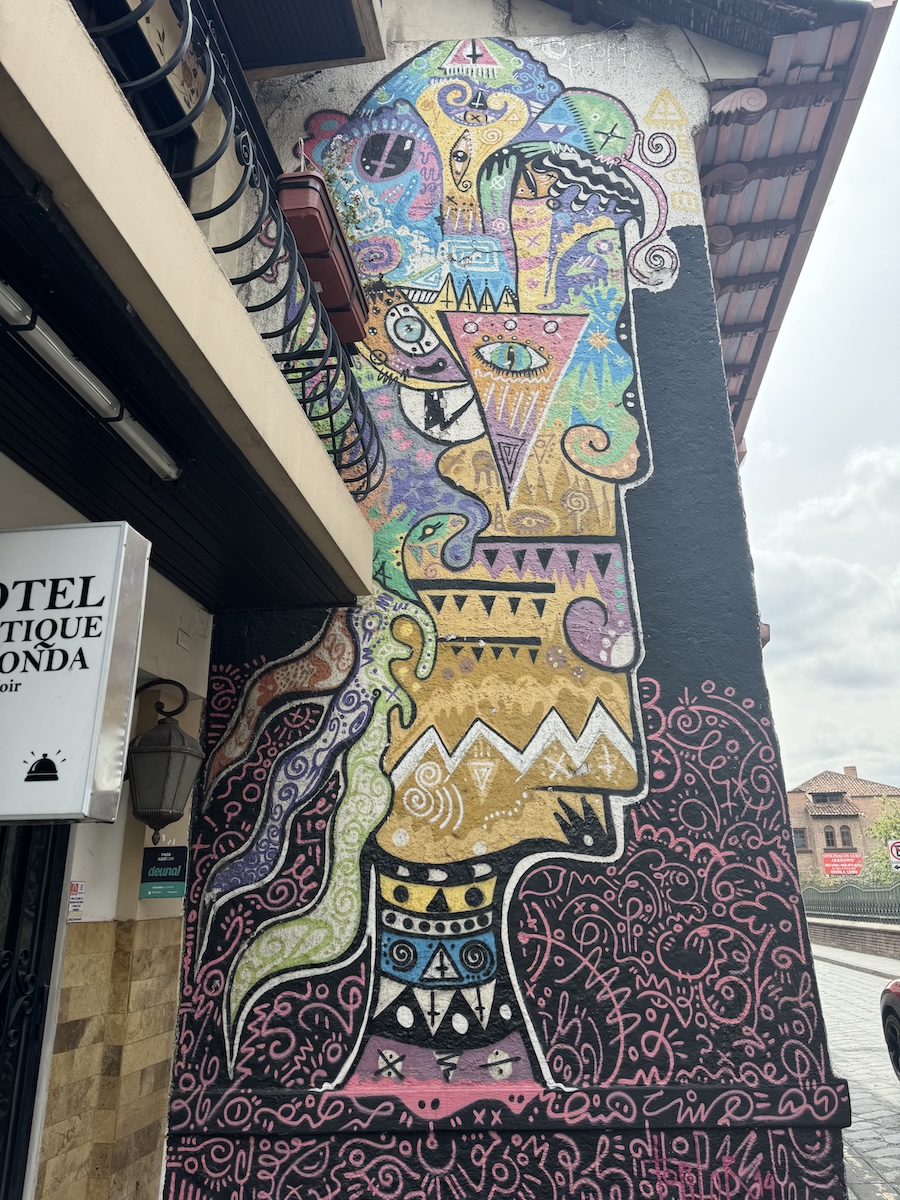
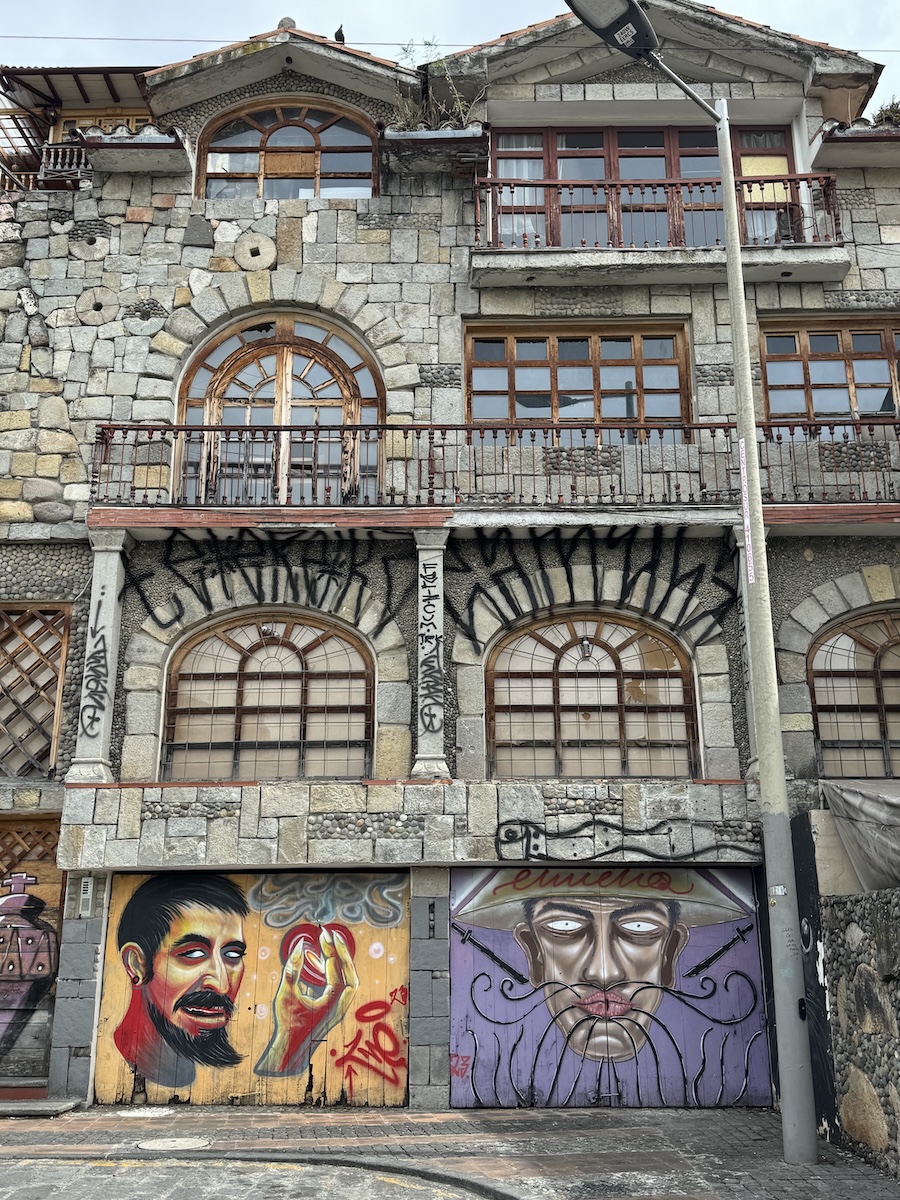
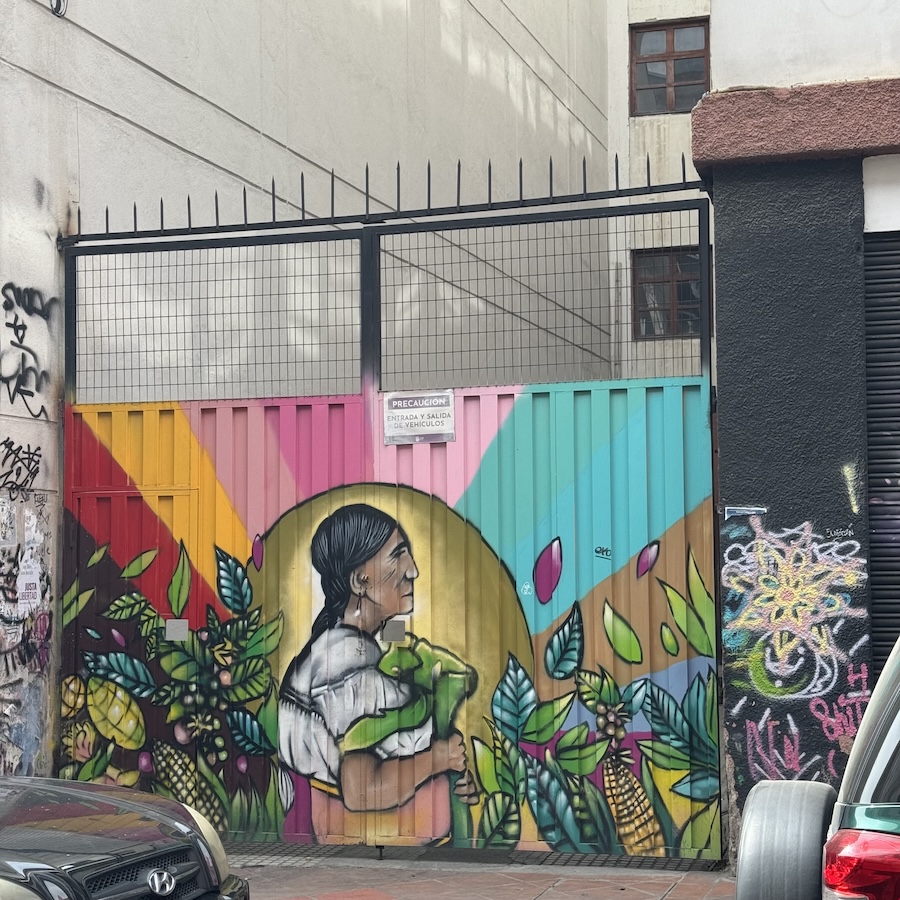
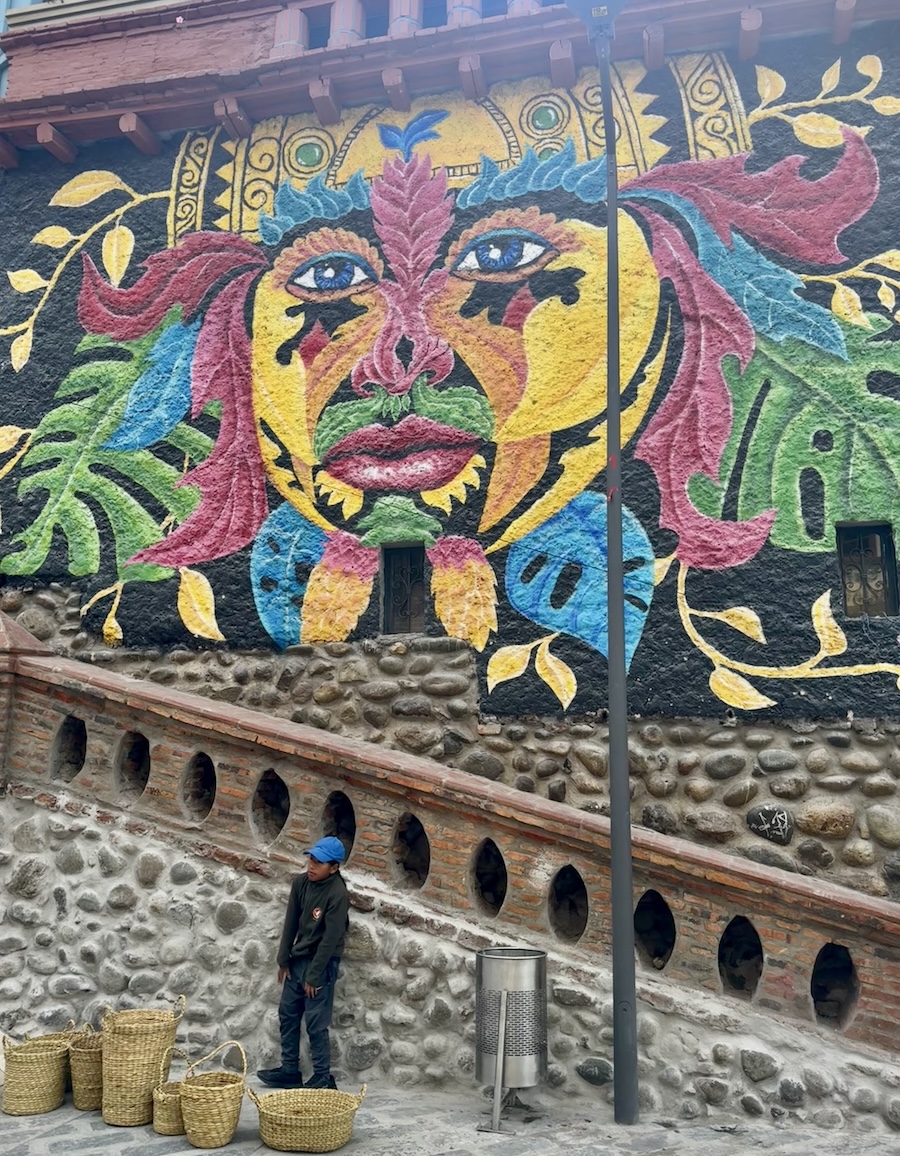
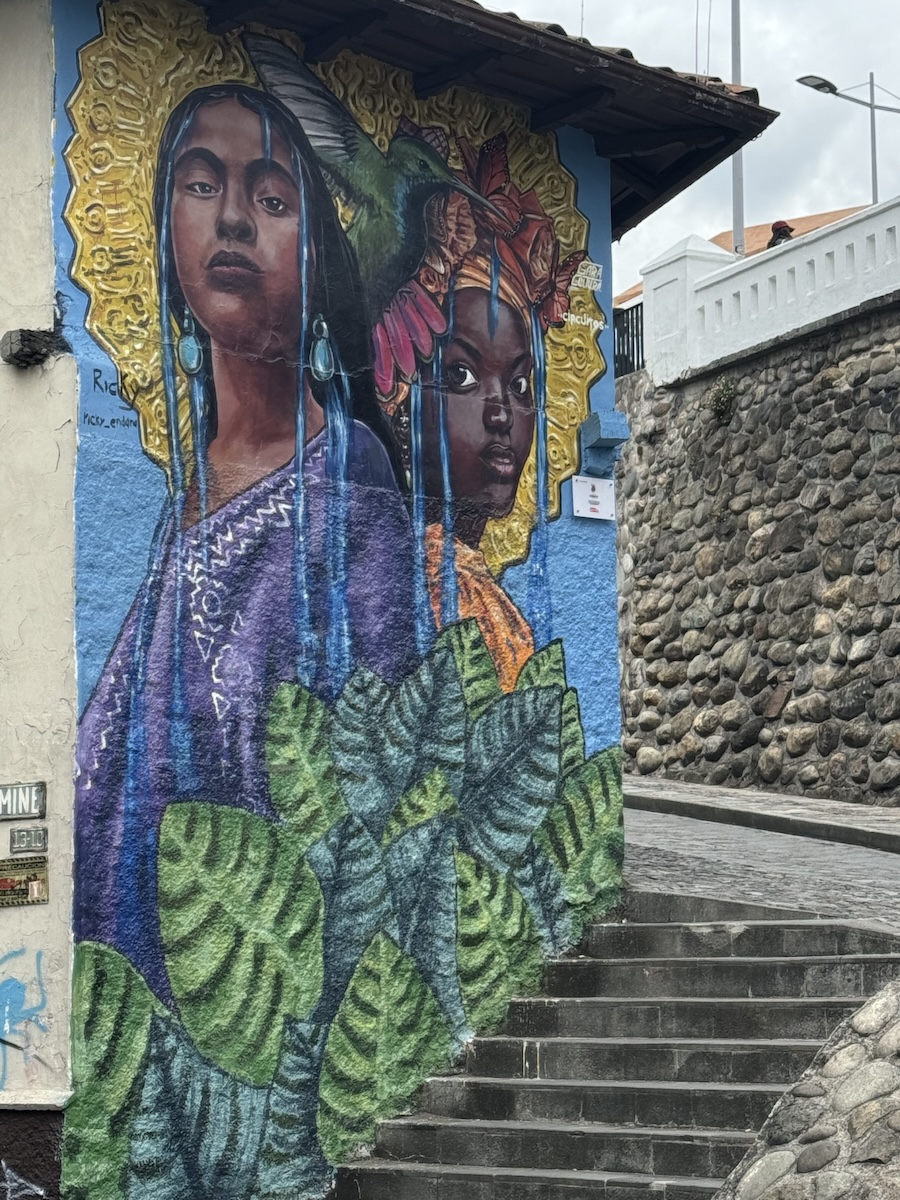
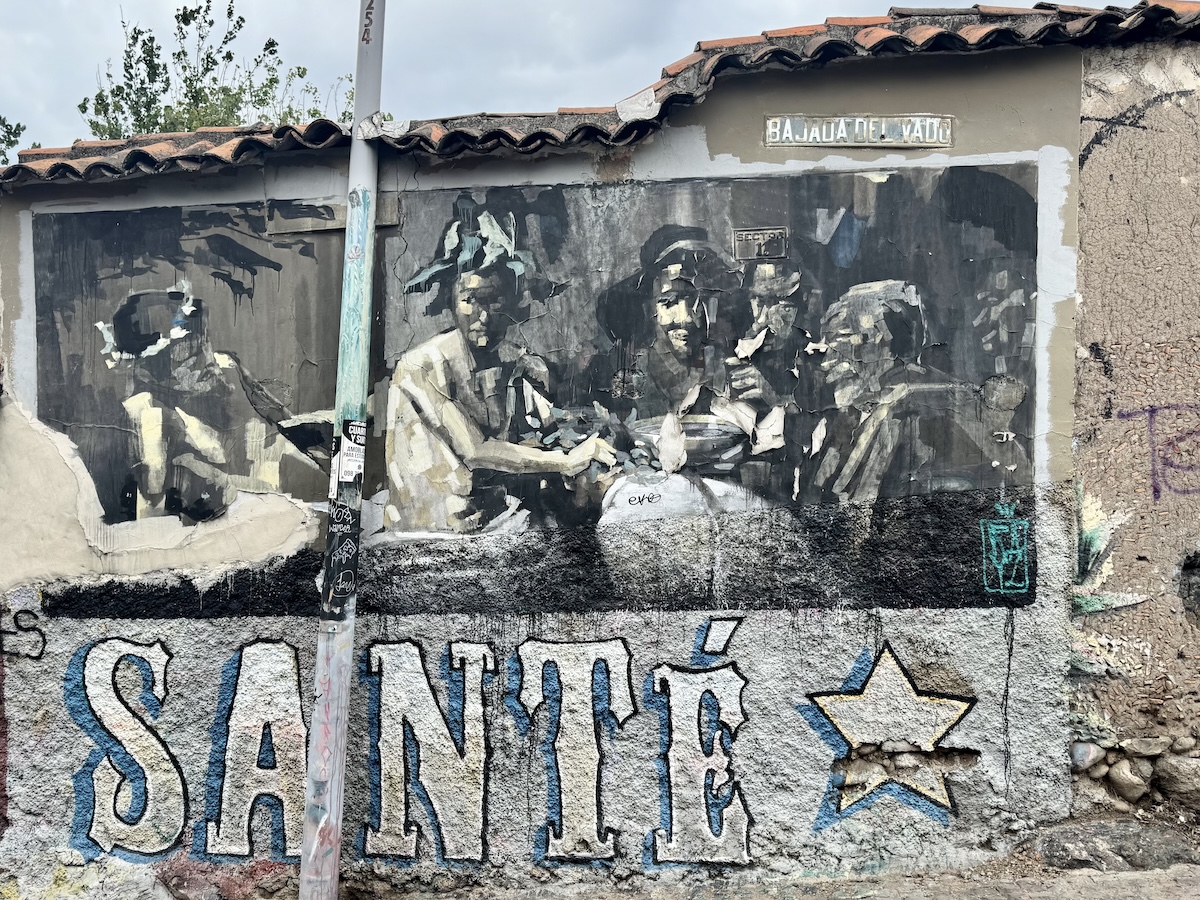
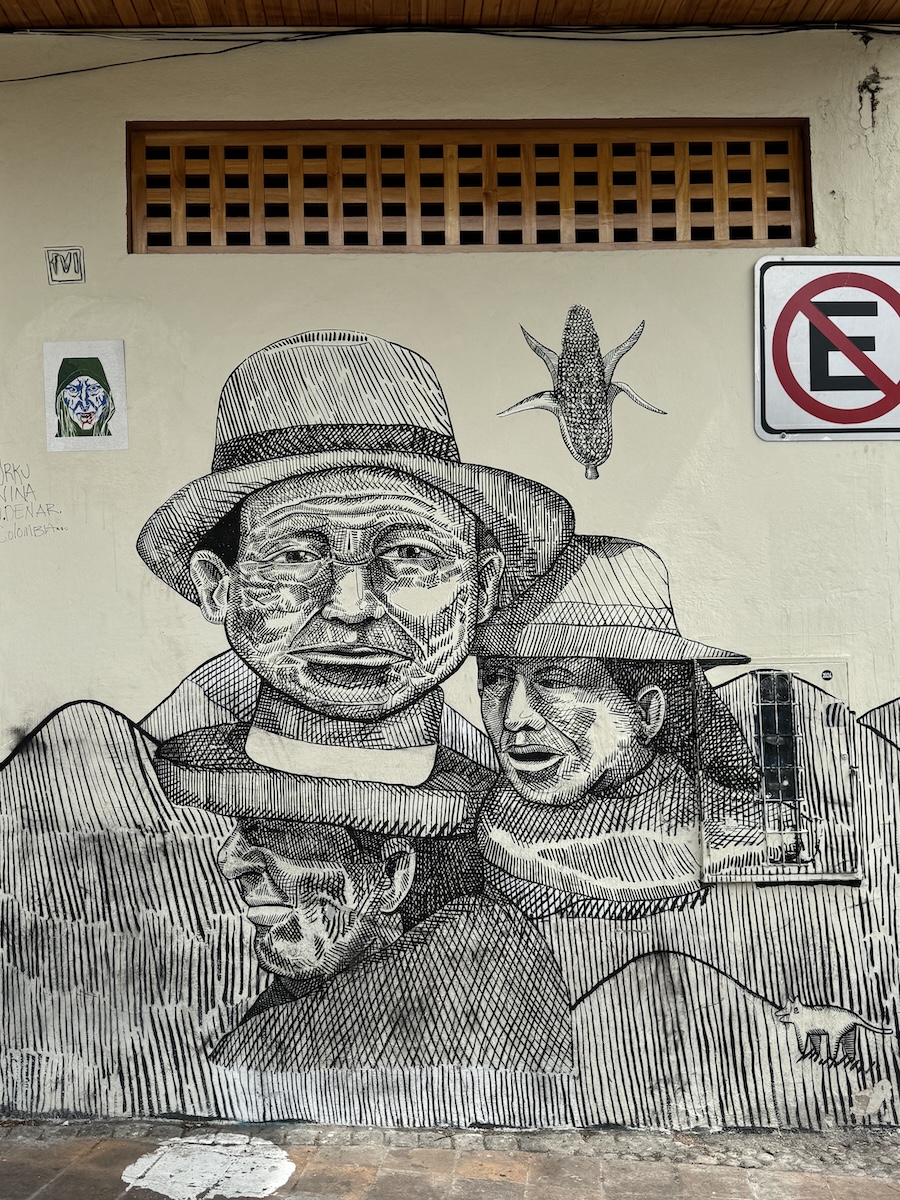
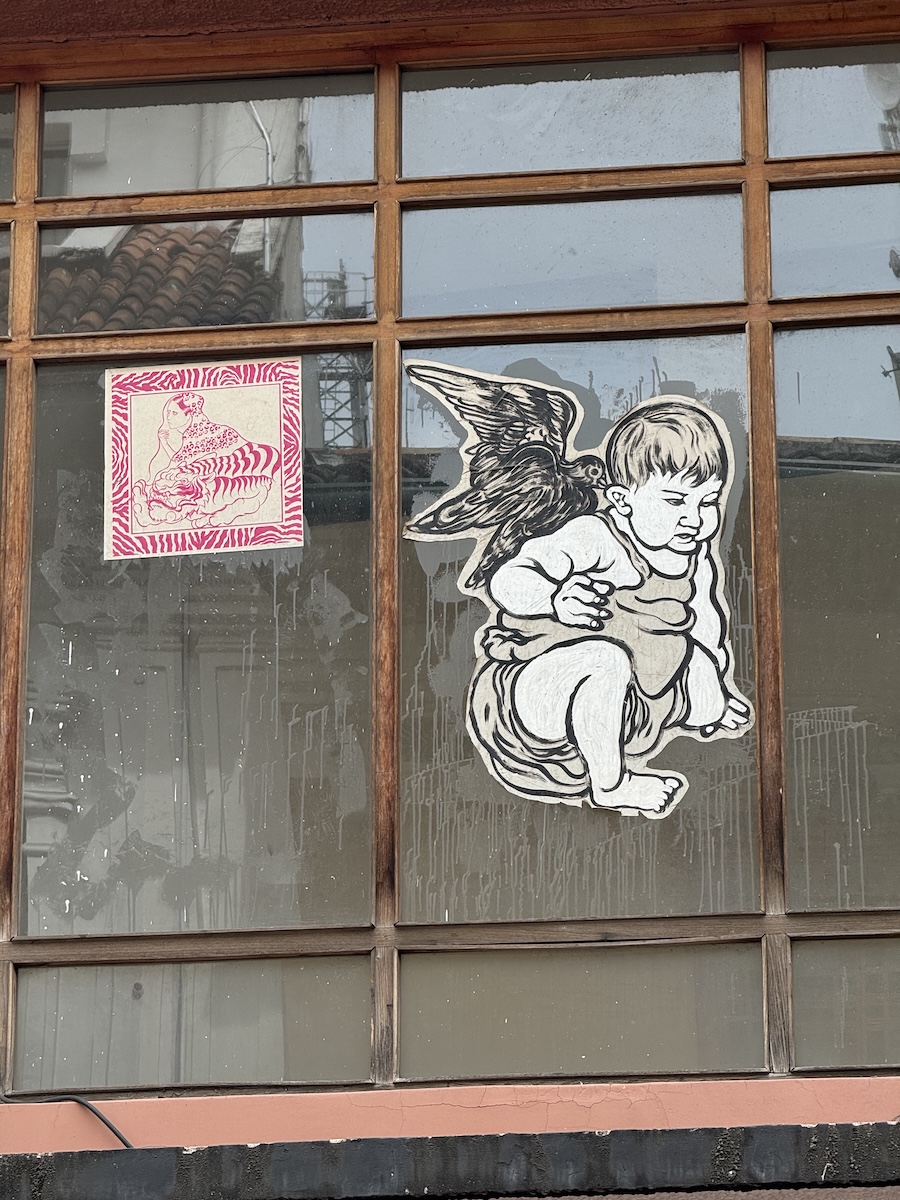
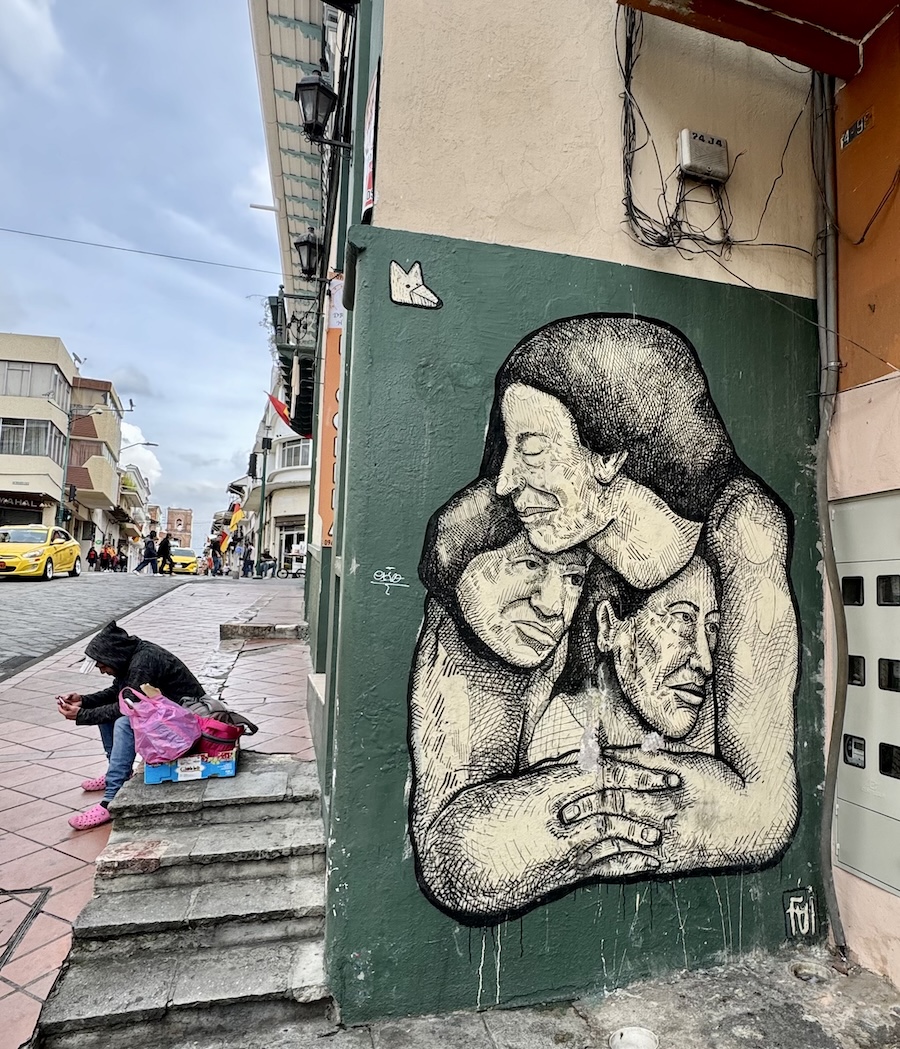
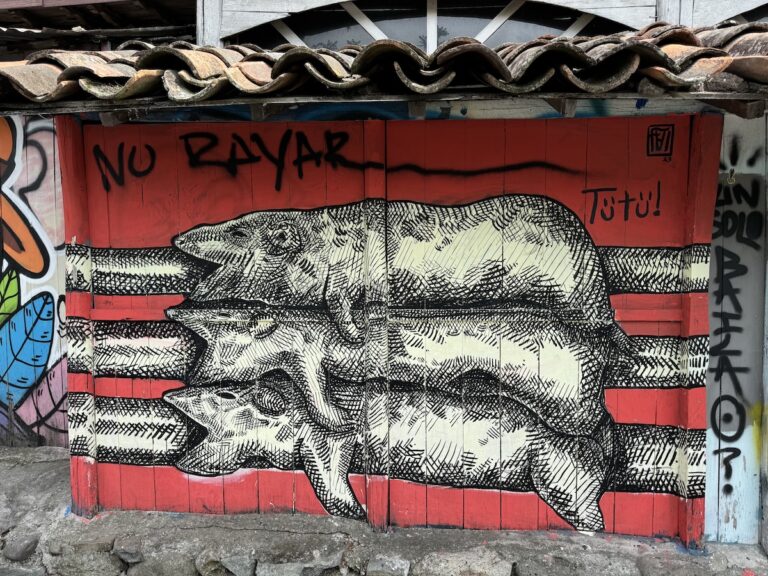
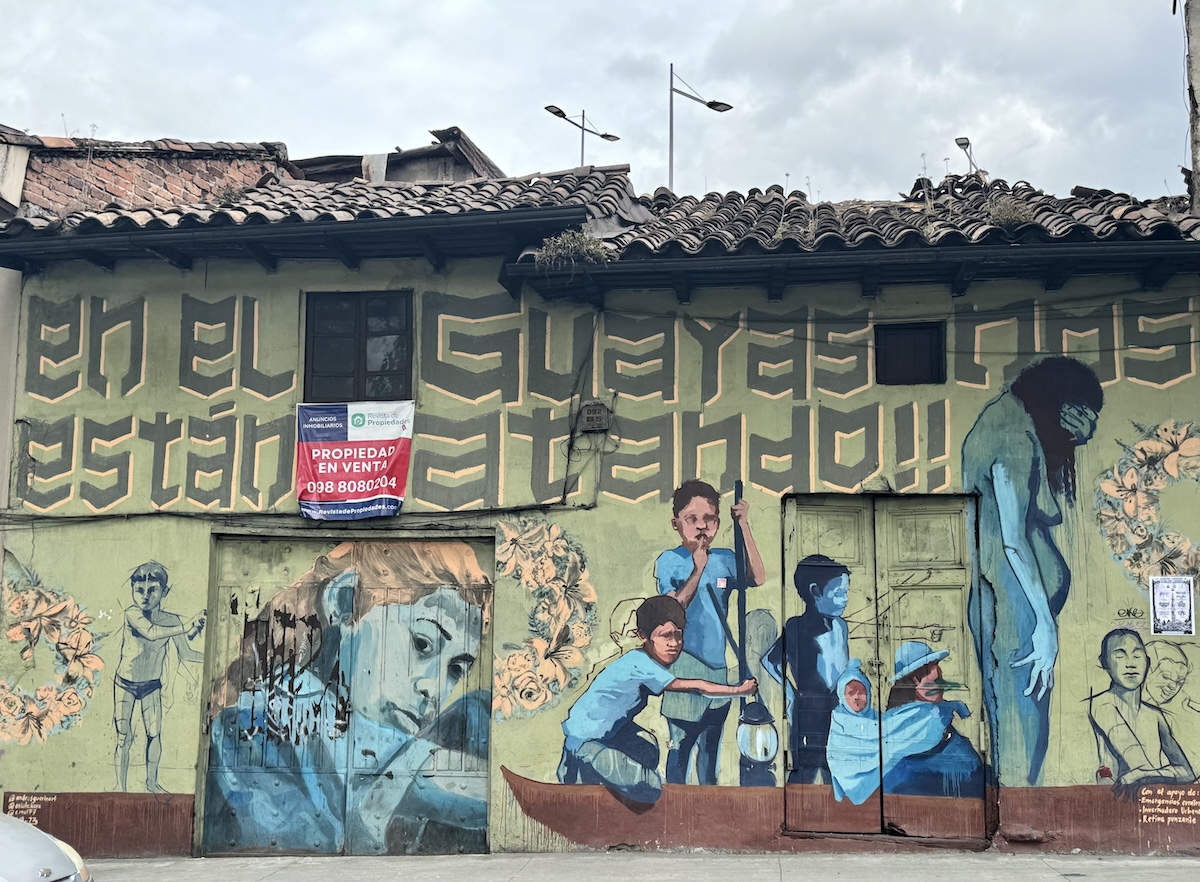
Cuenca in Ecuador is just a very artistic city with many art fairs and shows, galleries and street art. It is considered the arts capital of Ecuador with many art galleries, museums, urban murals and markets where local craftsmen sell traditional ceramics, weaving and jewelry. Located high in the Andes at 8400 ft elevation it is another city worth a visit.
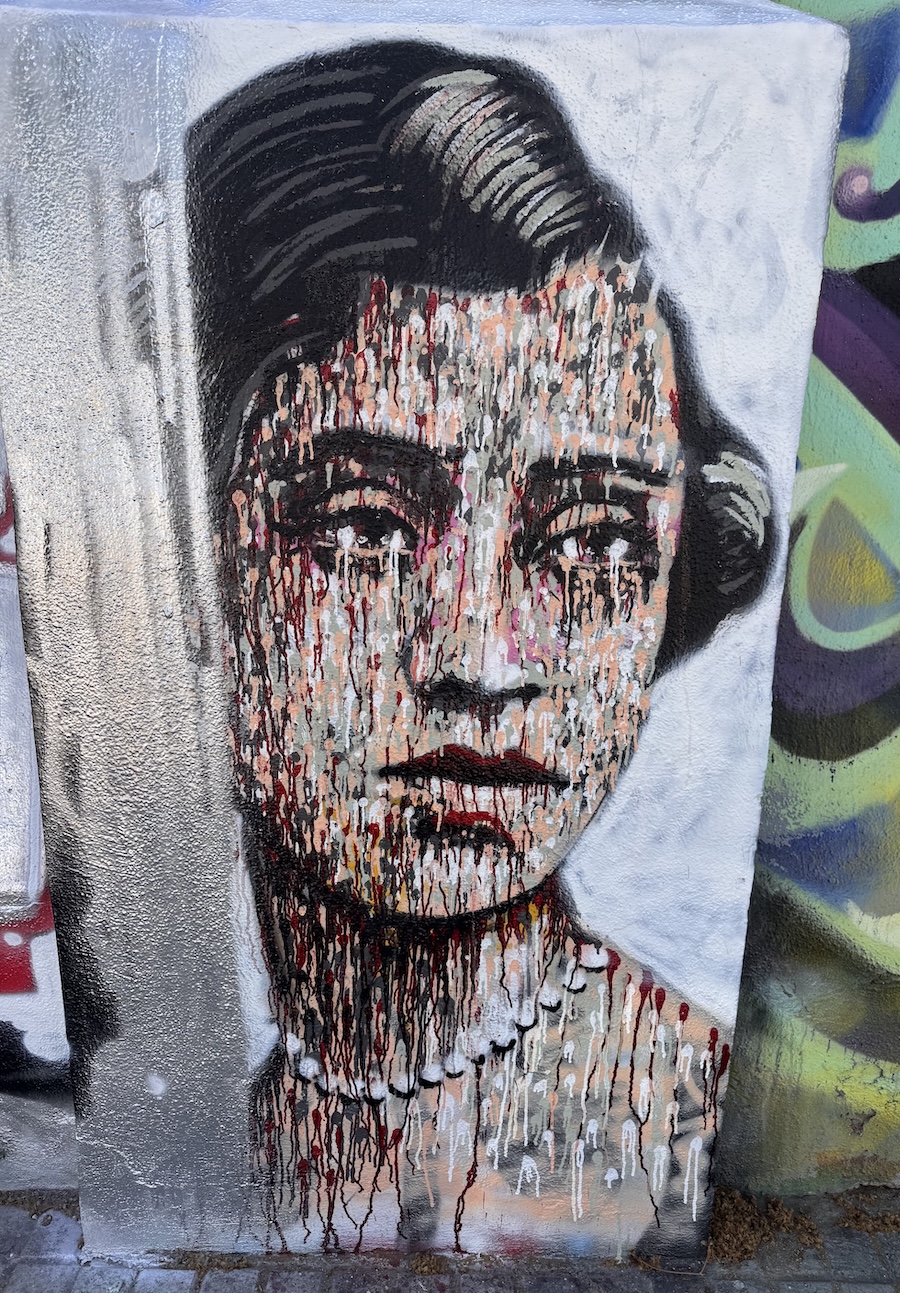
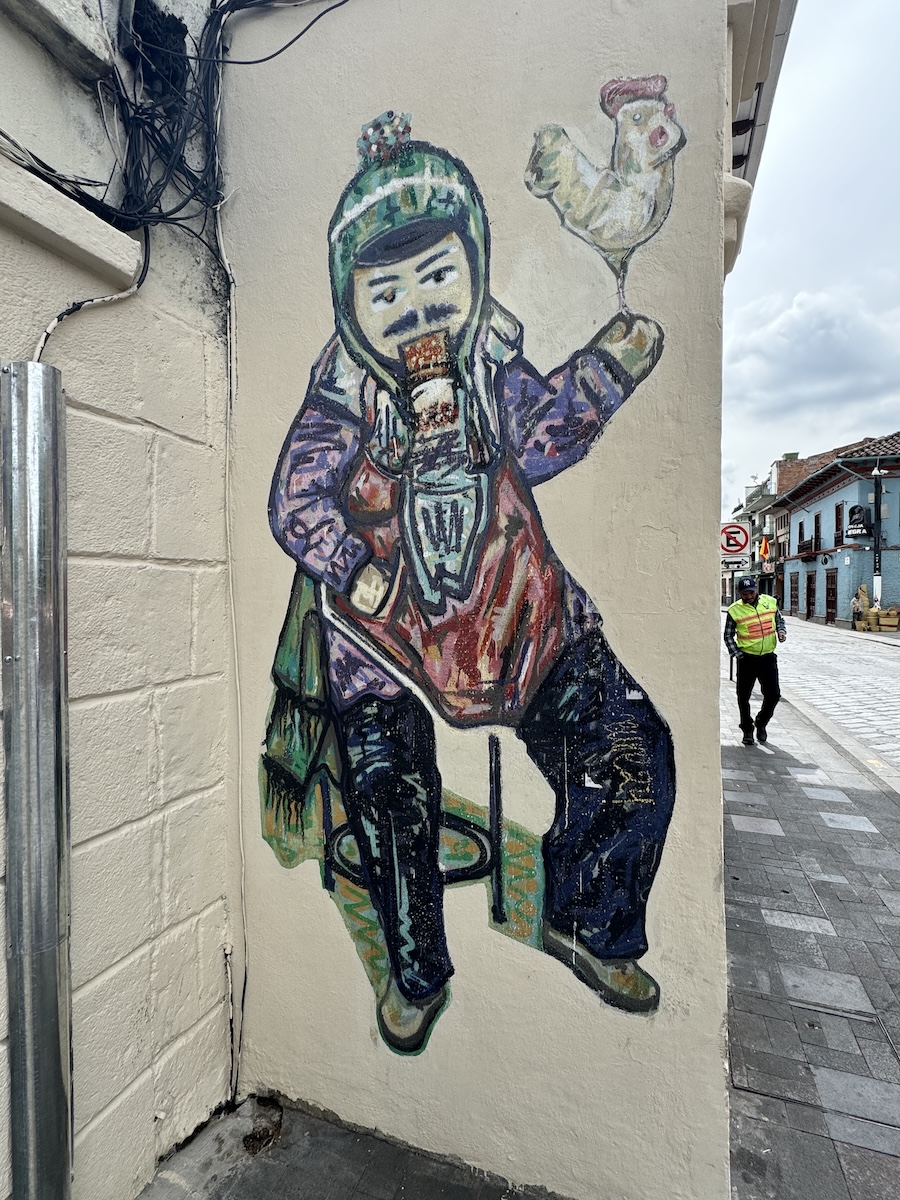
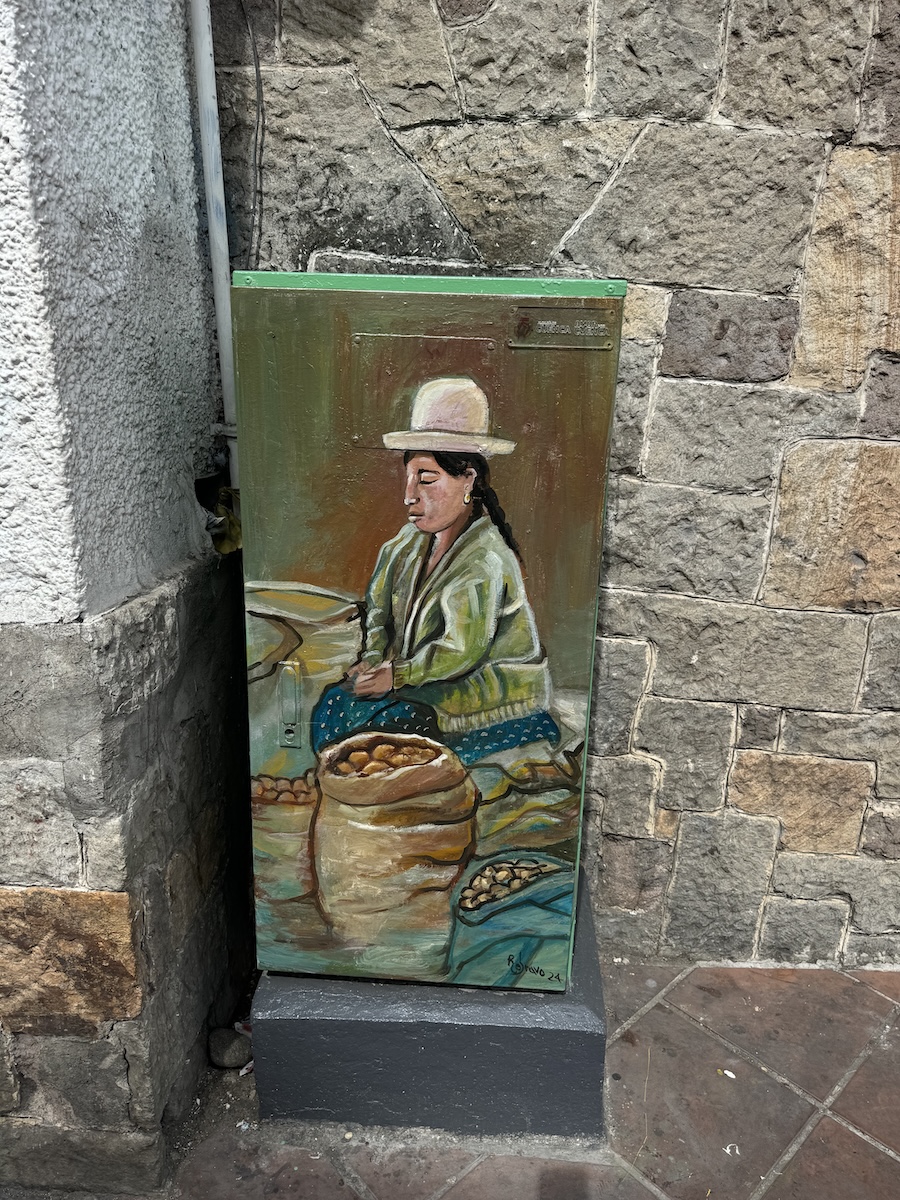
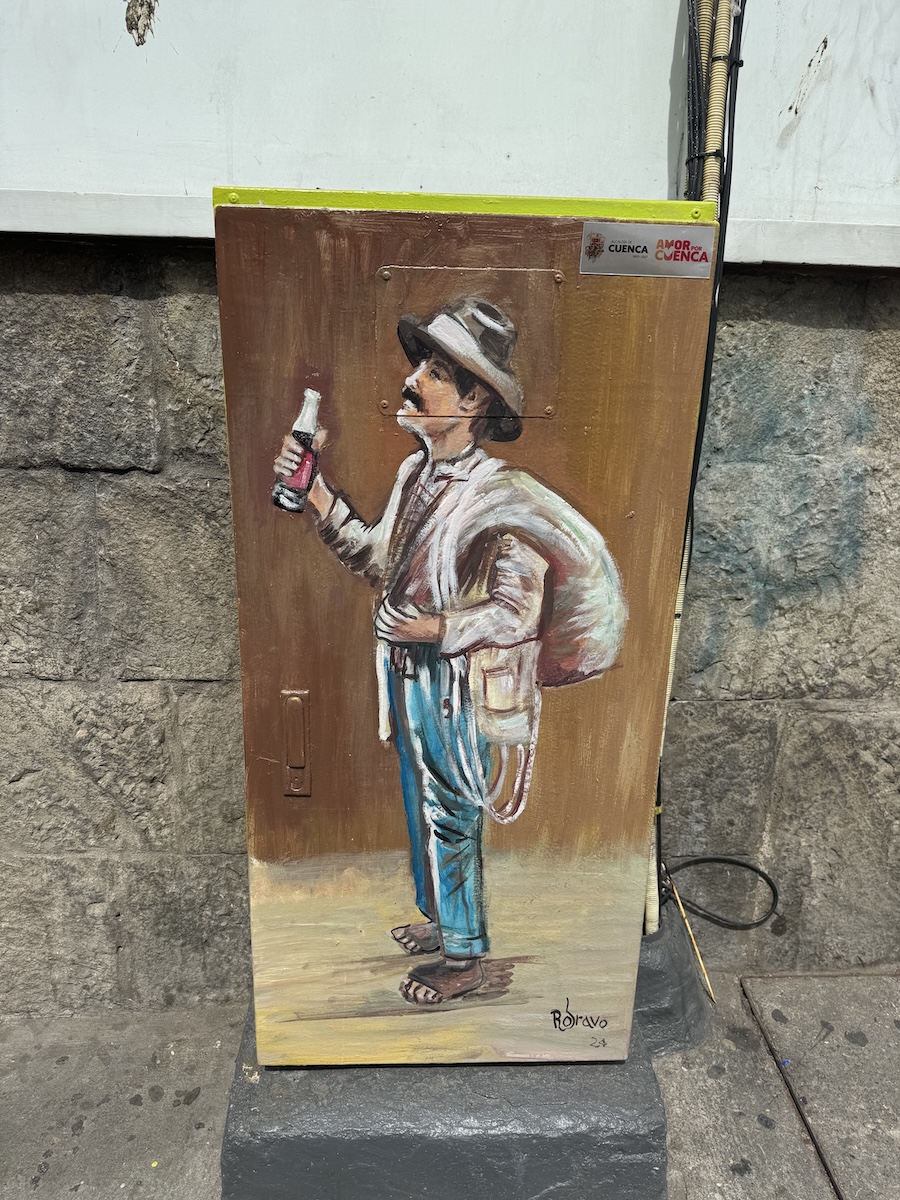
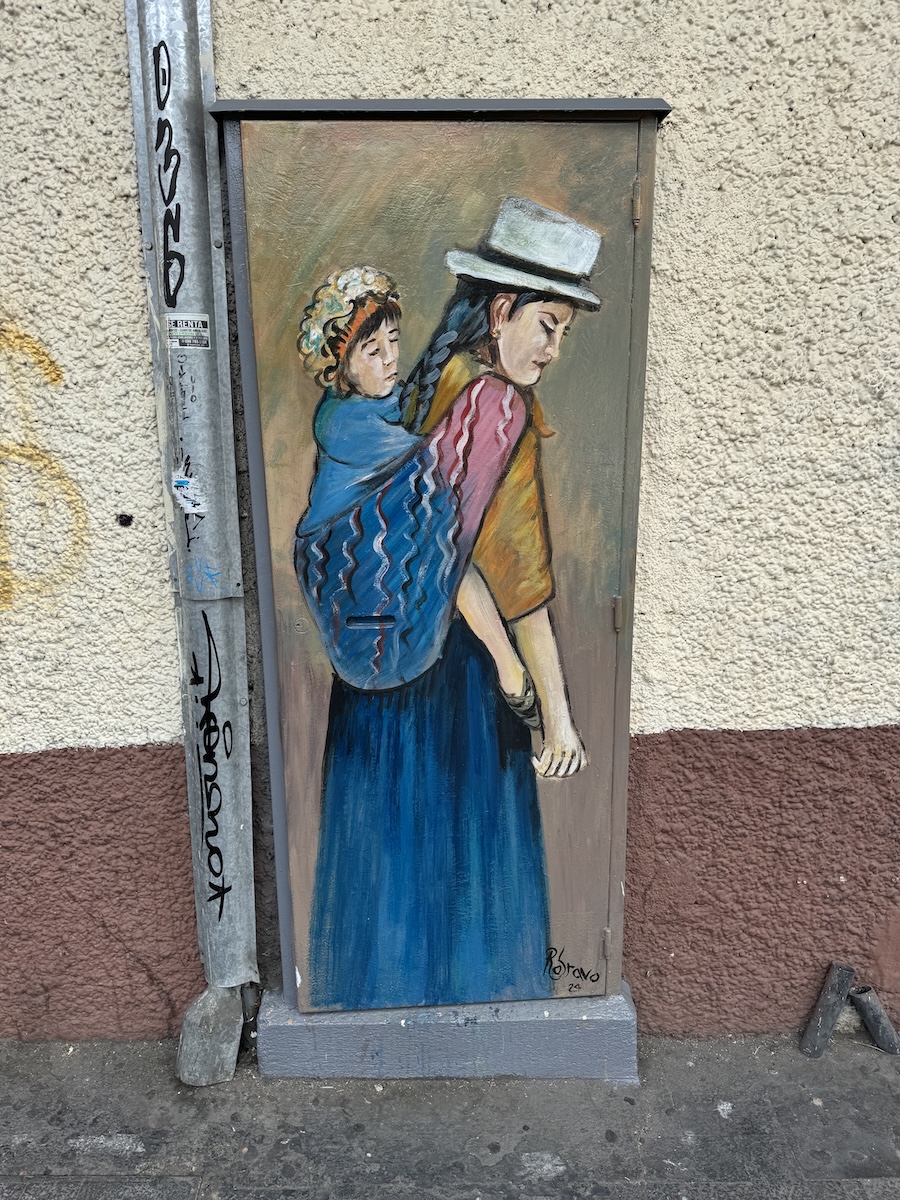
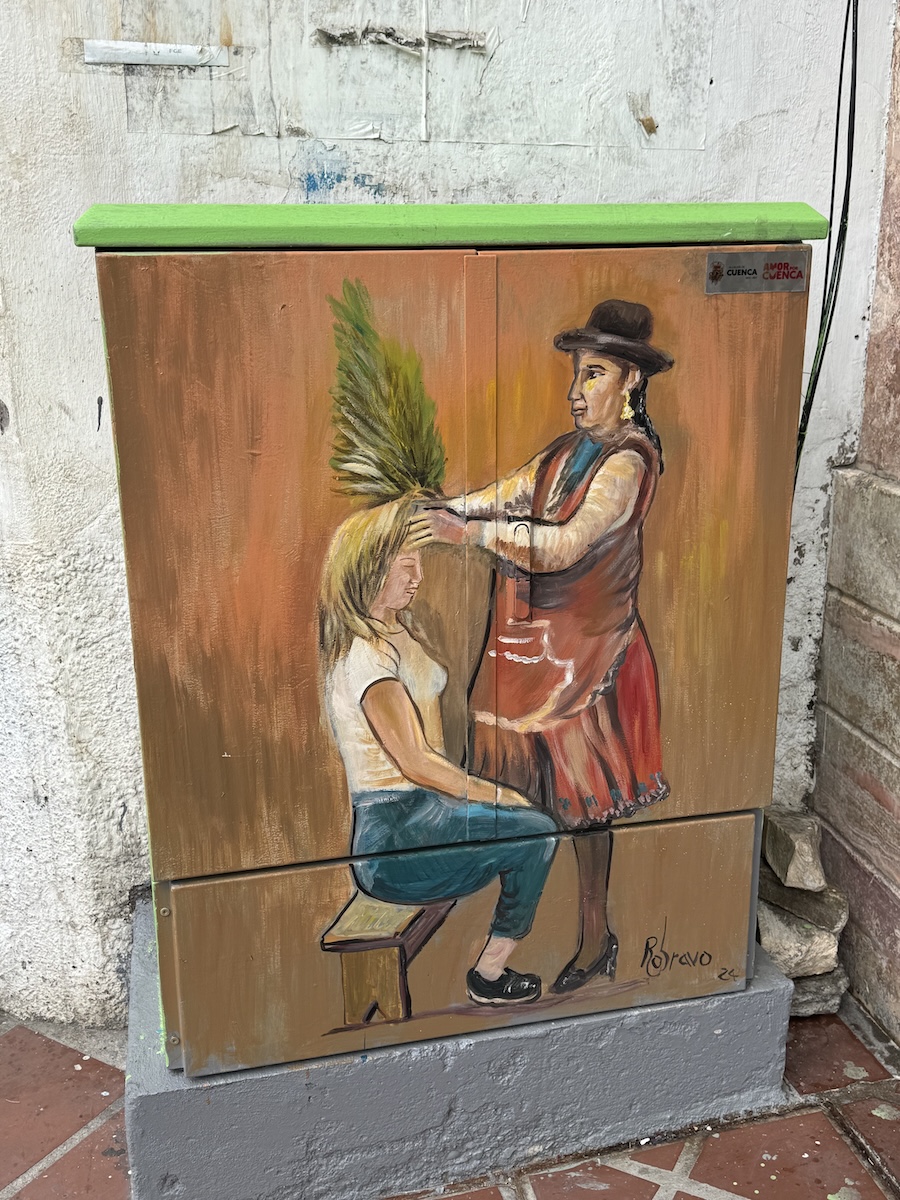
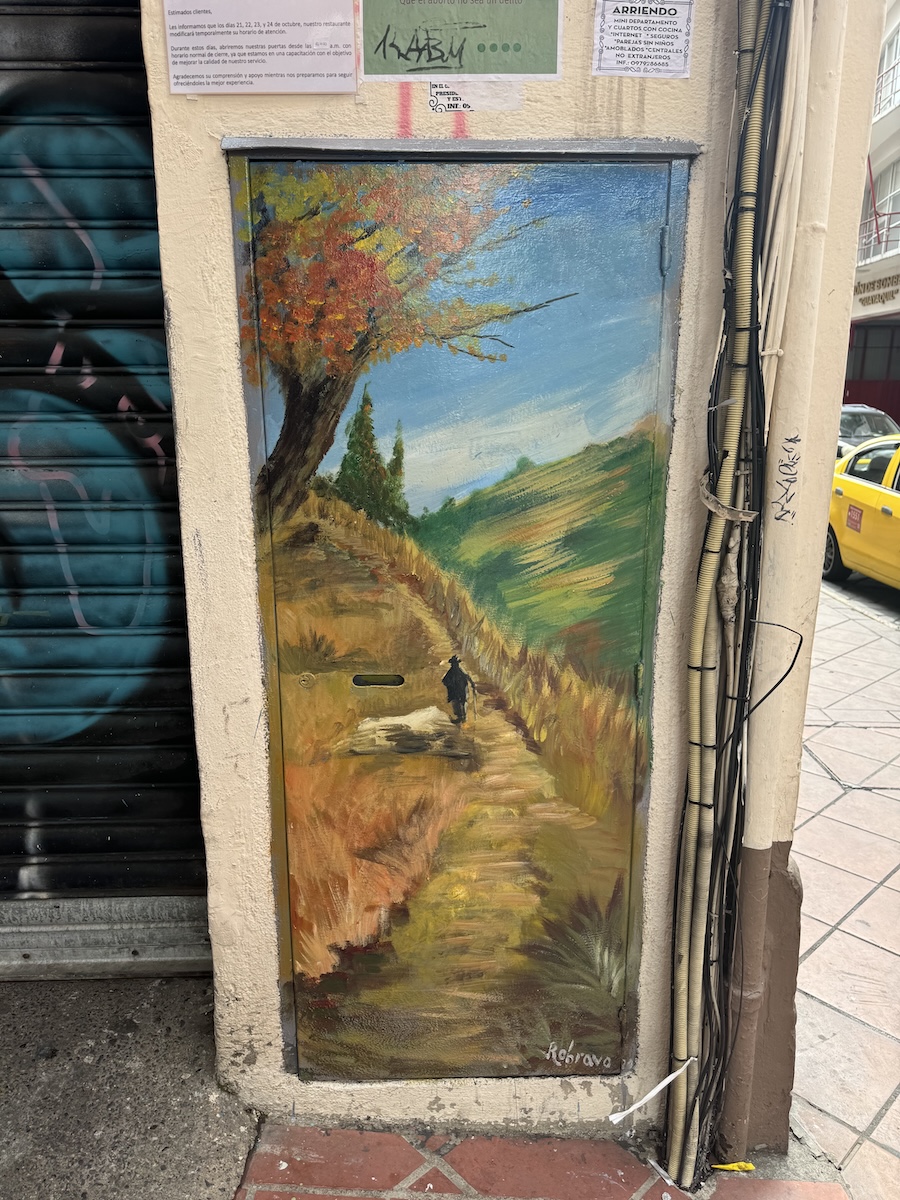
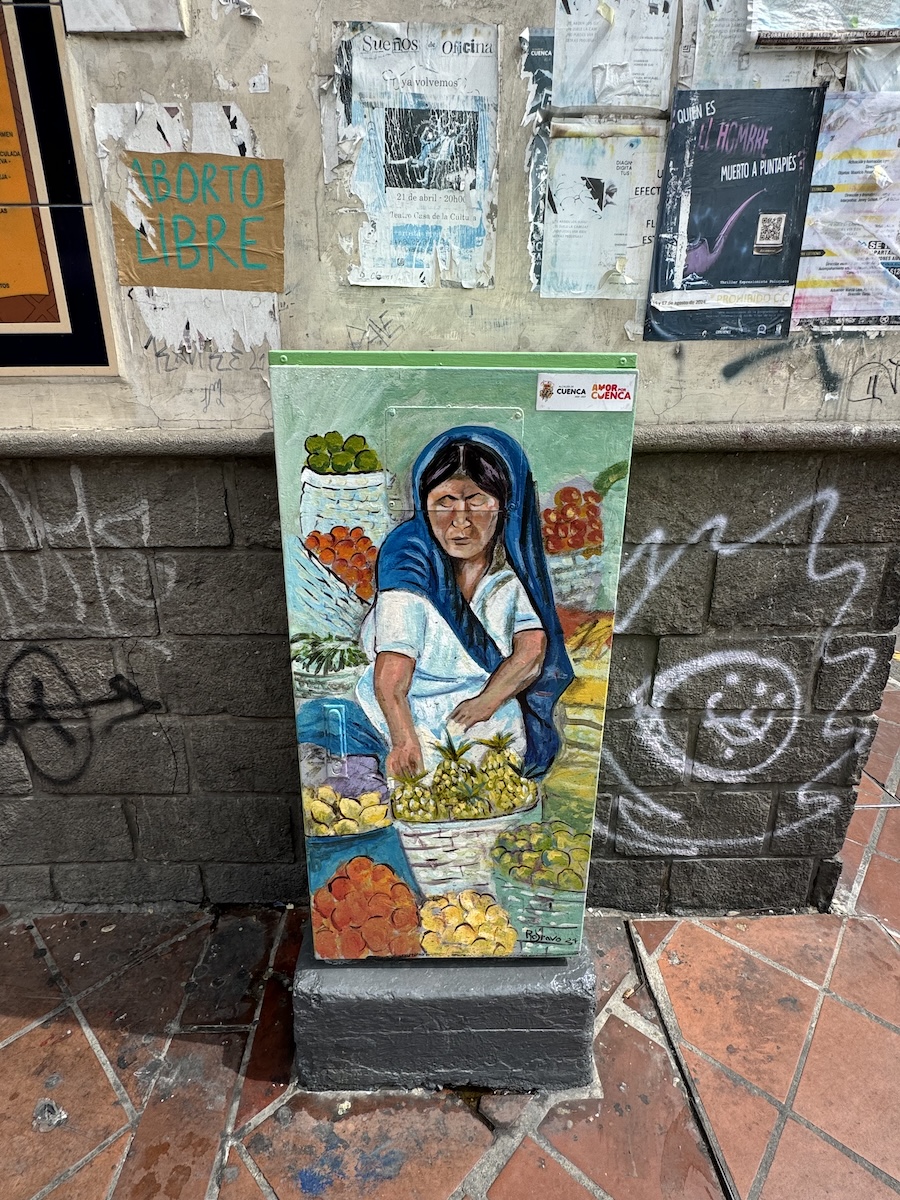
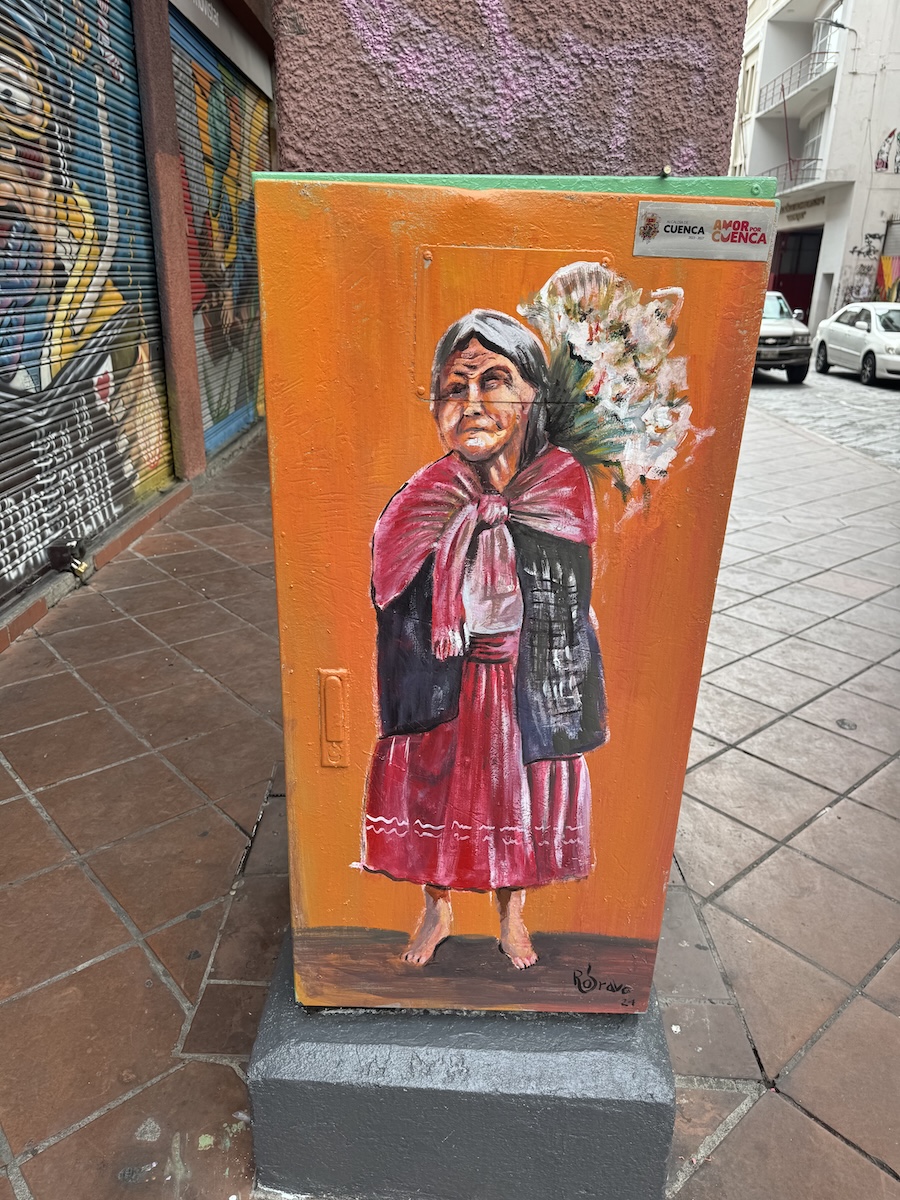
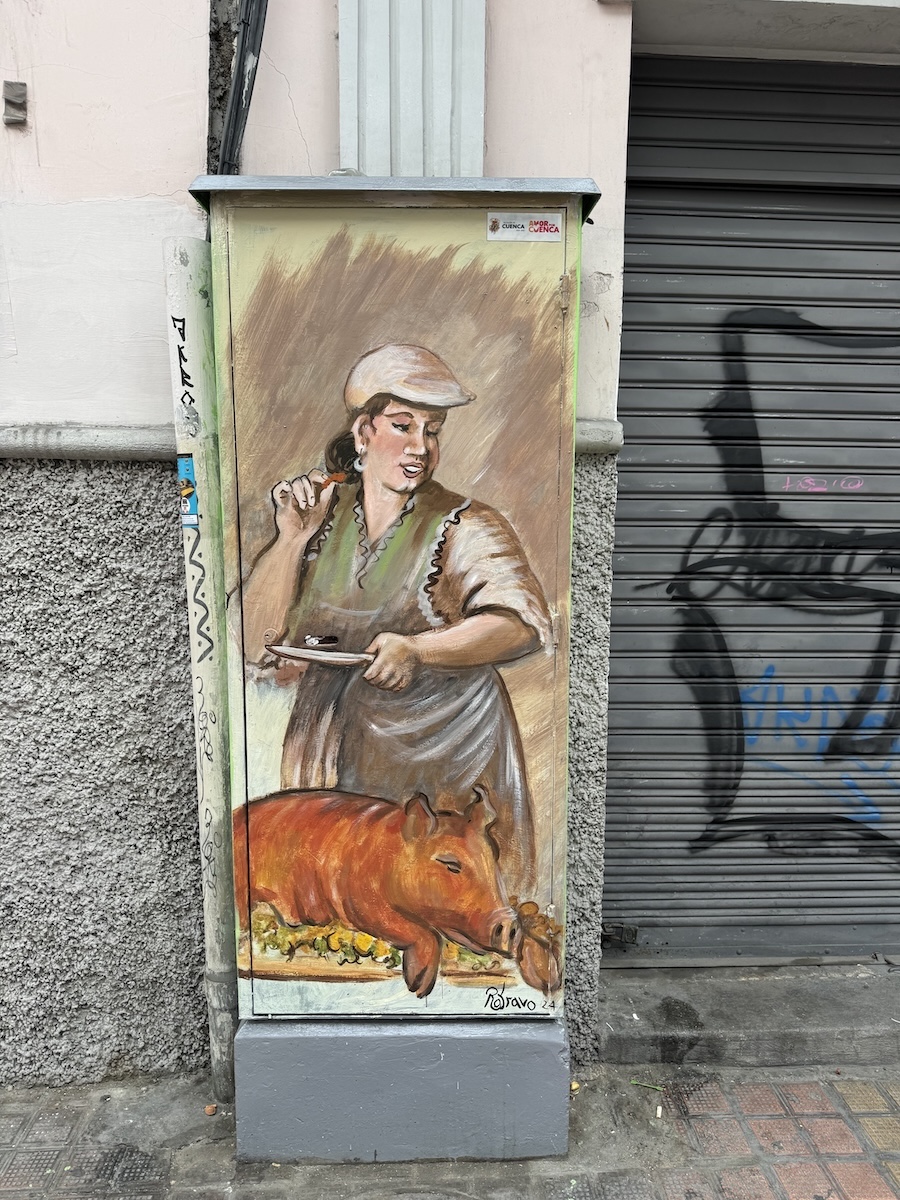
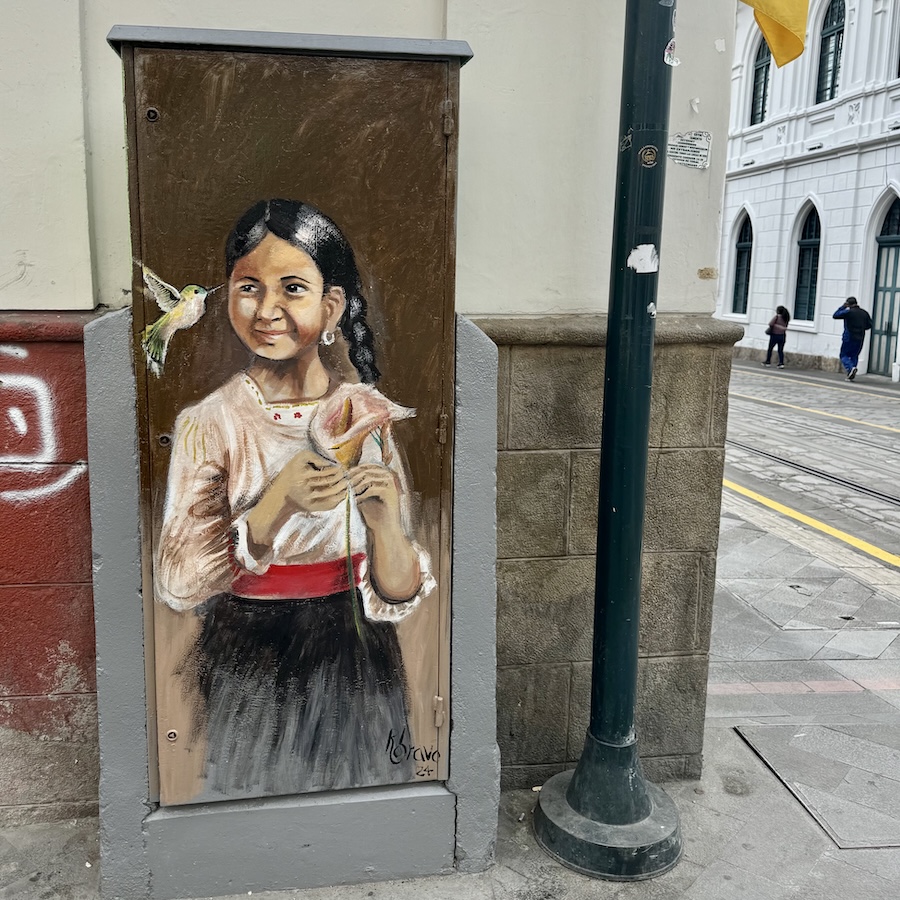
While wandering around Cuenca these distinct paintings are everywhere. They definitely make you smile with the portrayals of locals. Cuenca artist Roberto Bravo—known locally as Robravo—is a painter and sculptor trained at the former School of Fine Arts at the University of Cuenca. He is best known for his public art initiative beautifying the city of Cuenca, Ecuador, by painting traditional local characters on utility boxes. His paintings feature beloved, historic Cuencano figures like El Suco del Cenáculo, María la Guagua, Carlitos la bicicleta, Vichi Malo, and La viuda del farol. Check out his instagram here
Hand-painted portrait of a local Cuenca character on a metal utility box by Roberto Bravo in Cuenca, Ecuador
Denver
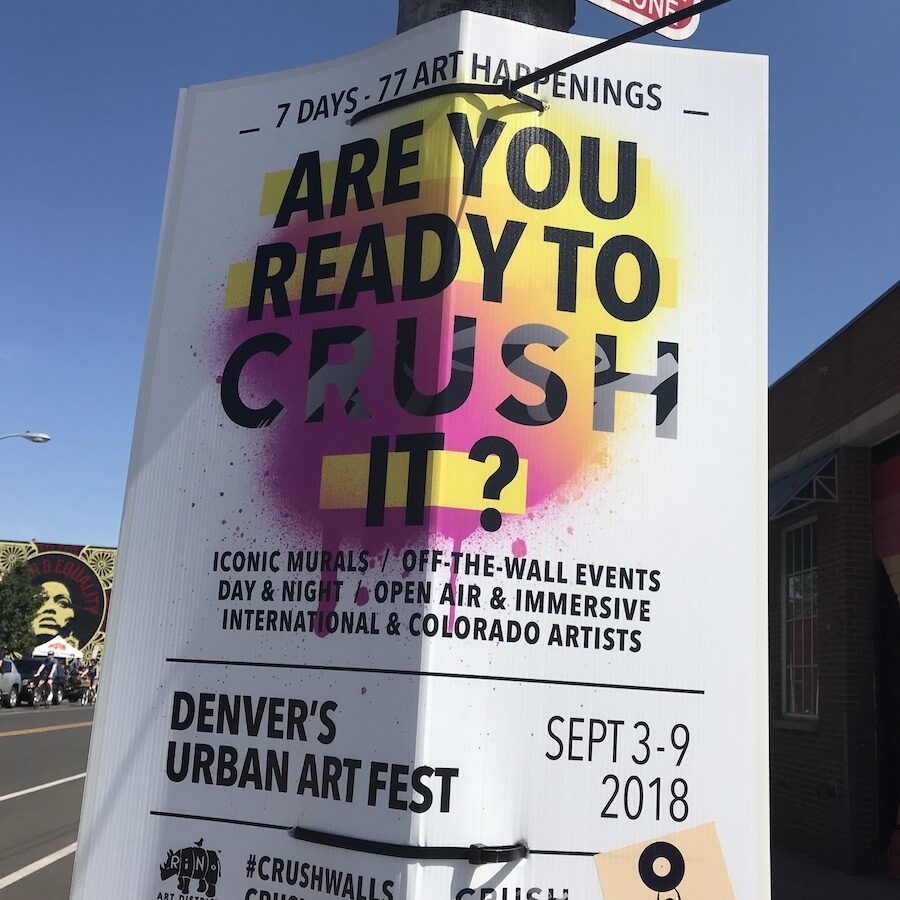
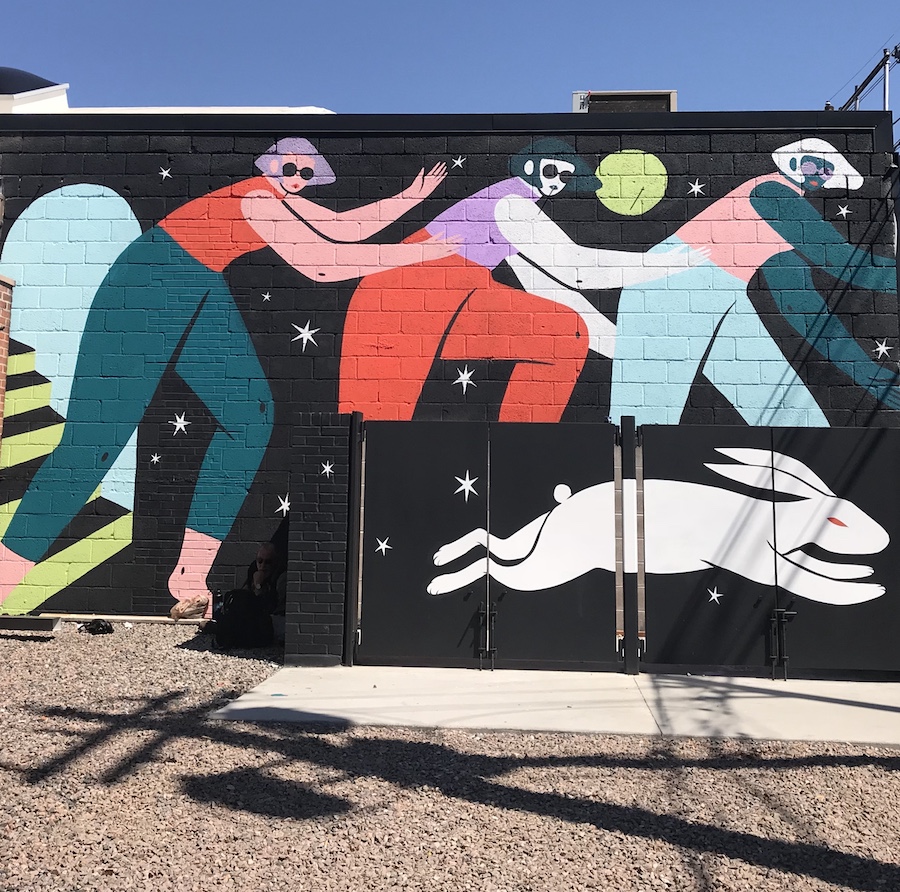
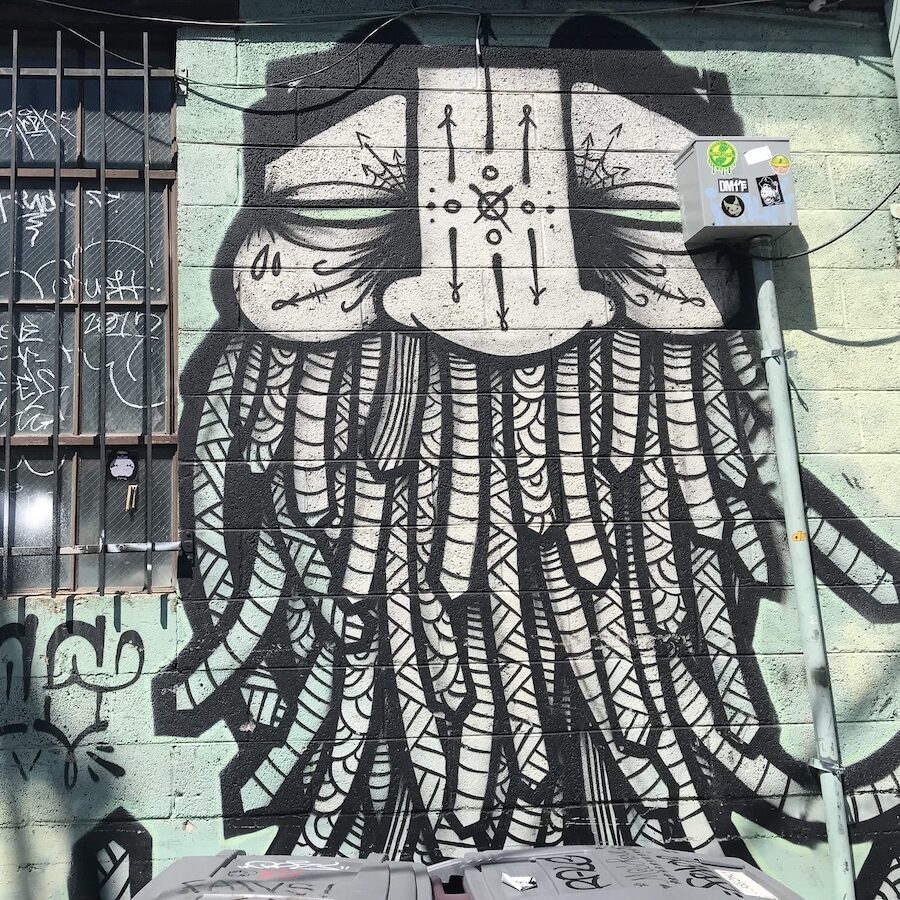
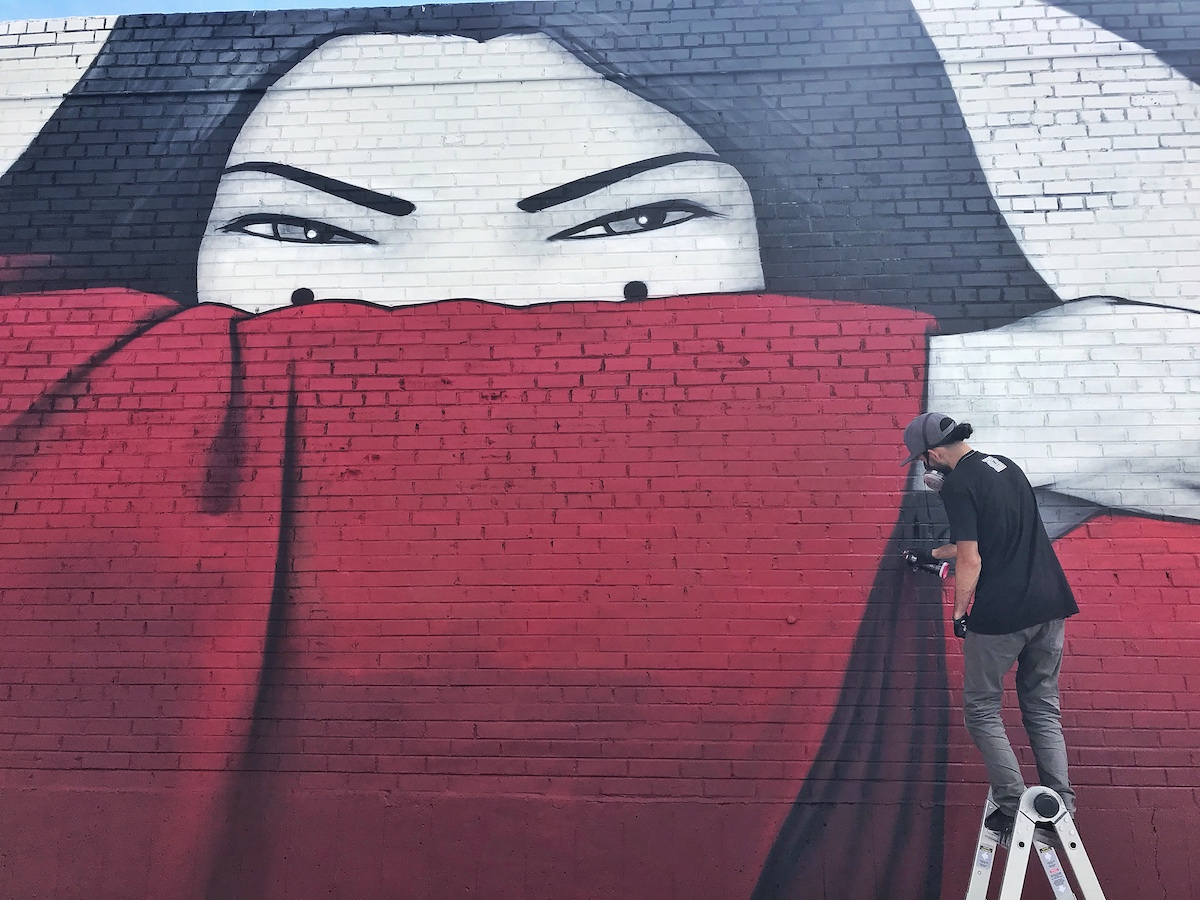
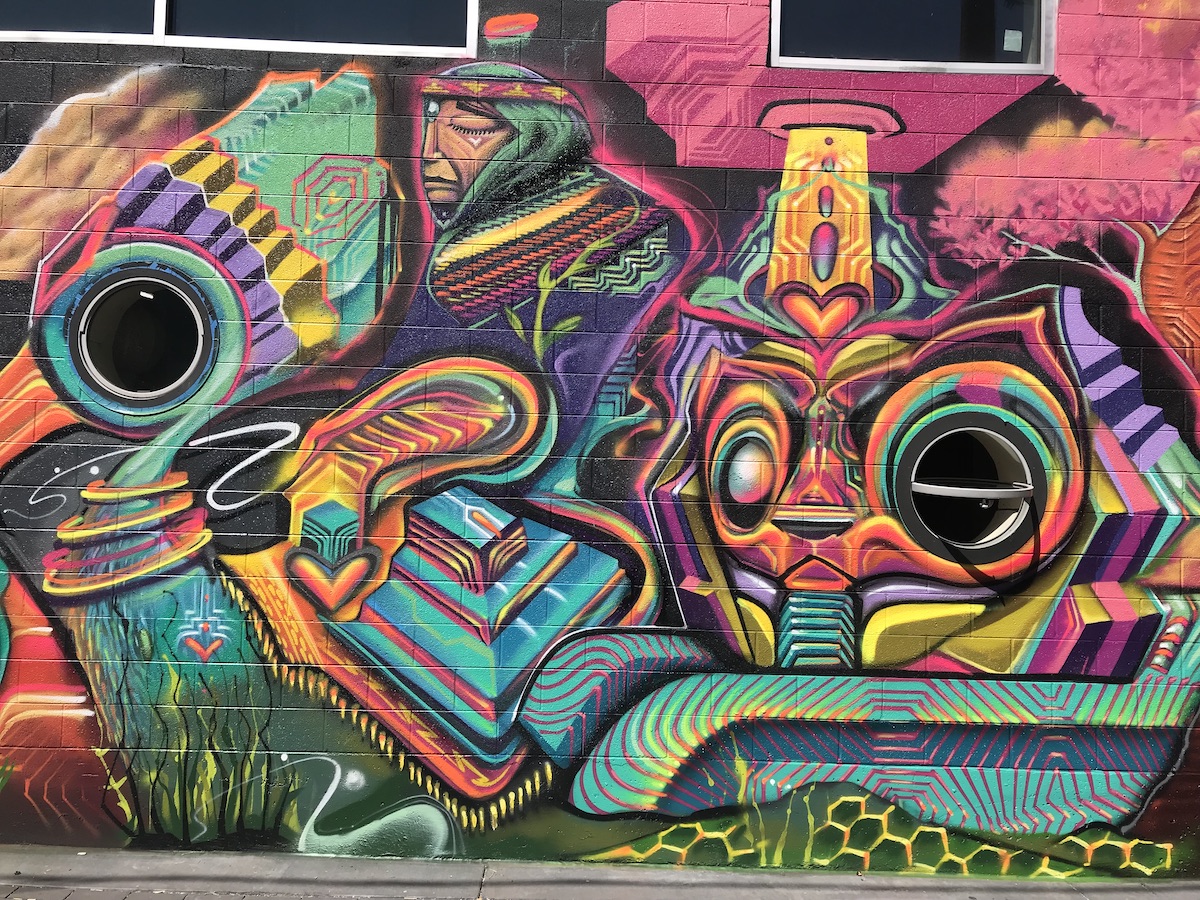
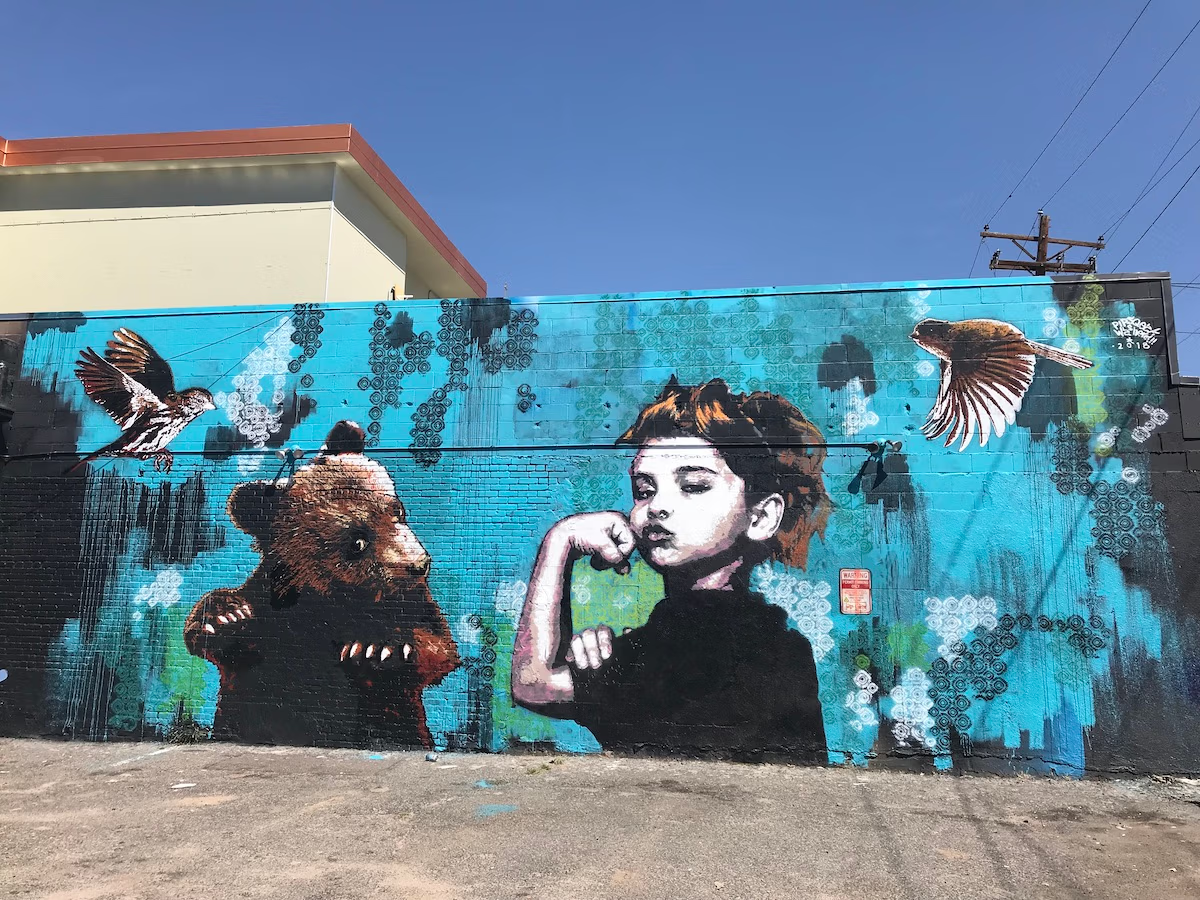
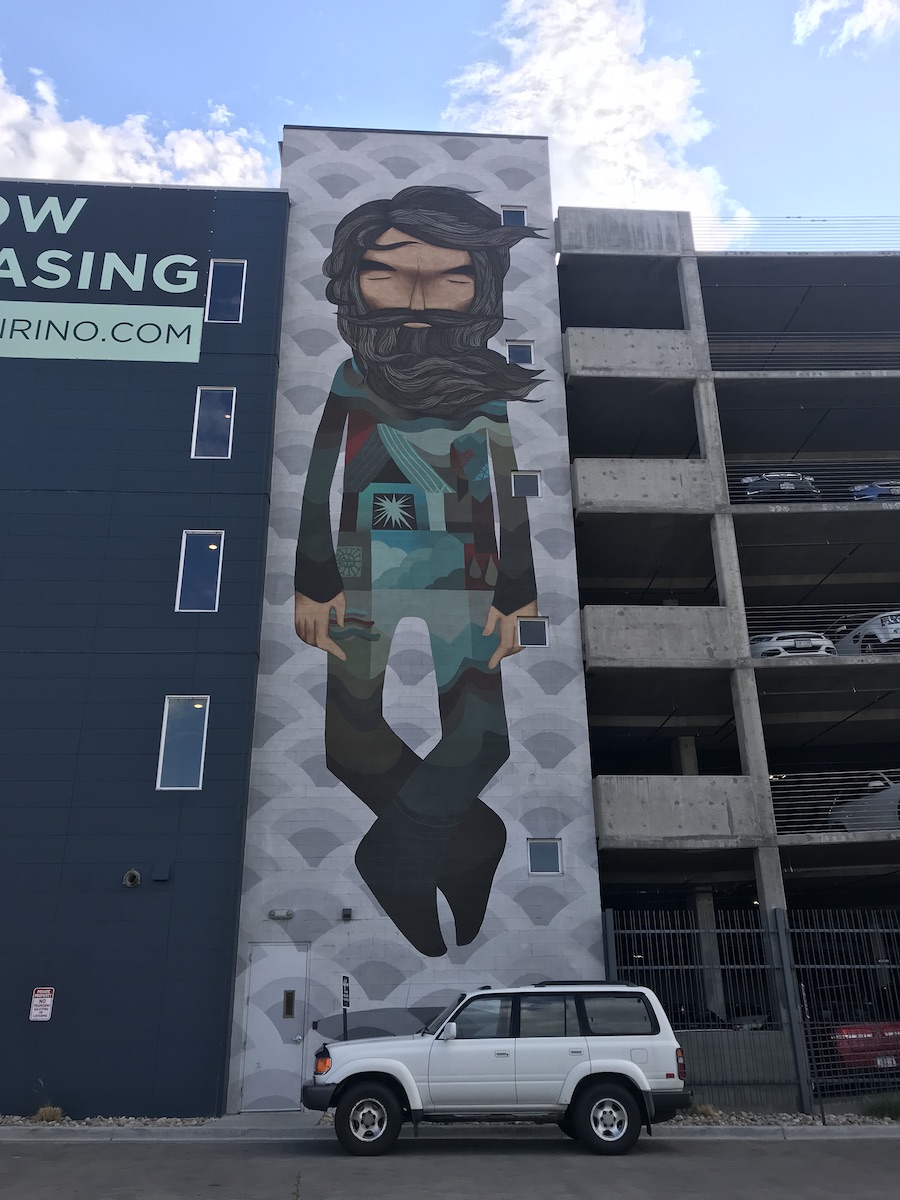
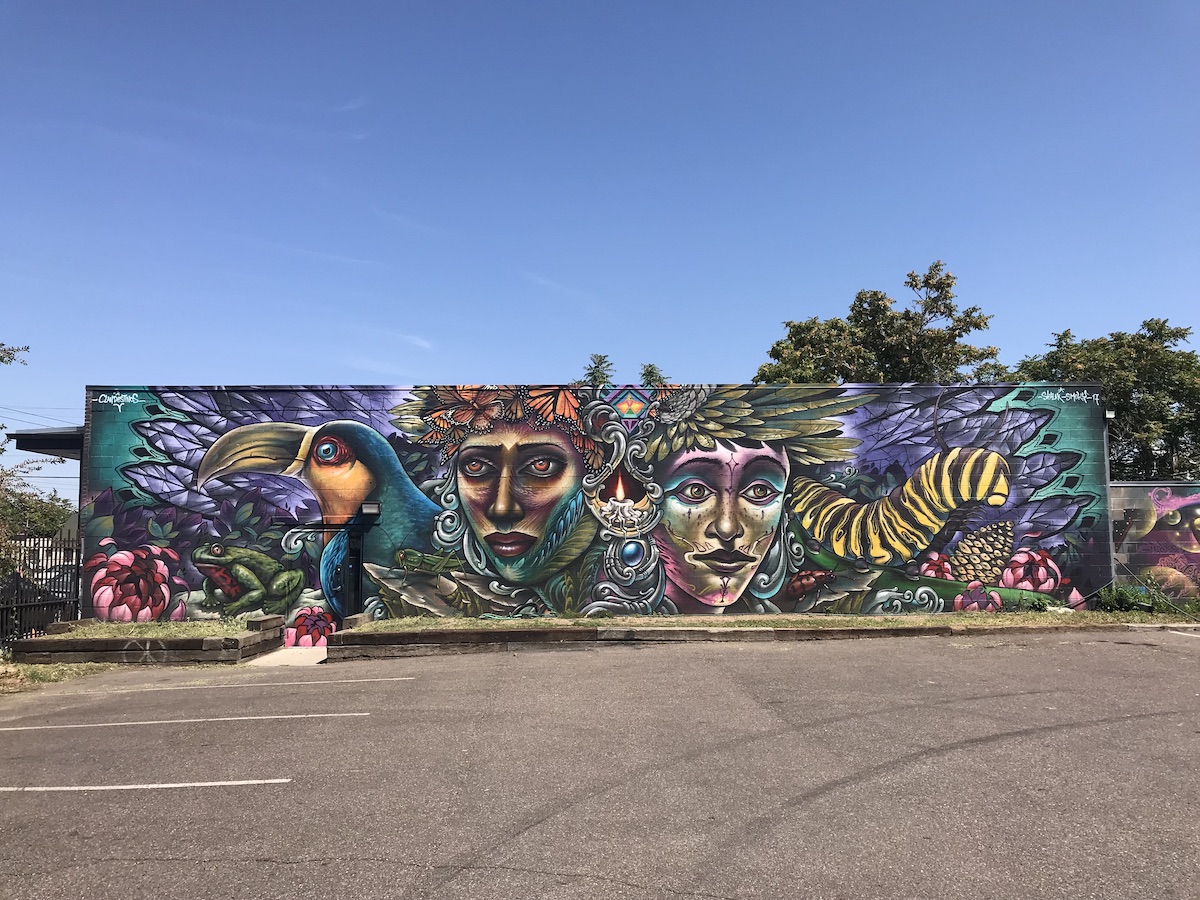
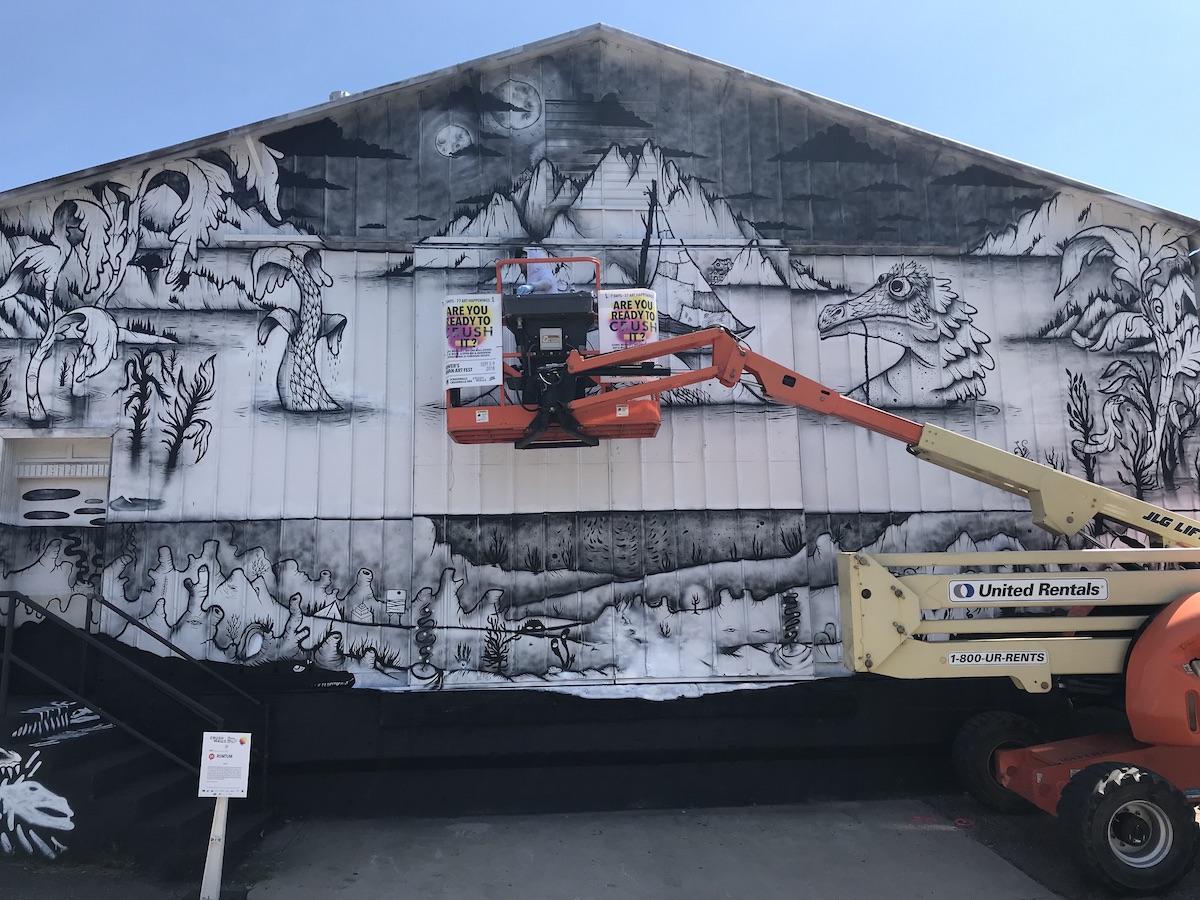
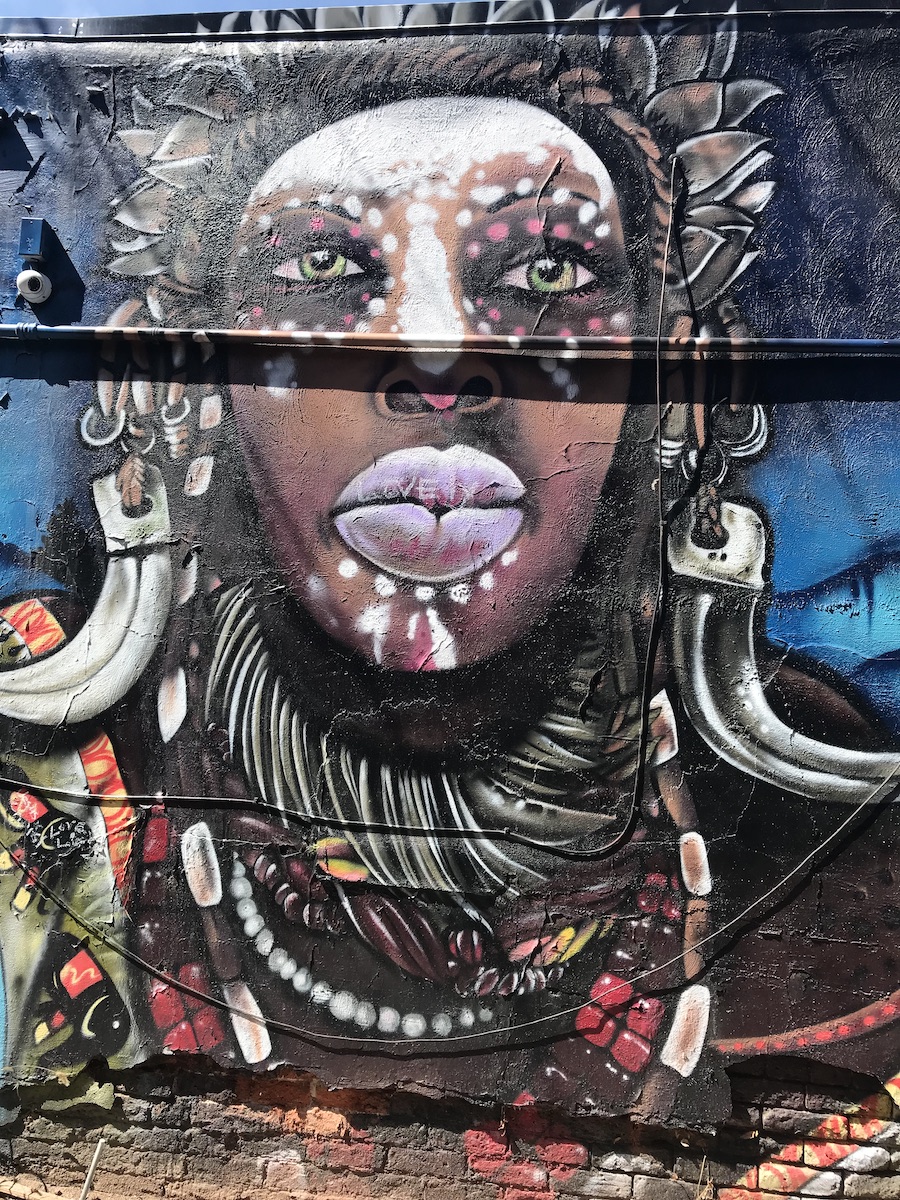
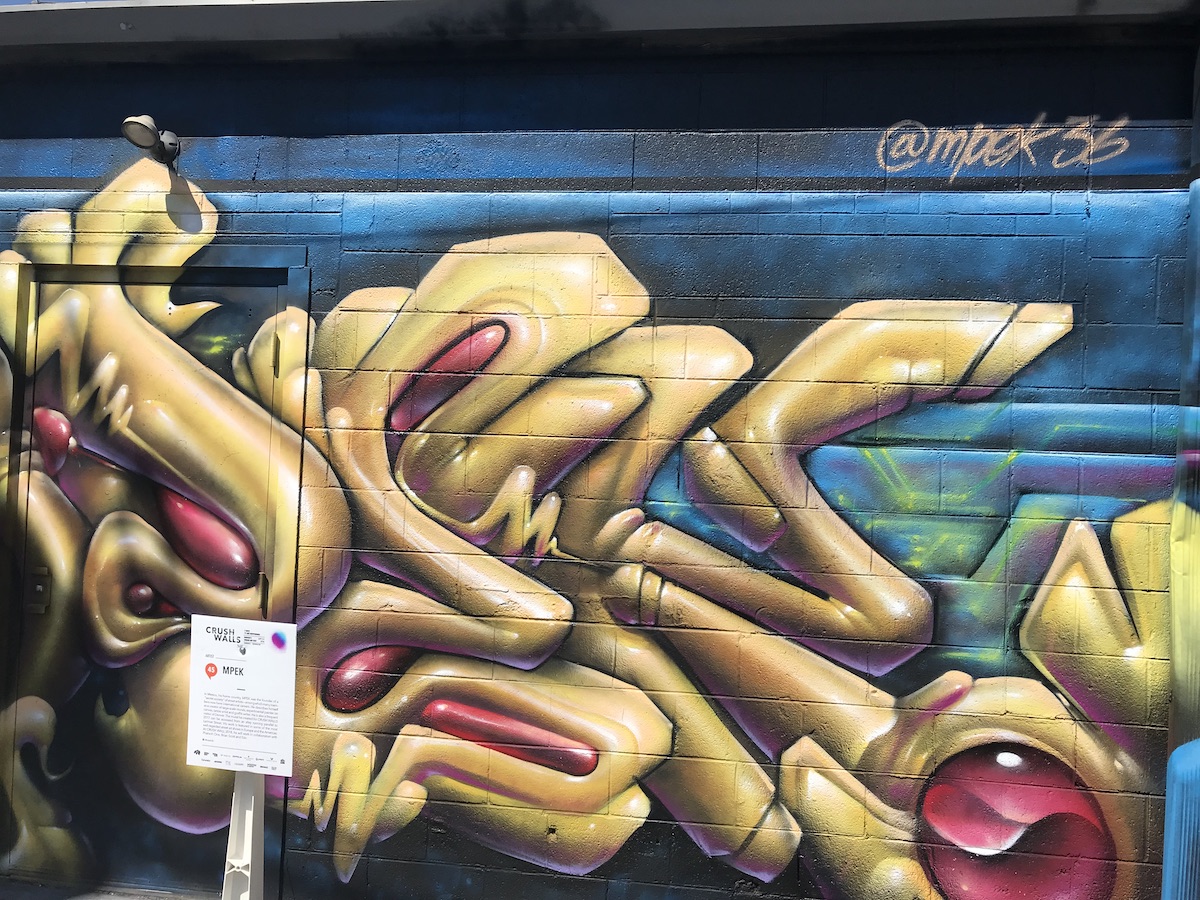
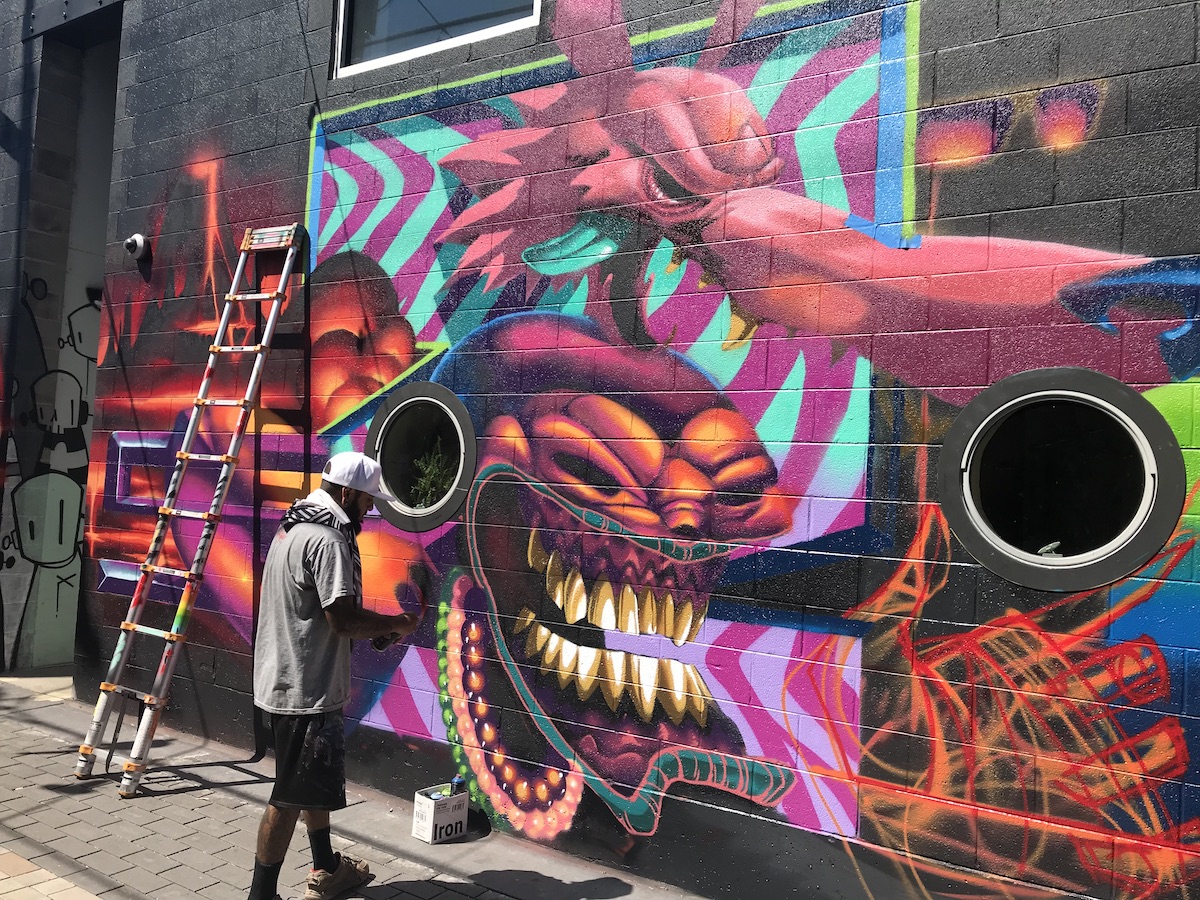
In the River North Arts district in Denver there was a beautiful mural festival that brought together artists from around the world. CRUSH WALLS began in 2010, founded by Denver artist Robin Munro (aka Dread). It started as a grassroots effort to provide a platform for graffiti and street artists, particularly in the RiNo (River North Art District) of Denver. The festival aimed to foster community and promote the acceptance of street art as a legitimate art form.
Over the years, CRUSH WALLS grew significantly, attracting local, national, and international artists. It transformed the RiNo district into an open-air art gallery, drawing large crowds and contributing to the neighborhood’s revitalization. The festival provided a space for artists to express themselves freely, often addressing social and political issues.
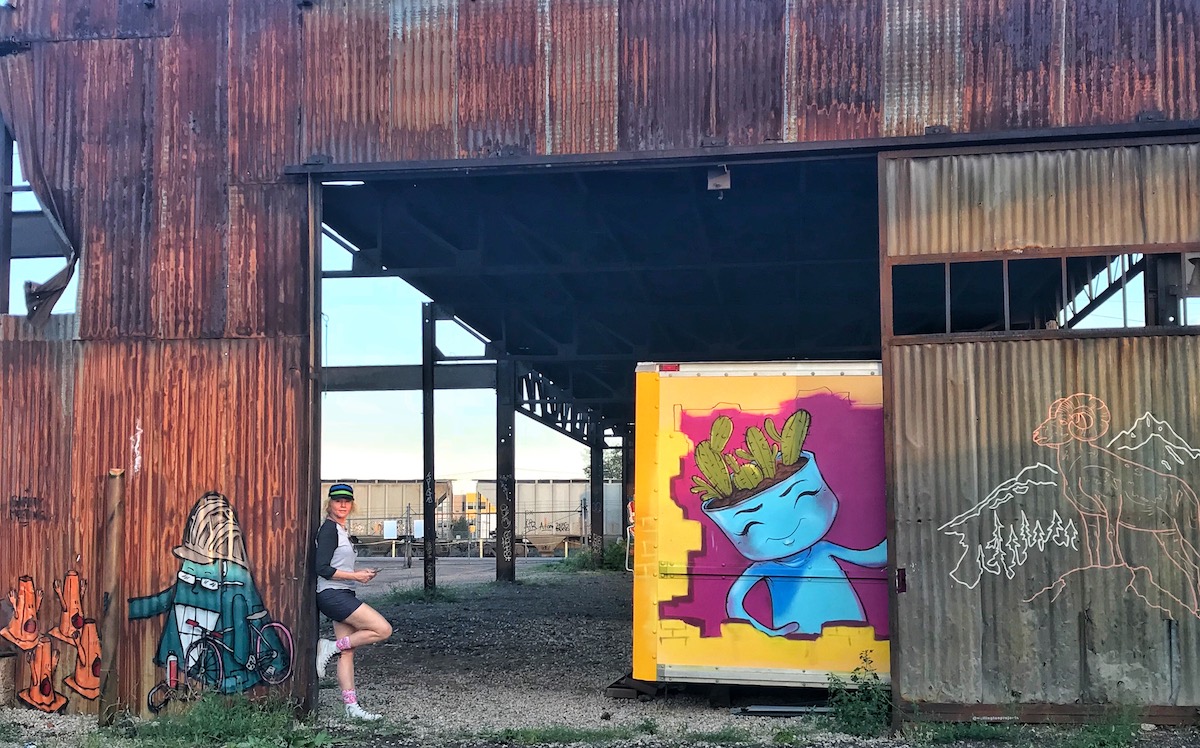
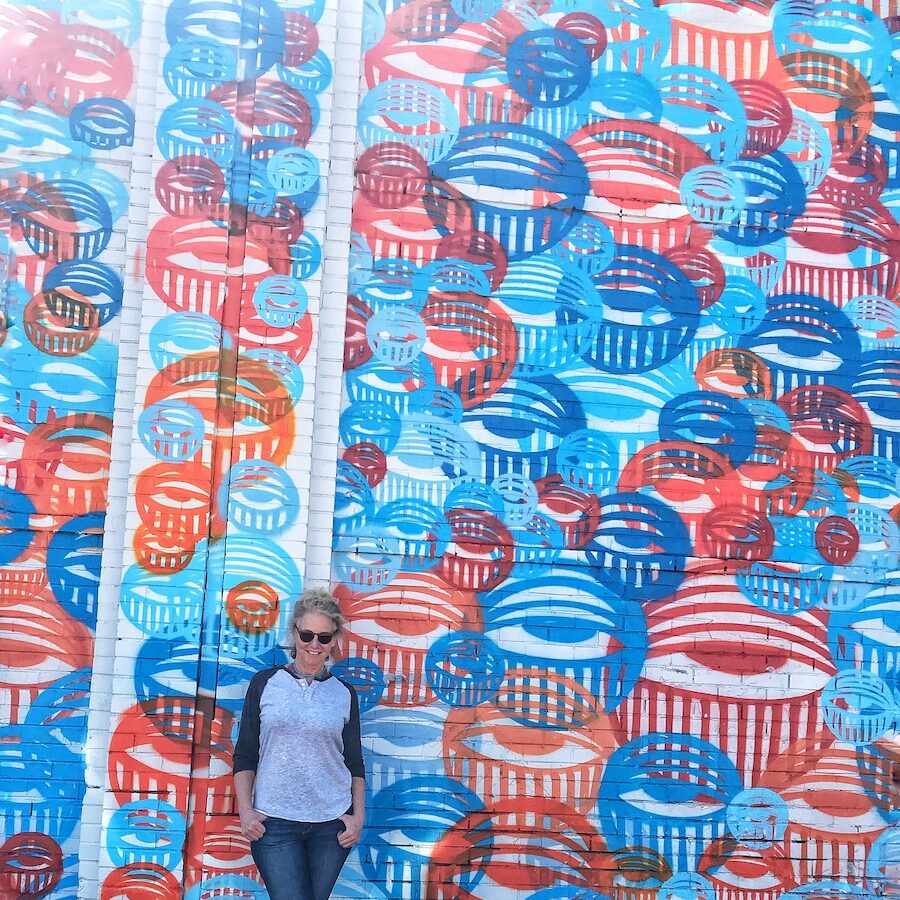
Me taking a break at Crush Walls, Denver
Click photos for lightbox...
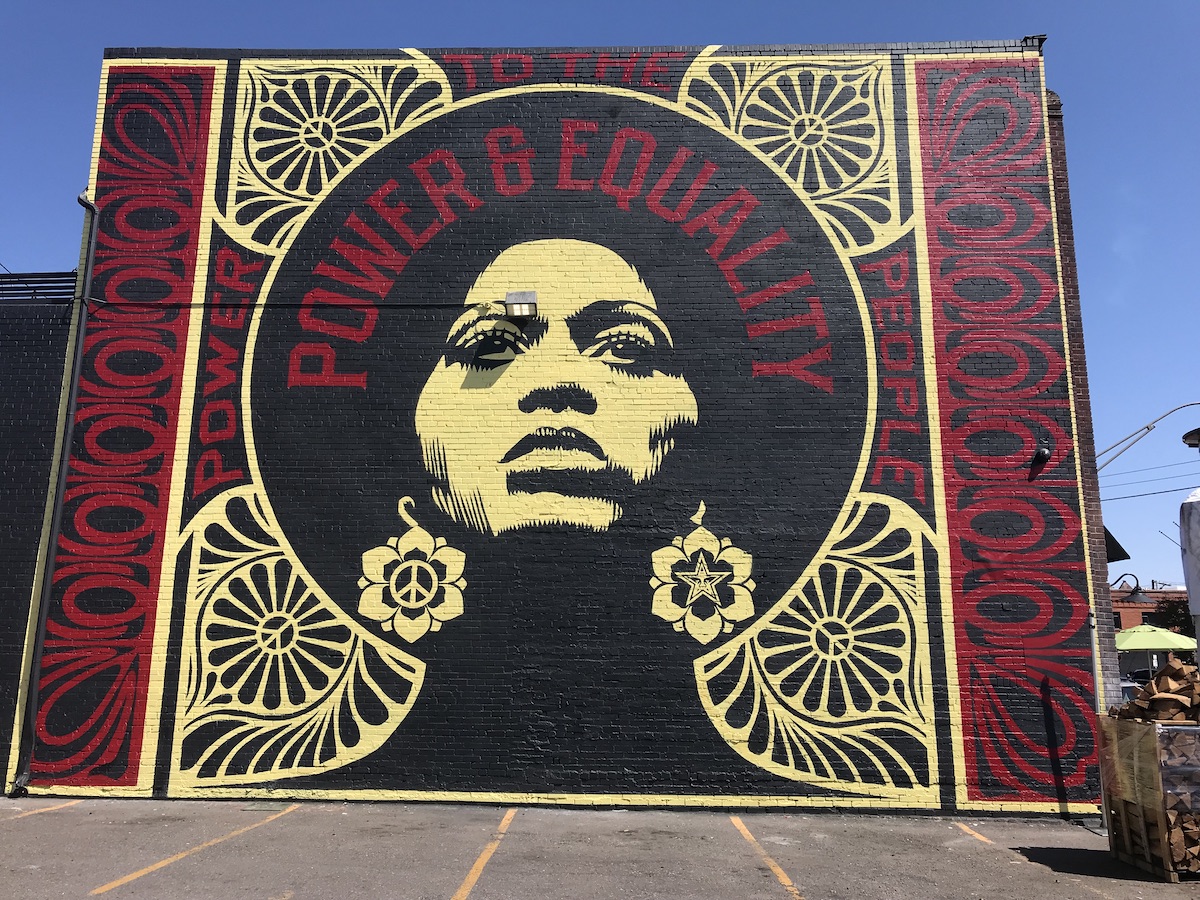
The “Power & Equality” mural by Shepard Fairey and his team 2018
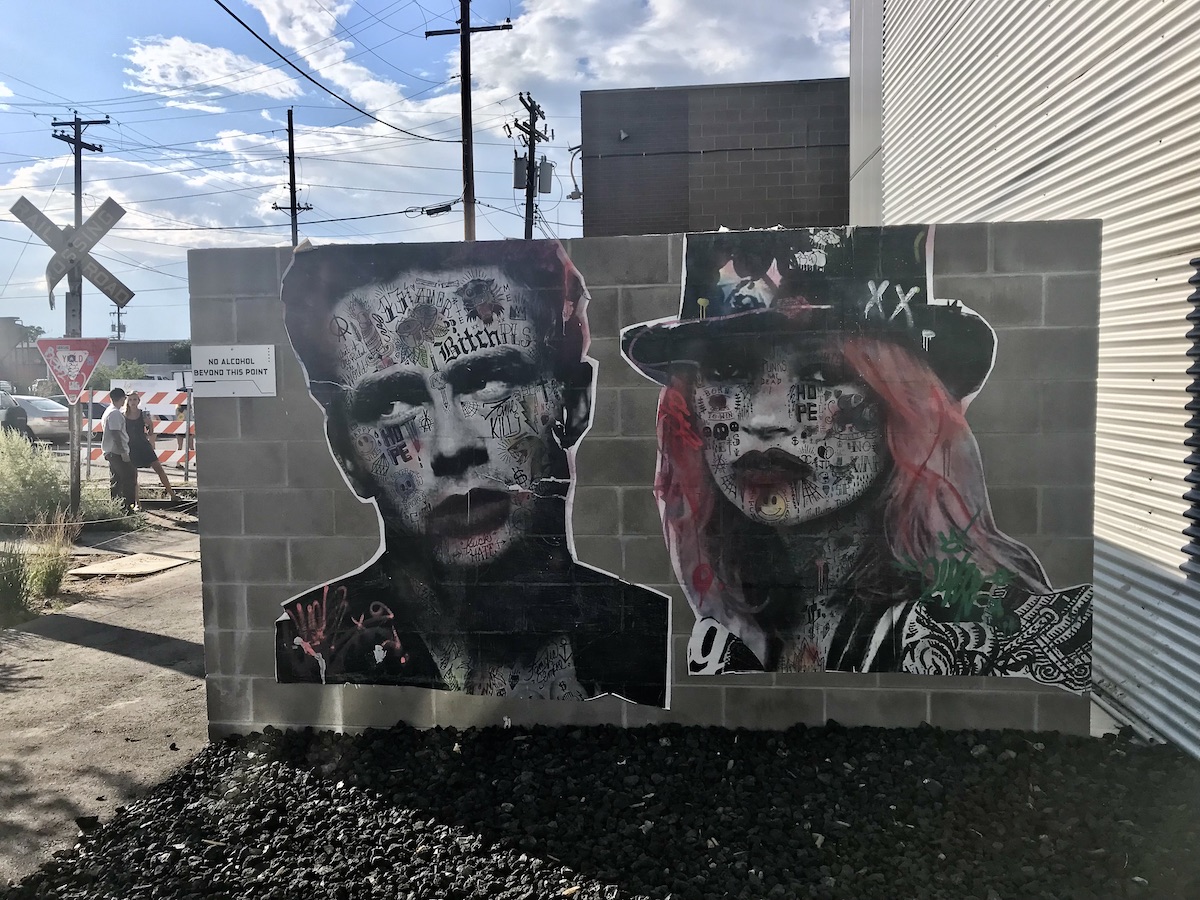
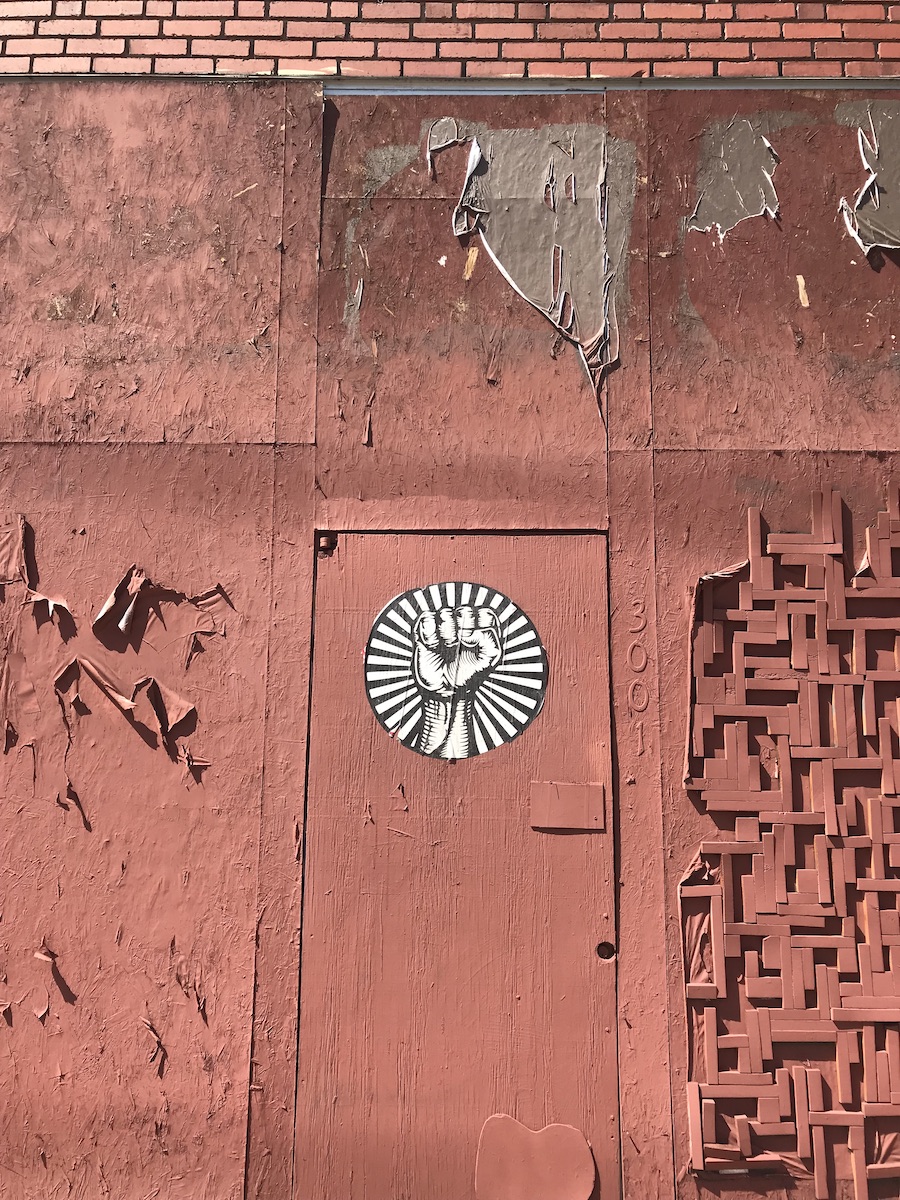
Love these hip and gritty paste ups by Stickki Peaches
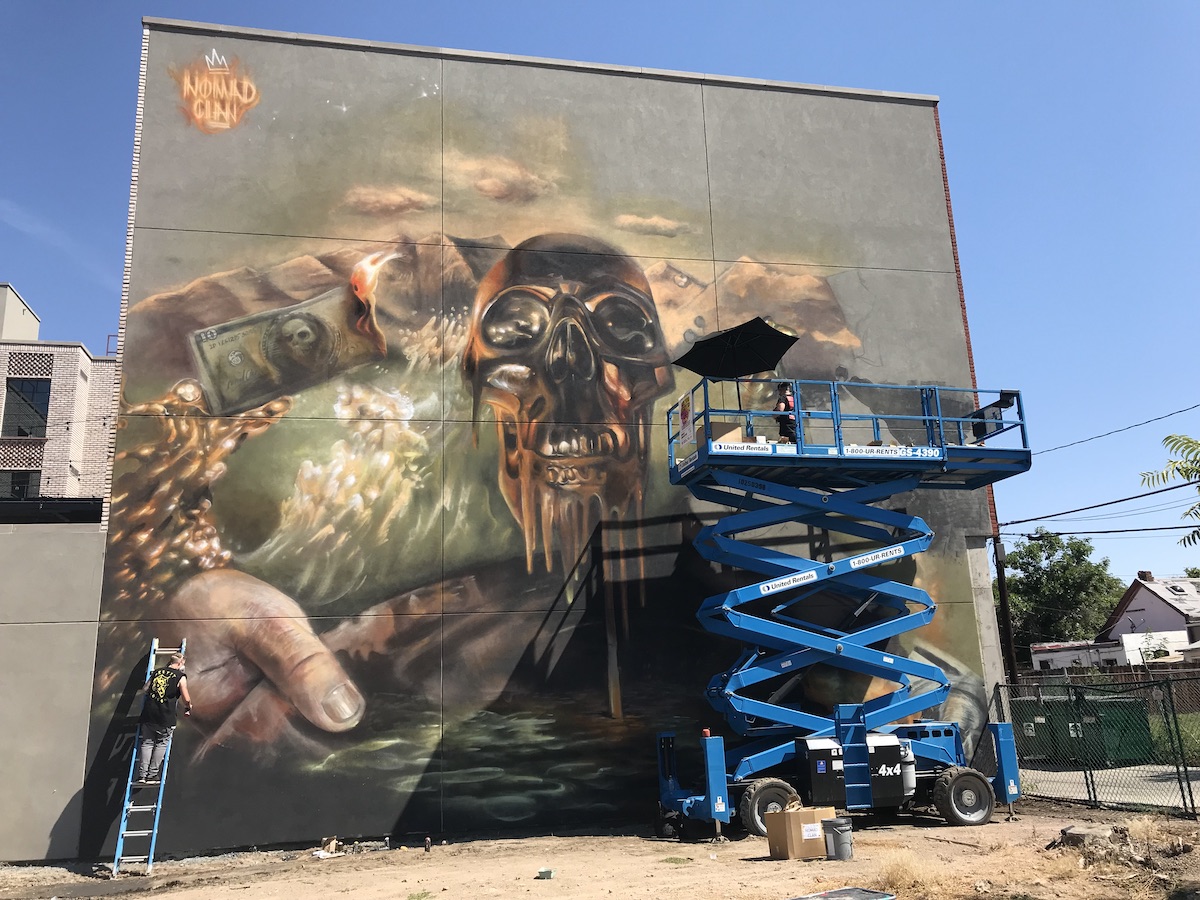
Nomad Clan
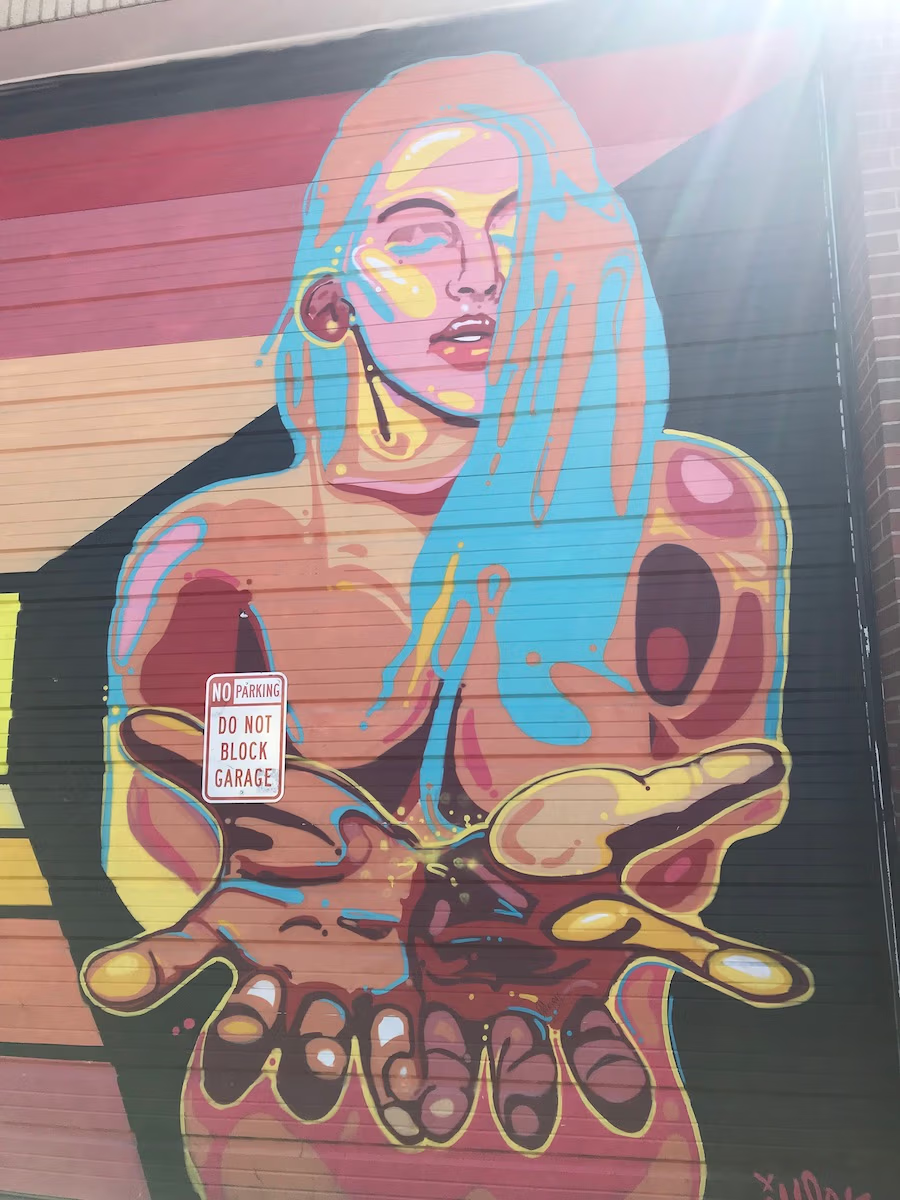
Pandas in DNVR Artist @woes
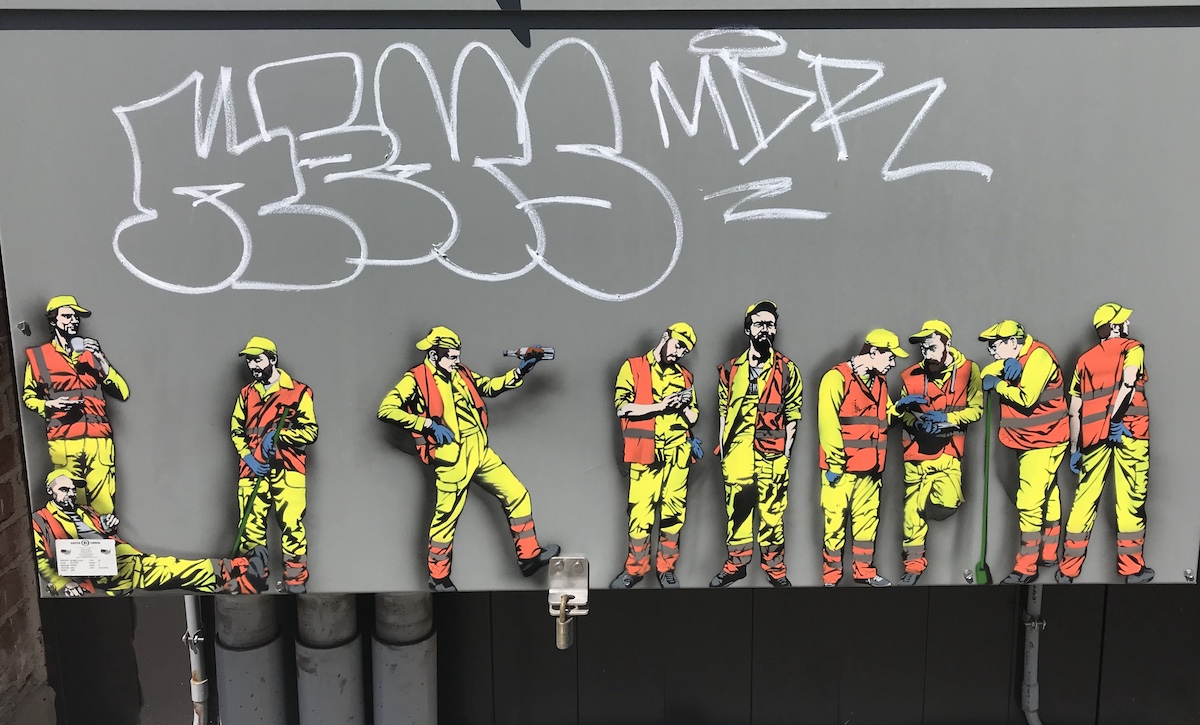
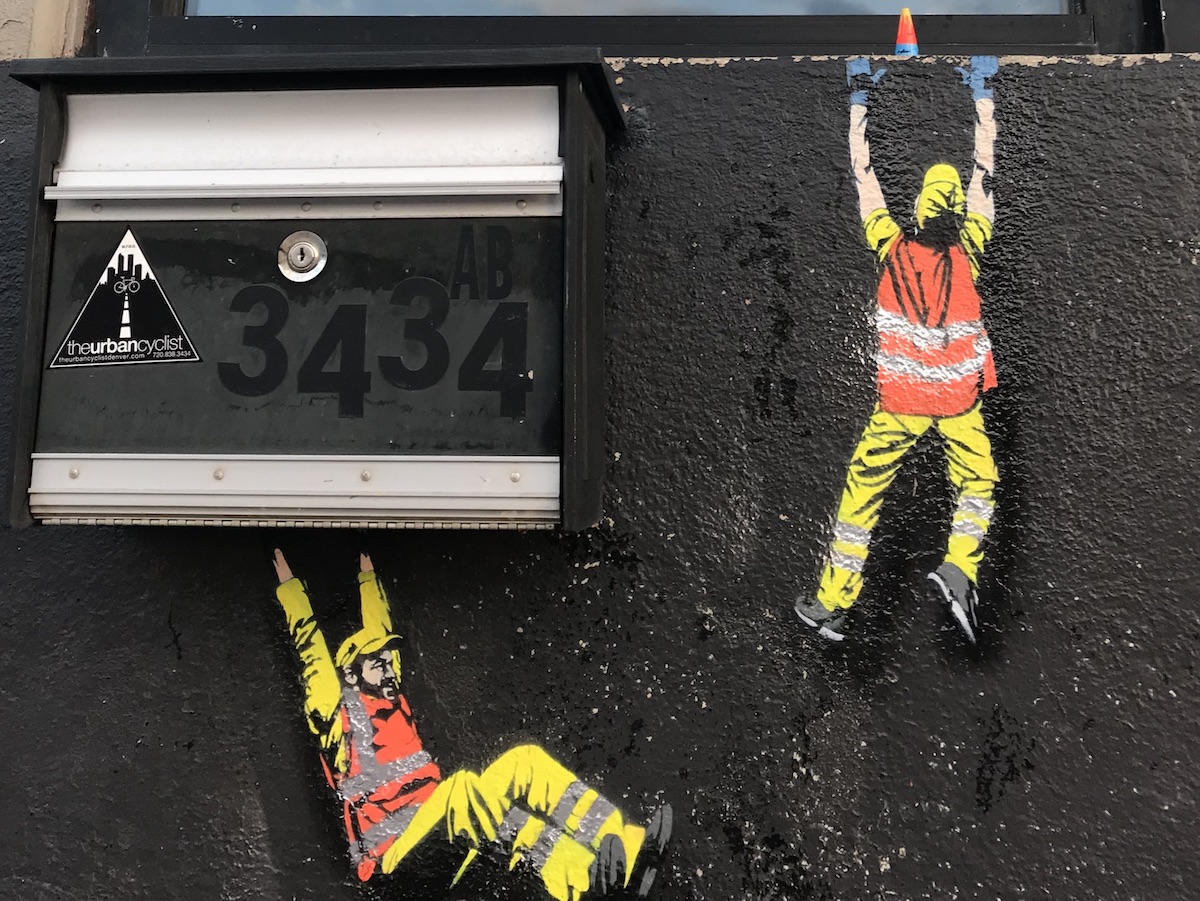
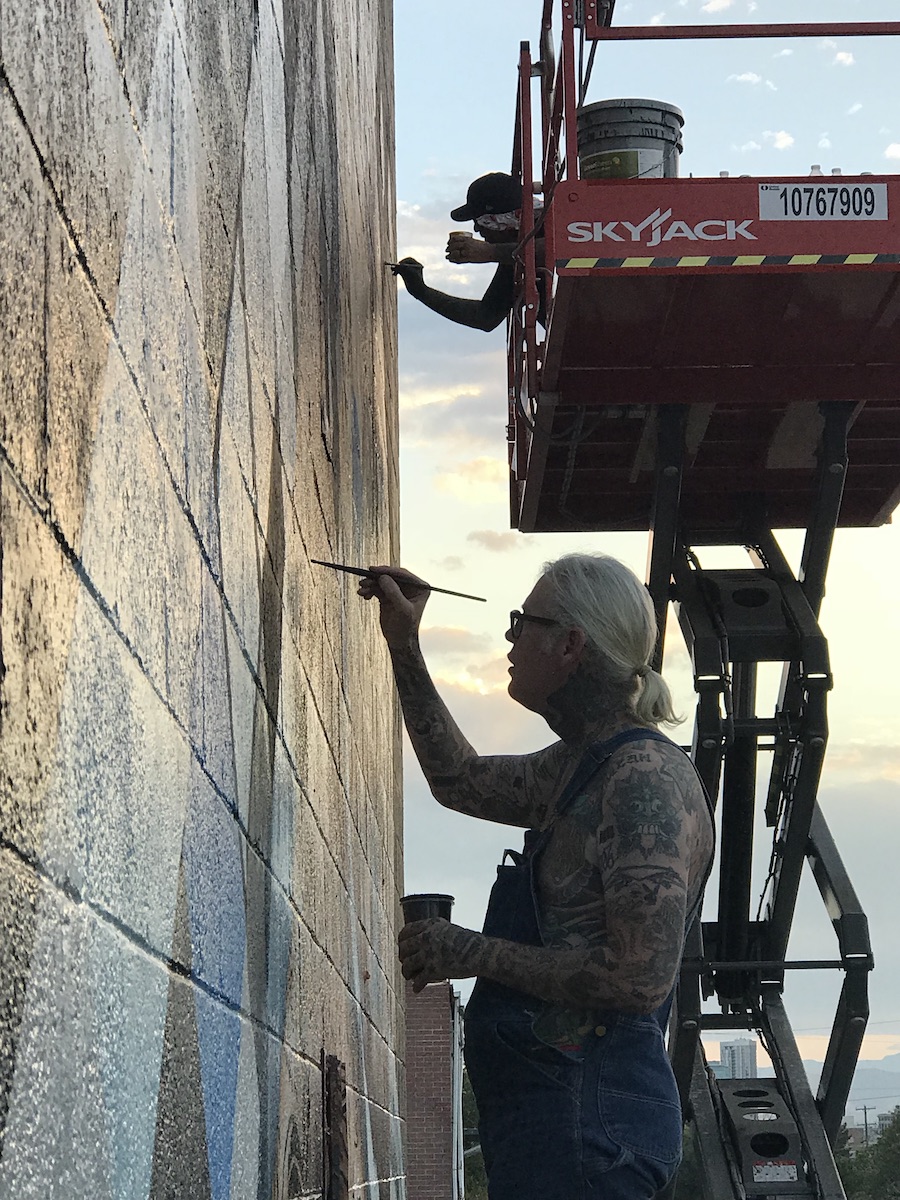
Belgian artist, Juane’s workmen taking a break
Collaboration mural for CRUSH Walls by Jason Garcia, Mike Giant and Patrick Kane McGregor
Thomas “Detour” Evans, and his portrait of Nina Simone
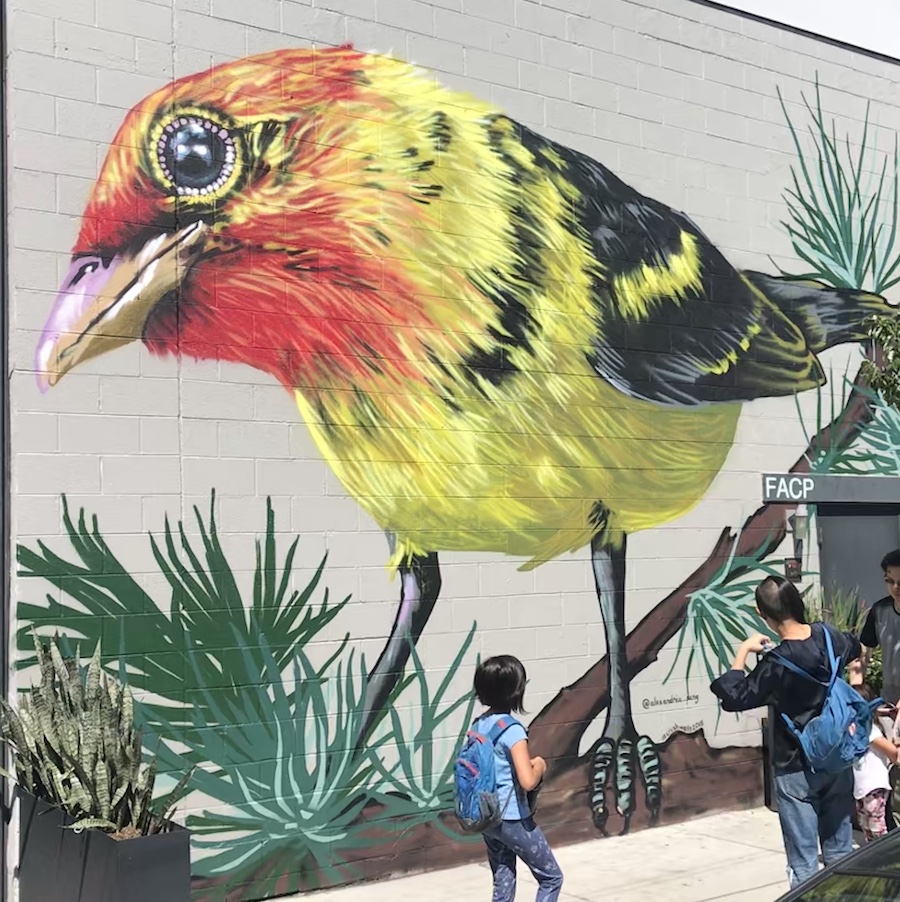
Alexandrea Pang
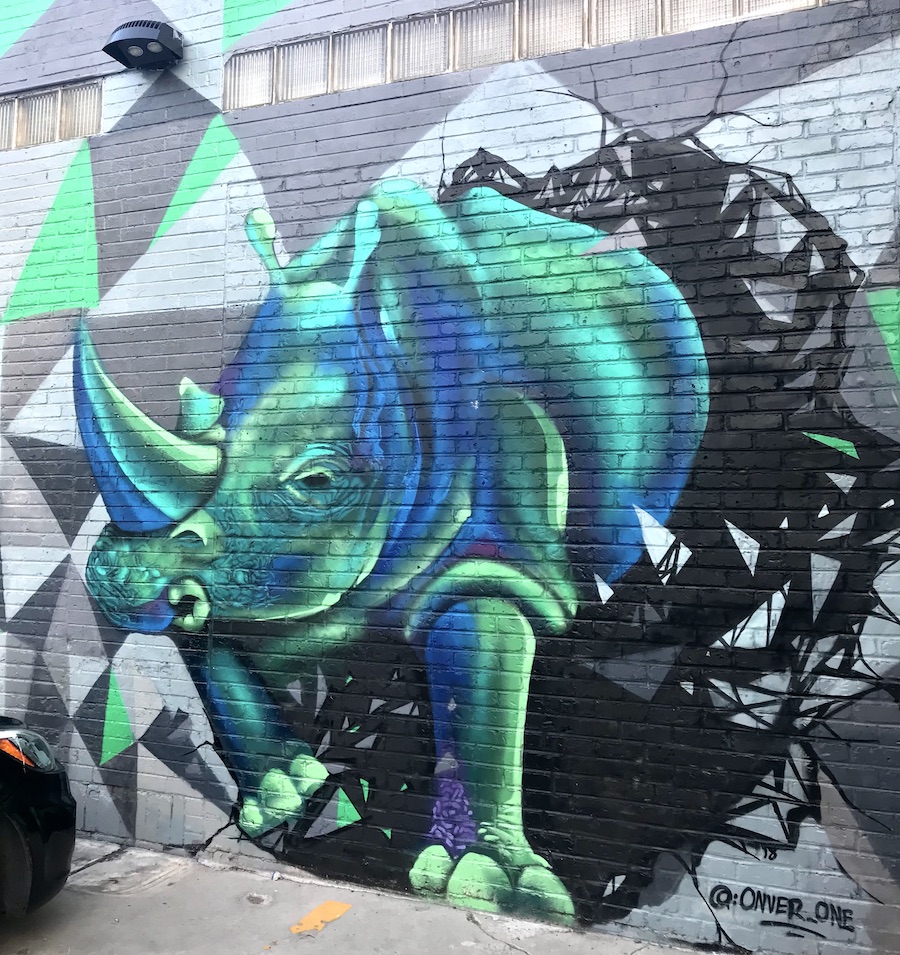
Ahol Sniffs Glue
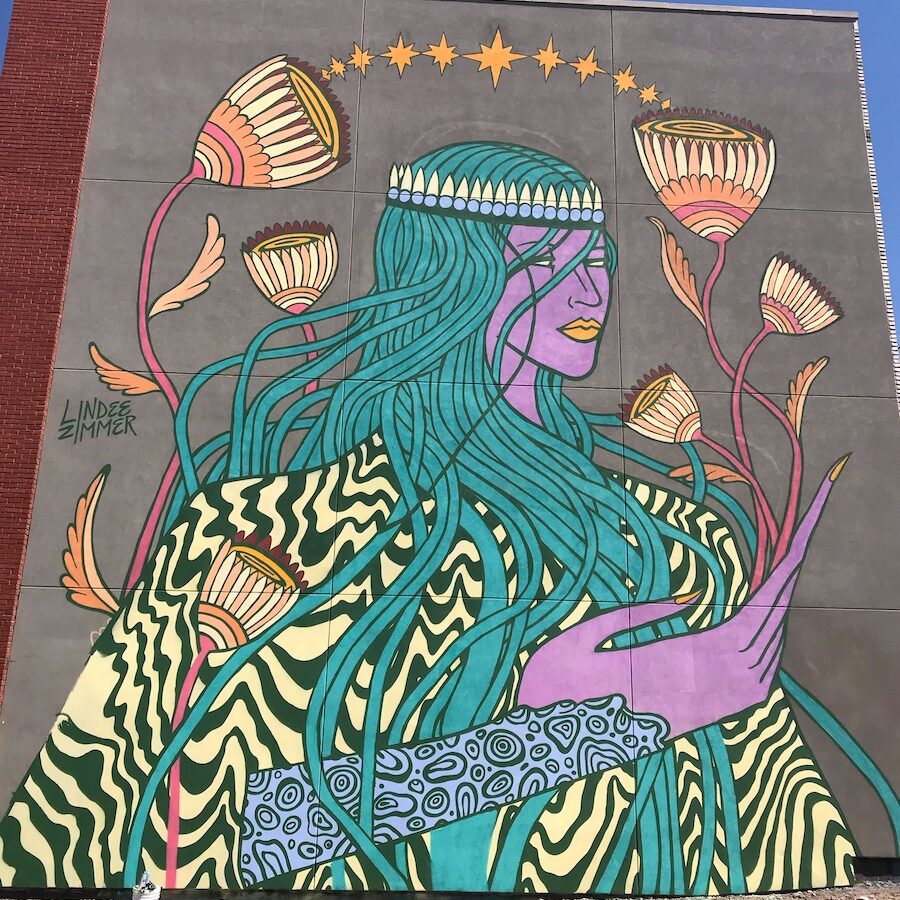
Lindee Zimmer
Mexican artist Hilda Palafox, or Poni, and his painted mural
Casey Kawaguchi at Crush Walls Denver
Tiny workmen by Juane as seen in Denver
Pharoah One
Pipsqueak
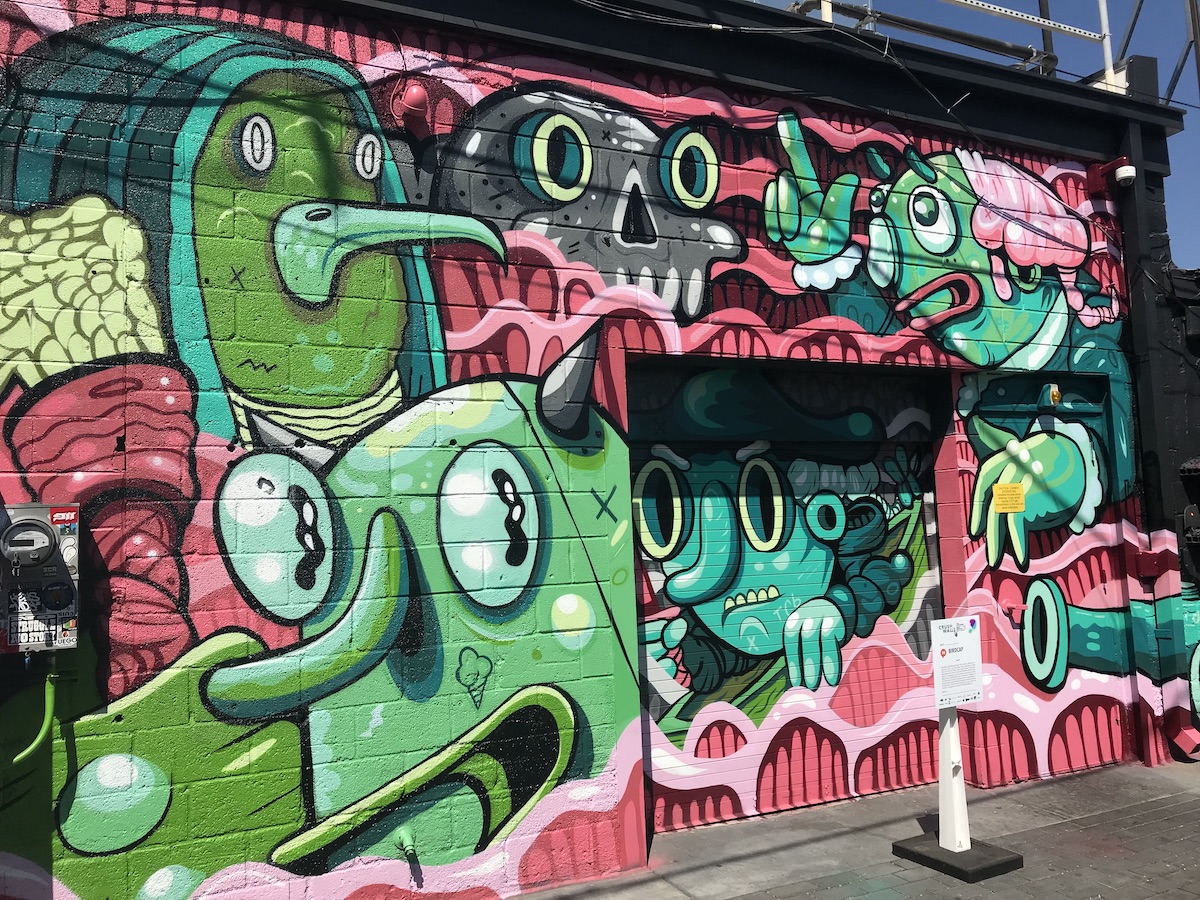
Birdcap
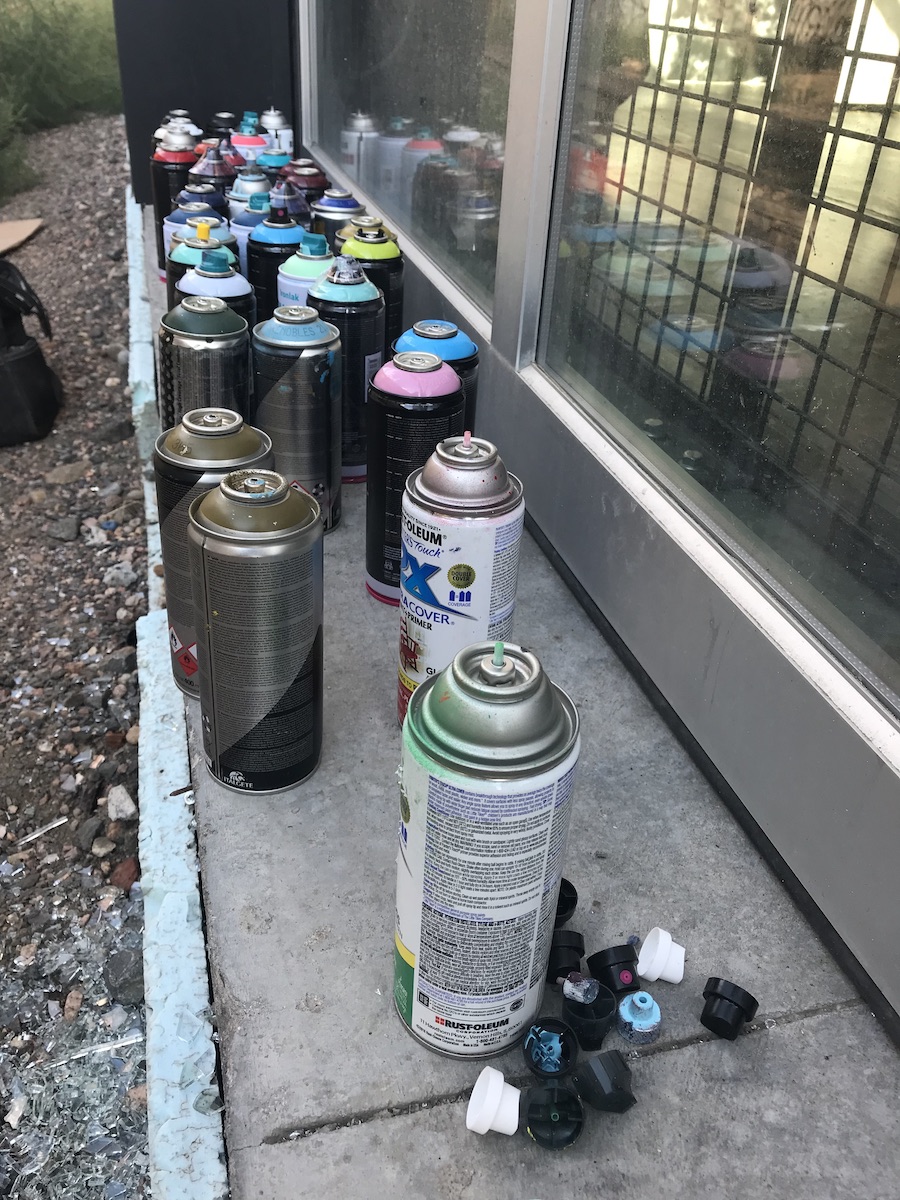
Tools of the trade
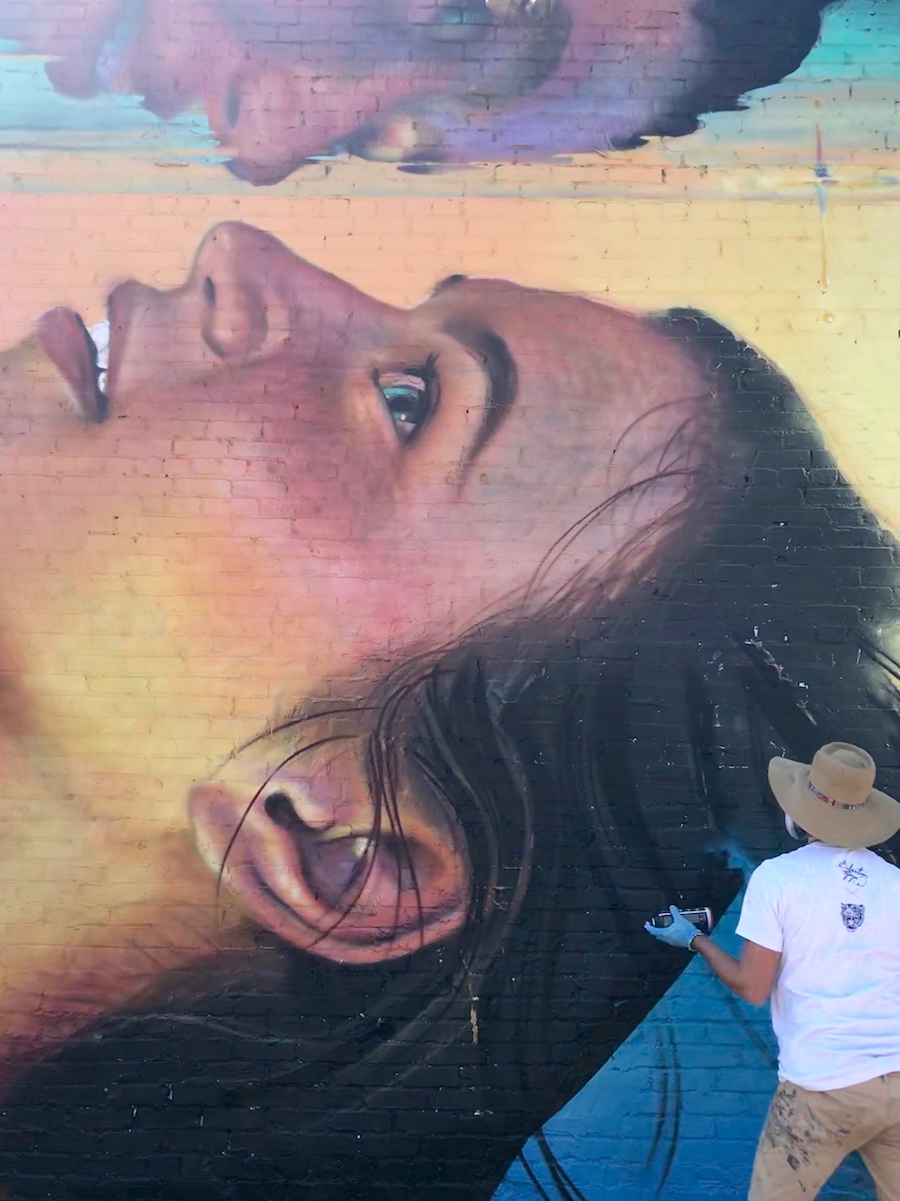
Close up of Nick and Marissa Napoletano mural
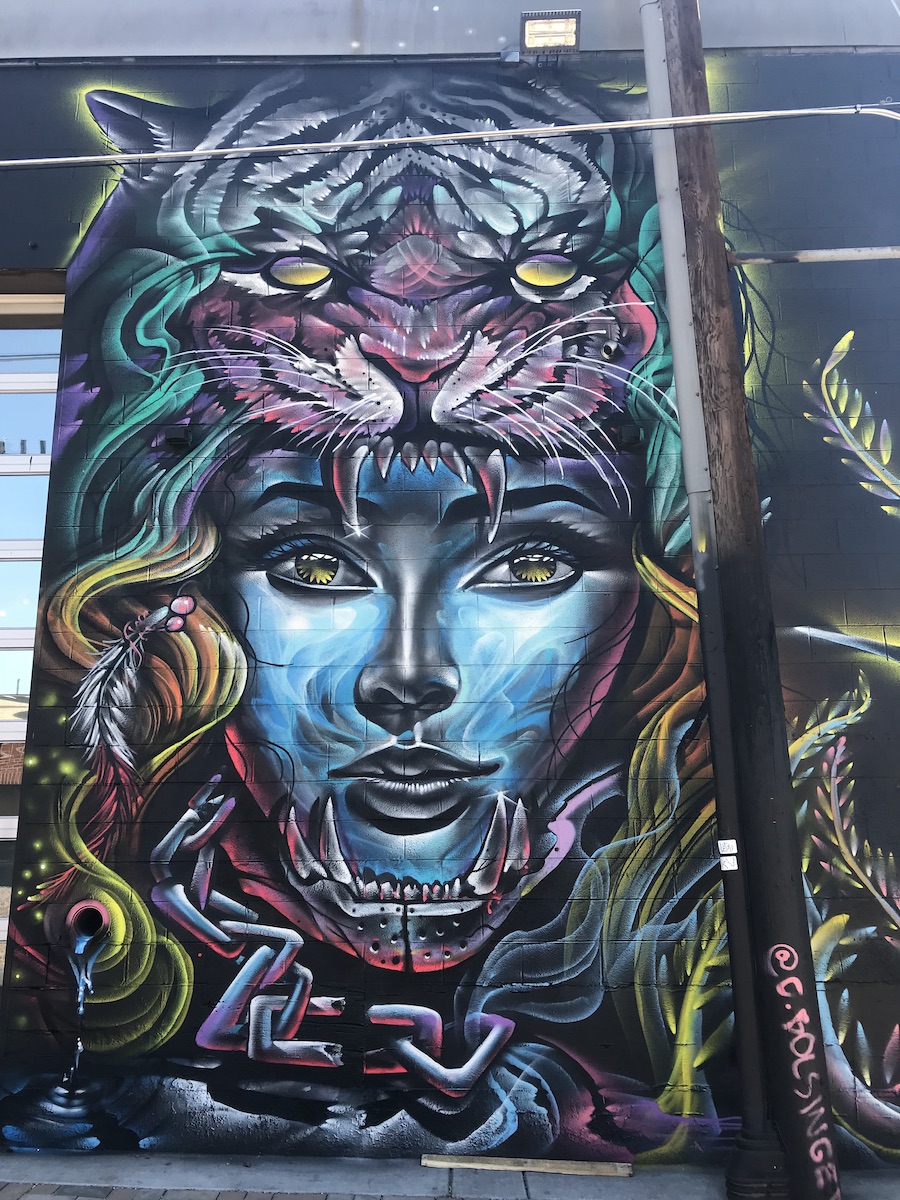
Chad Bolsinger’s mural
Illson
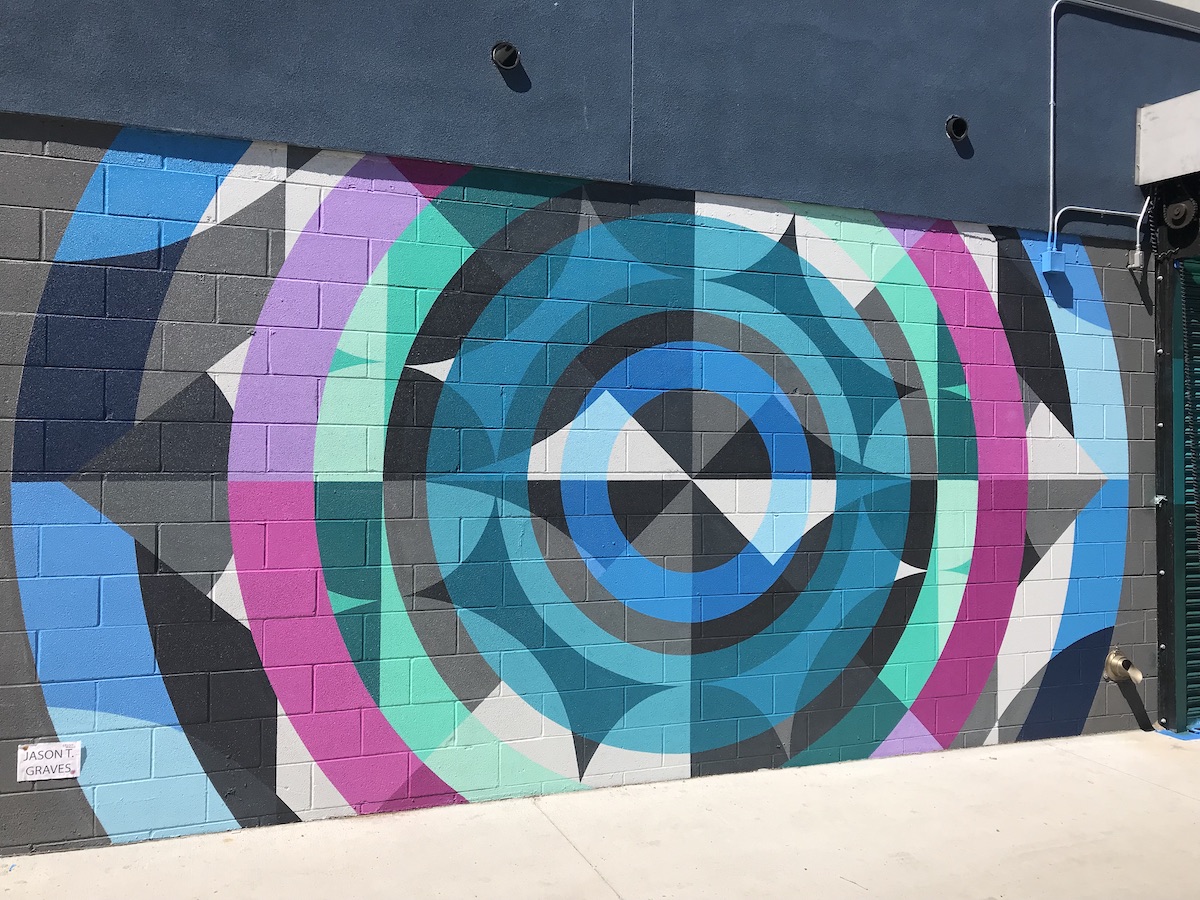
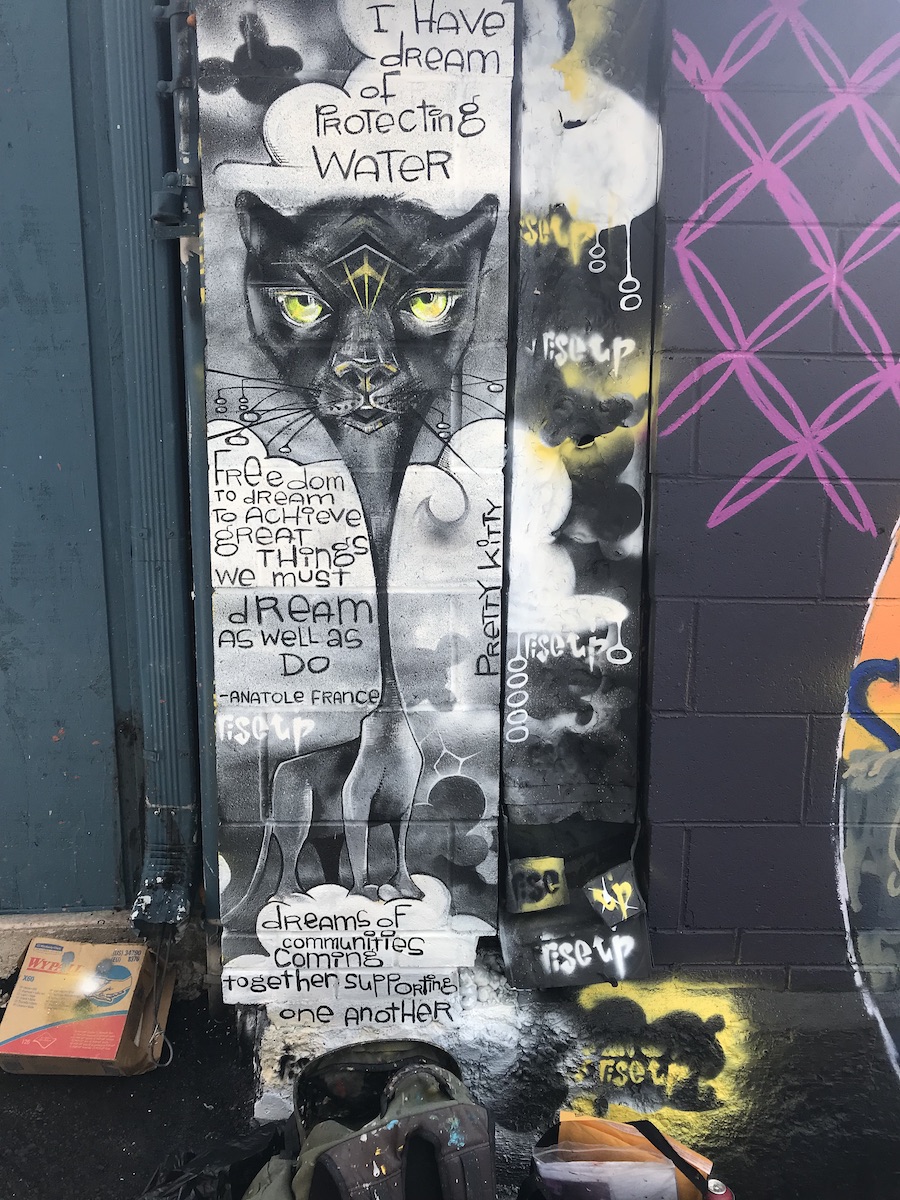
CRUSH walls helped to elevate the status of street art, and helped to make the RiNo district a must see location in Denver. RiNo is an amazing place to explore and check out the art displayed on walls in alleys, on commercial buildings in parking lots, restaurants and offices. Here I fell in love with several artists that I discovered for the first time i.e. Detour, Scott Lefavor, rumtum, casey kawaguchi,obeygiant,alexandrea_pang, clandestinos shalack attach & bruno smokey nomad.clan,poni,pharoh one alouishous san gomma, stickki peaches, jason garcia, mike giant, patrick Kane McGregor lindeezimmer,juane, woes martin, chad bolsinger jason t graves shepard fairey, vitoriano rivera, nick napoletano, pharoah One jaime molina & pedro barrios the giant
Although Crush Walls folded, Denver is carrying on with Denver Walls! This event will happen the end of September. Let’s Go!
Clandestinos
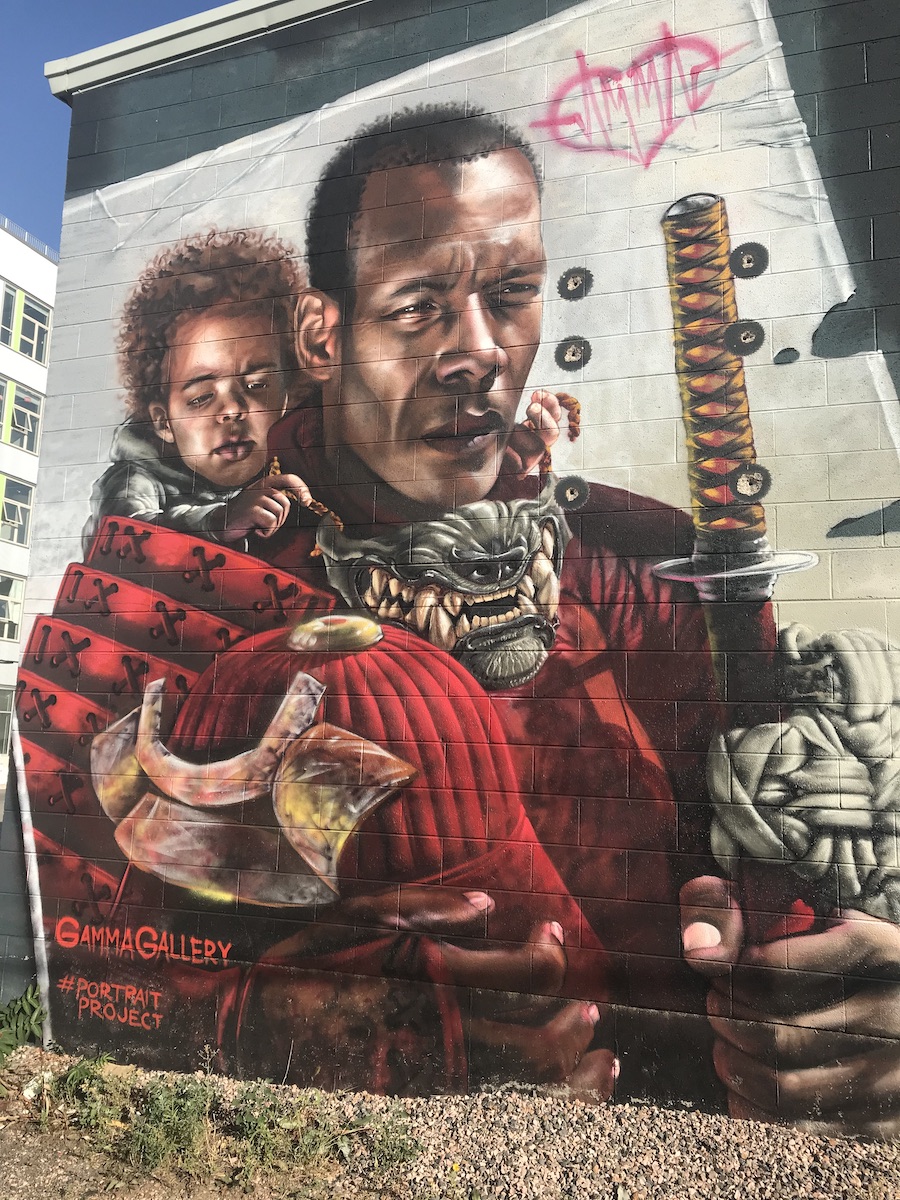
Family portrait by Gamma Gallery
Huthbot
Sea Monsters are real..Rumtum working on his mural
mpex
brian scott hampton
Mural by Jason T. Graves, with help from Remington Robinson
Collaboration mural for CRUSH Walls by Jason Garcia, Mike Giant and Patrick Kane McGregor
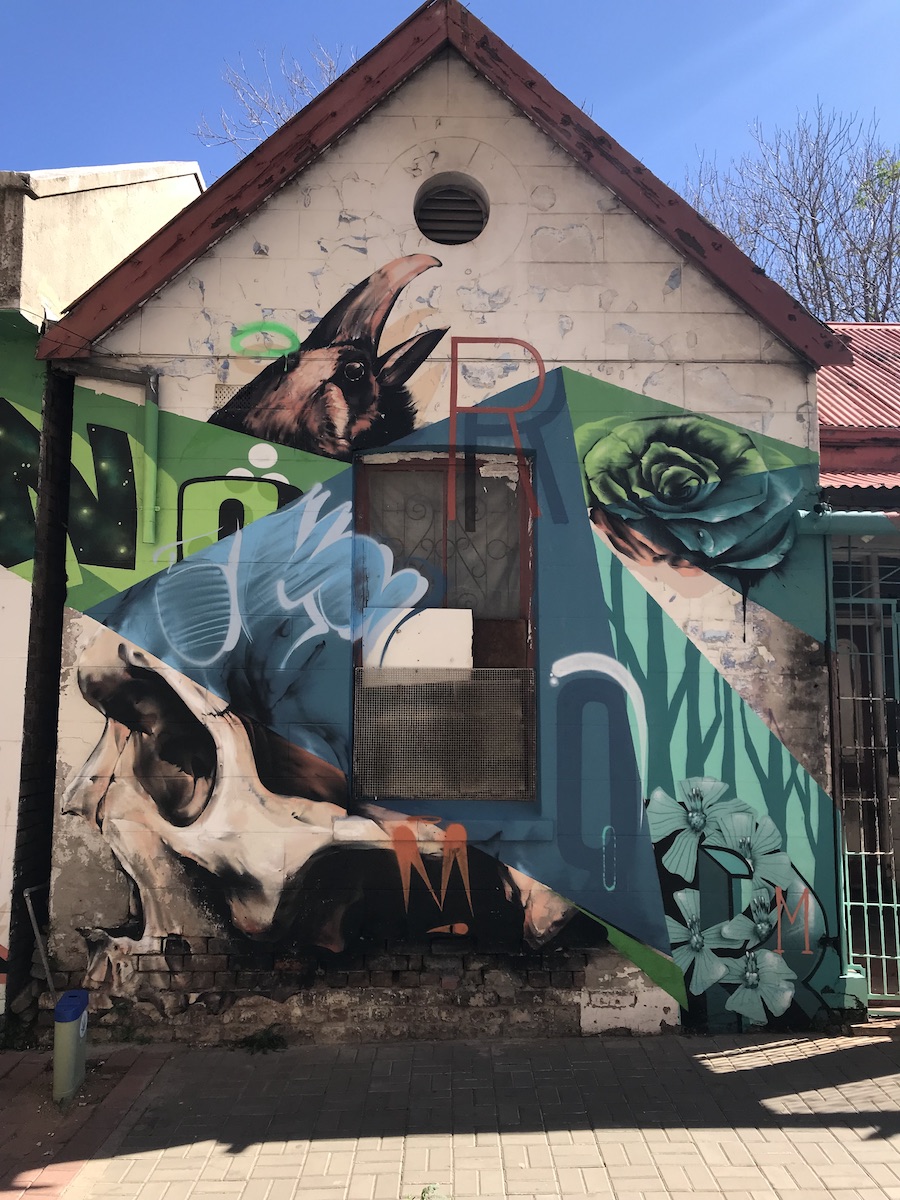
Johannesburg
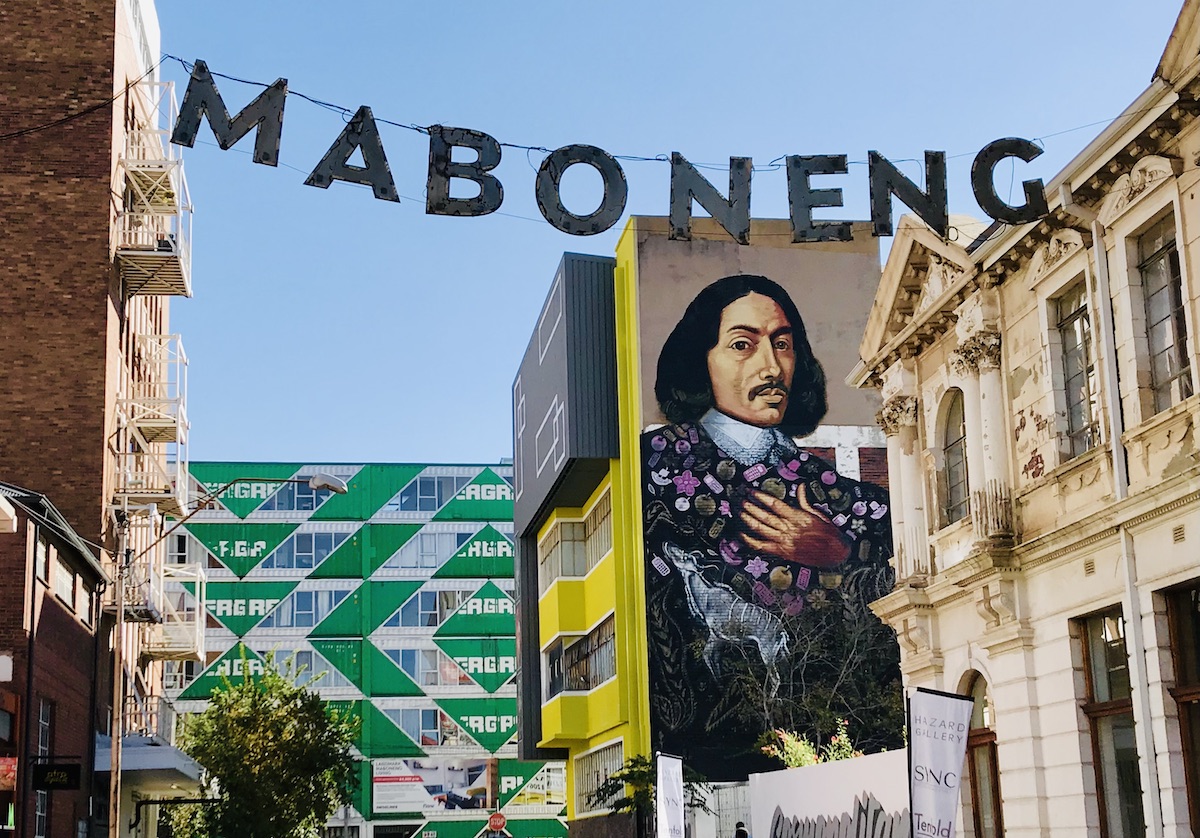
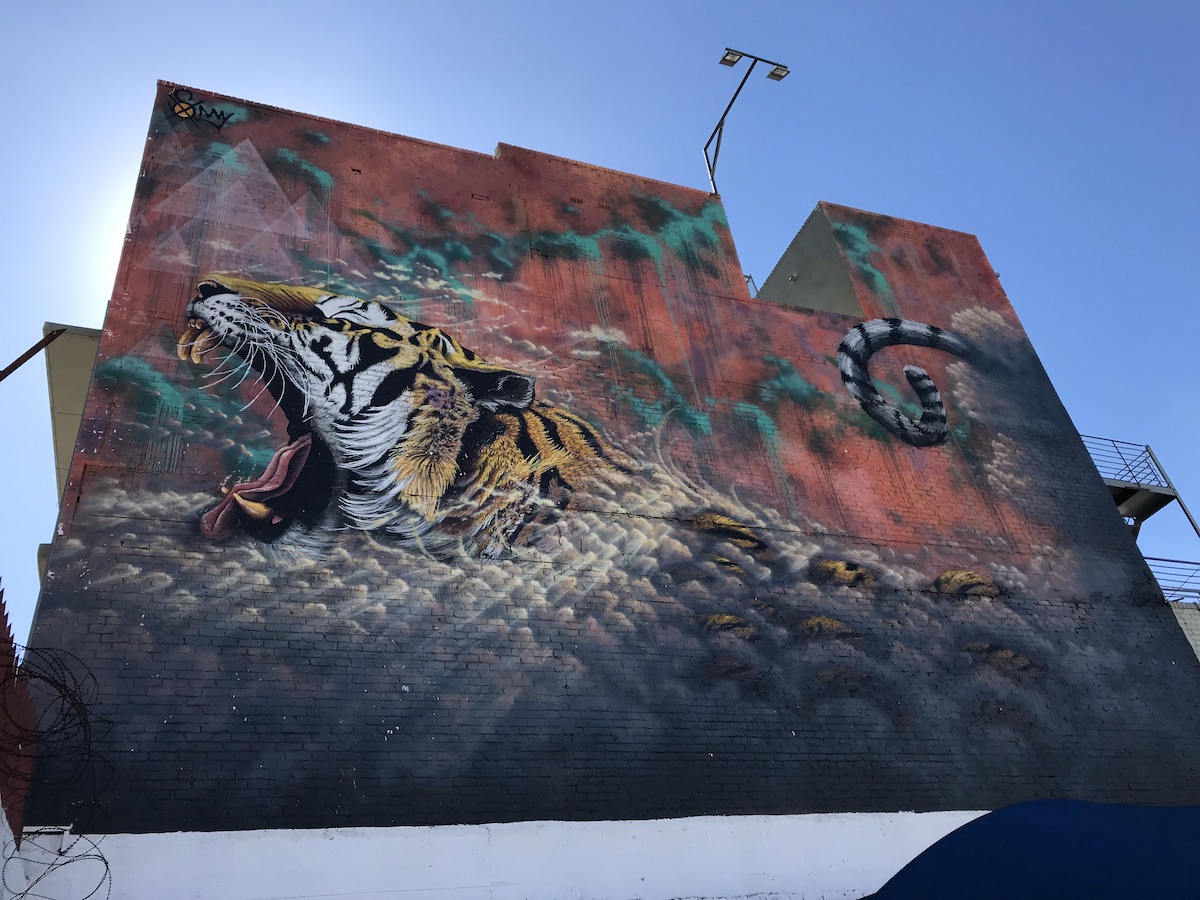
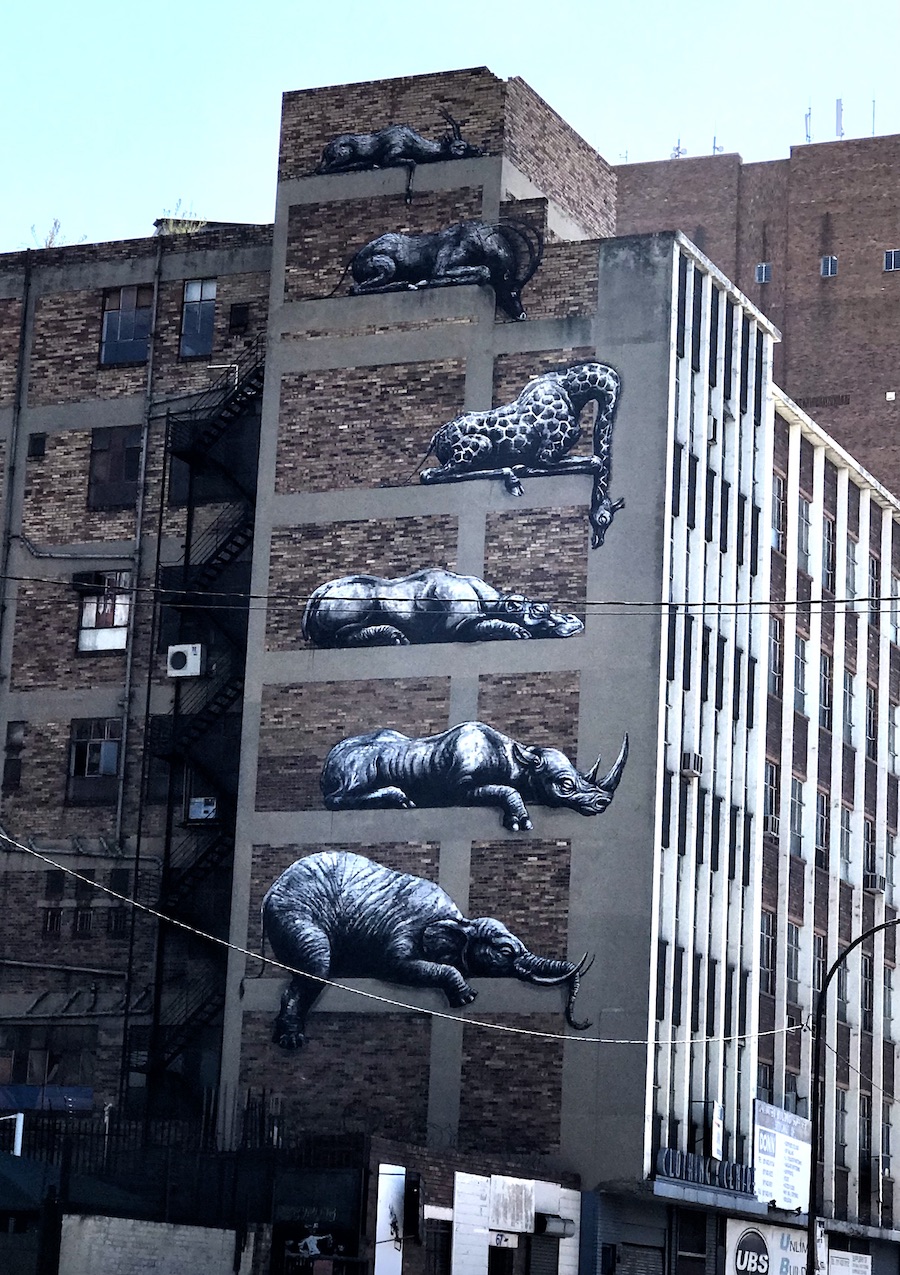
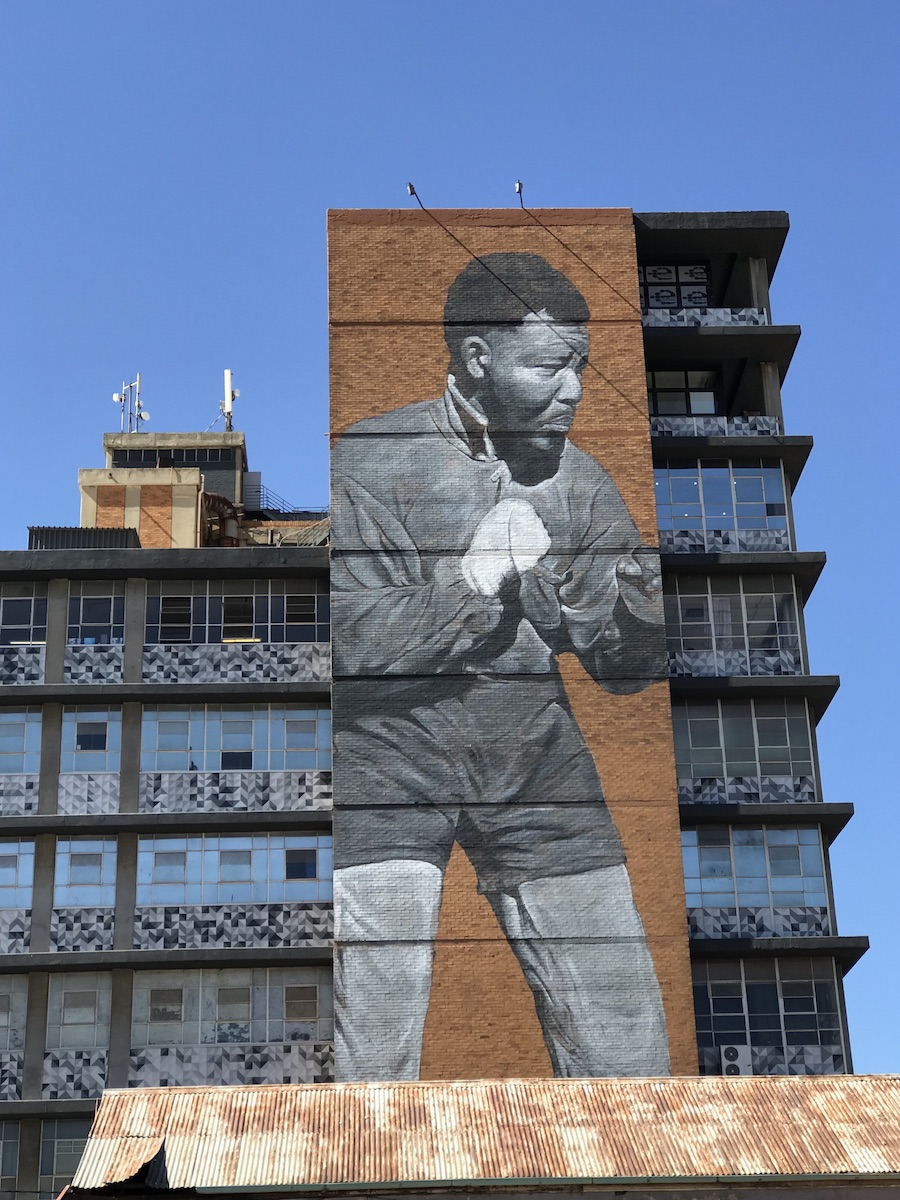
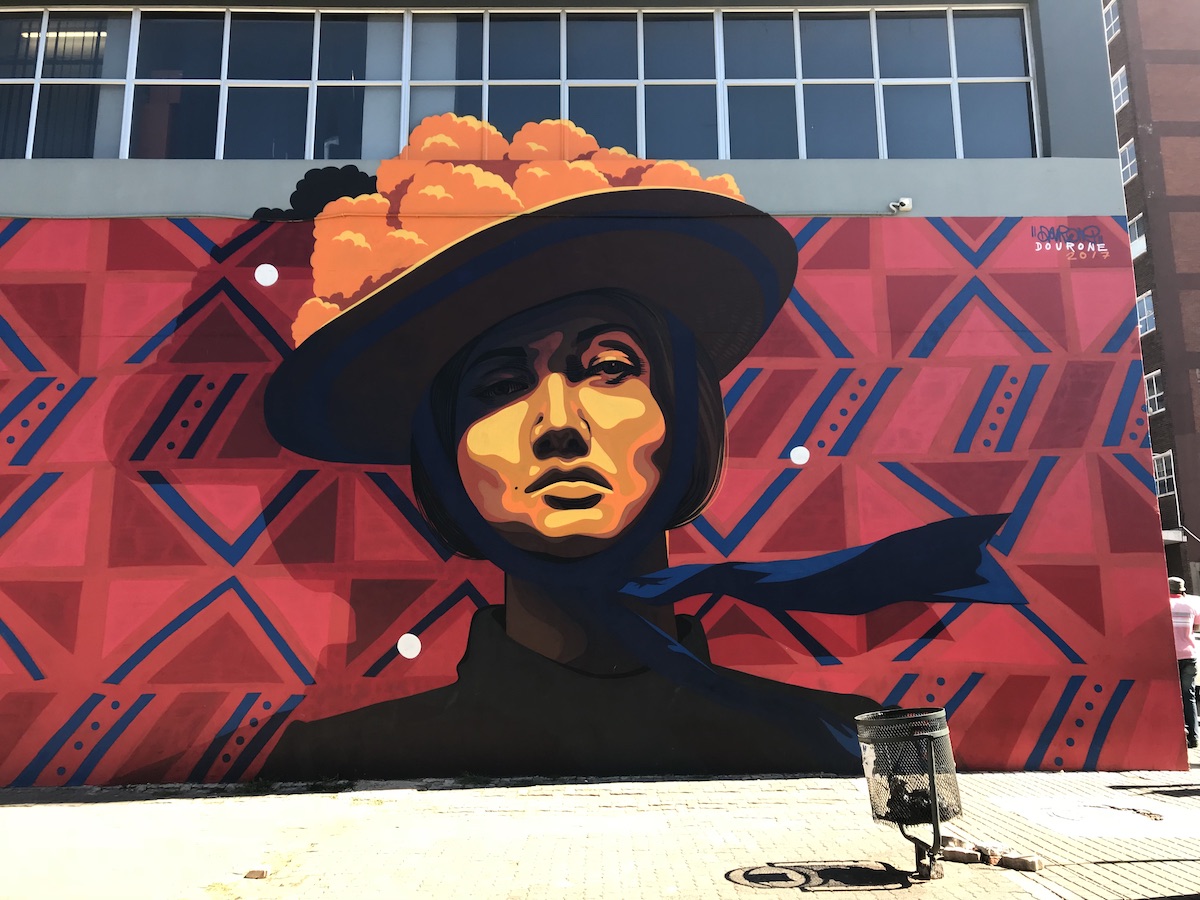
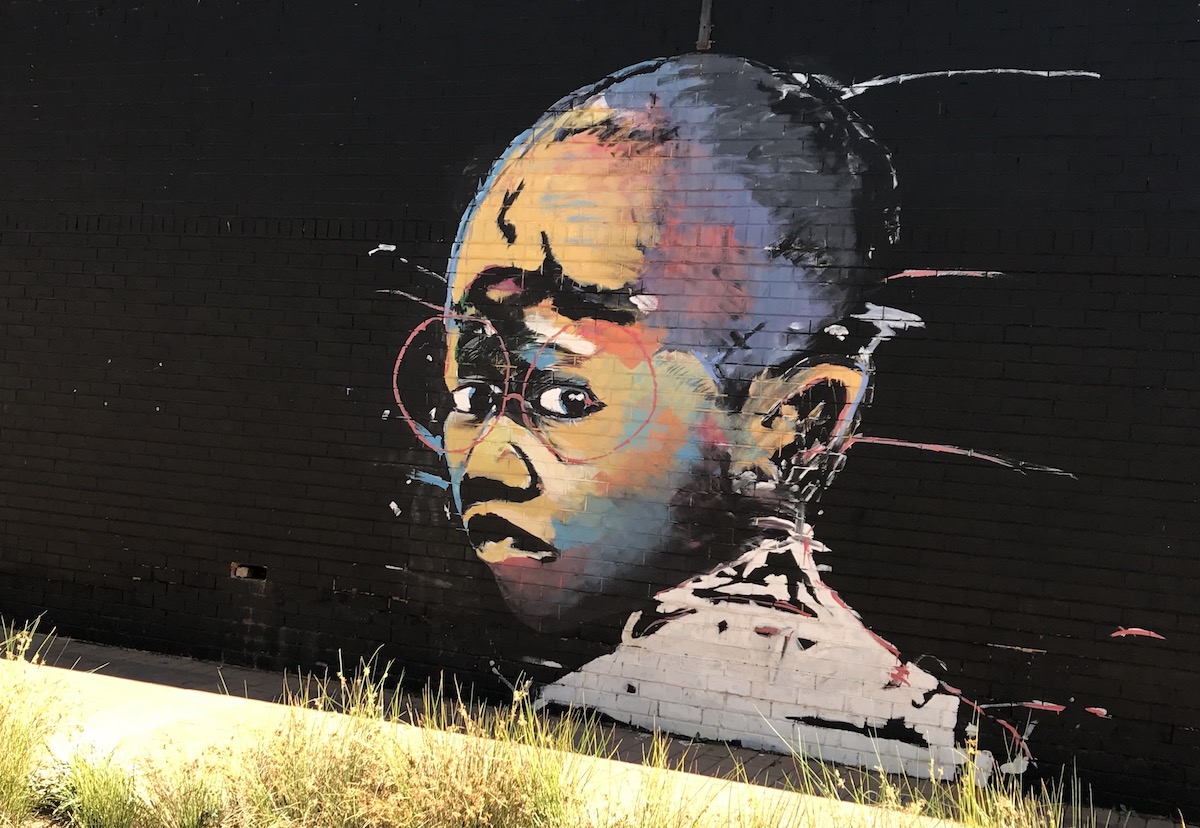
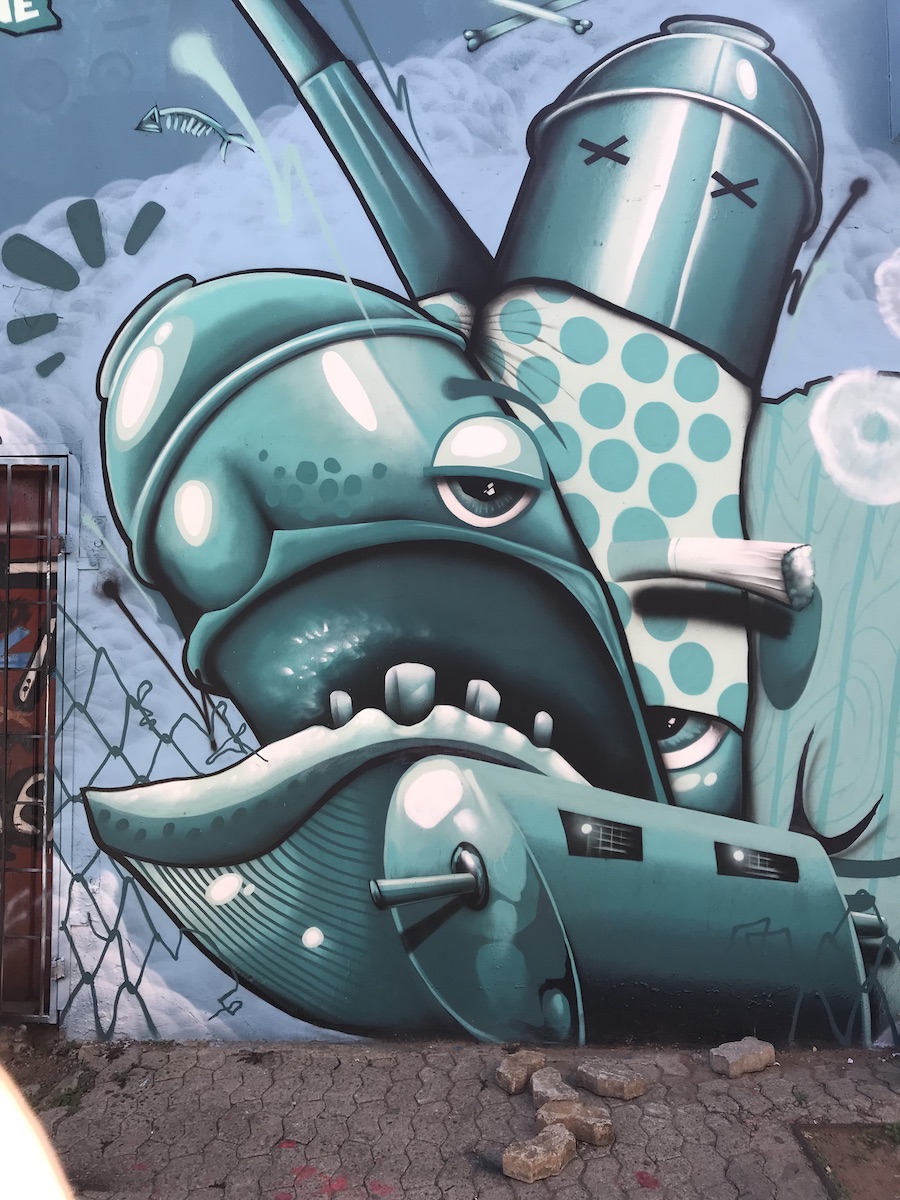
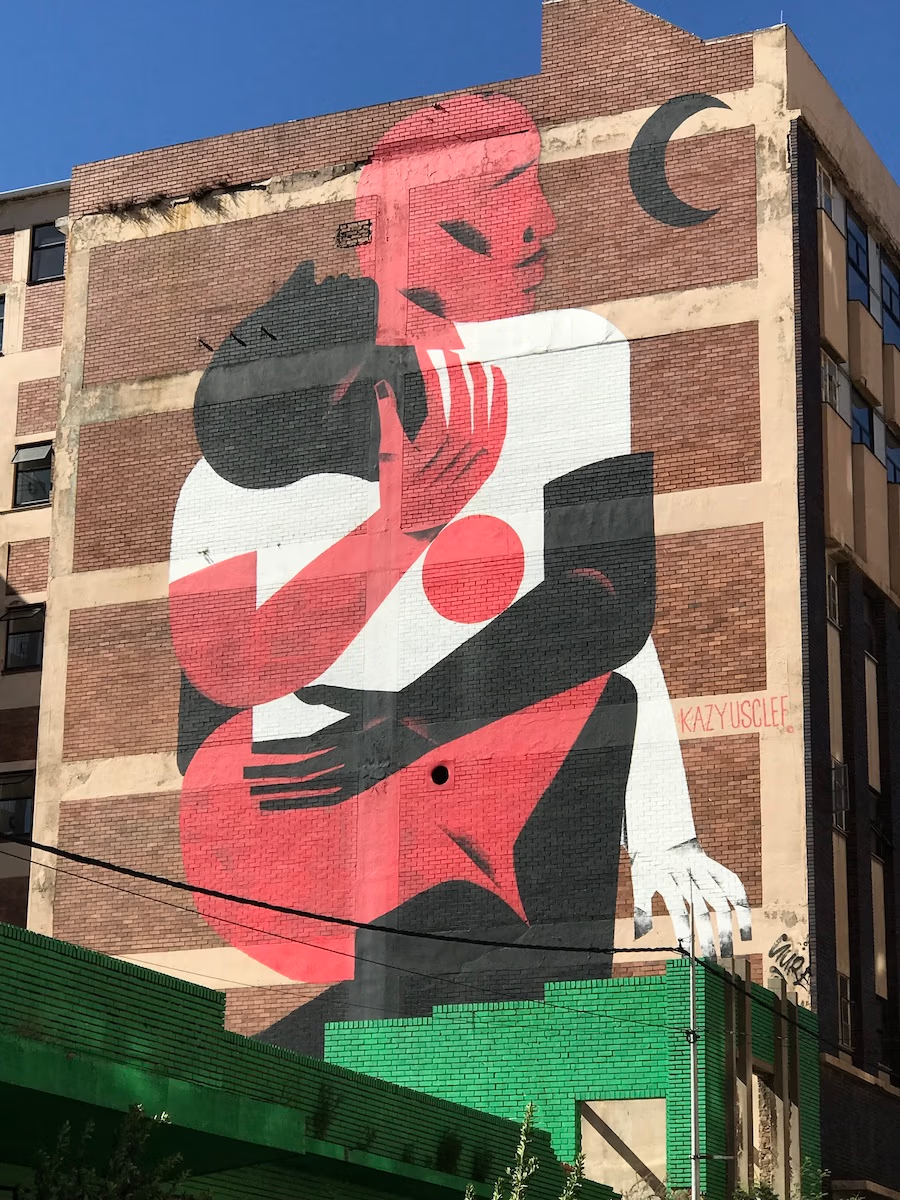
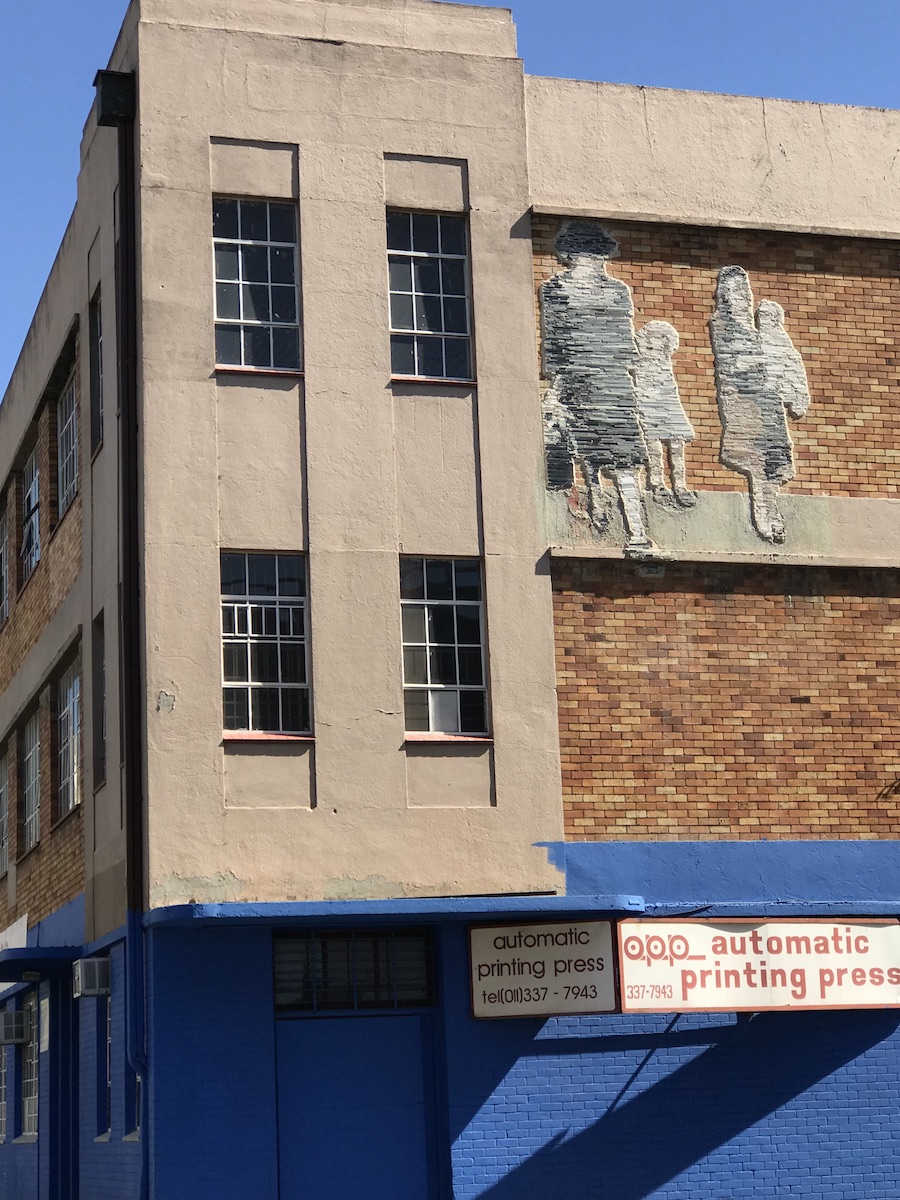
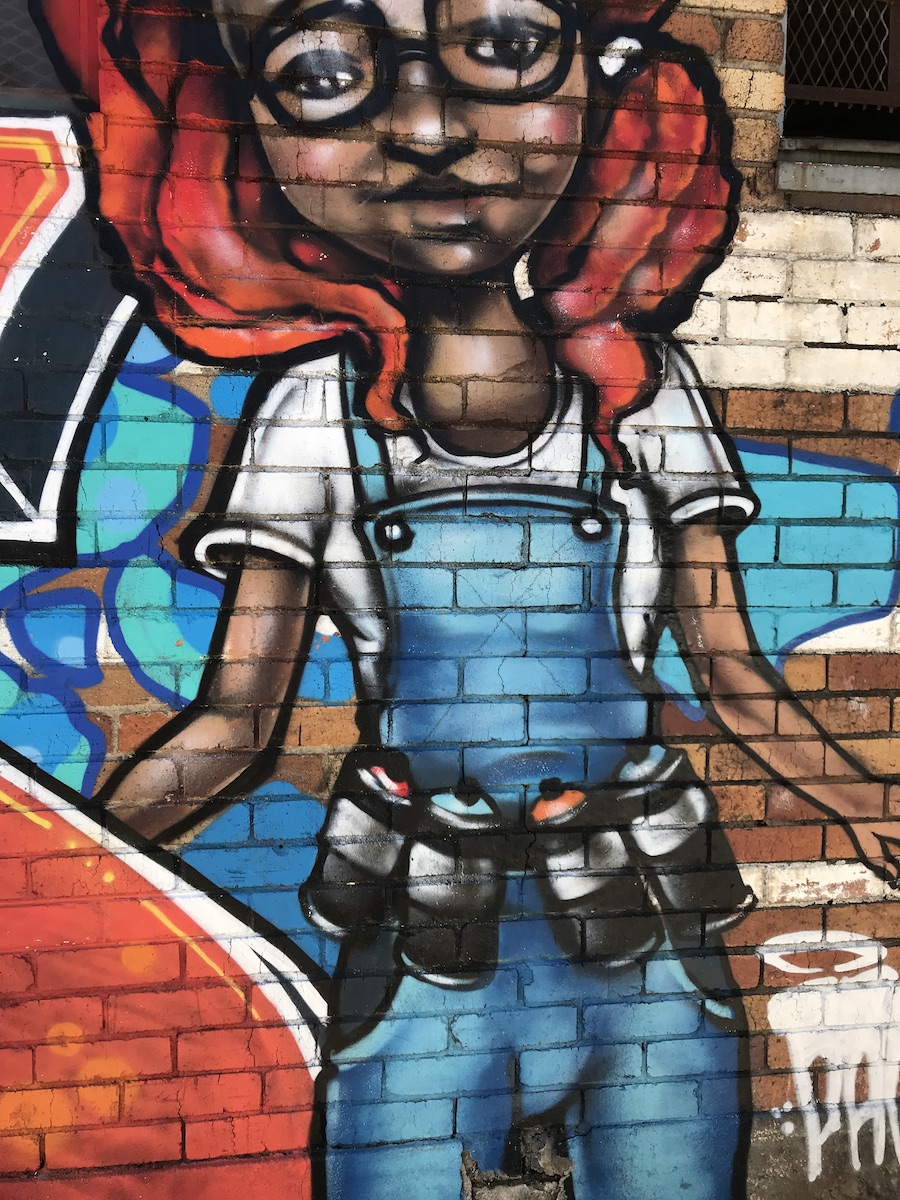
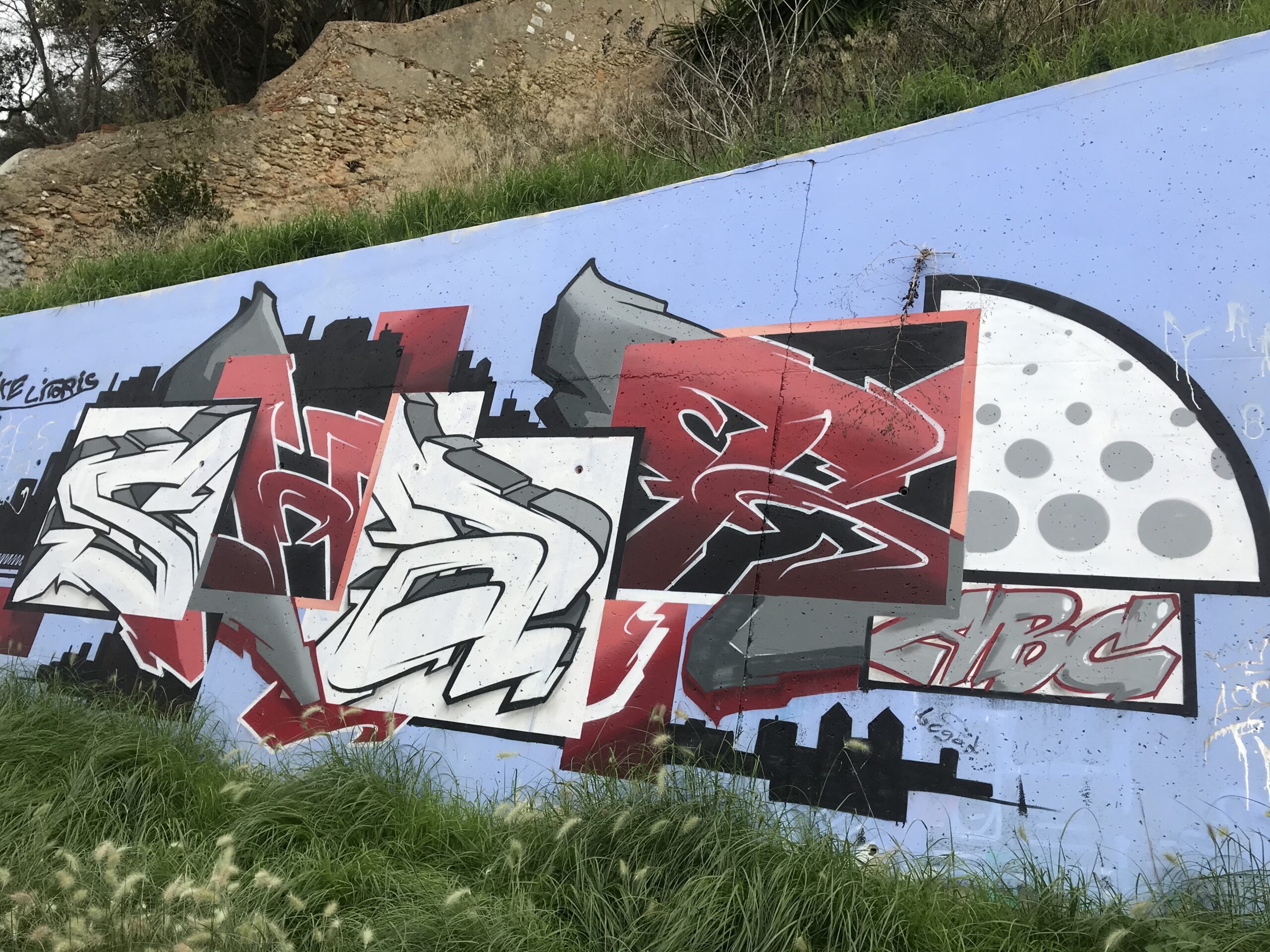
When I was researching South Africa so many people said for me to ‘skip’ Johannesburg. It’s dangerous, not much to see etc. Well I can say now that I have been, that I am so grateful for exploring Joberg. There is so much to learn about the history and culture and there are very cool places to go with artists and designer vibes, and for food and shopping. I was fortunate to stay in one such place – Maboneng. A up and coming designer heavy neighborhood with plenty of street art. I joined a walking tour and took in the sights.
Lisbon
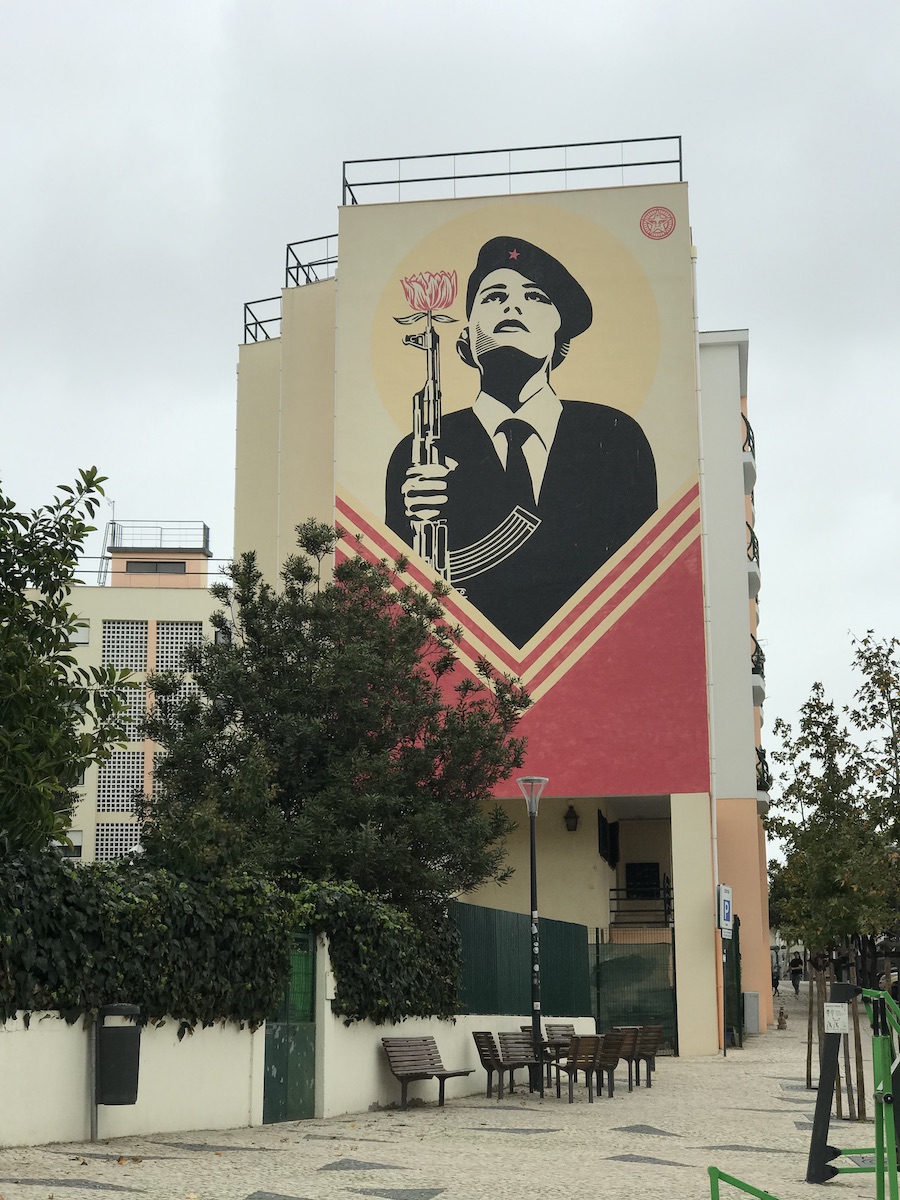
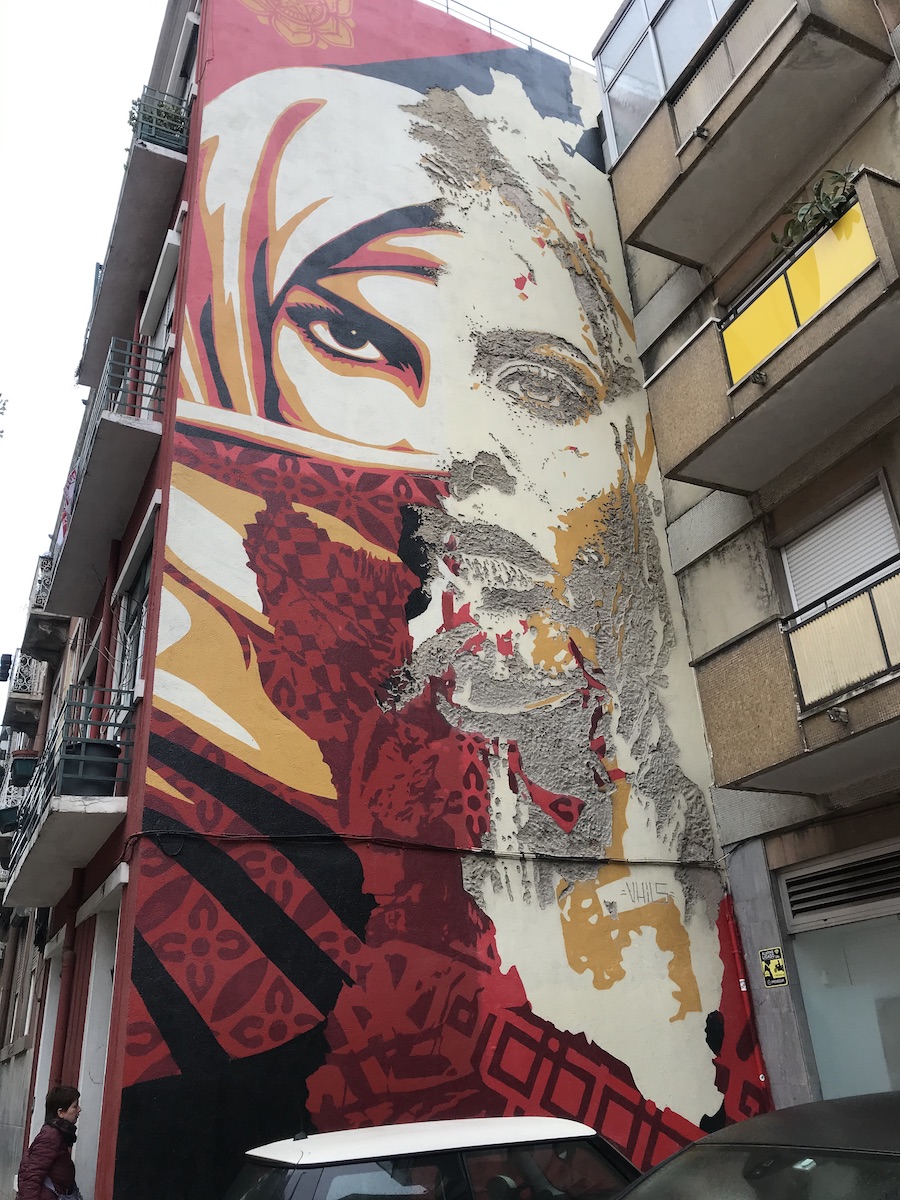
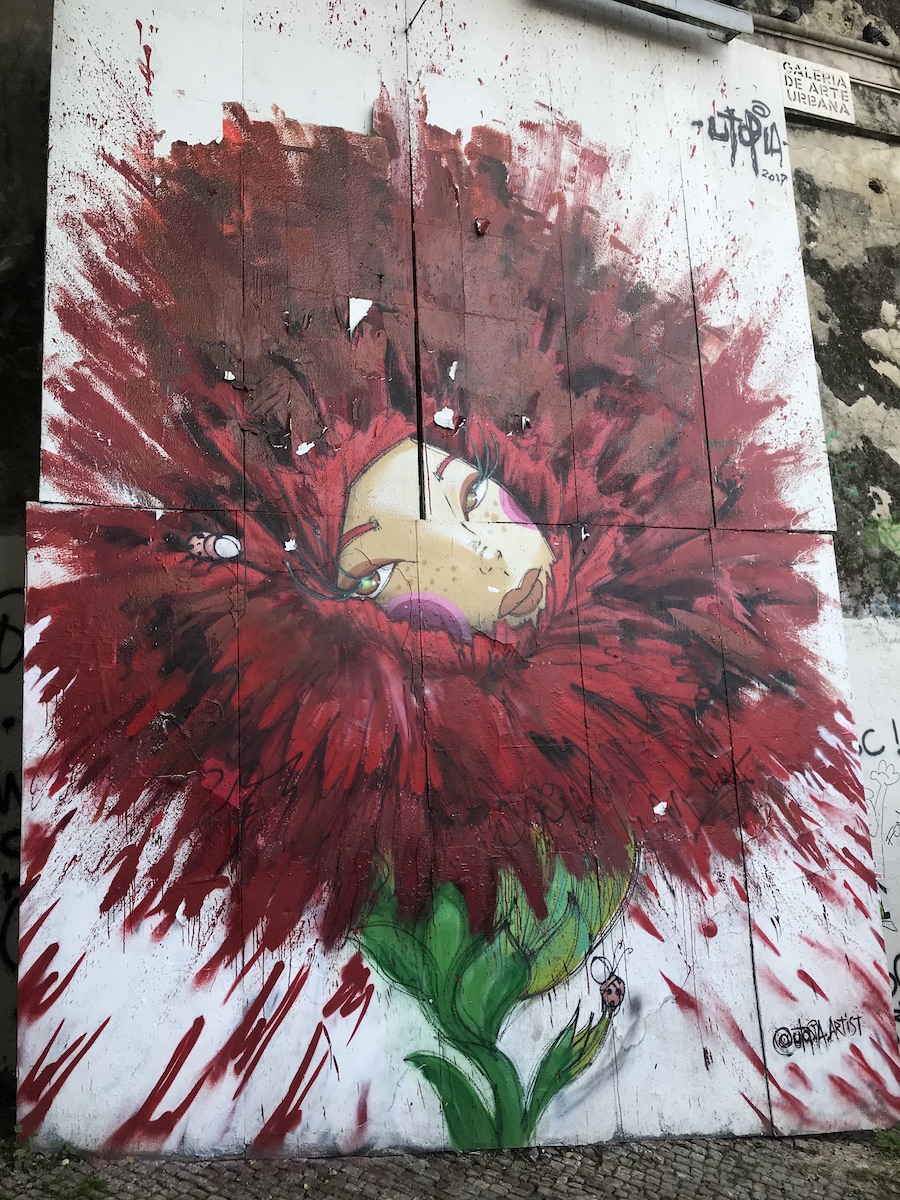
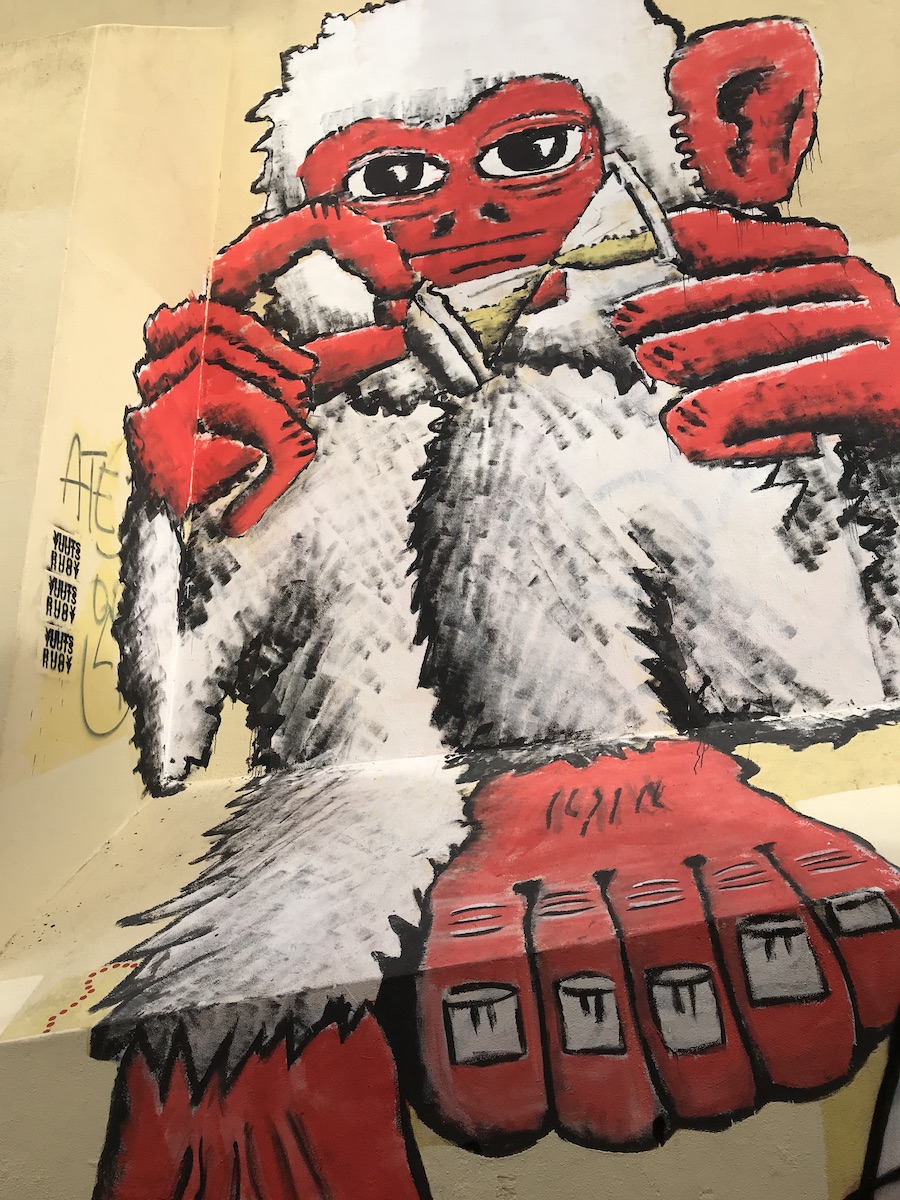
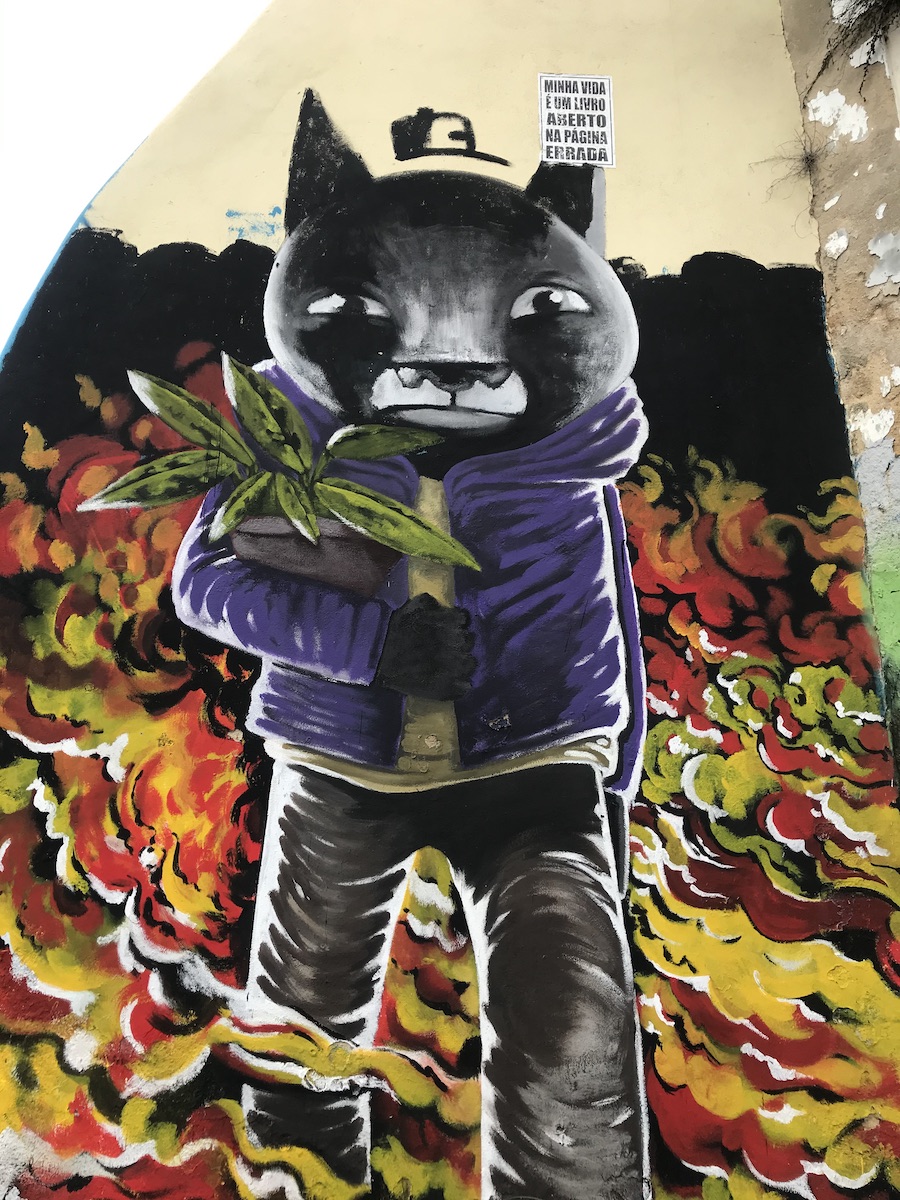
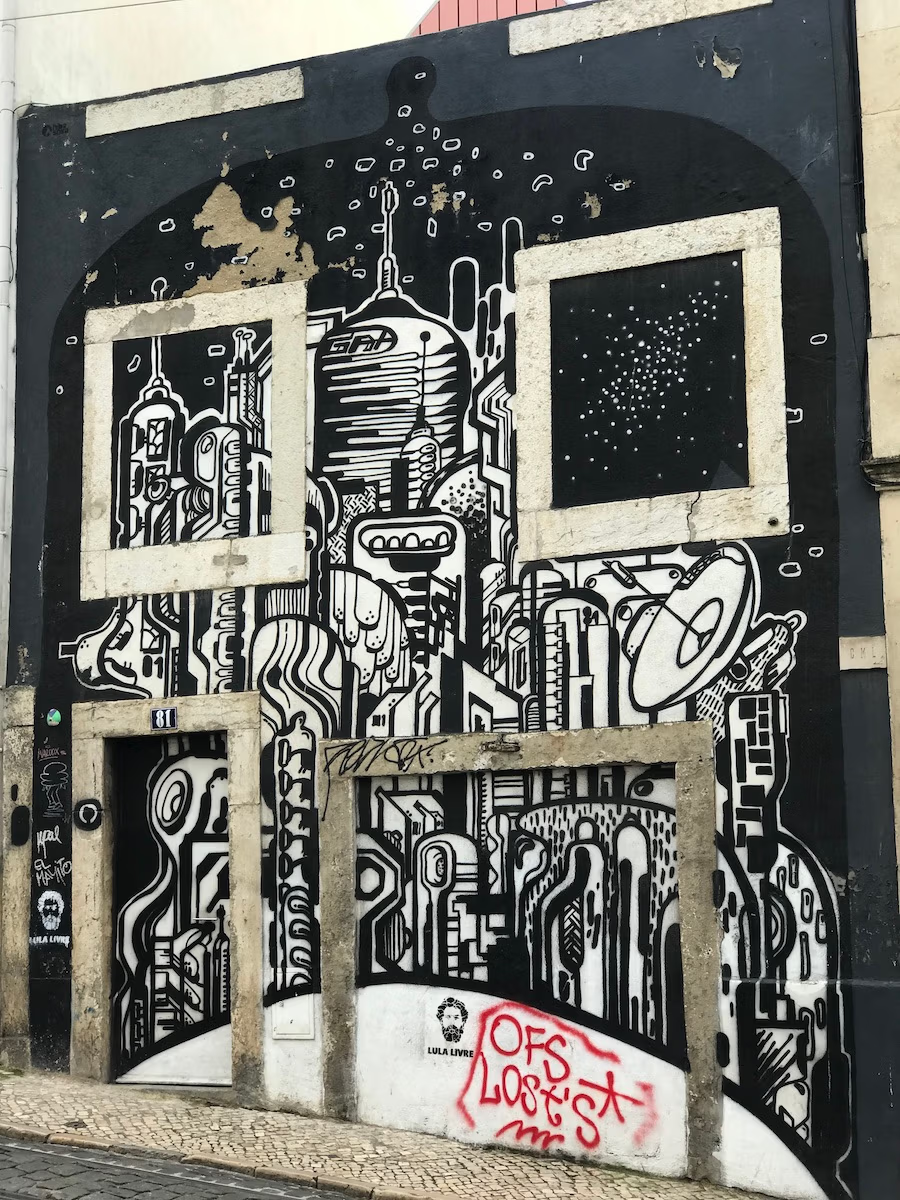
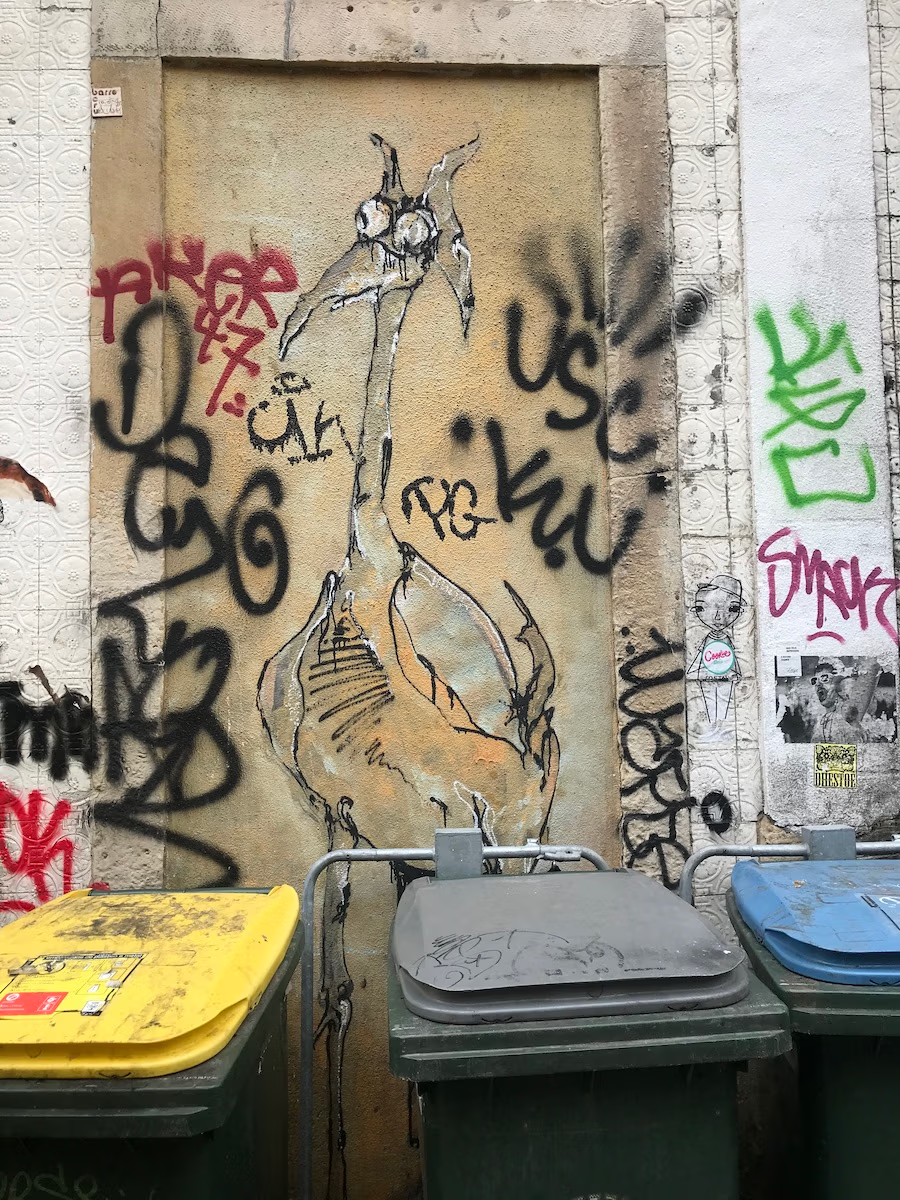
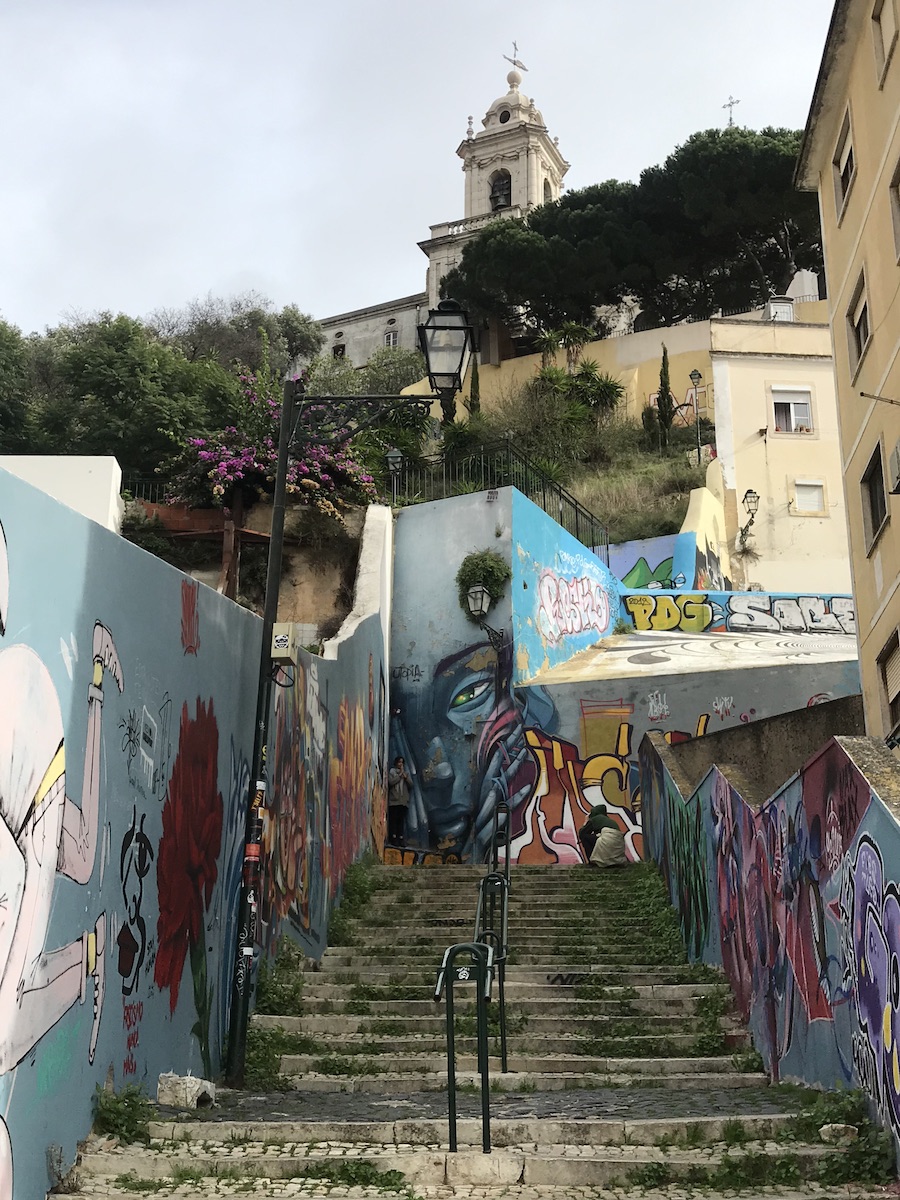
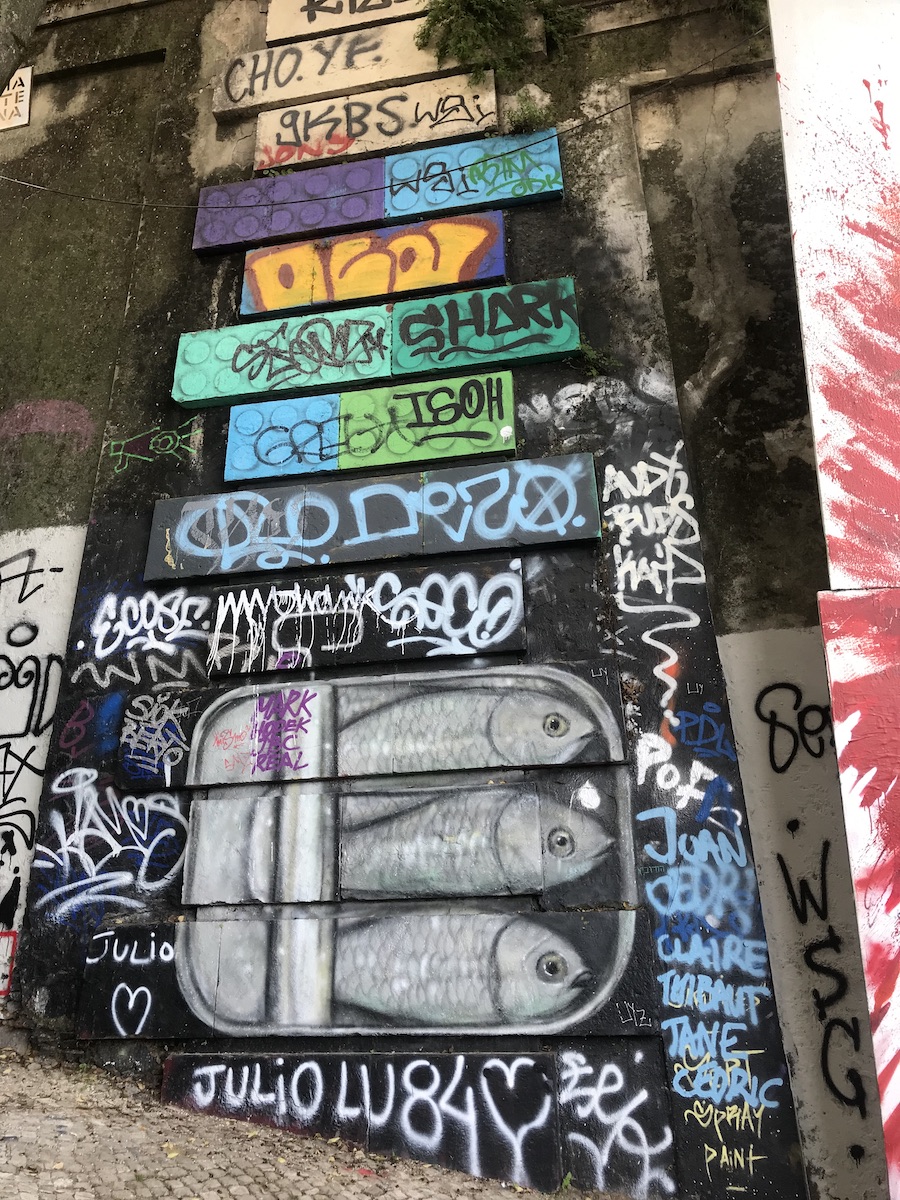
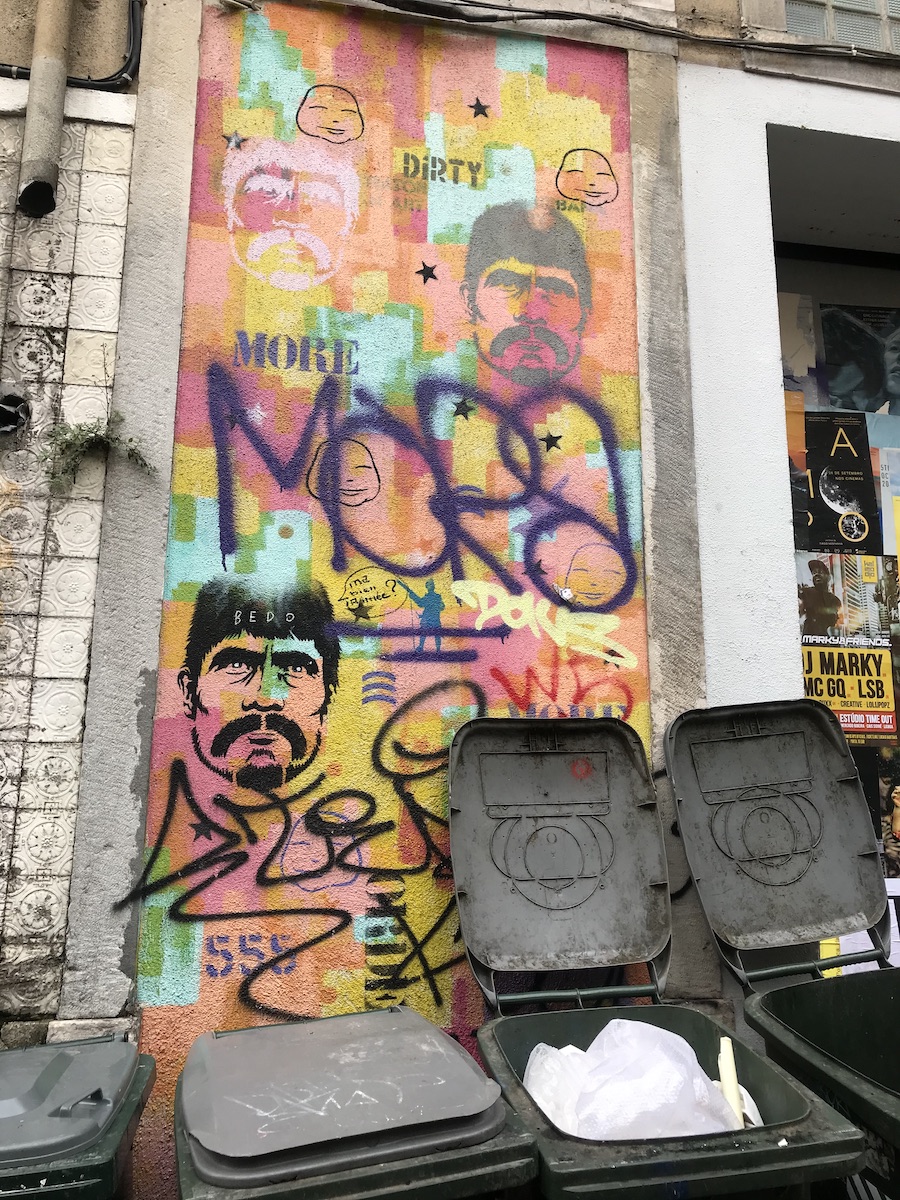
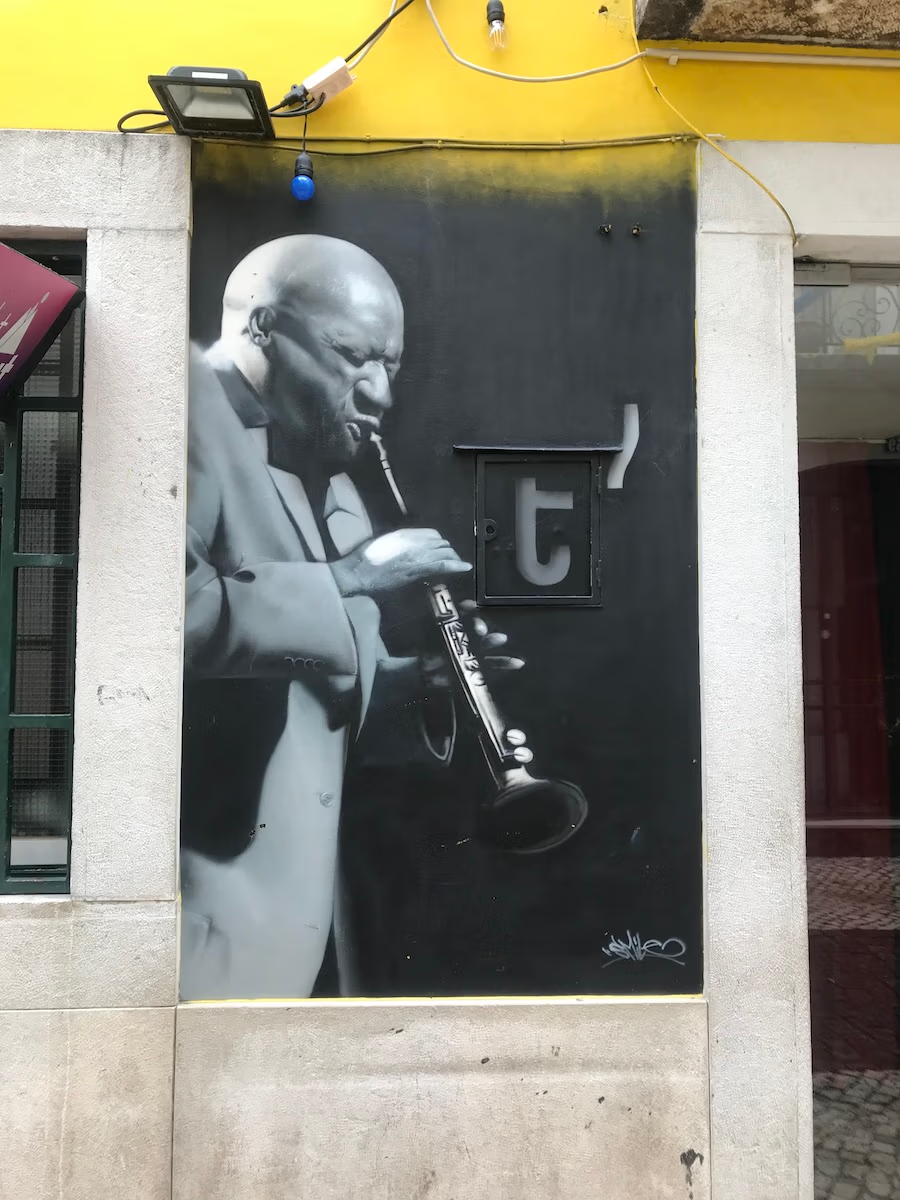
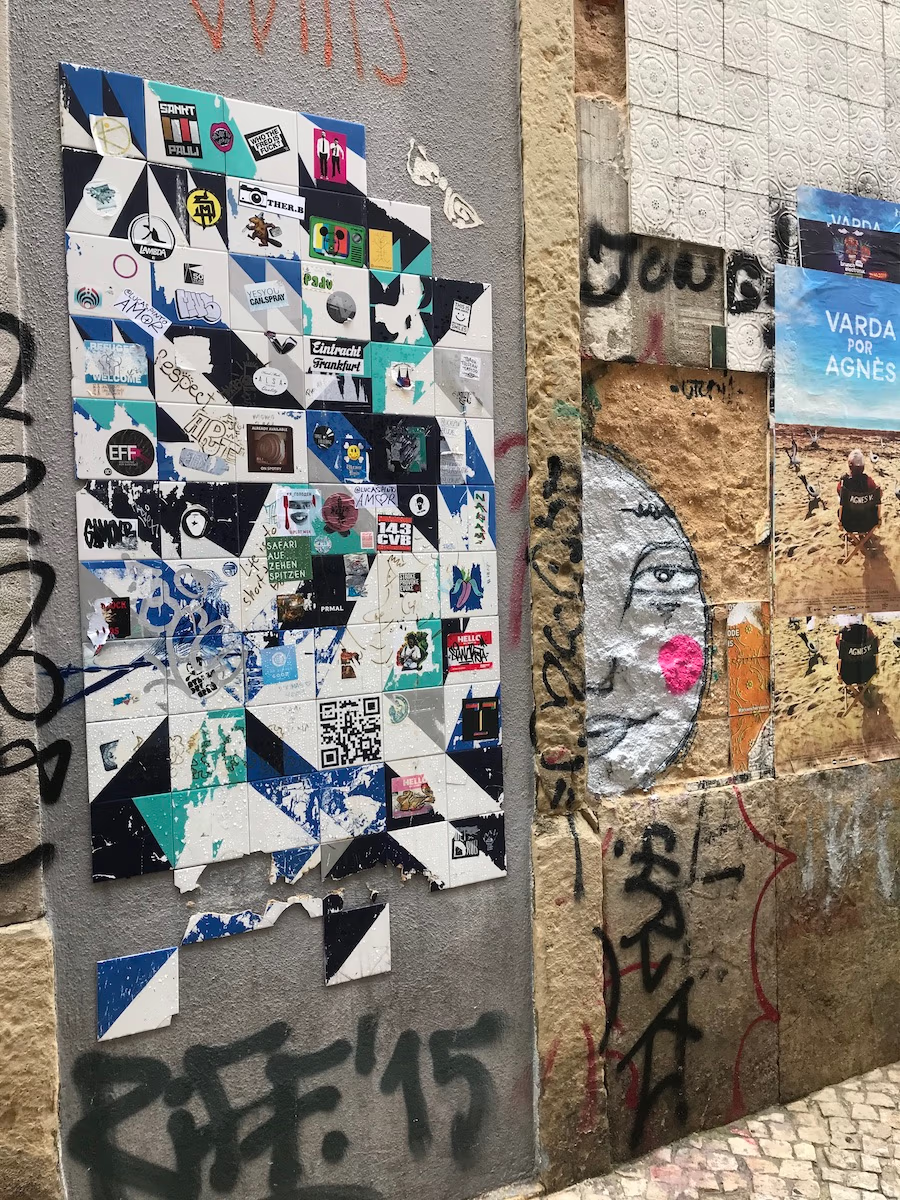
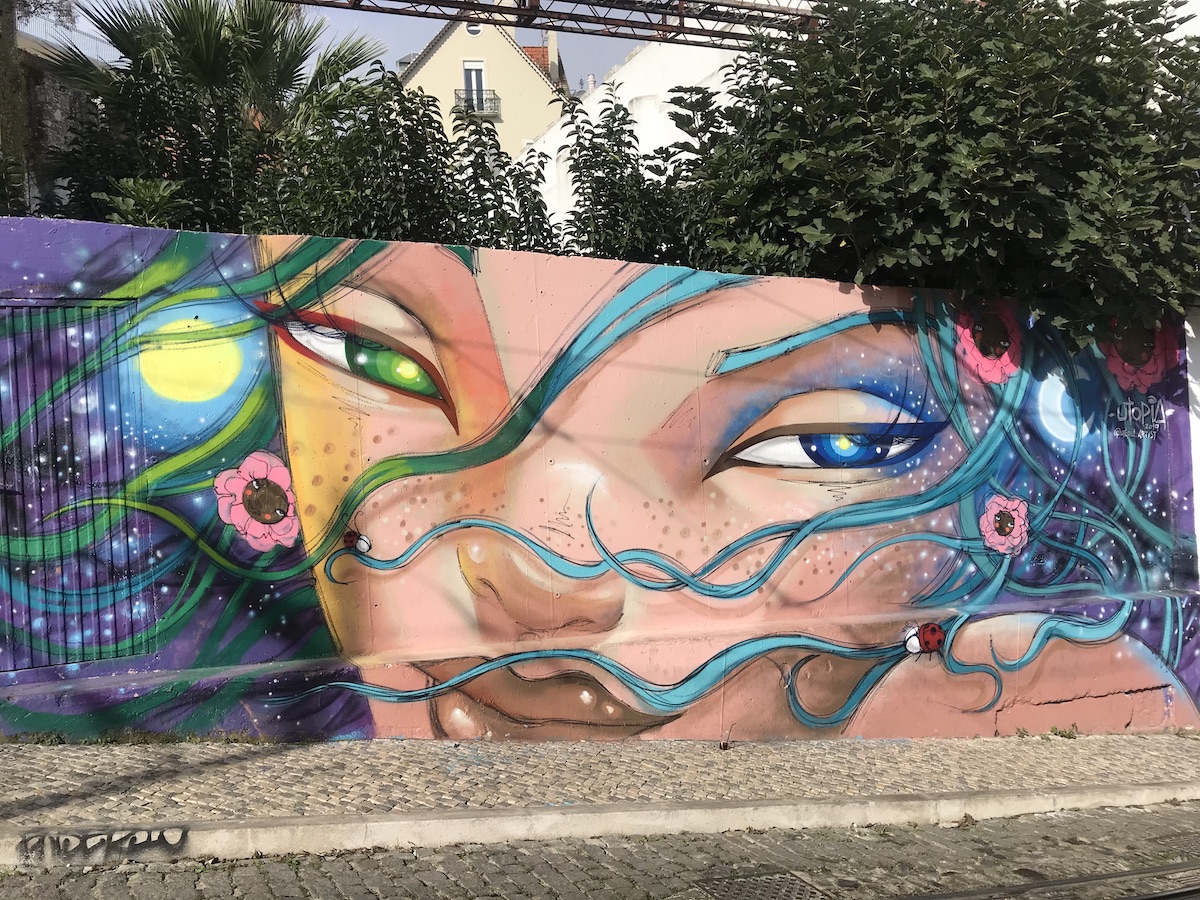
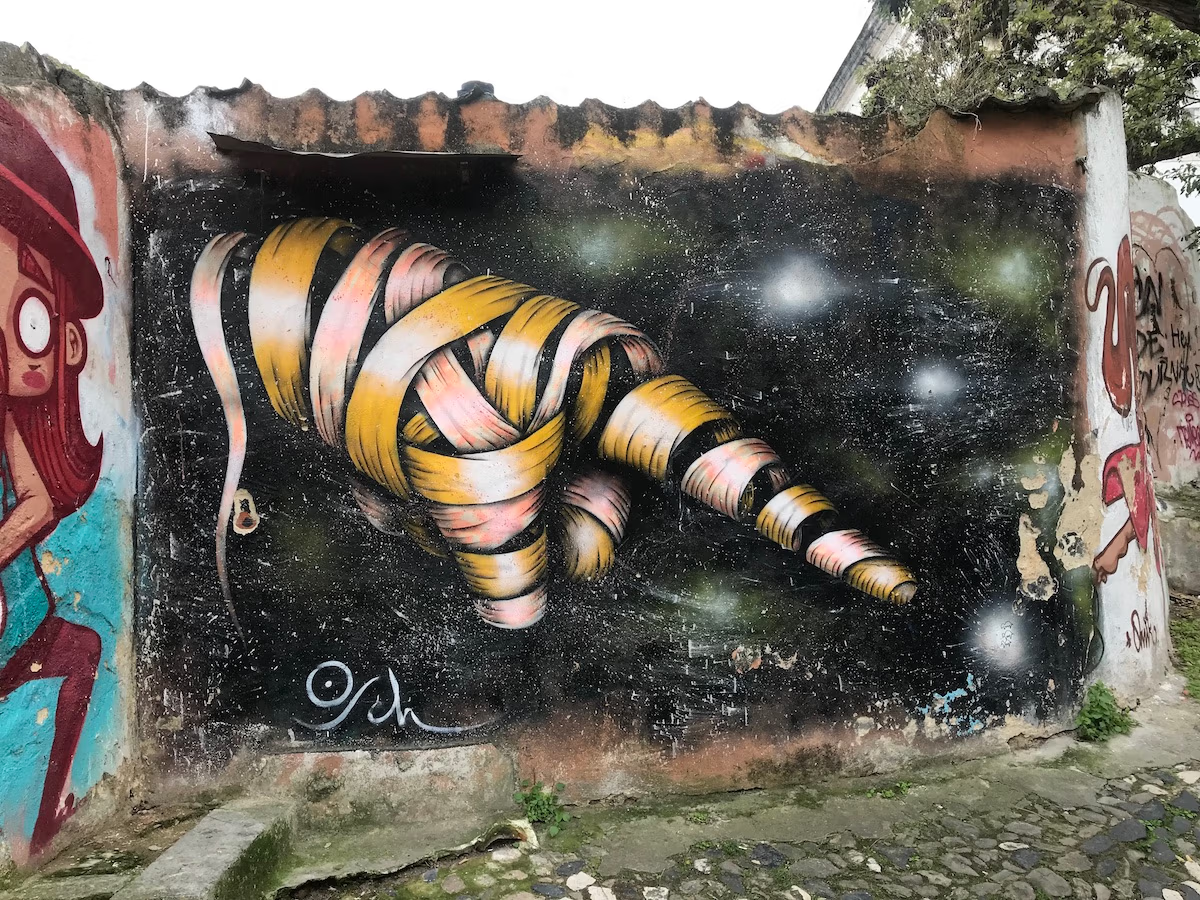
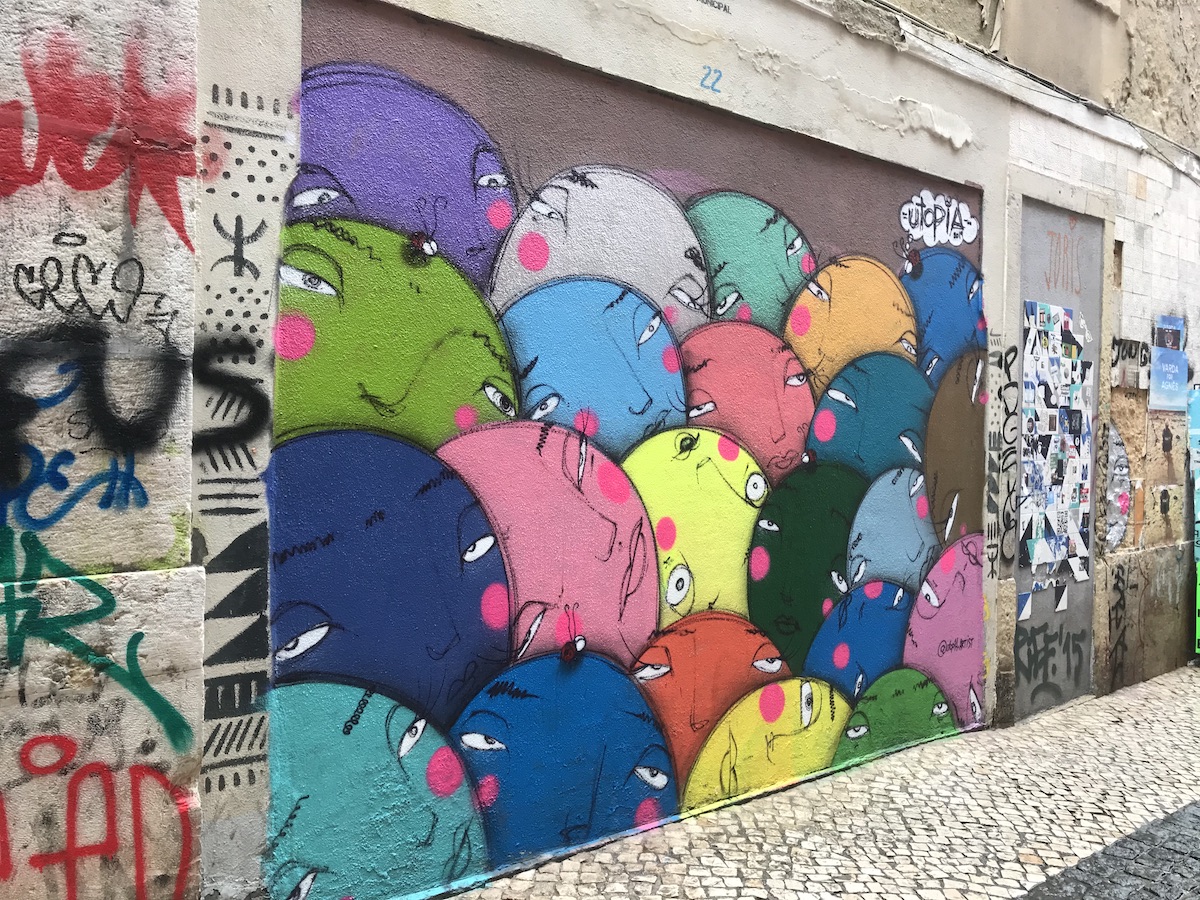
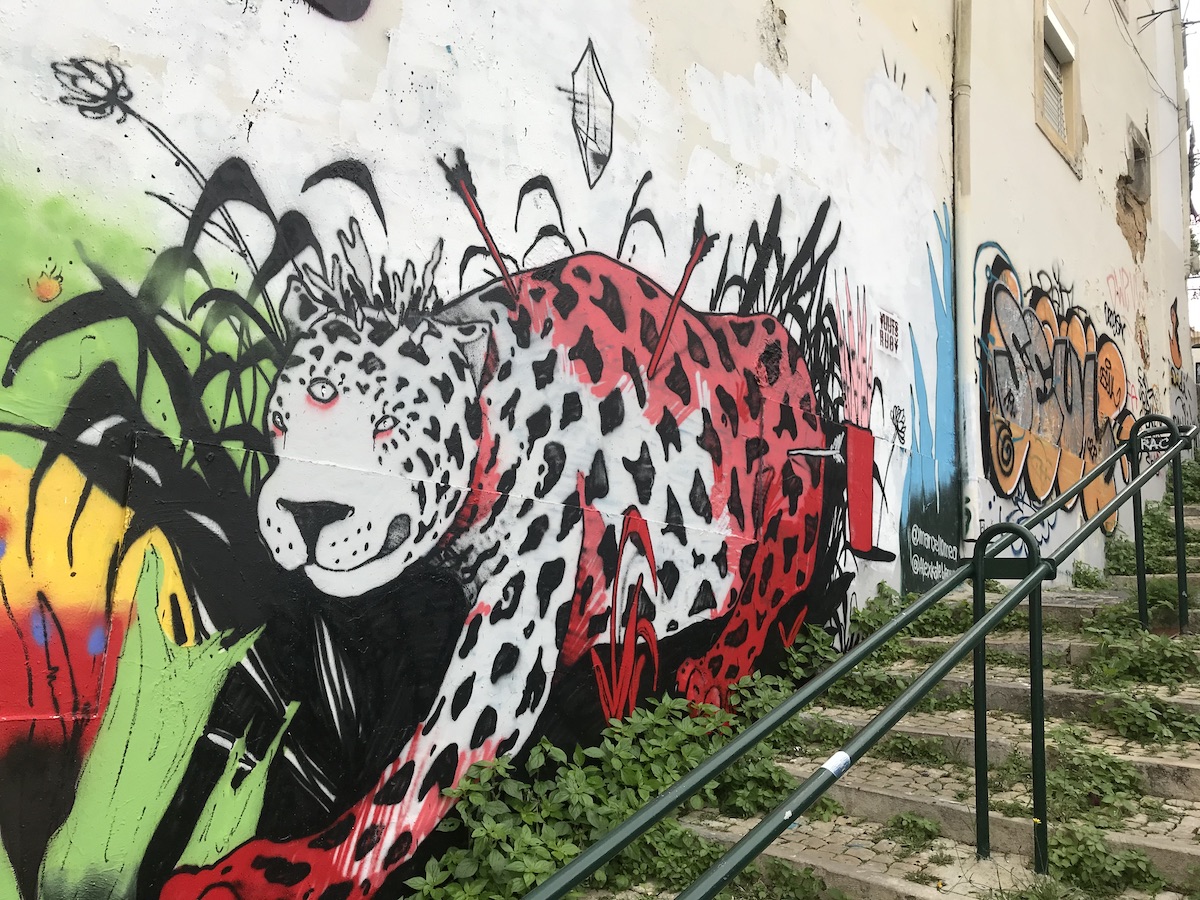
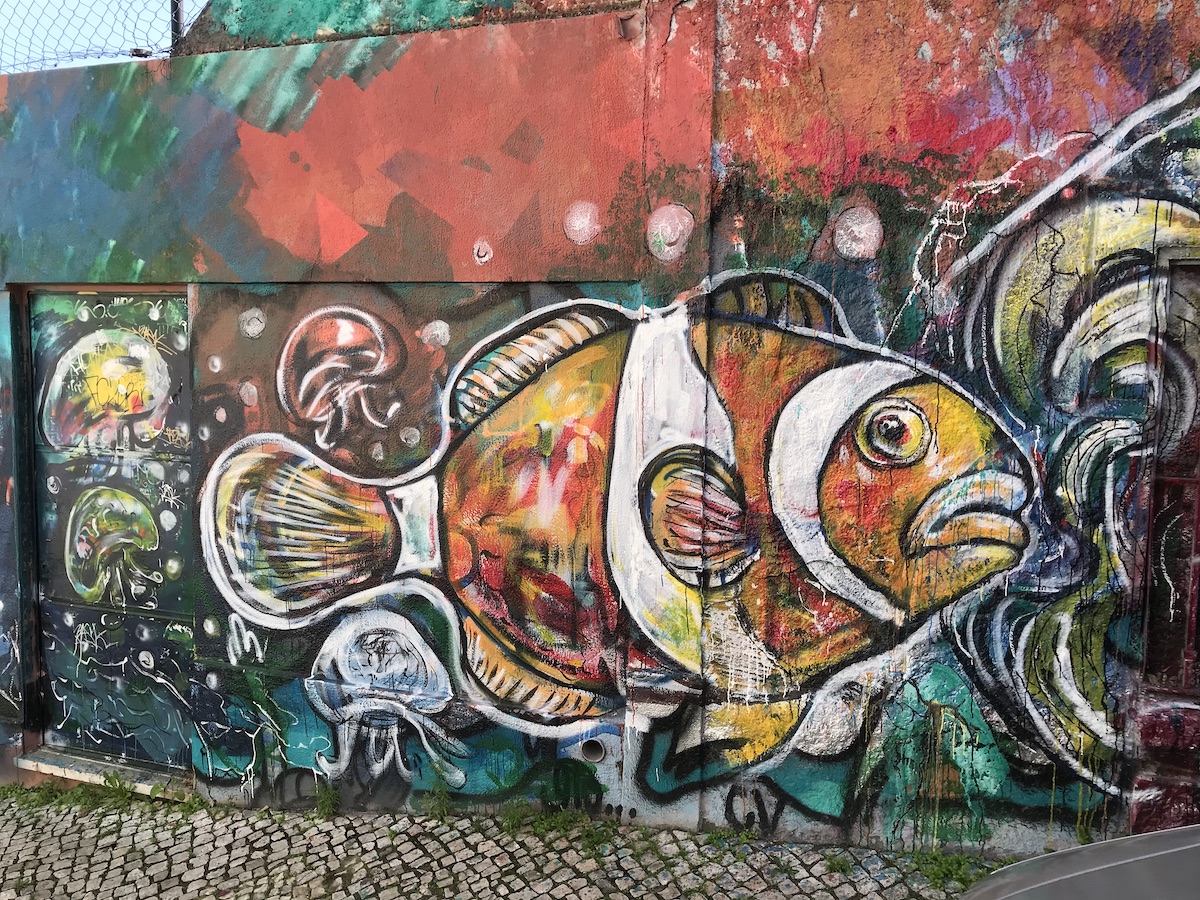
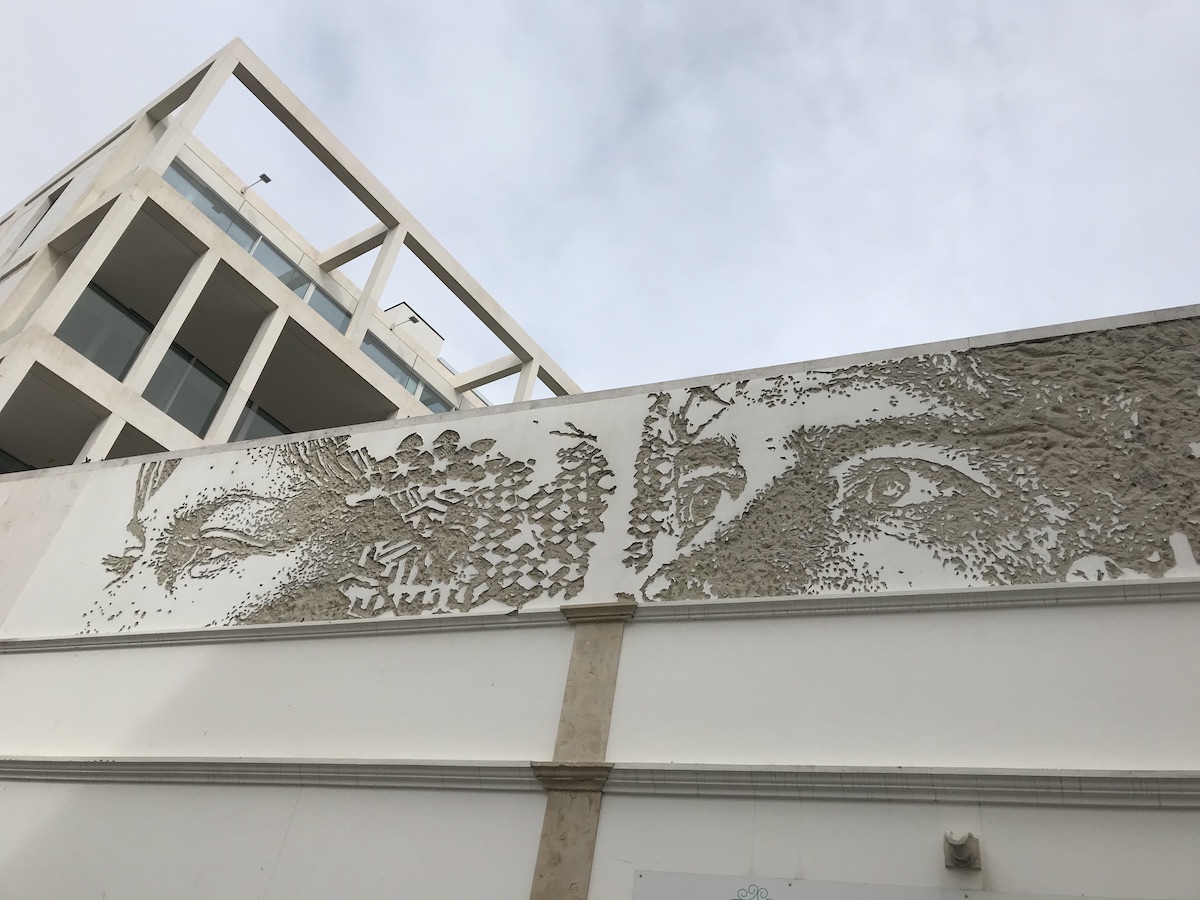
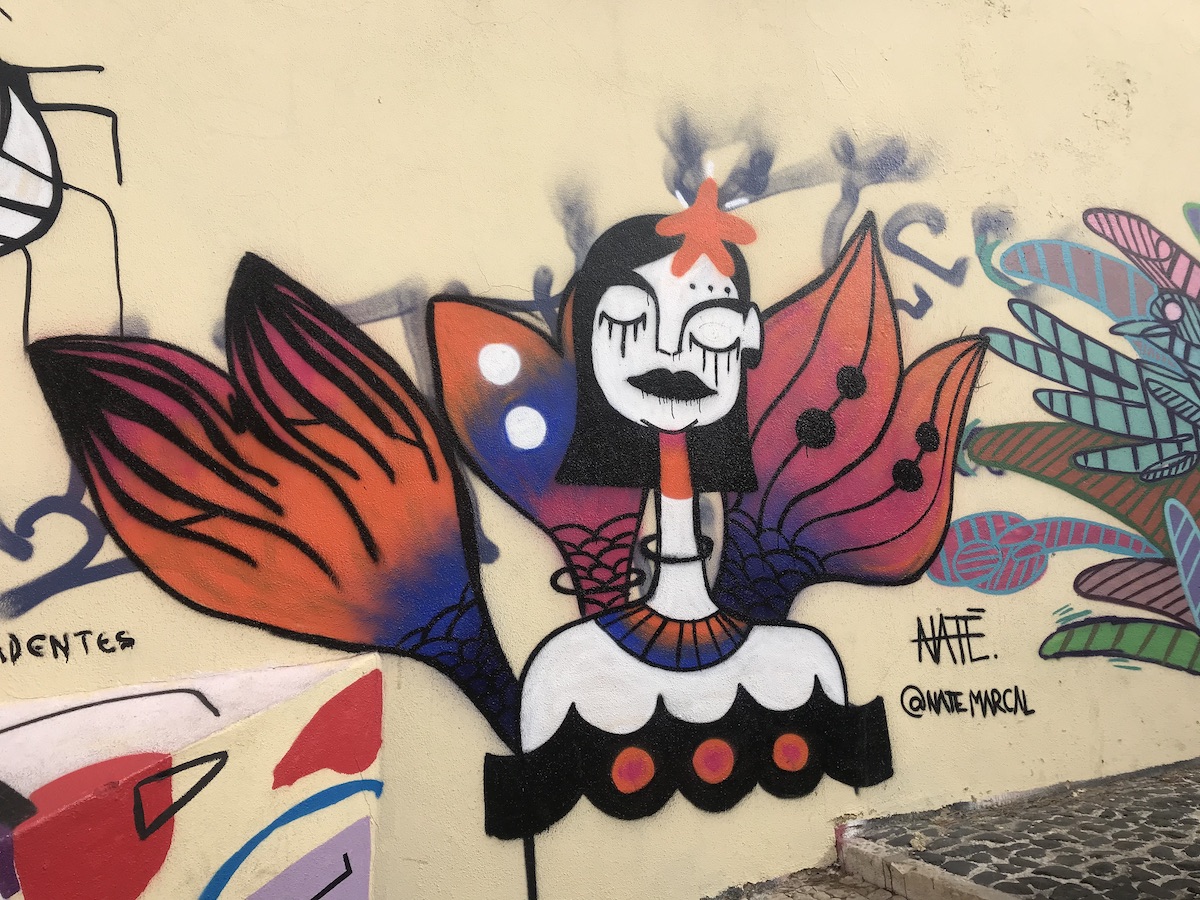
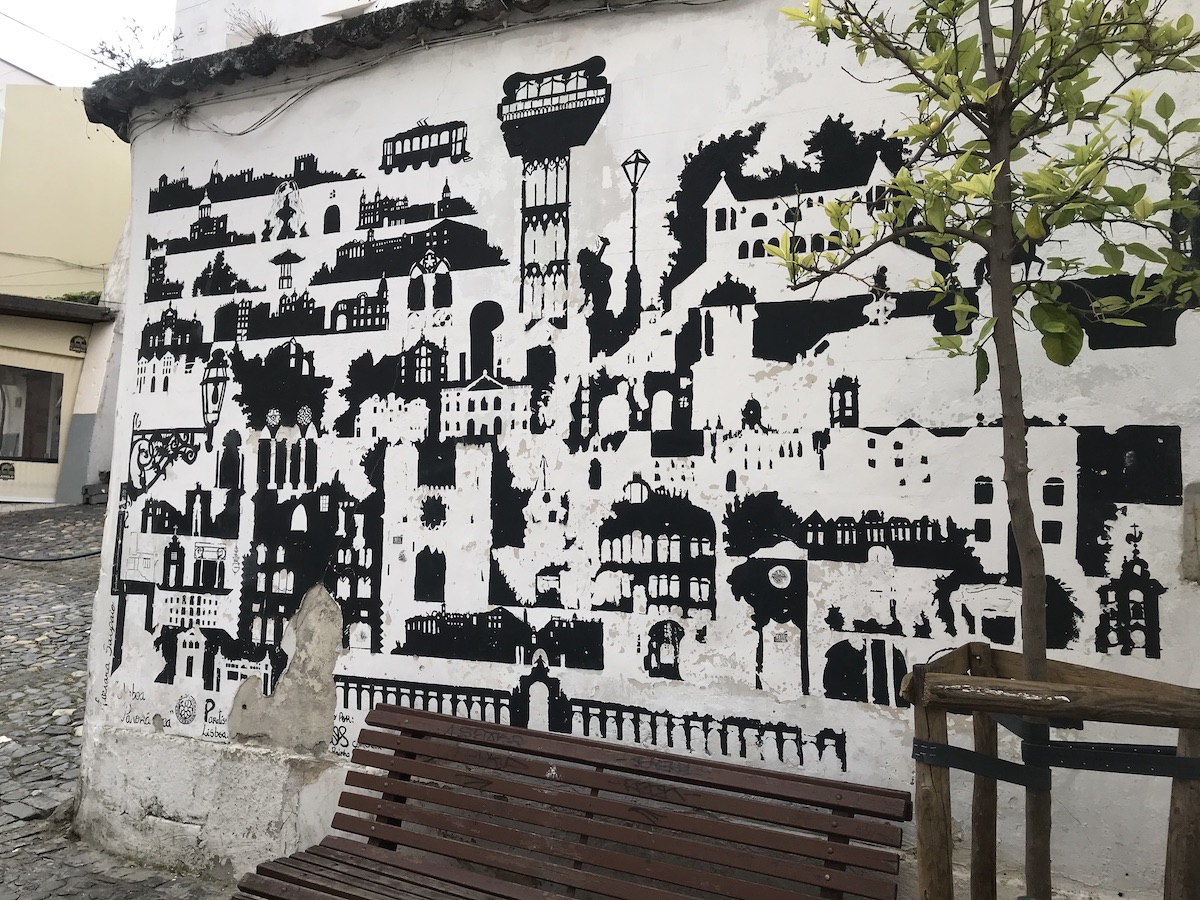
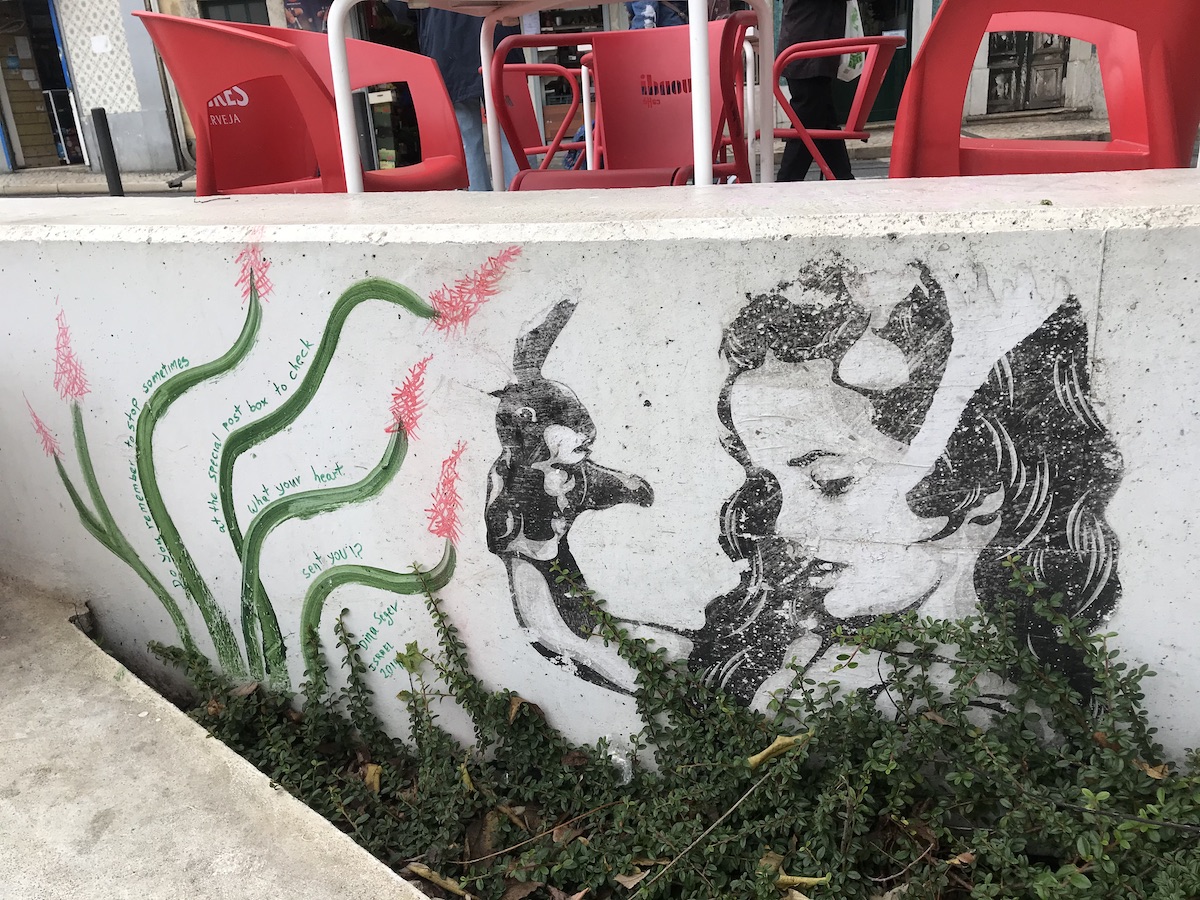
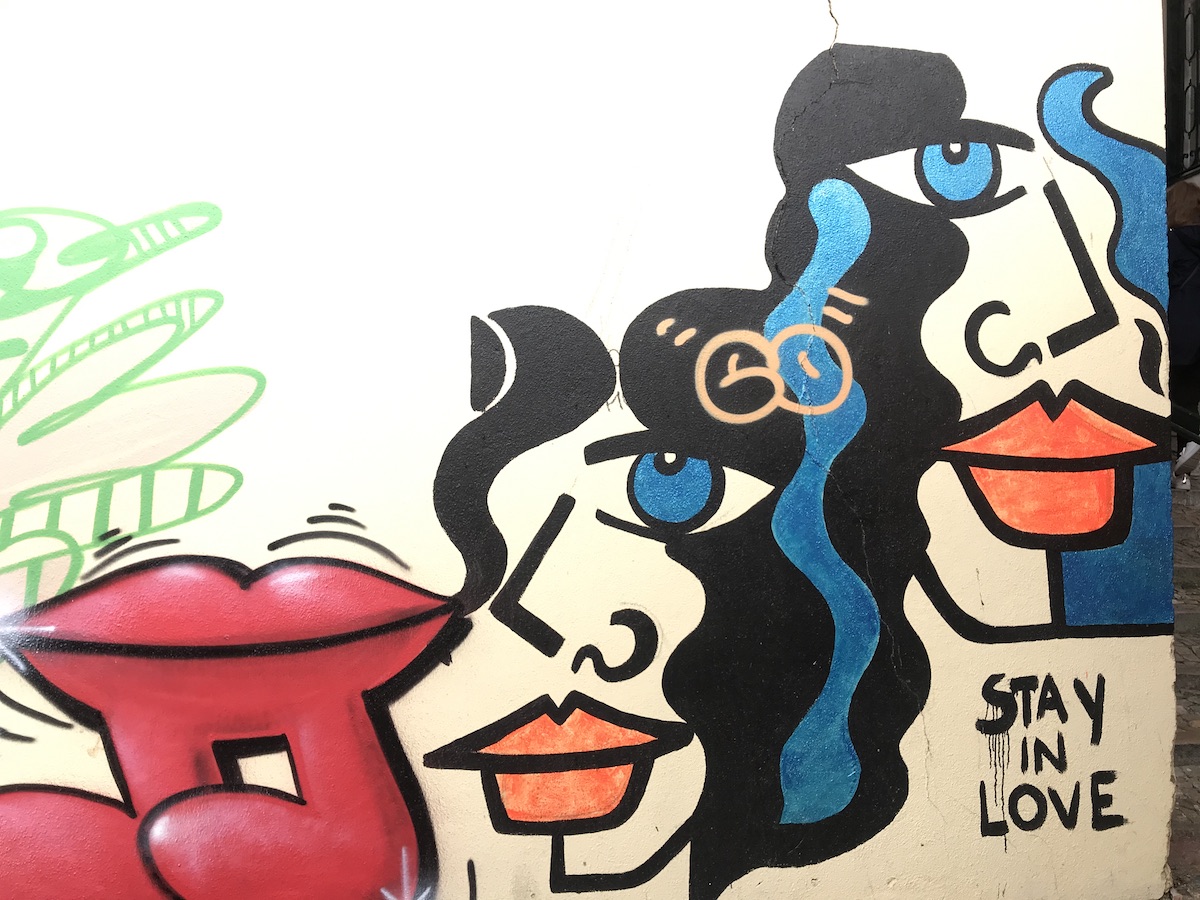
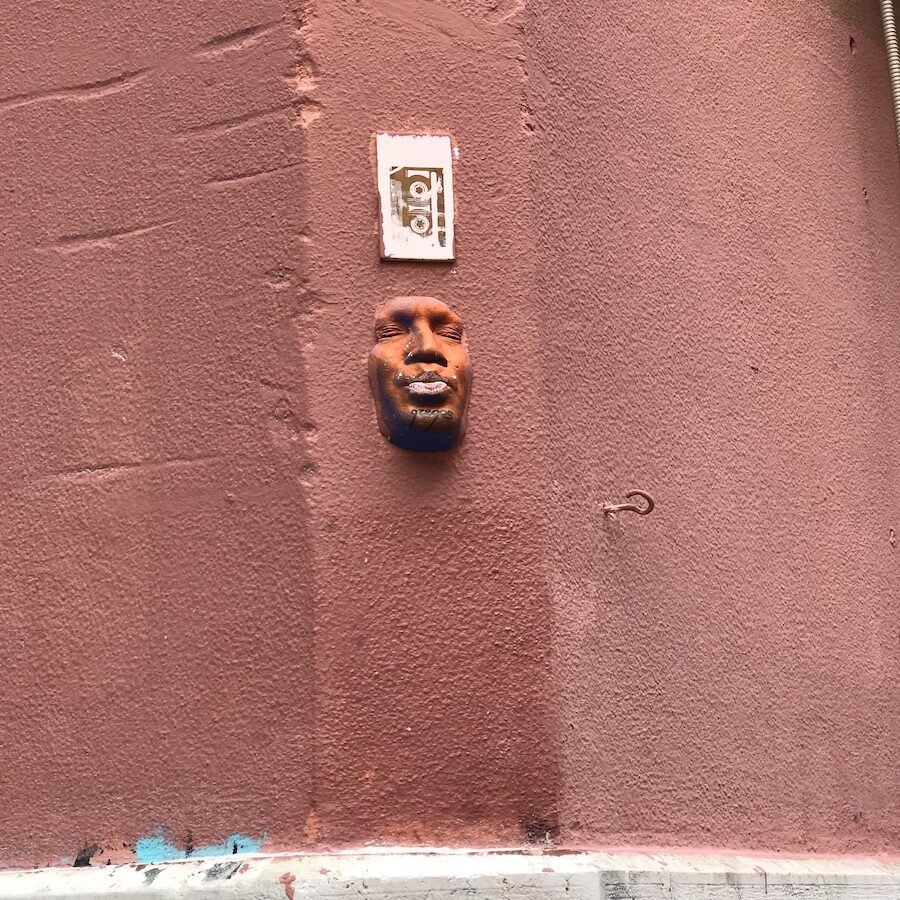
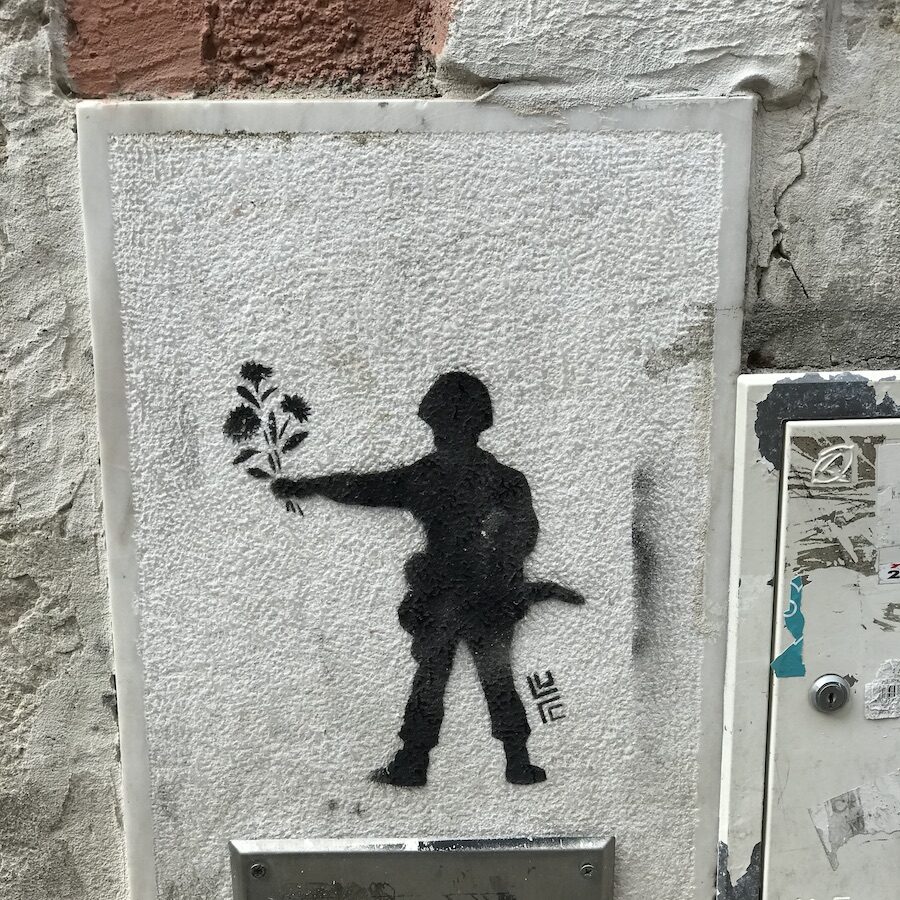
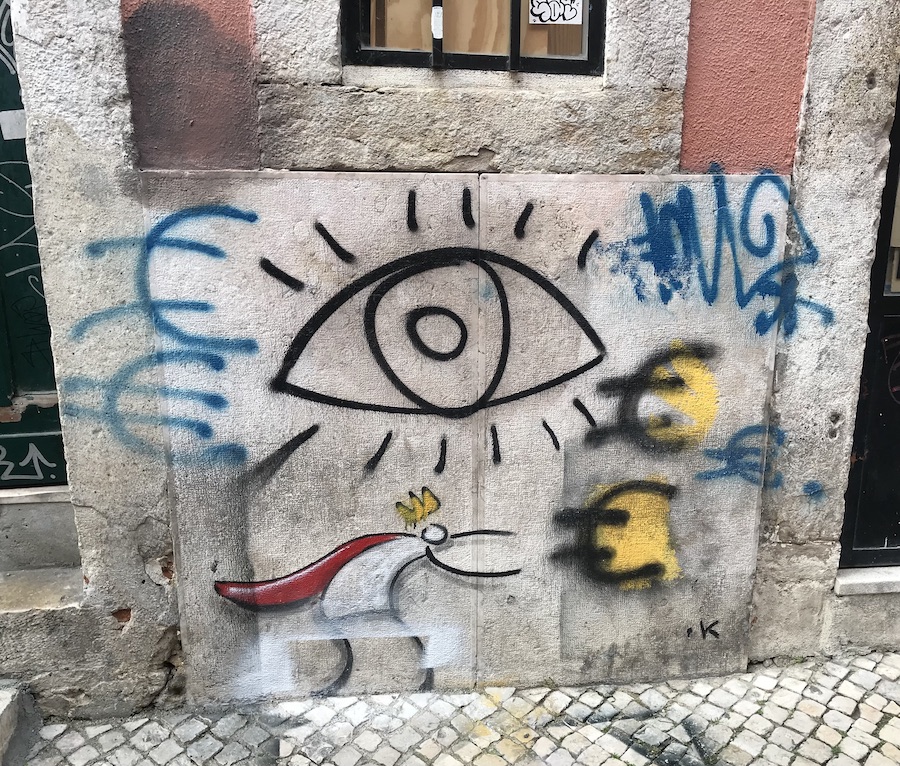
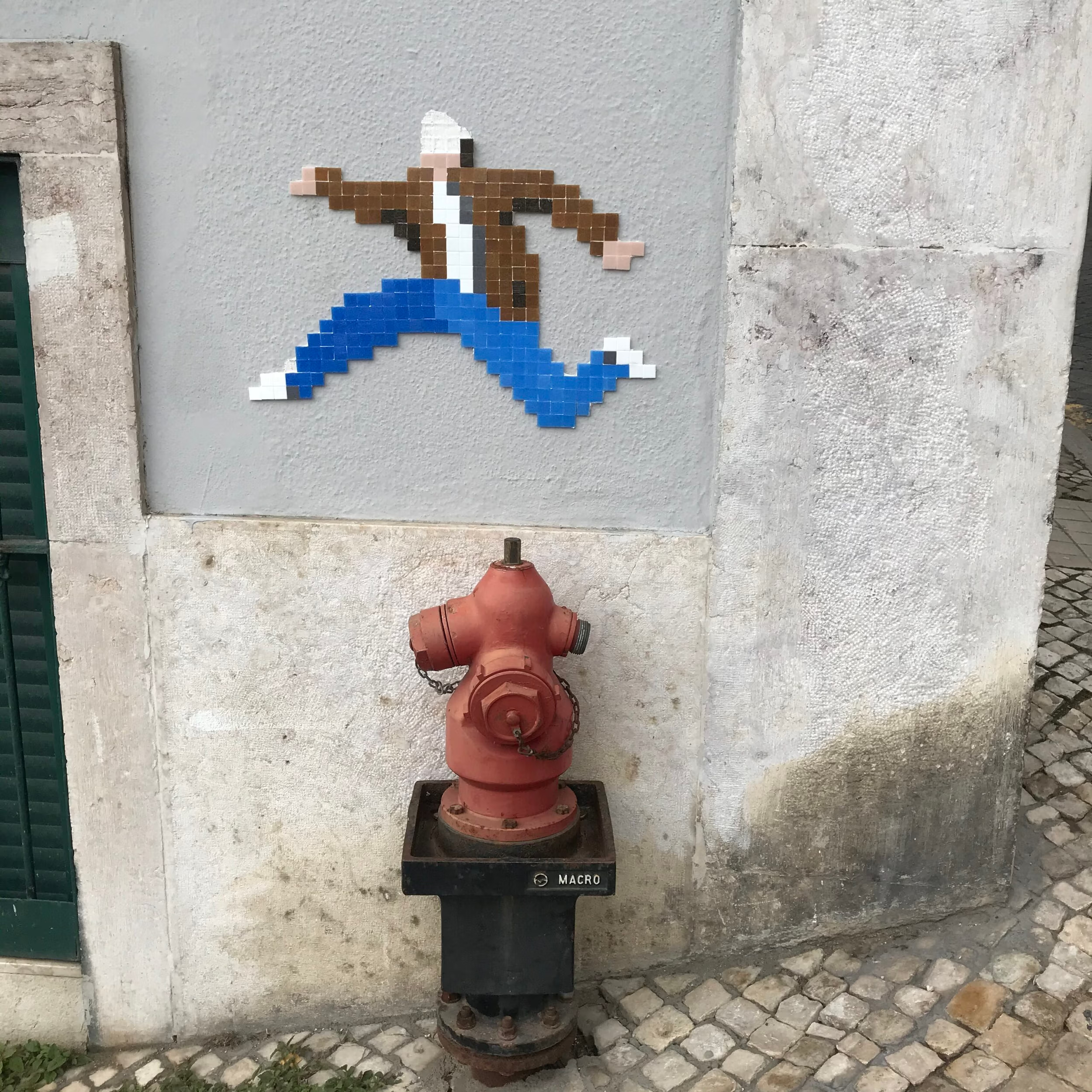
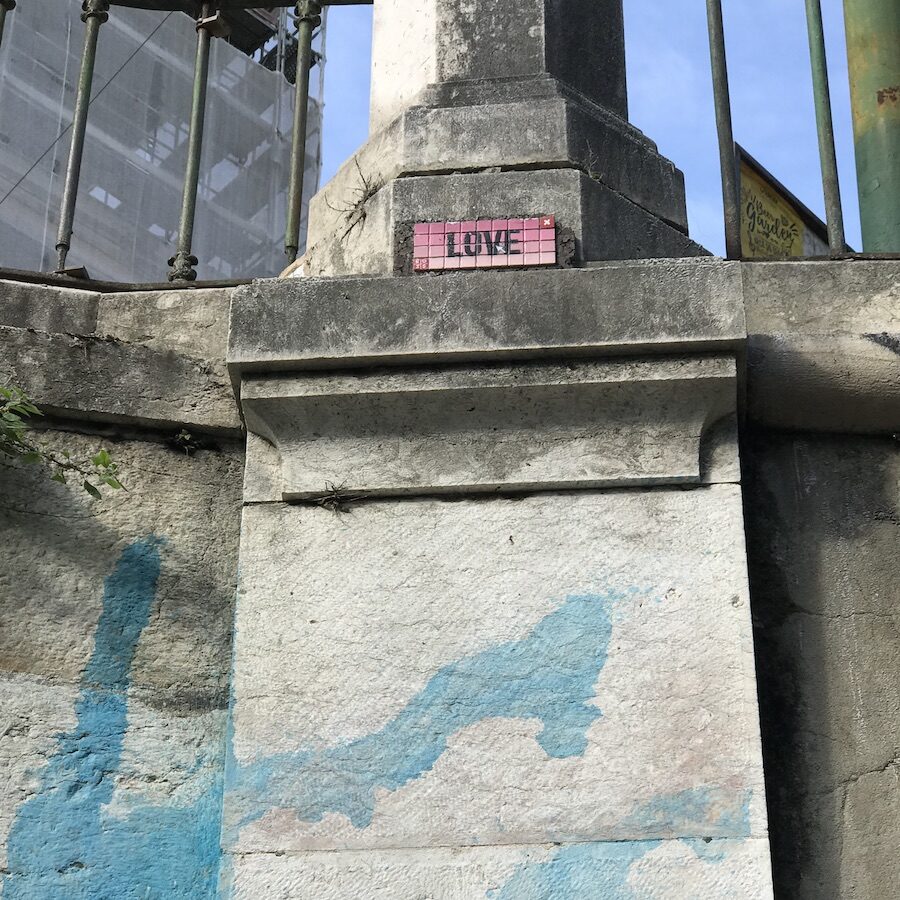
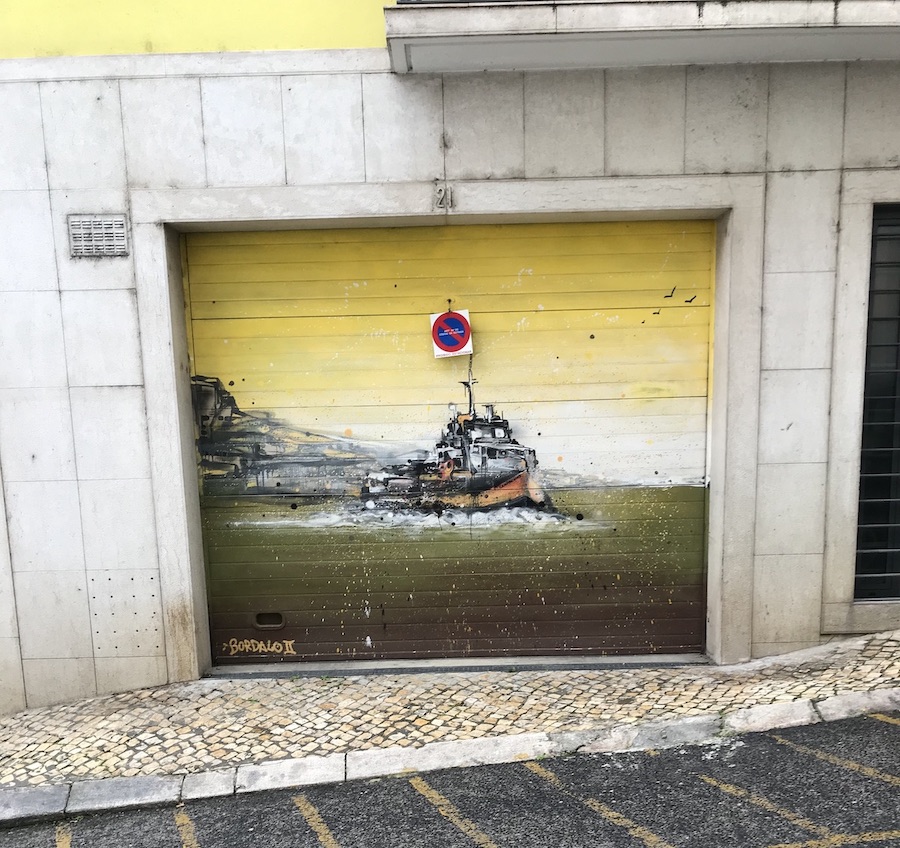
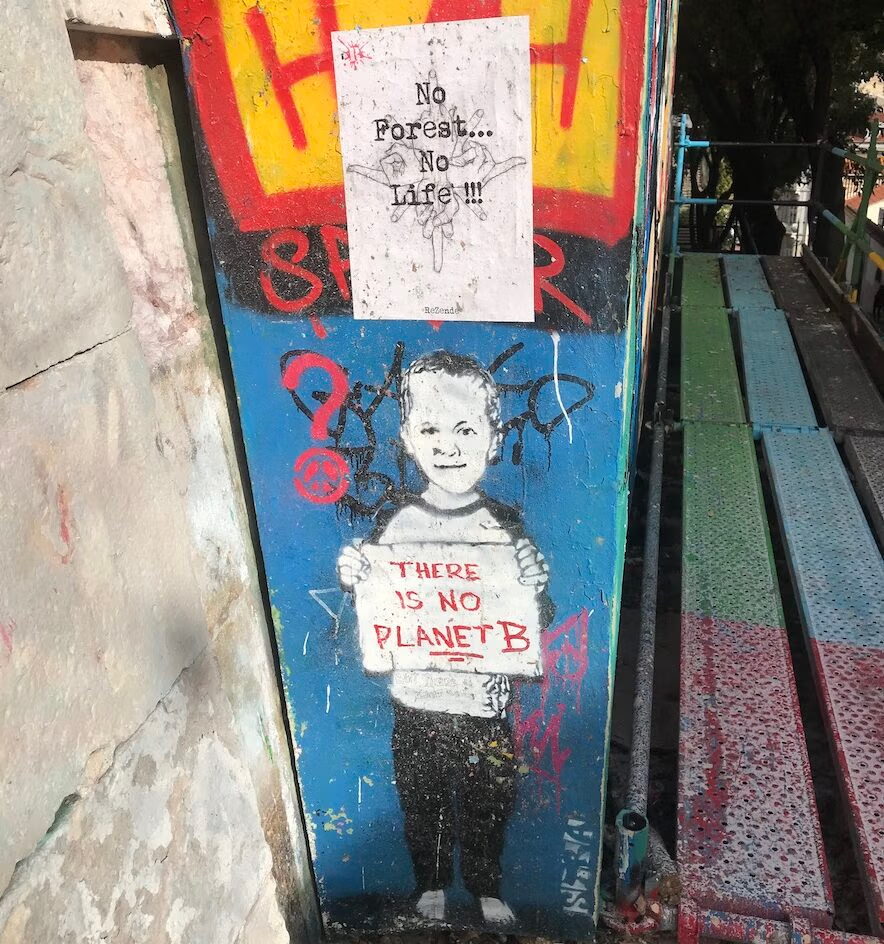
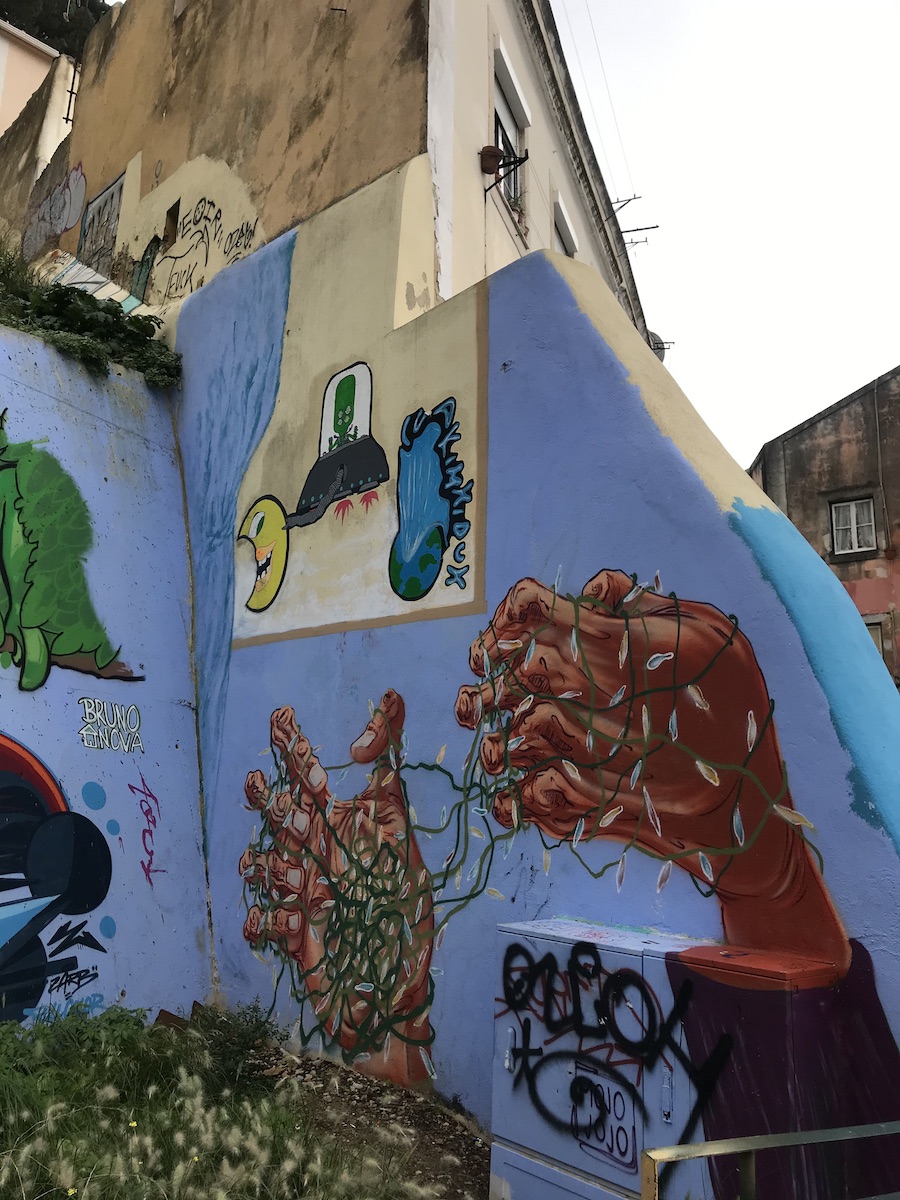
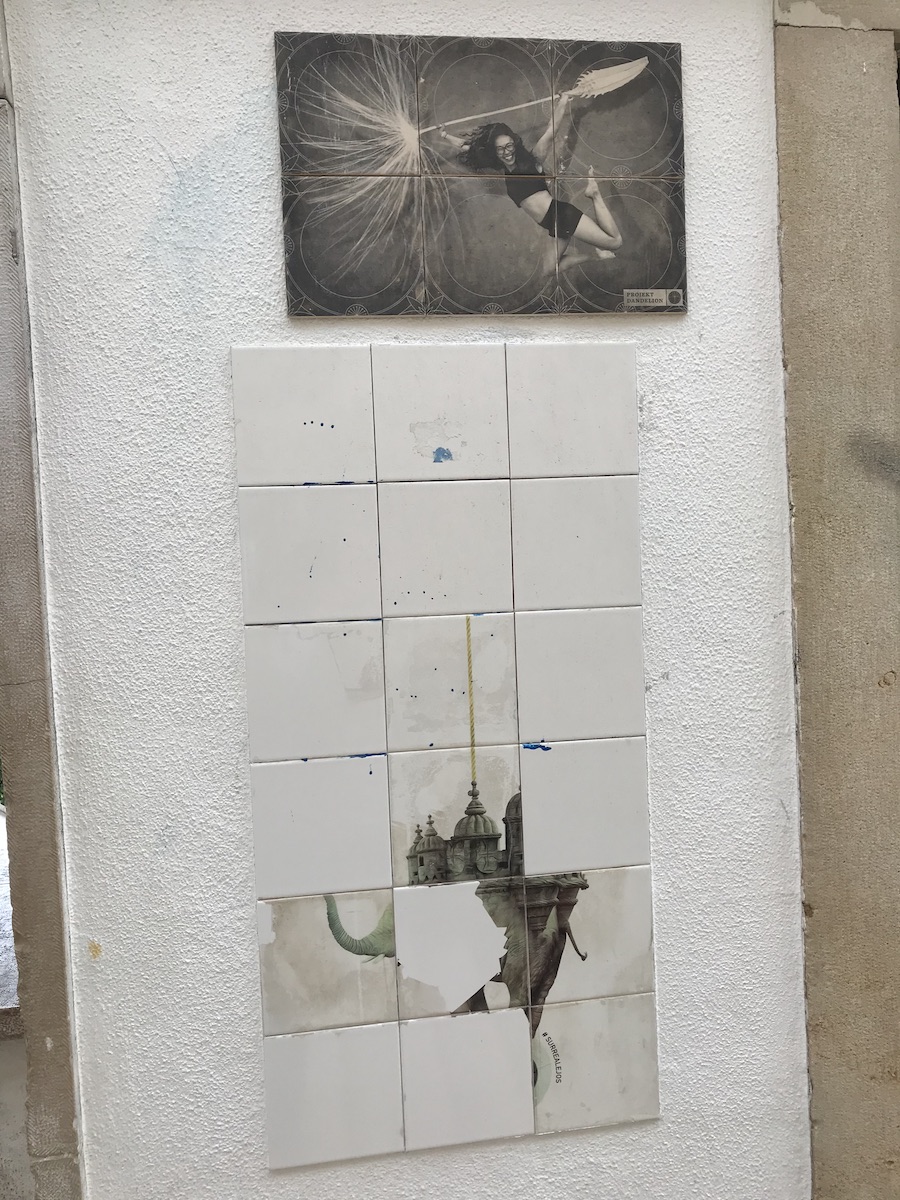
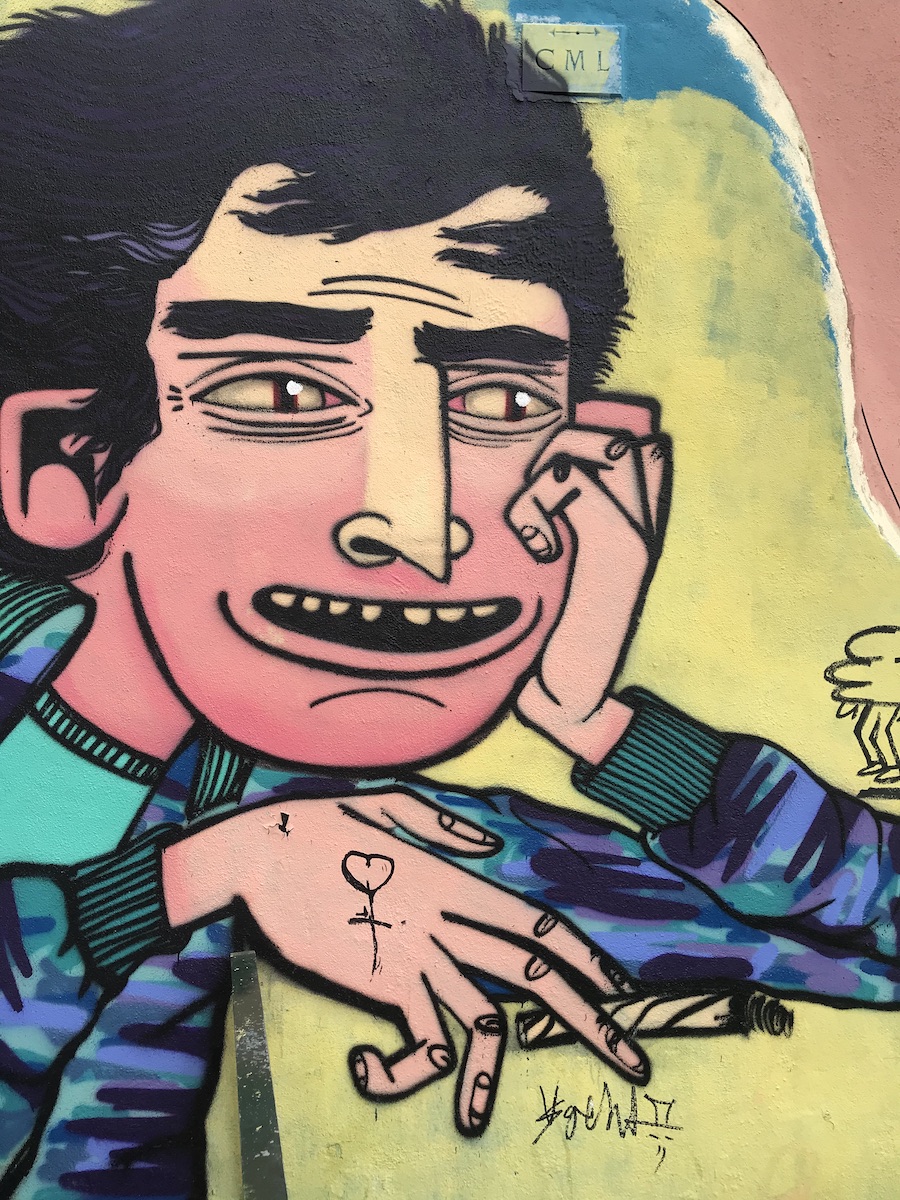
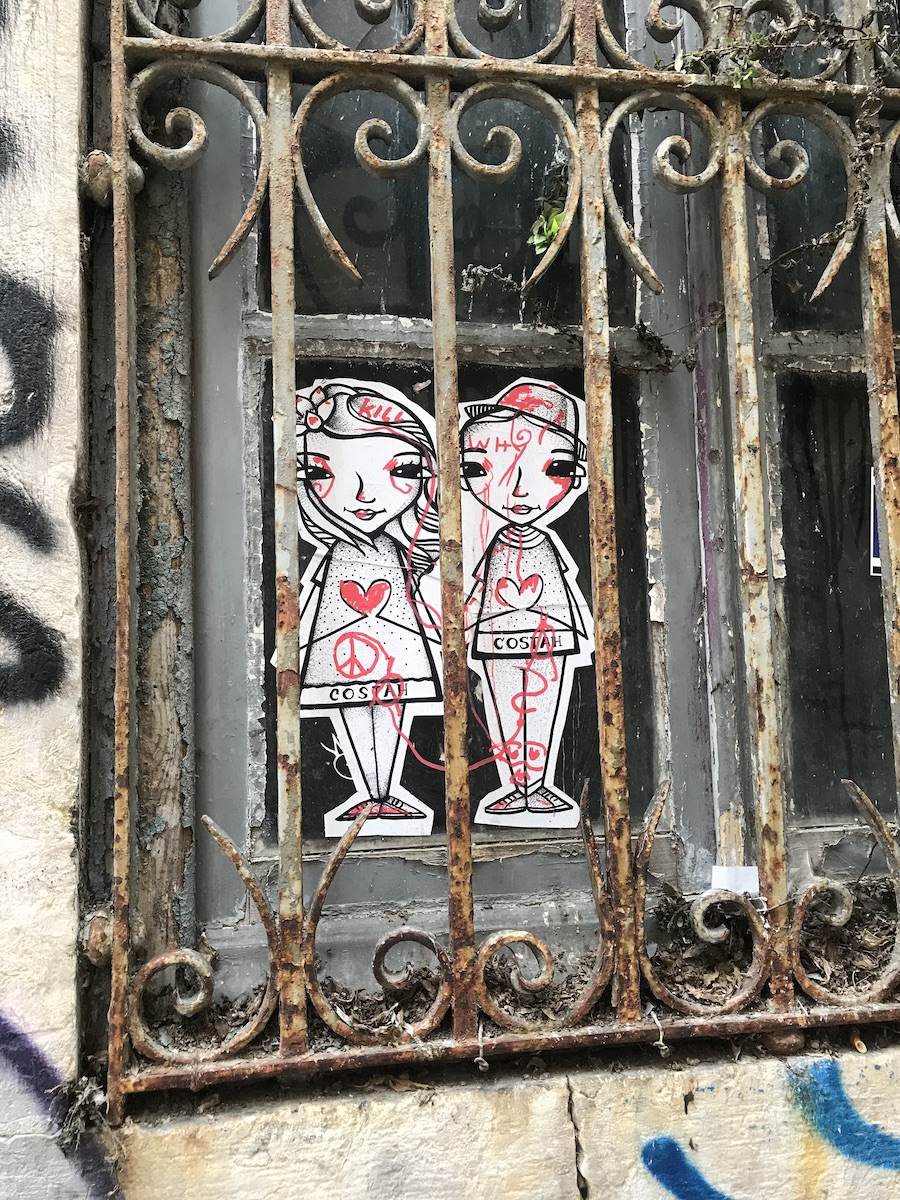
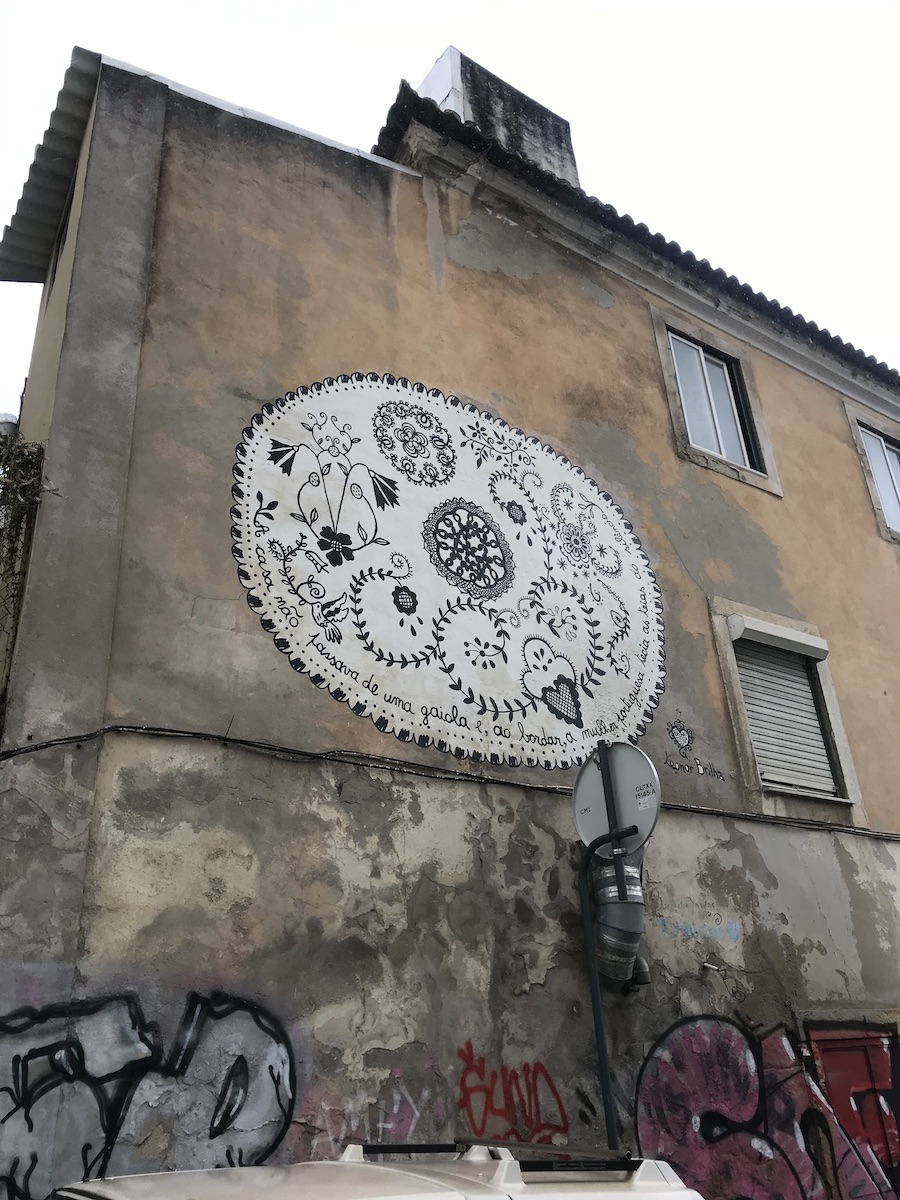
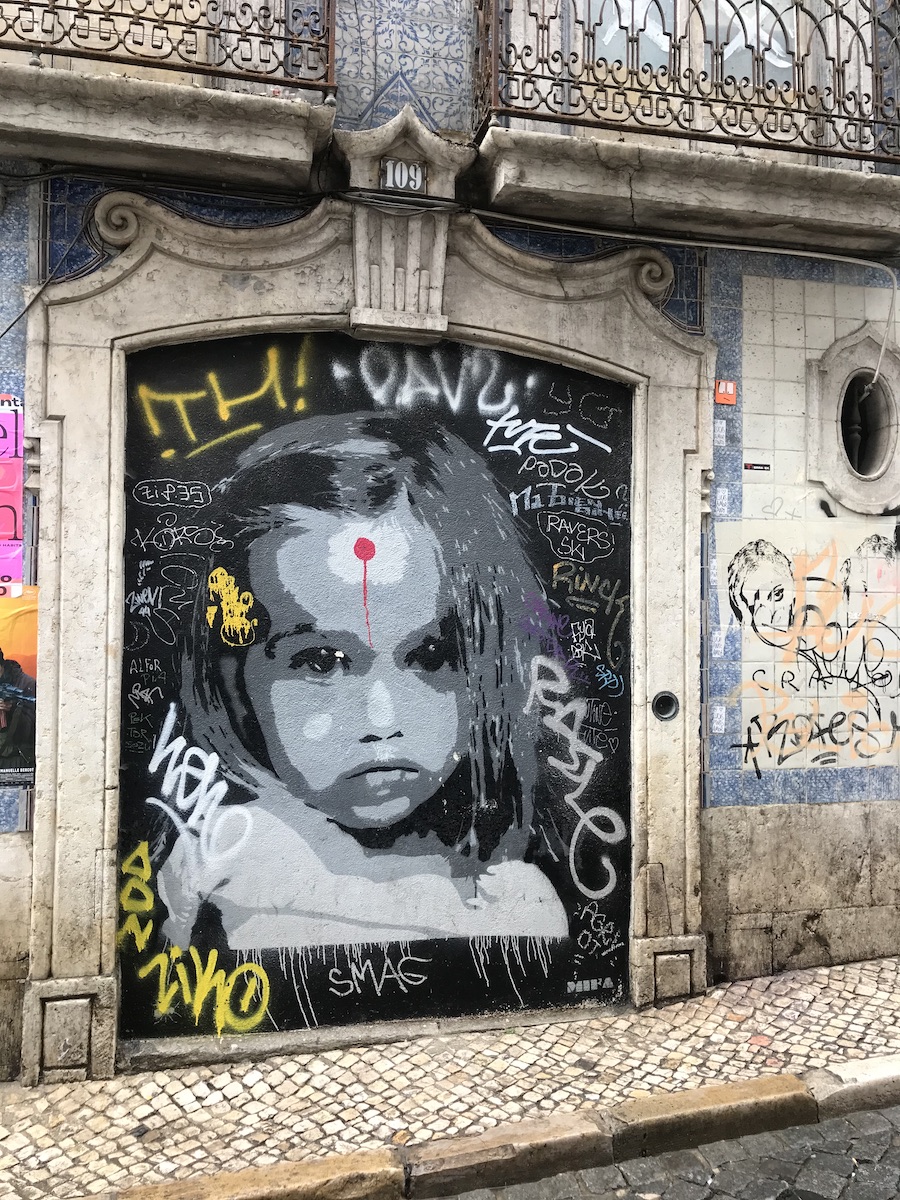
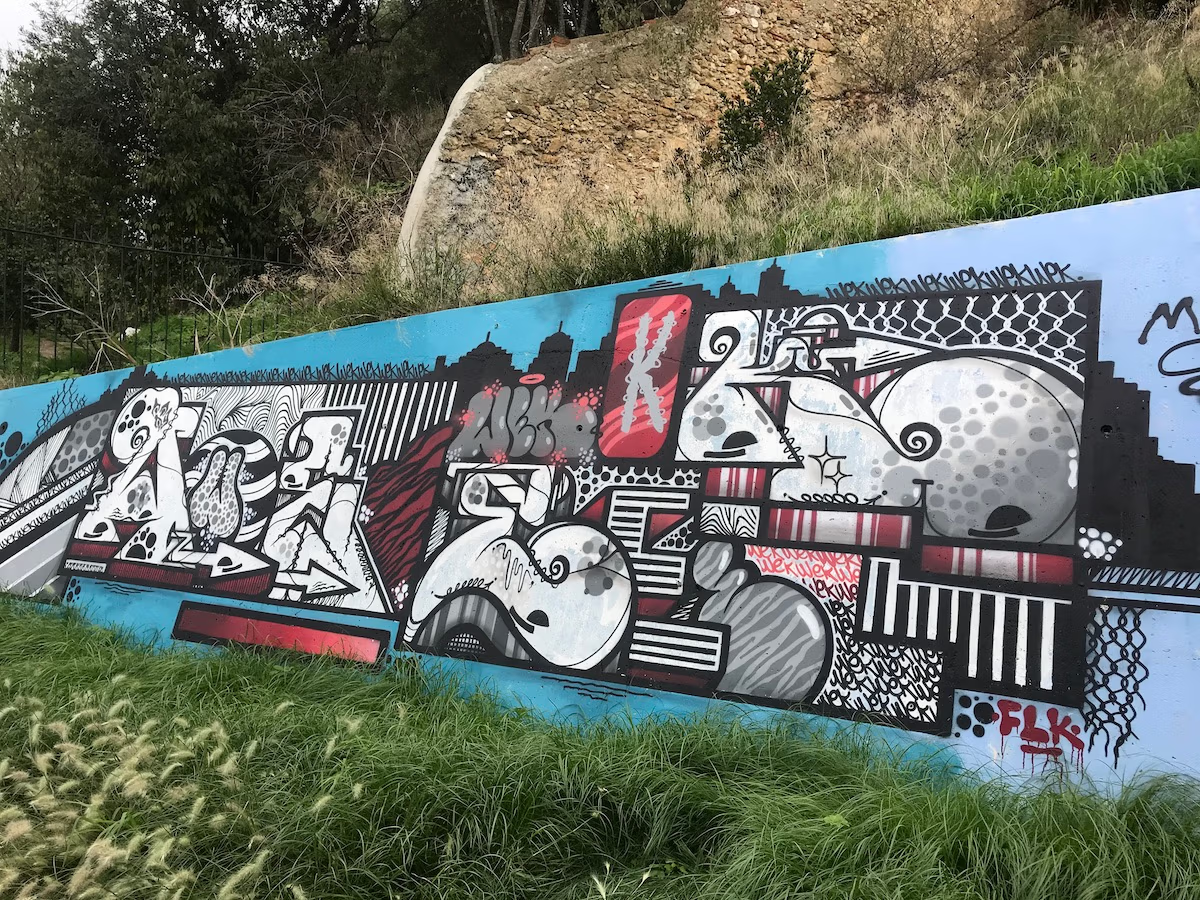
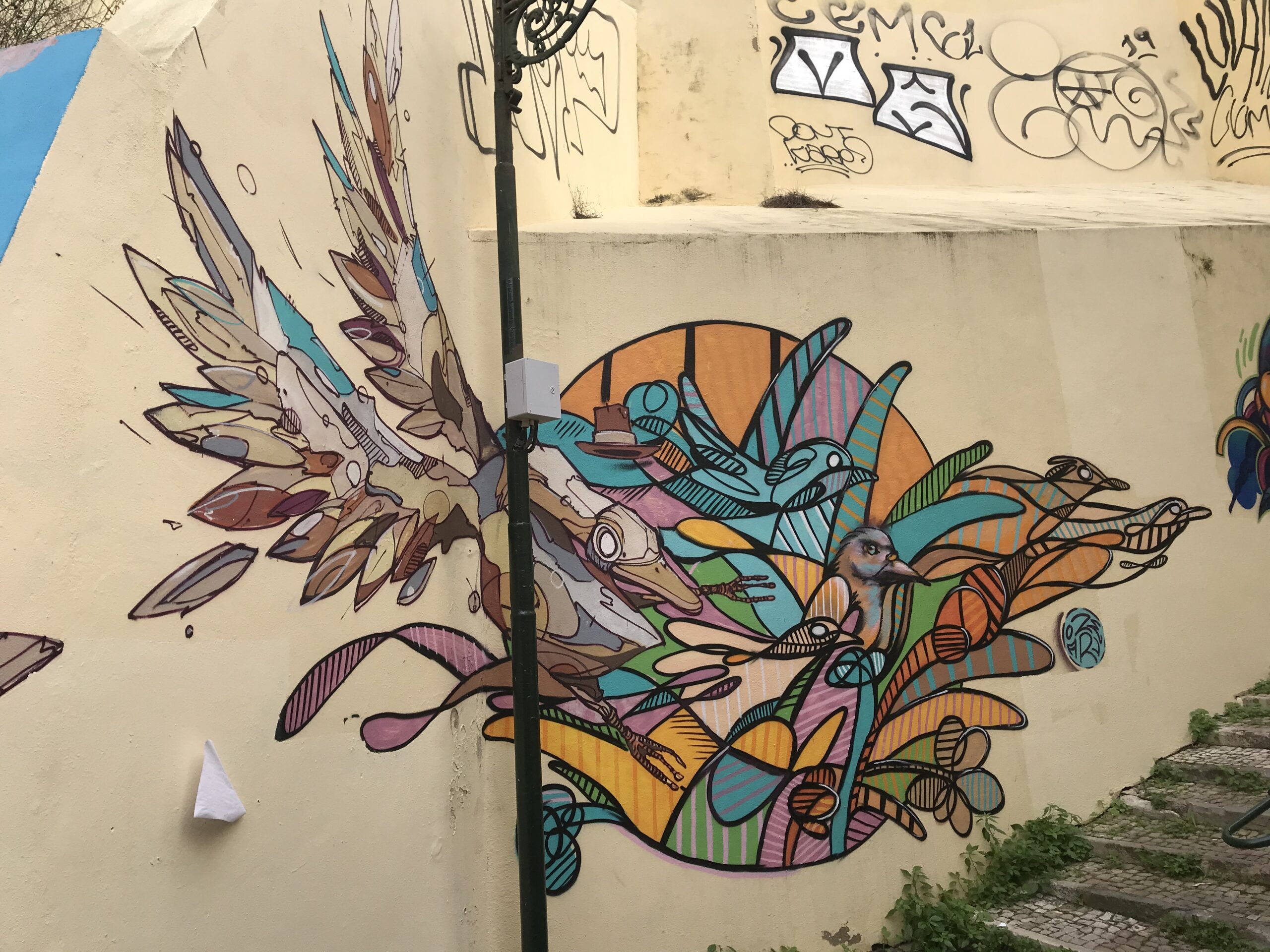
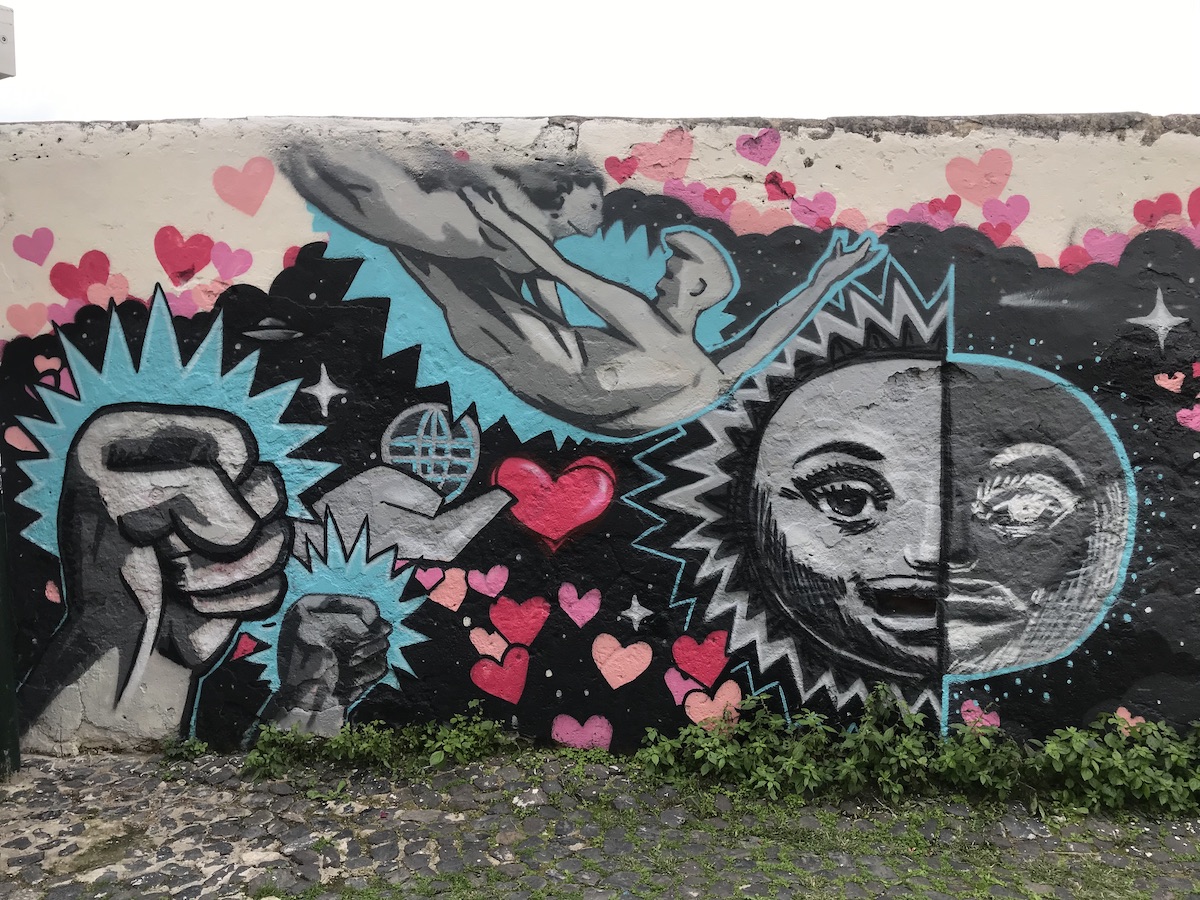
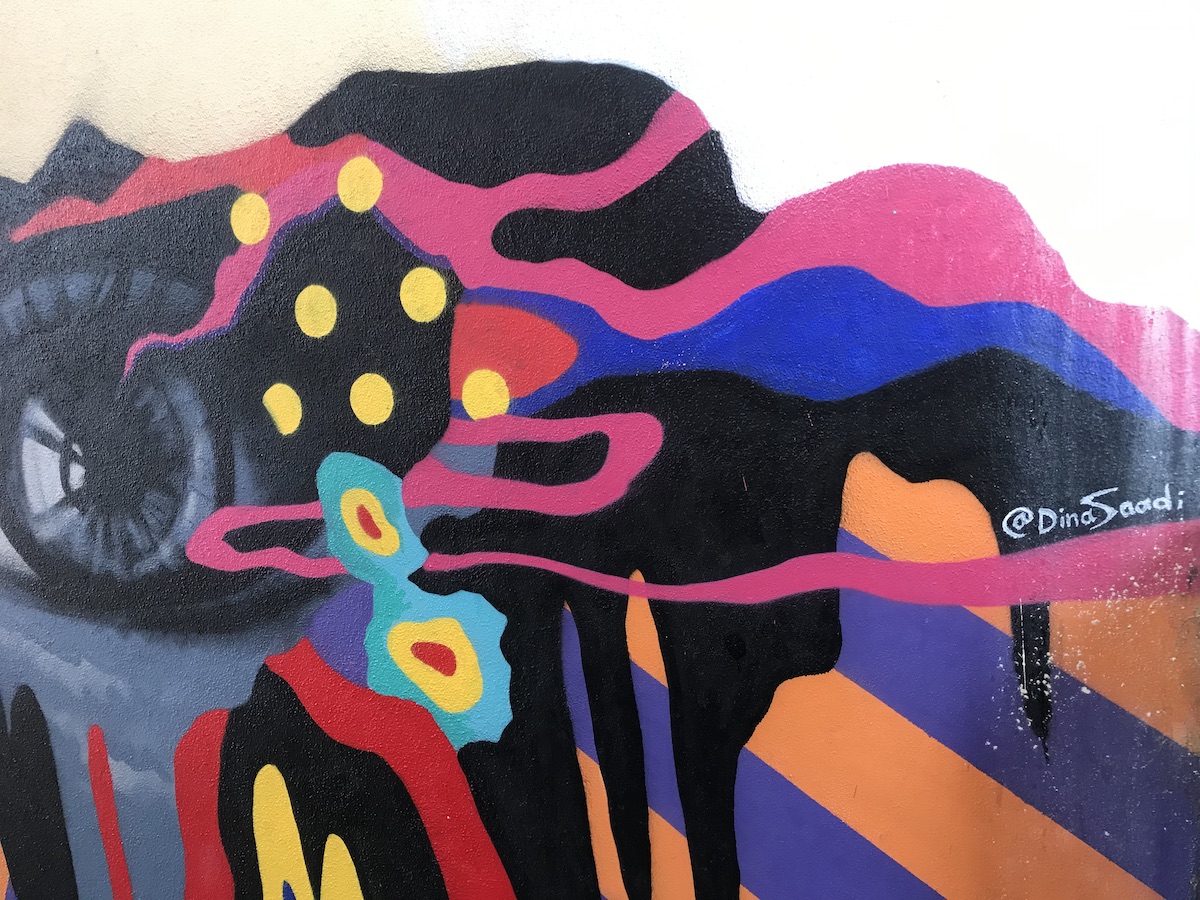
There is so much to see and do in Lisbon. It has history, culture, architecture, food, nightlife and…amazing street art. The scene here is so amazing that I had to do a walking grafitti tour!
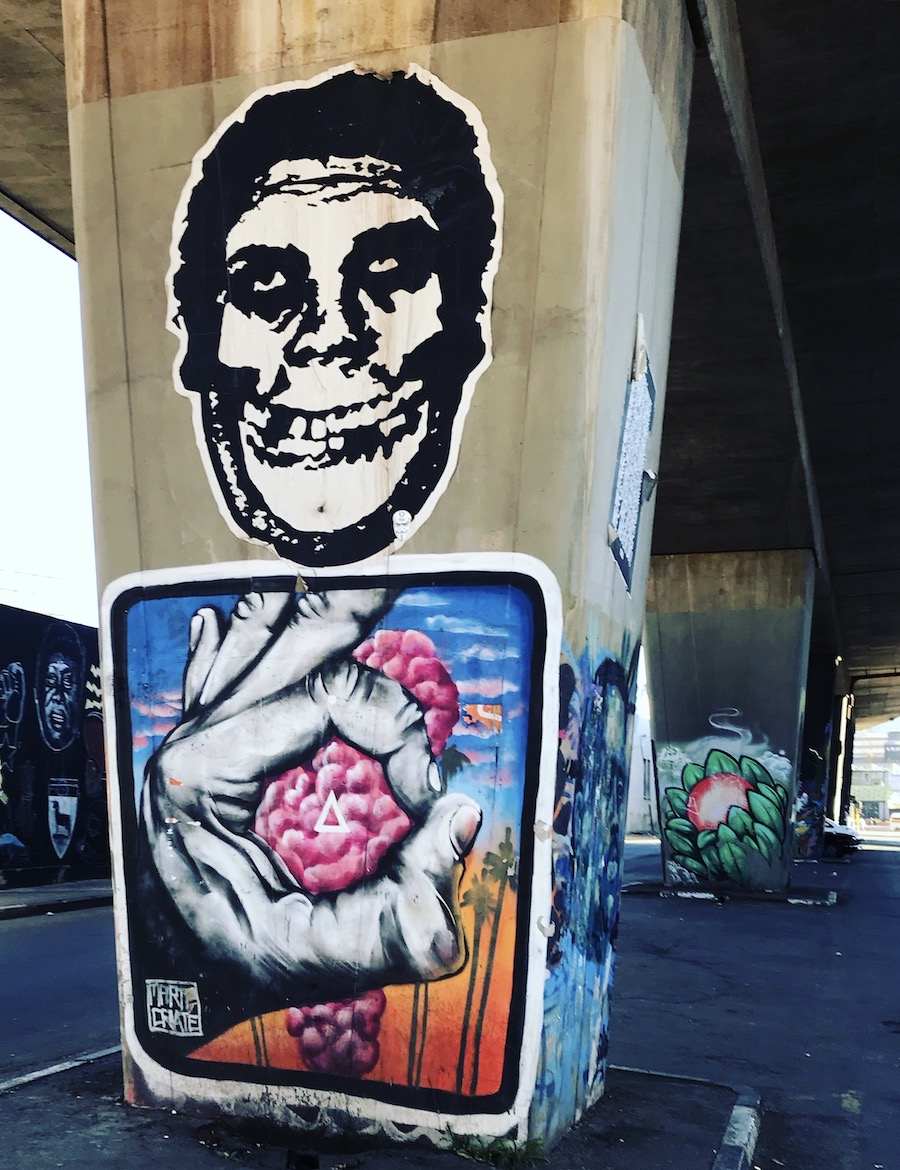
Obey
New York City
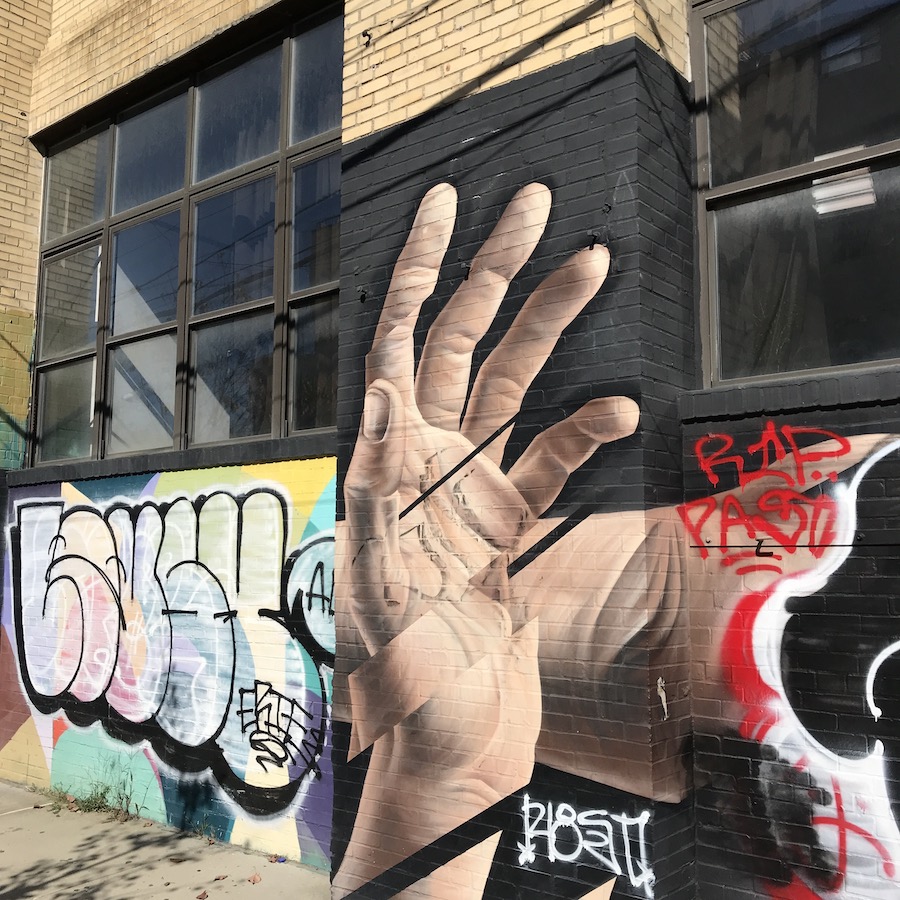
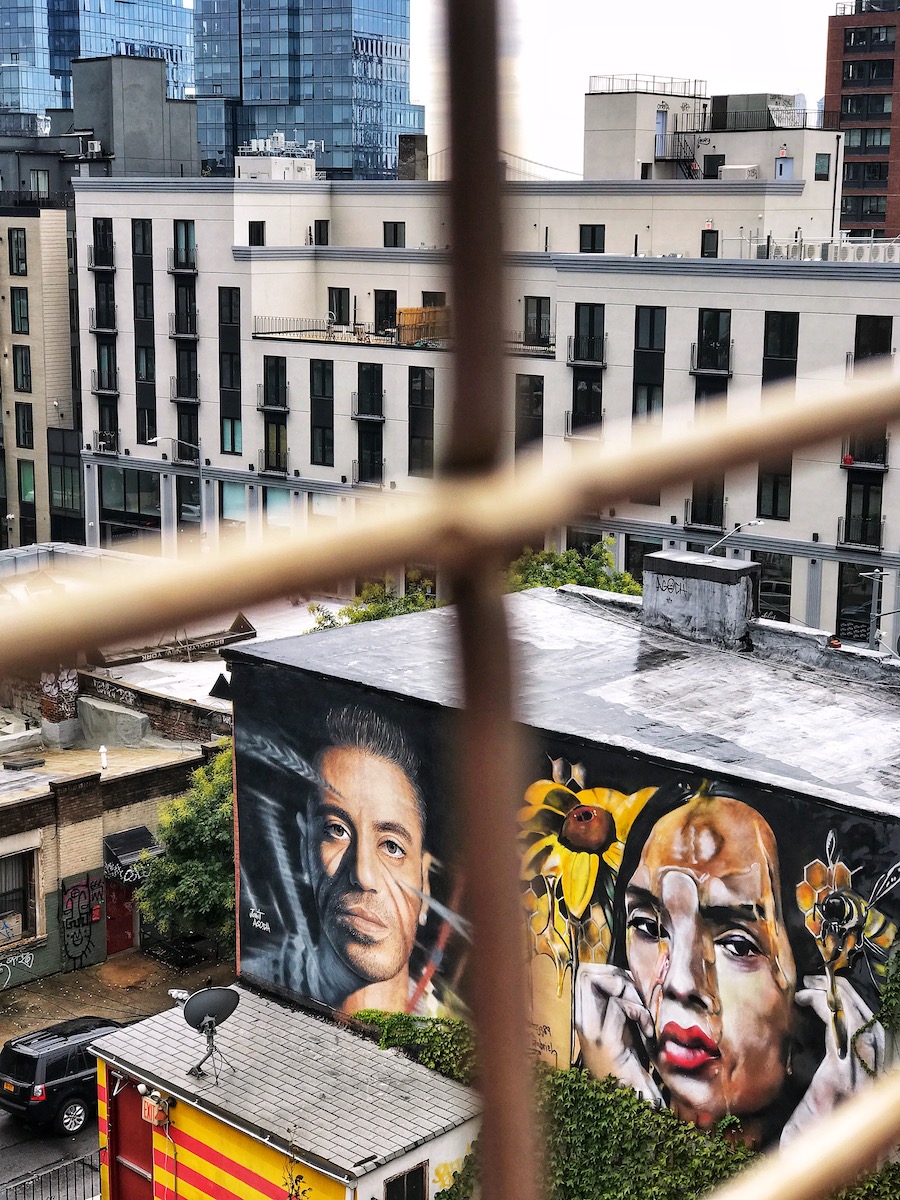
New York City is the historic birthplace of modern global graffiti culture, famous for legendary pioneers like Lee Quinones, Lady Pink, and iconic spots like the Graffiti Hall of Fame in East Harlem
A world wide creative capital, the graffiti is diverse of ideas and artistry and has a substantial local, national, and international influence. During the late 1960s and 1970s, Graffiti in New York City emerged primarily throughout the city of New York’s subway system and as well as throughout working-class neighborhoods.[1] New York City being widely regarded as the birthplace of modern graffiti culture, graffiti in New York City developed into a more defined, visual practice, aided by the widespread use of aerosol spray paint, which allowed for faster and more visible marking of urban surfaces.Check out Artspers’ guide to the 10 best NYC graffiti artists
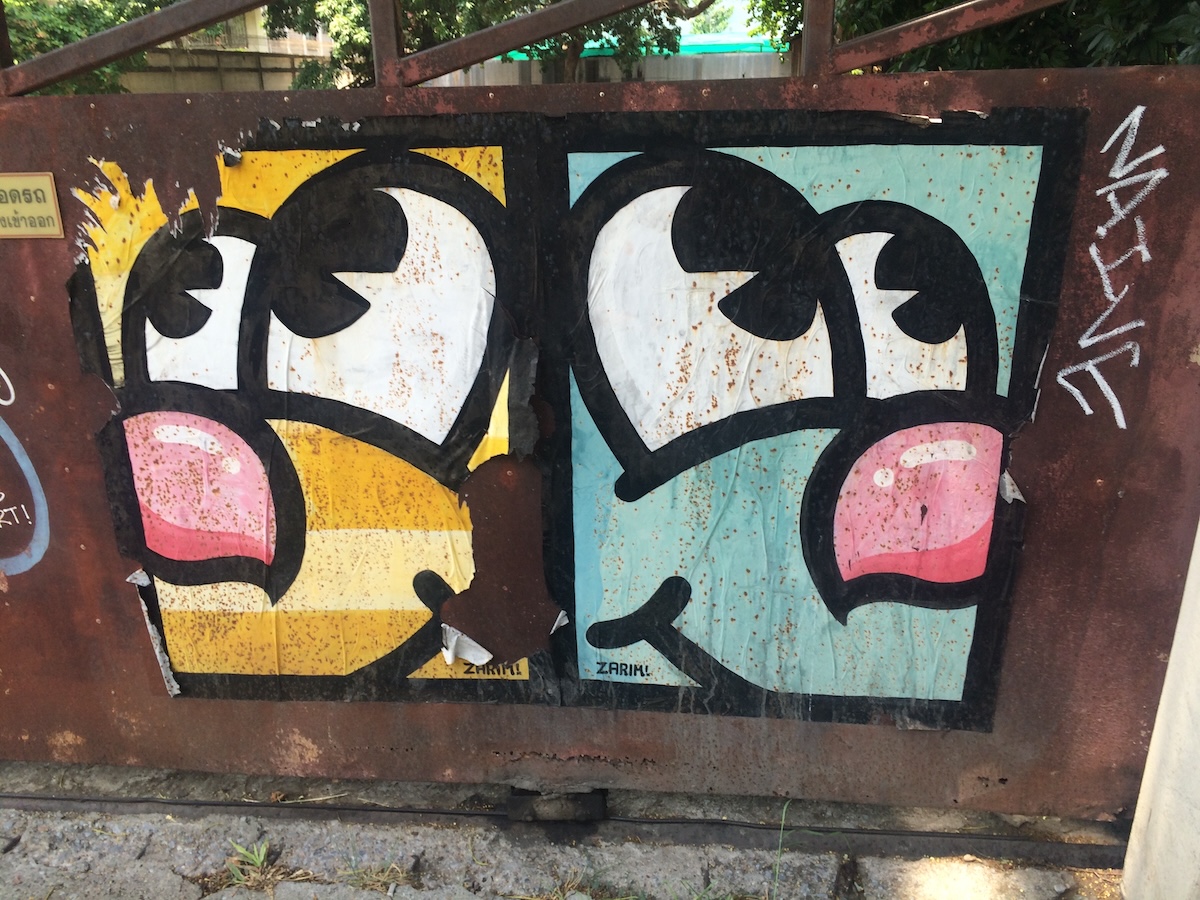
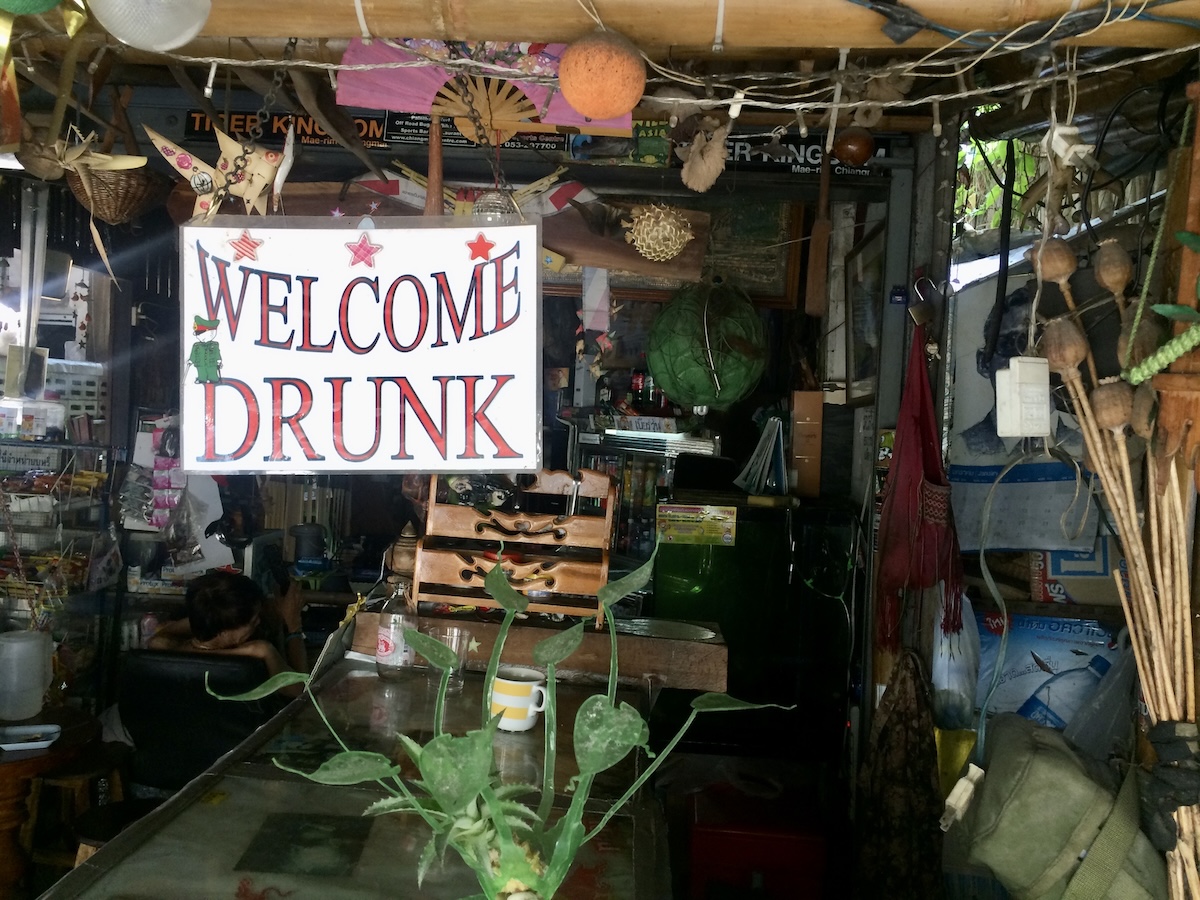
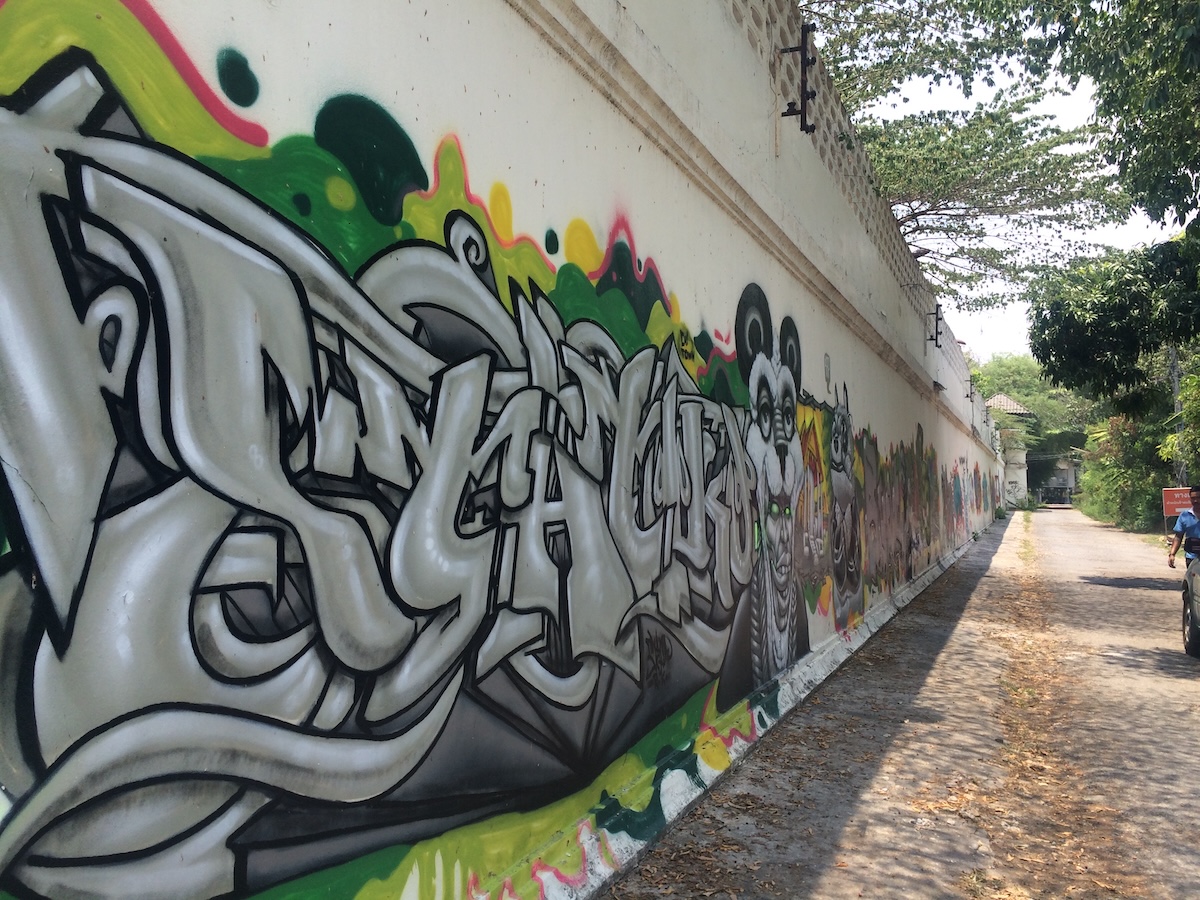
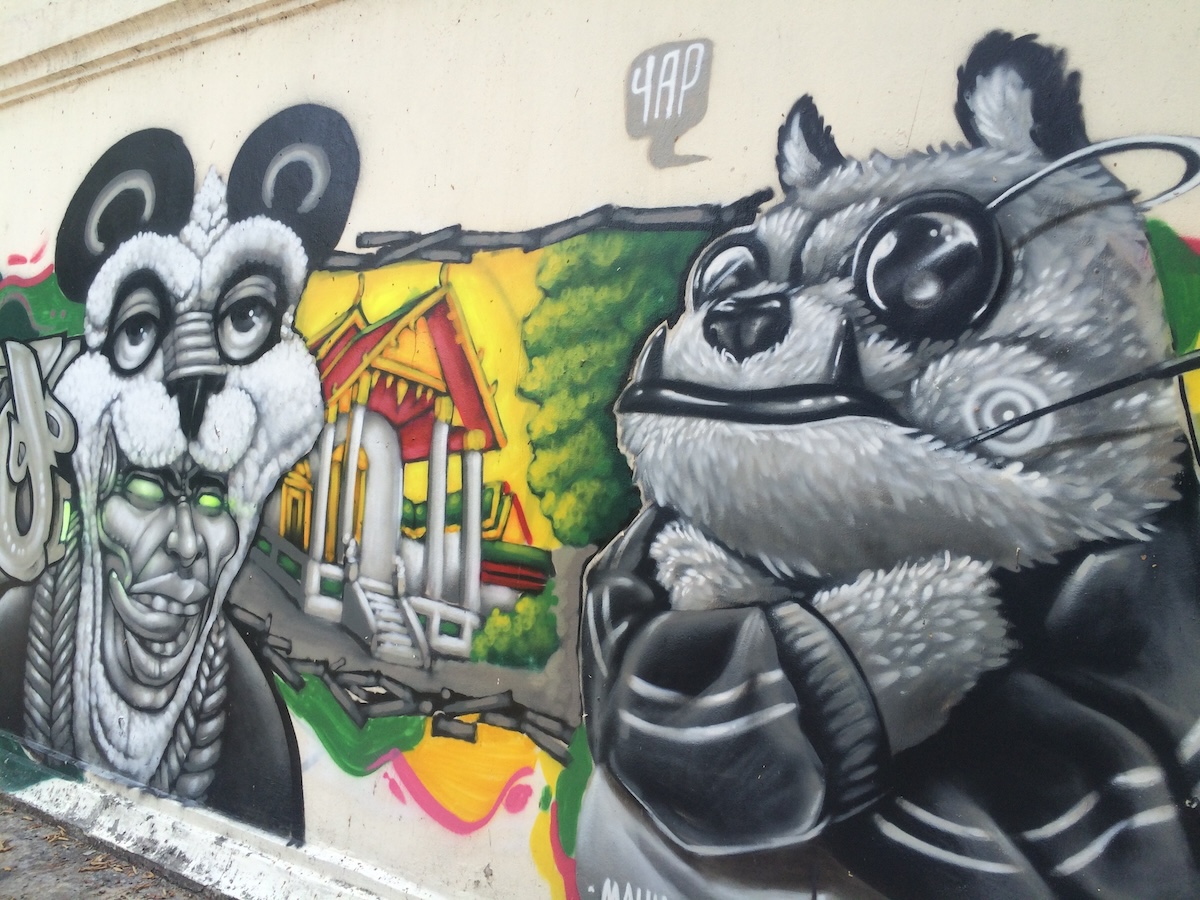
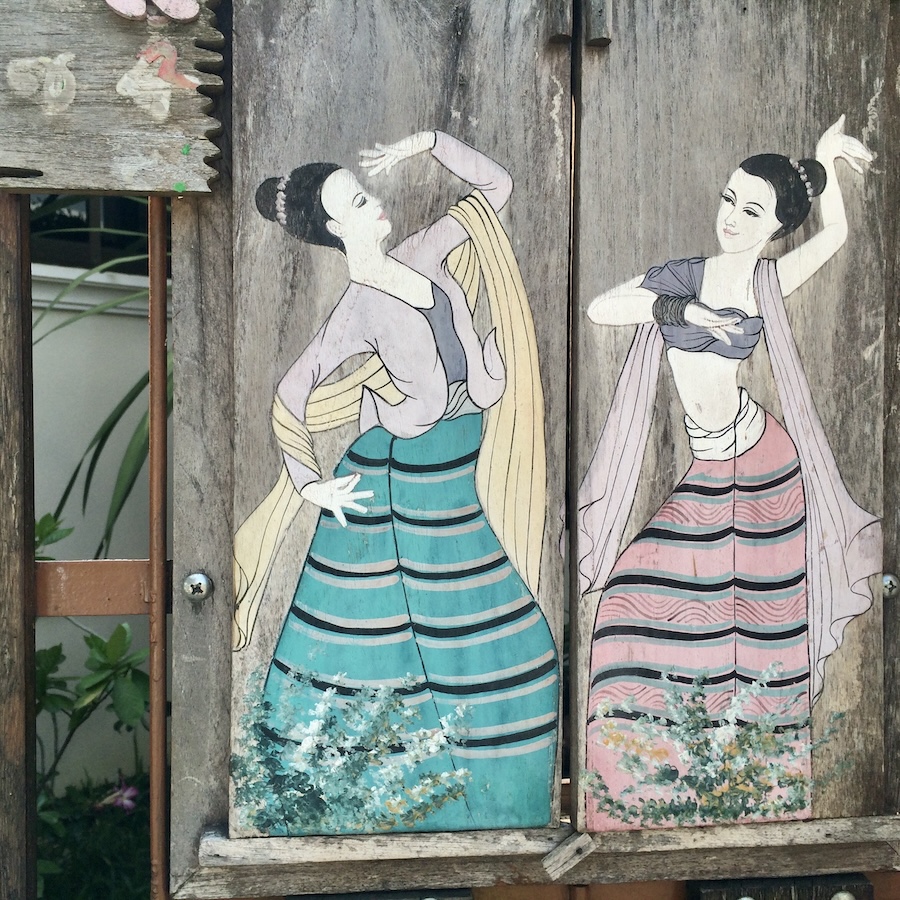
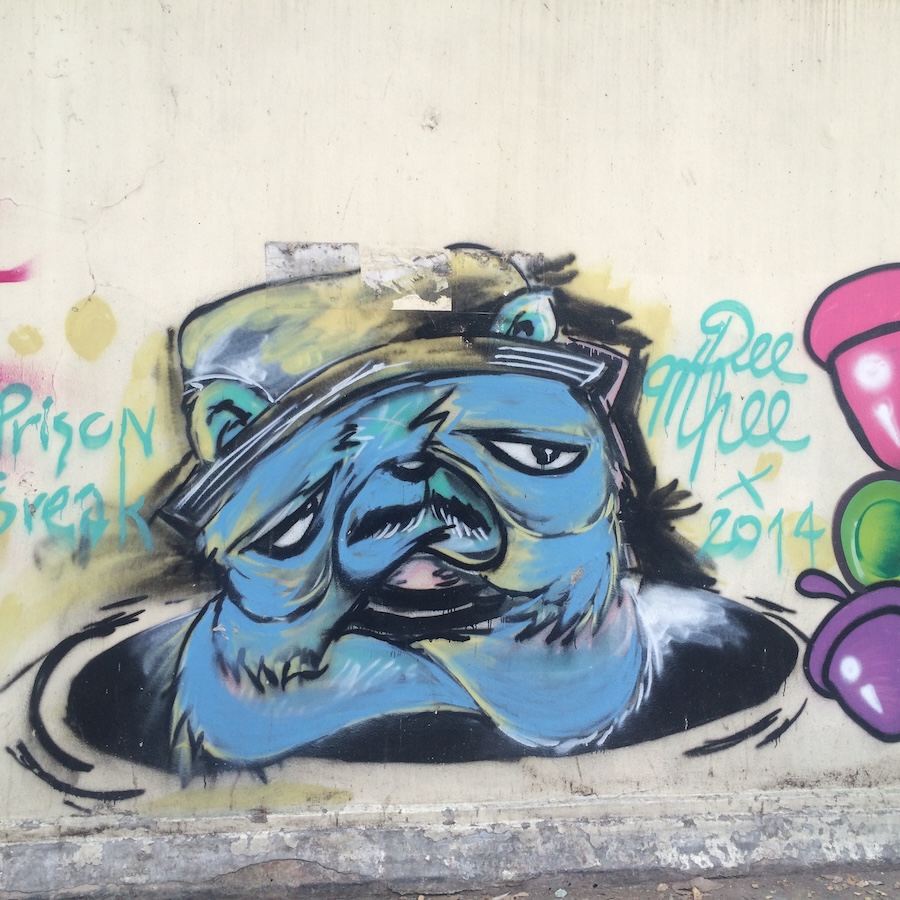
Chaing Mai
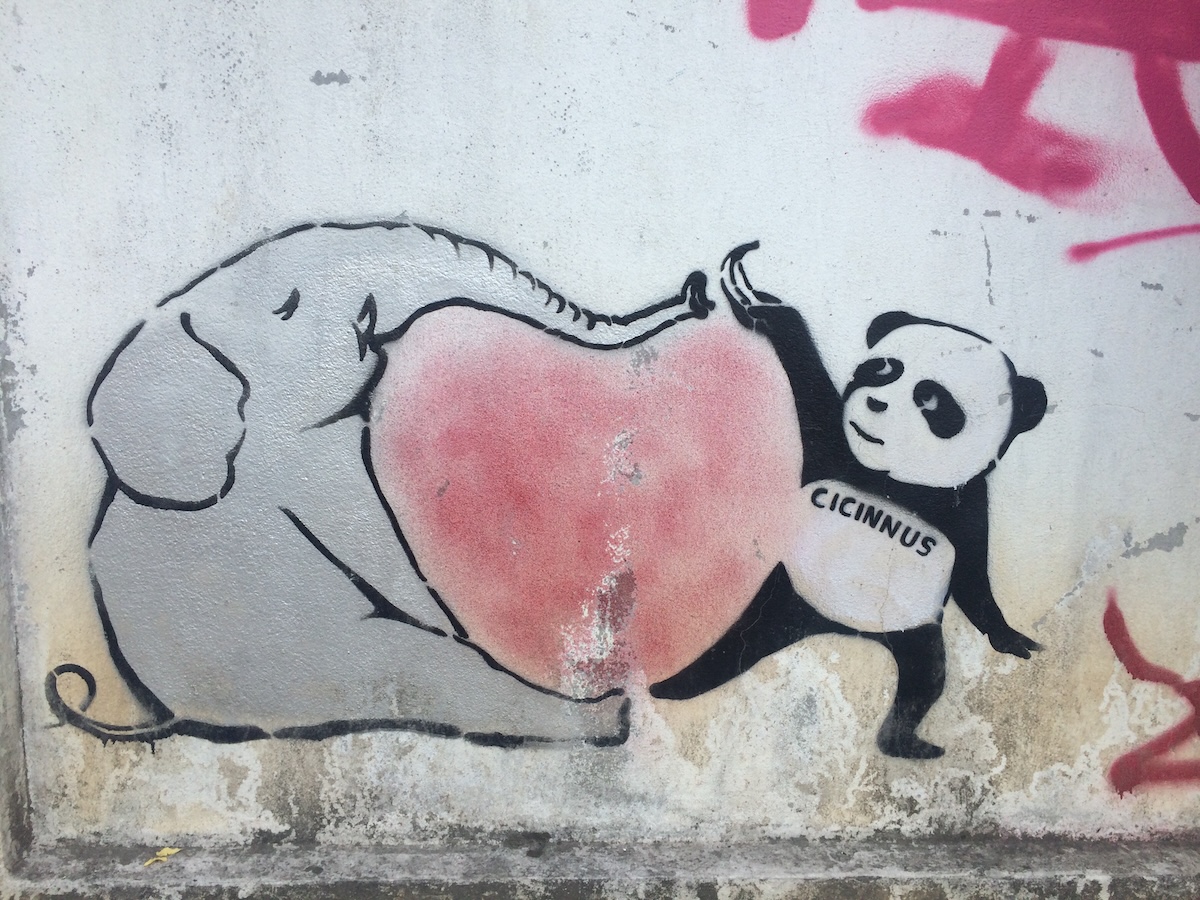
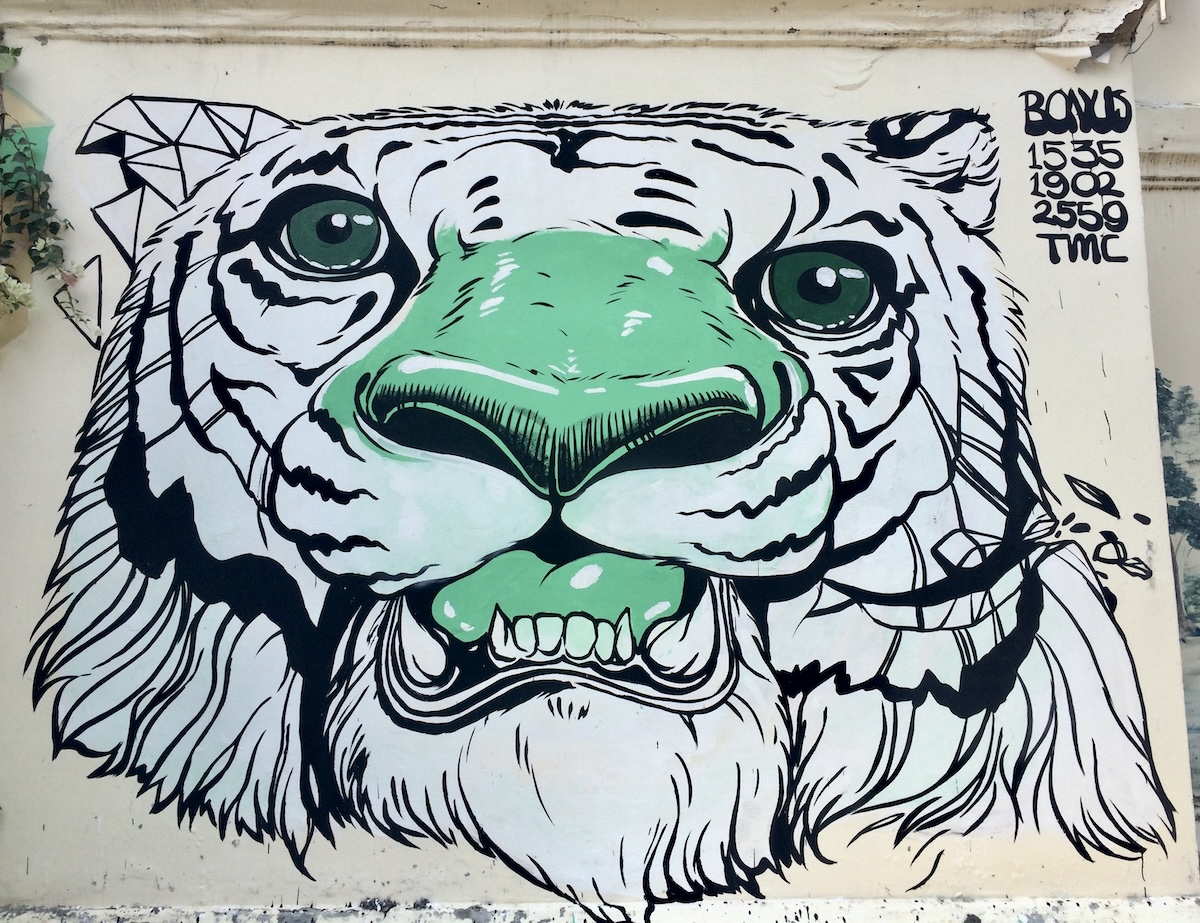
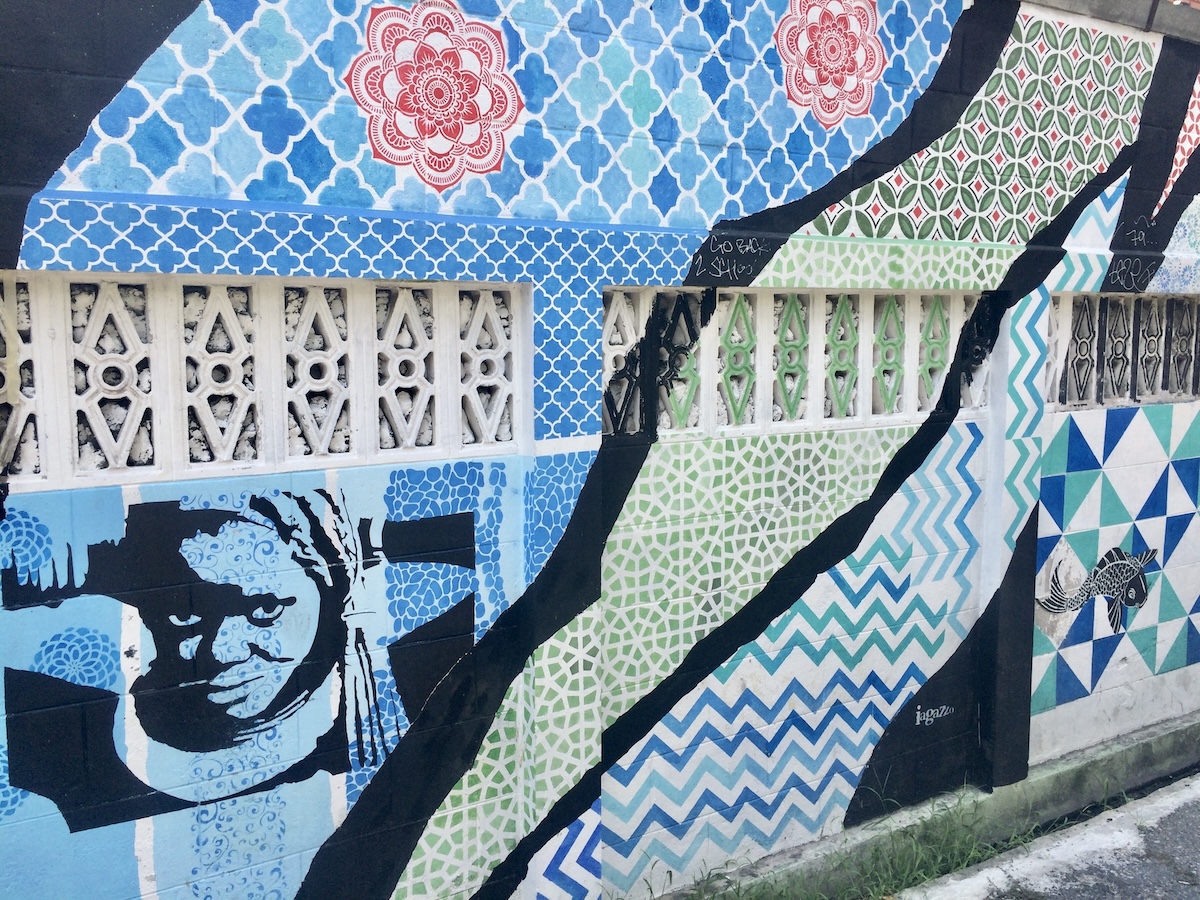
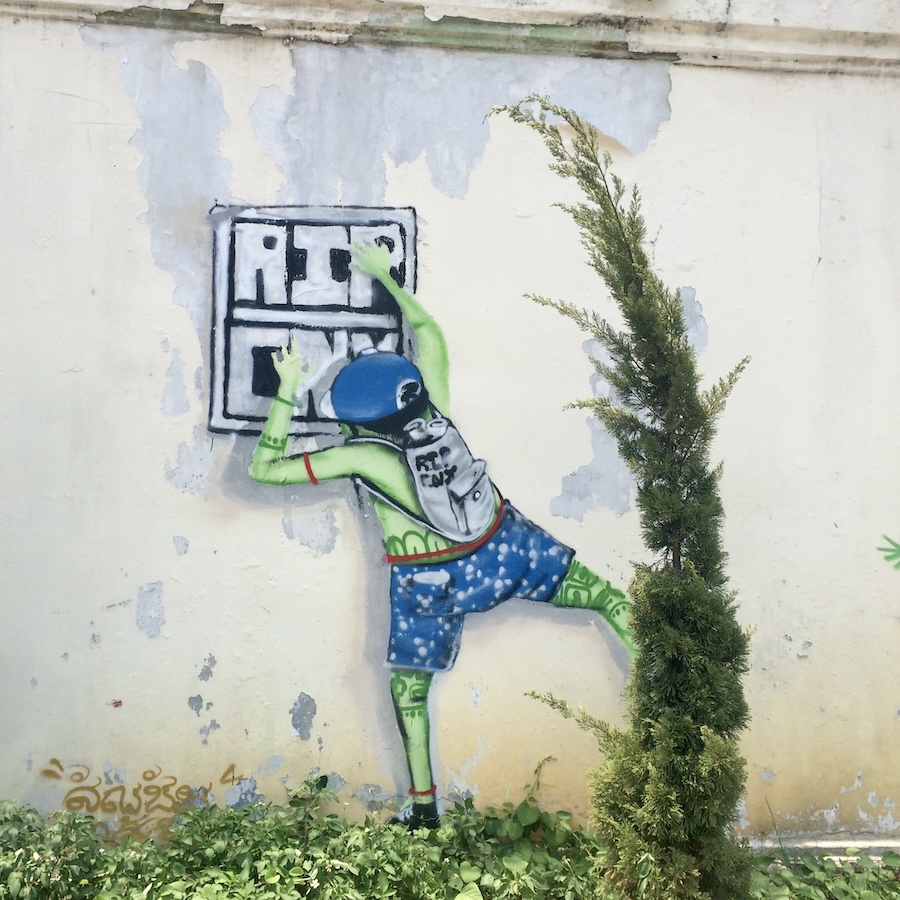
Creative spaces and surprises everywhere. A mixture of graphic design and old school street art blending cultural icons and modern slogins.
Holbox
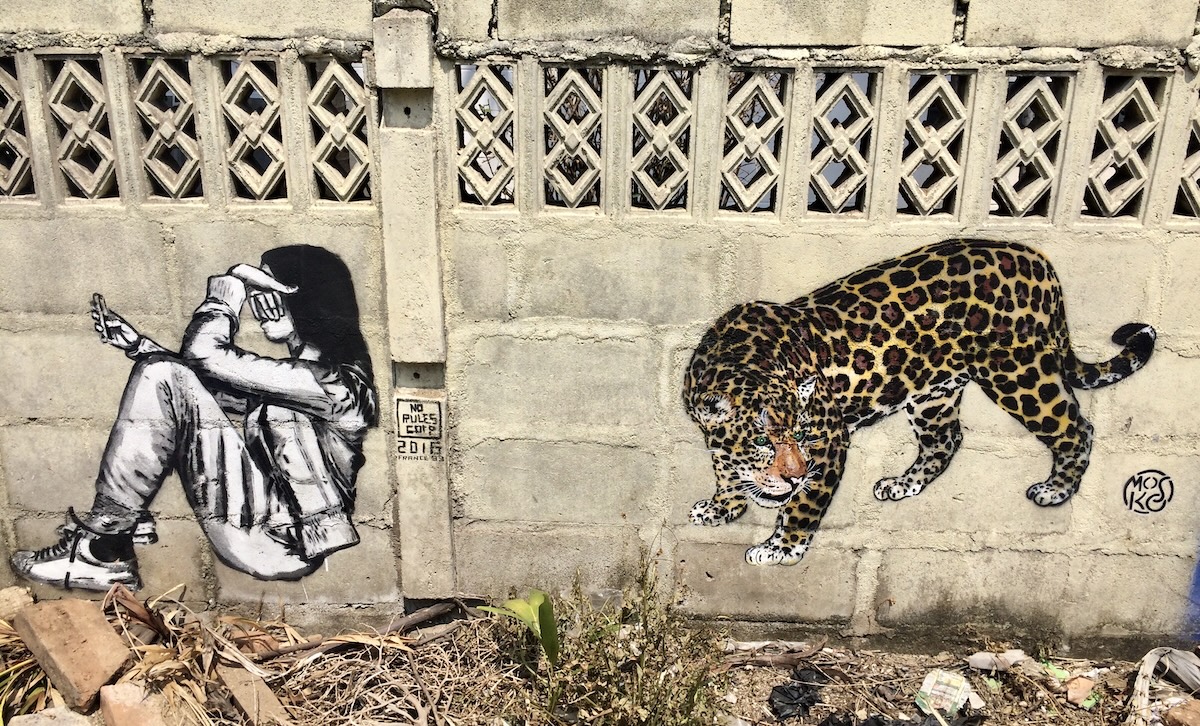
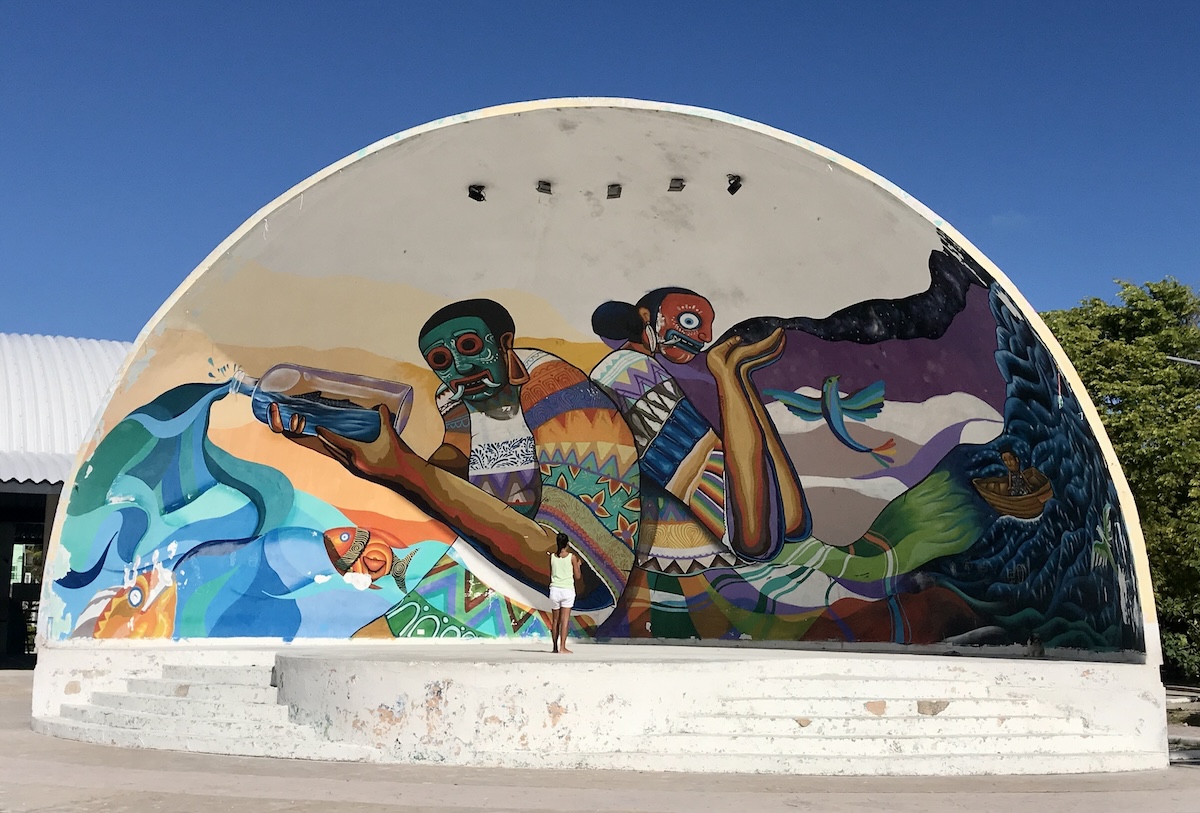
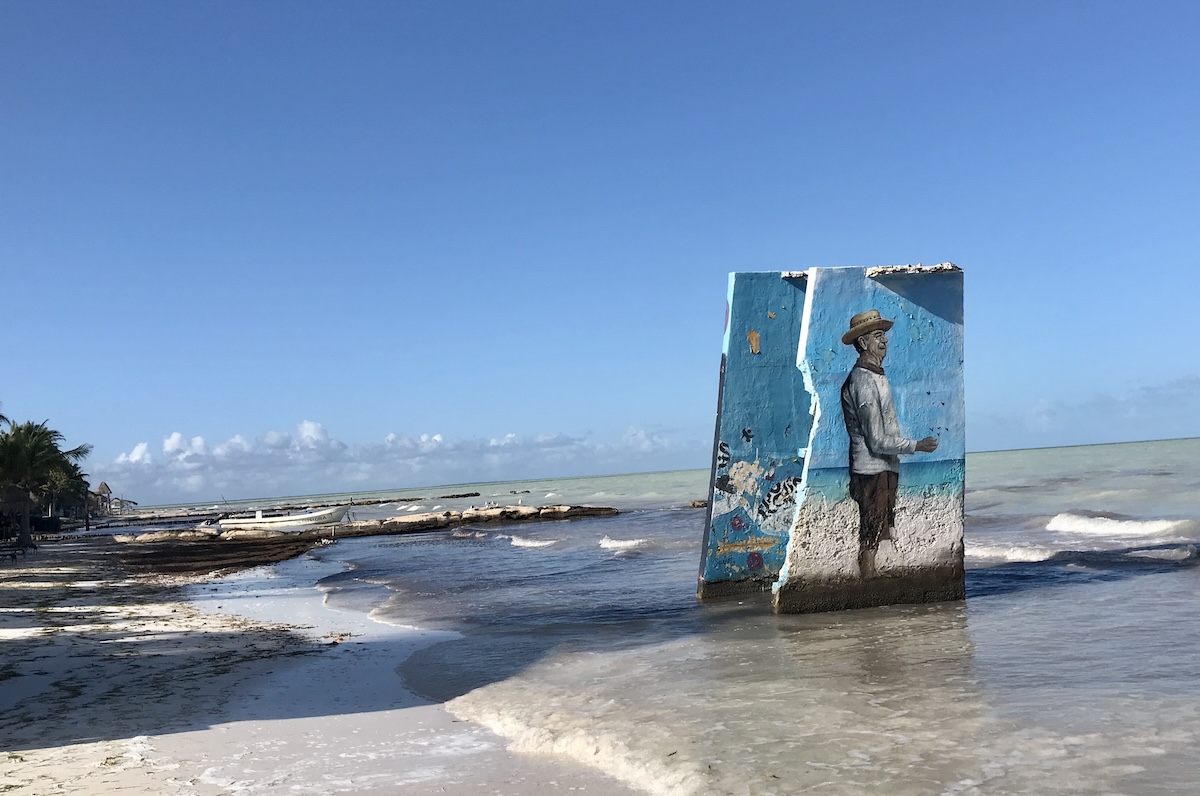
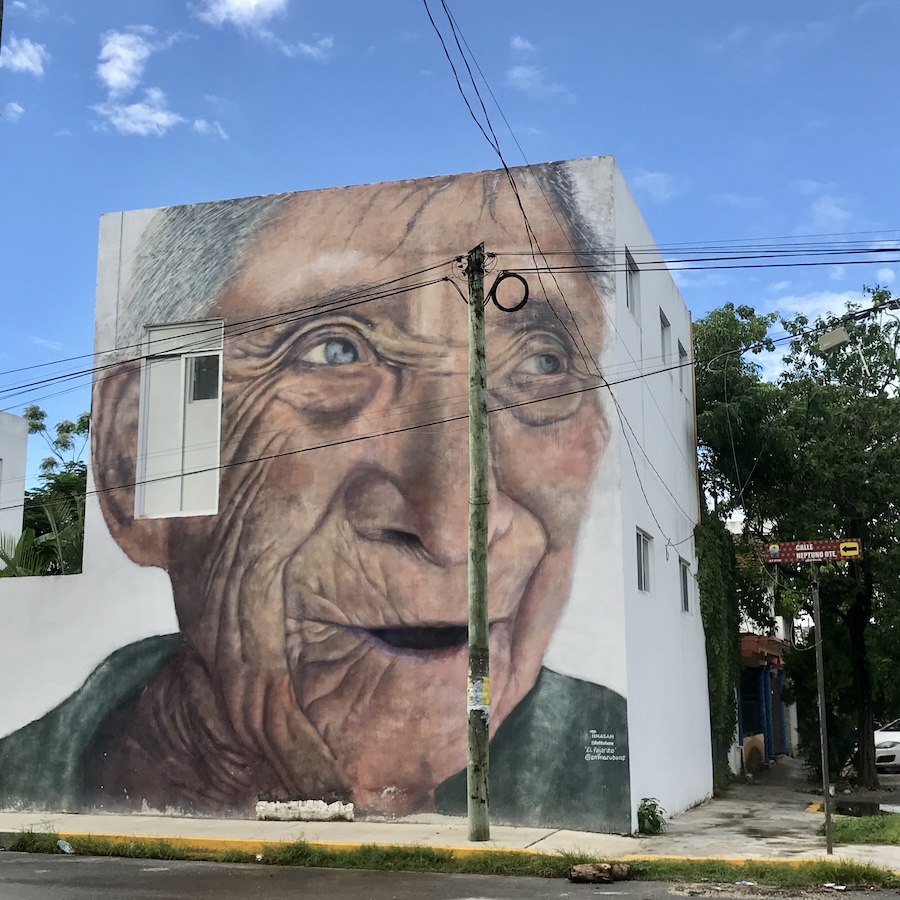
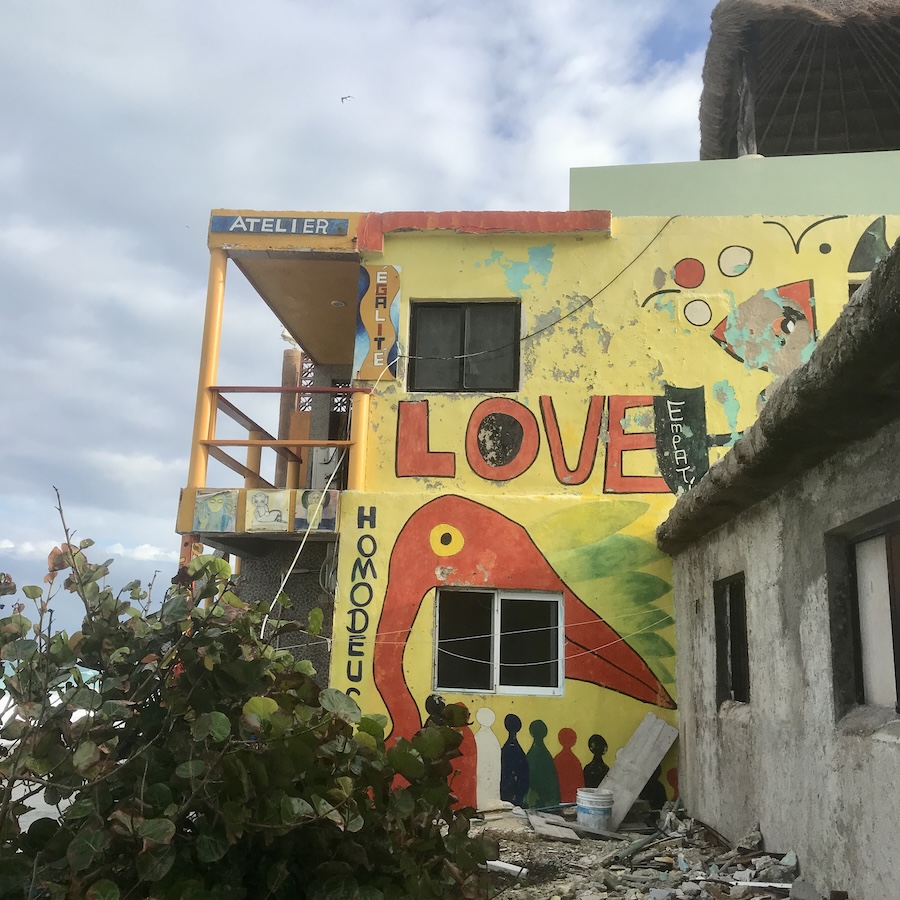
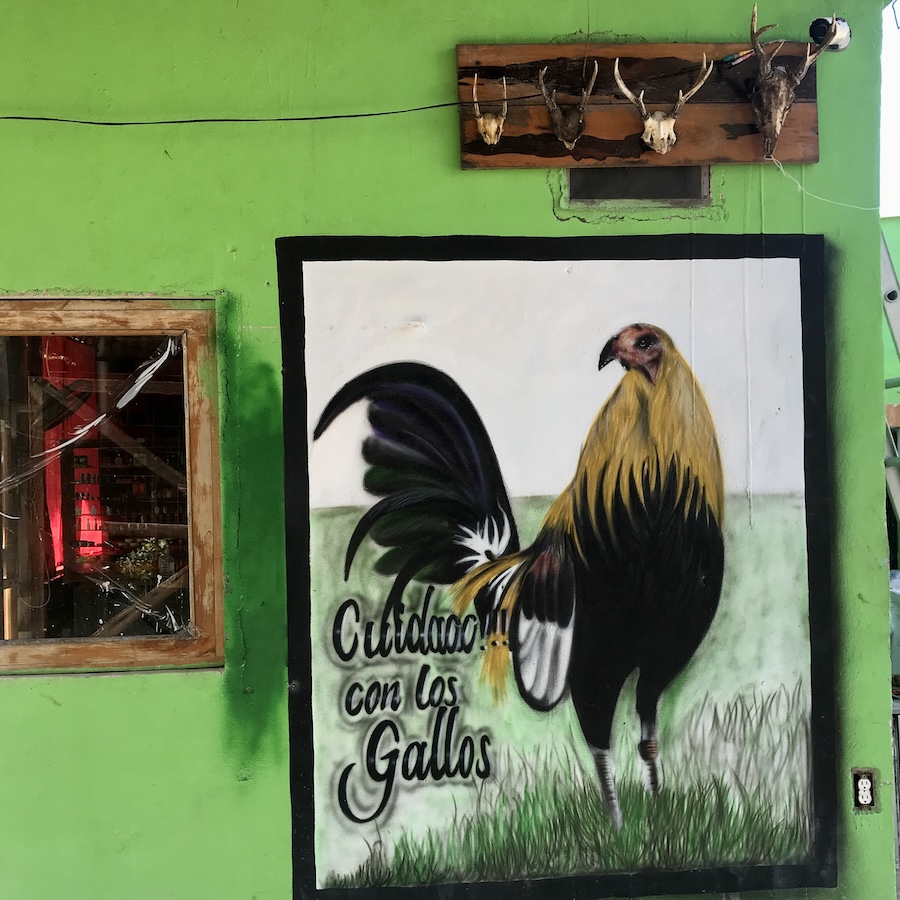
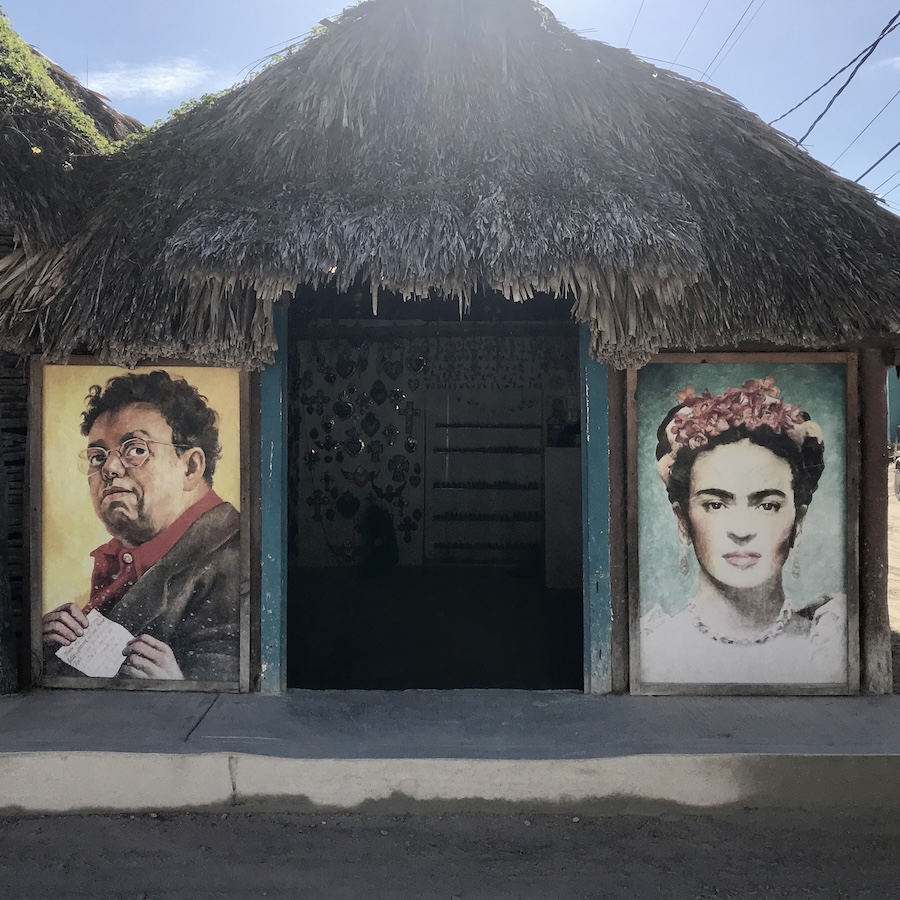
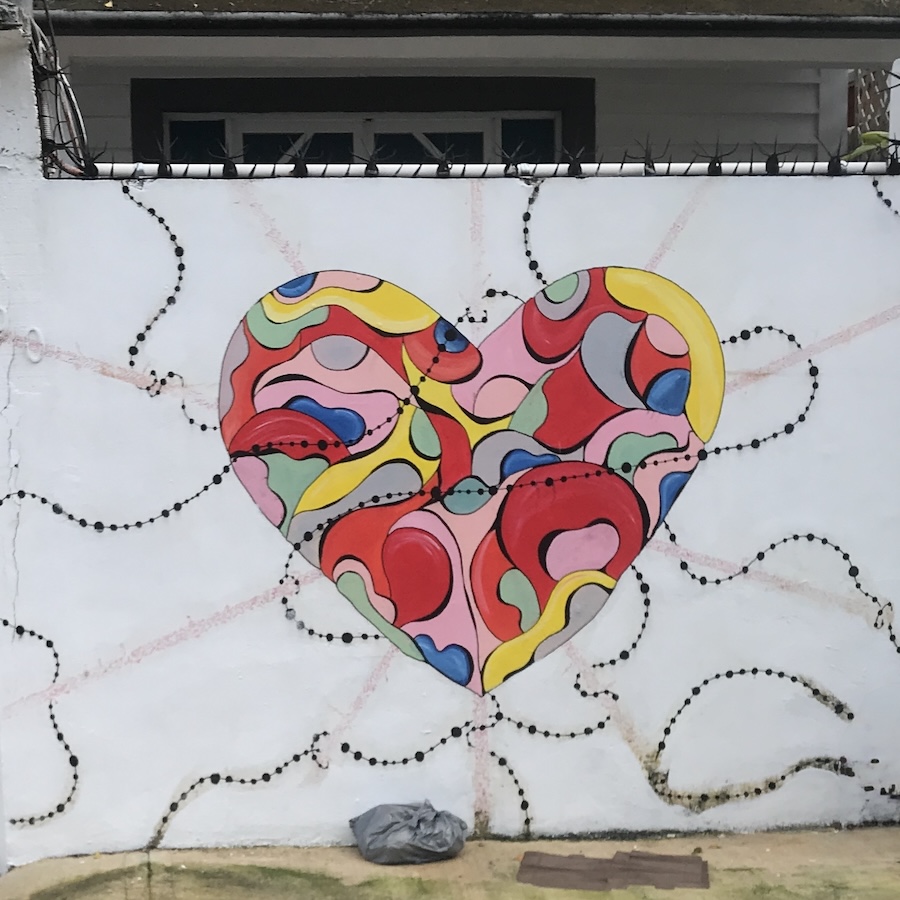
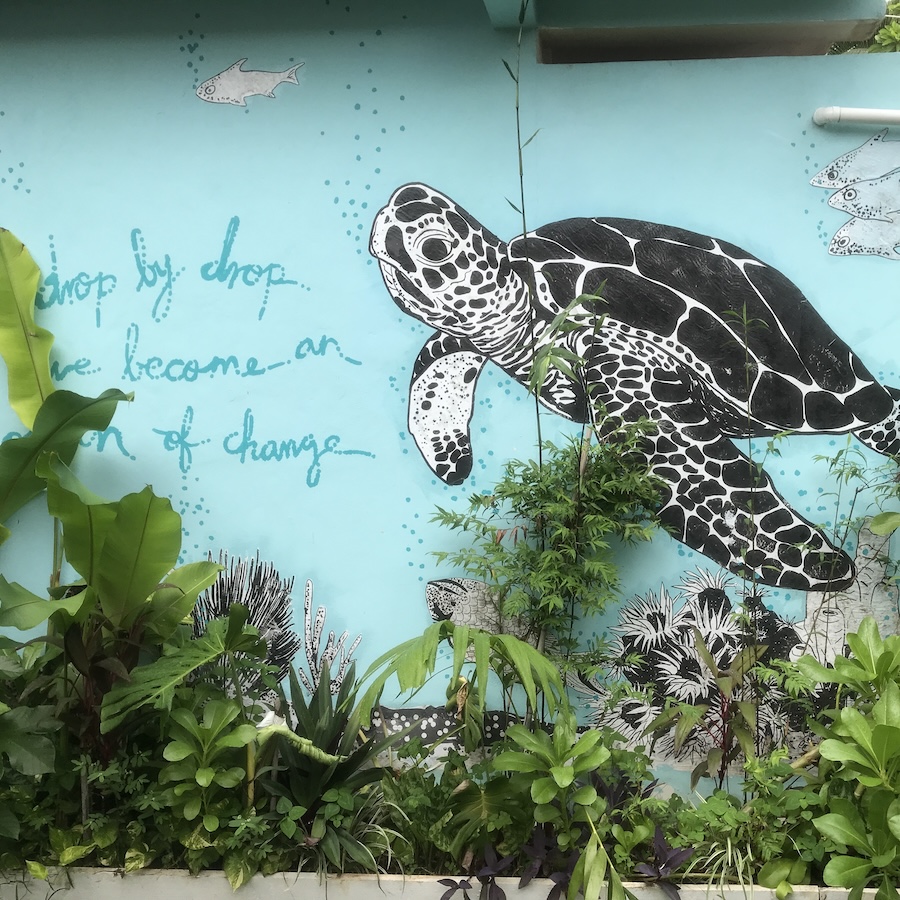
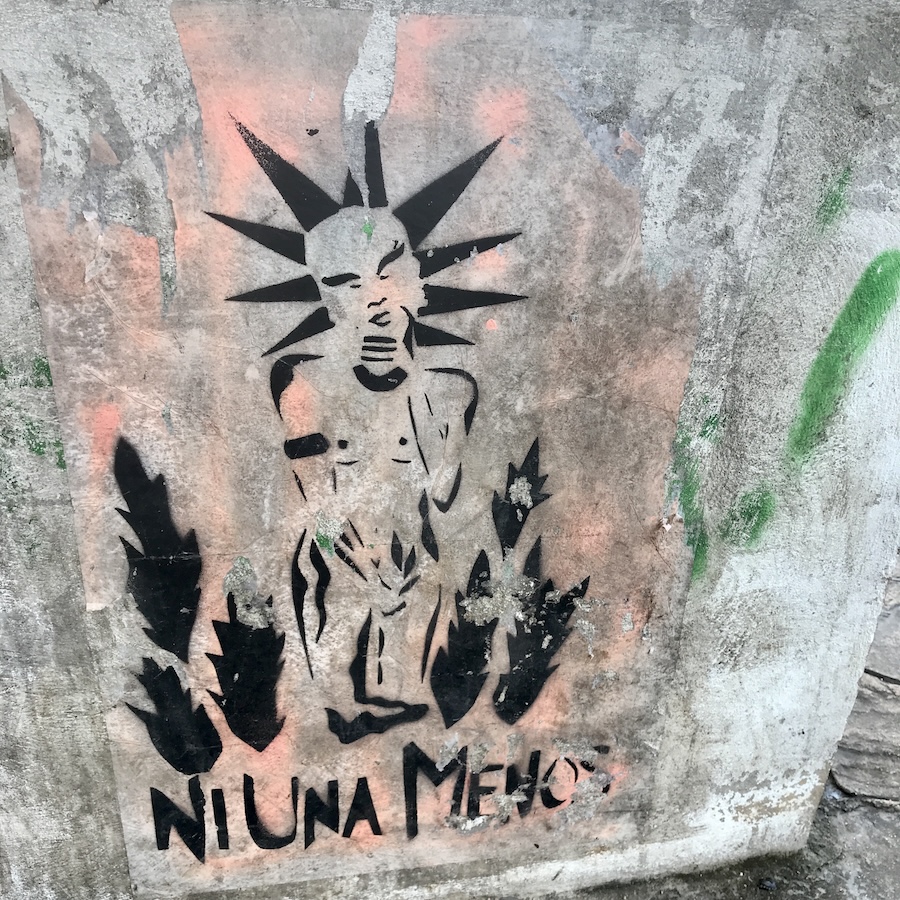
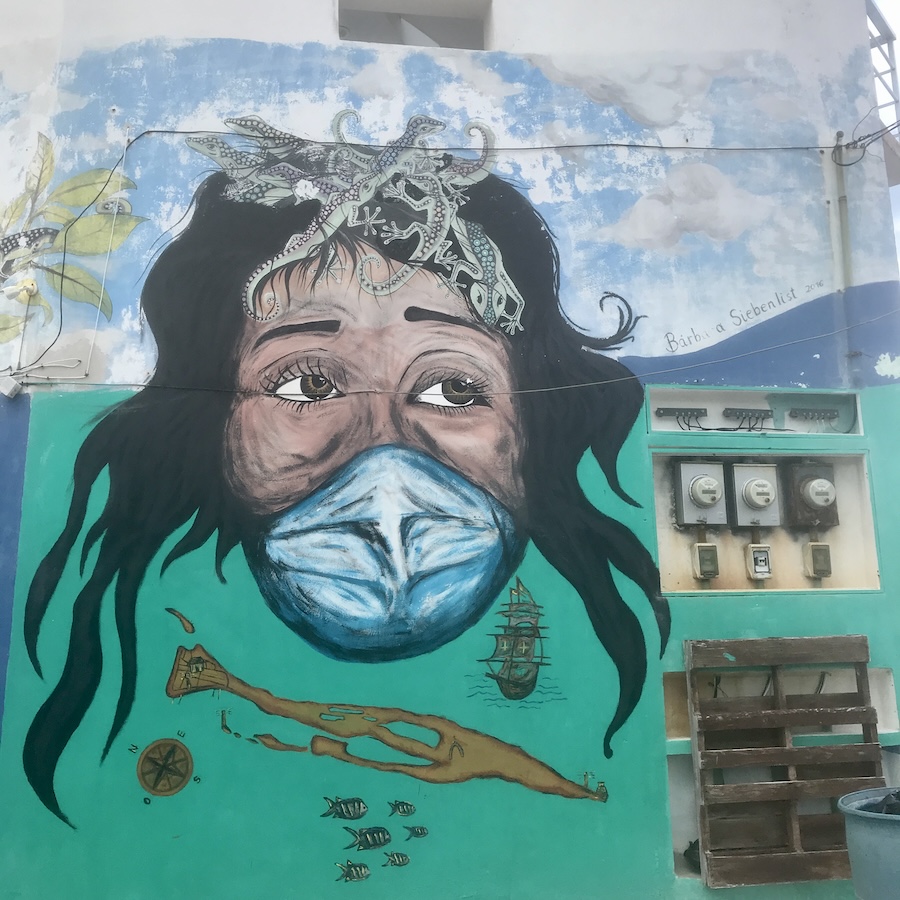
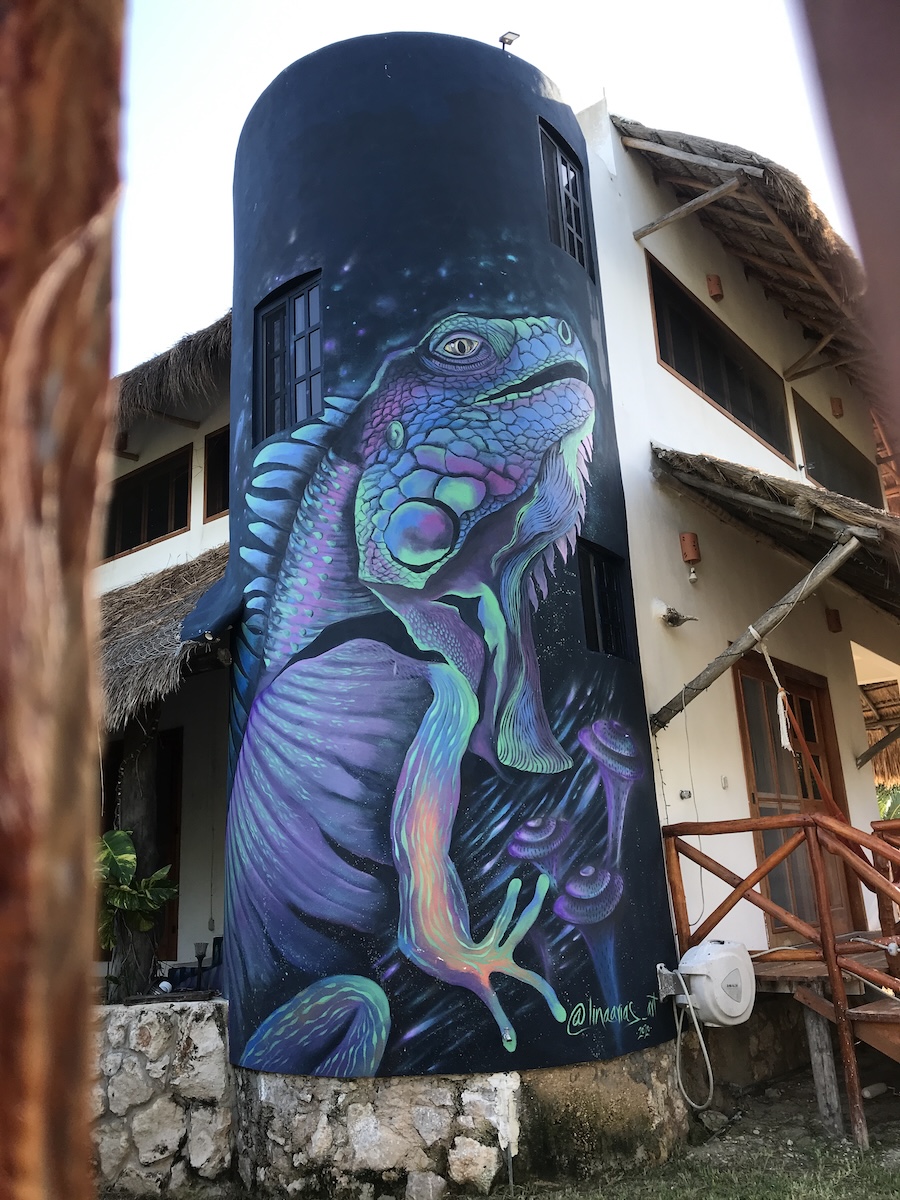
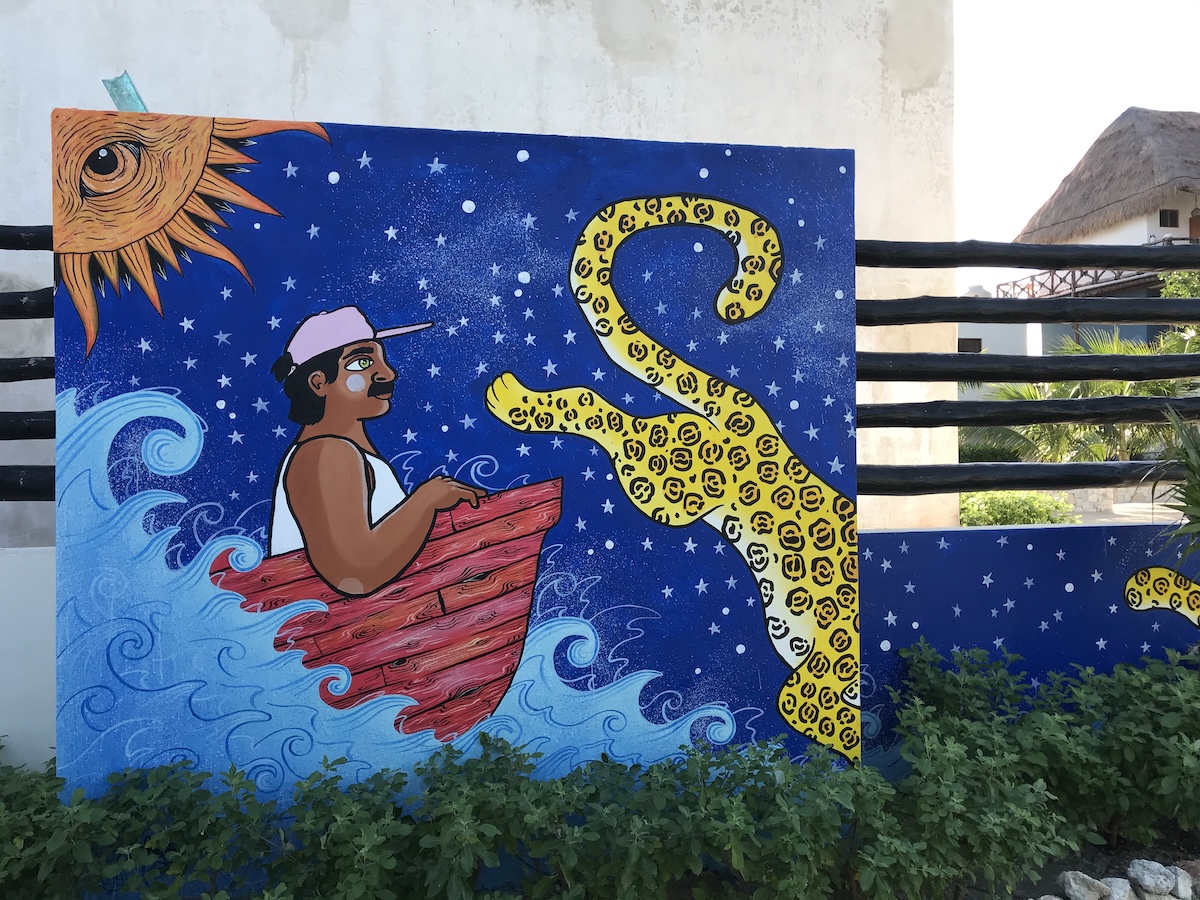
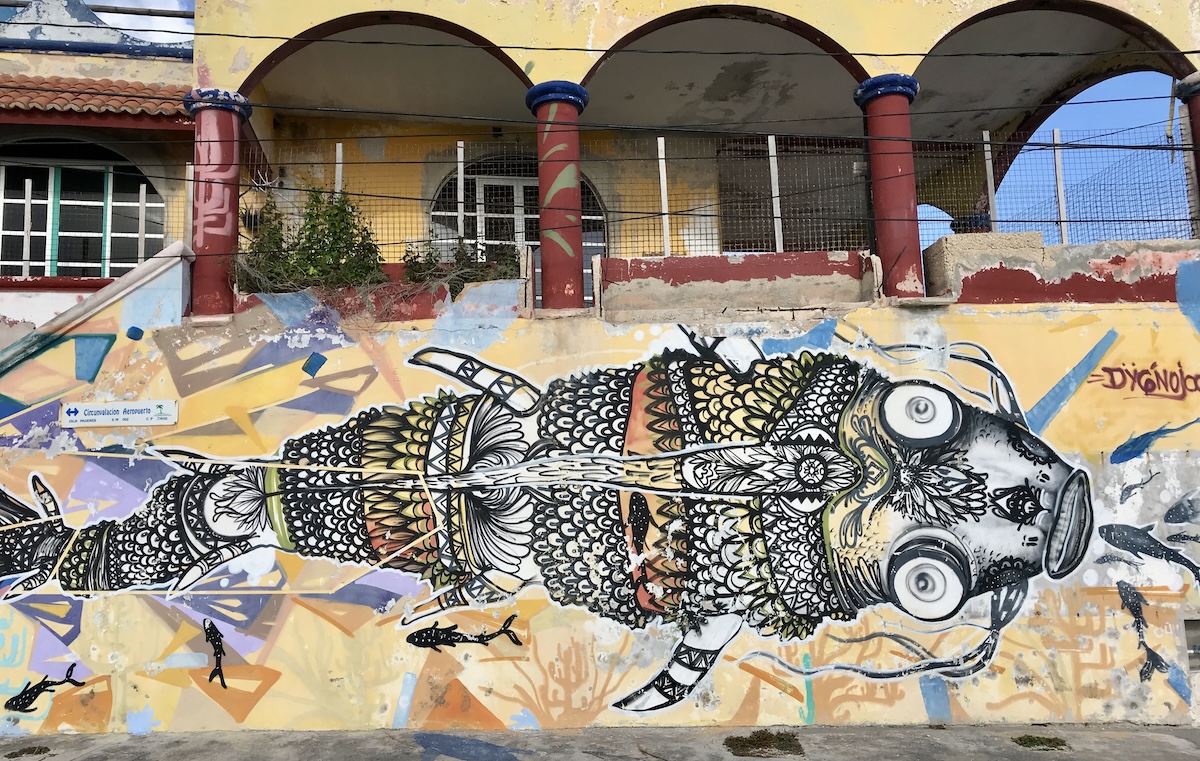
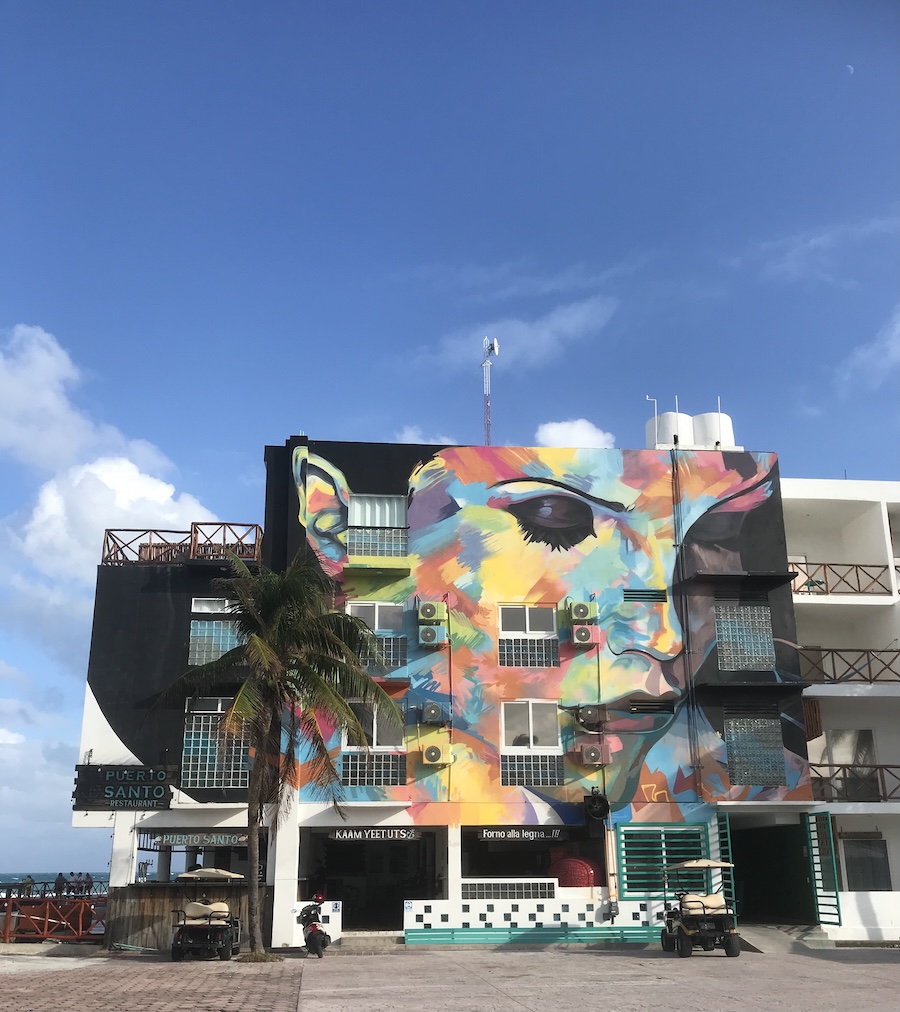
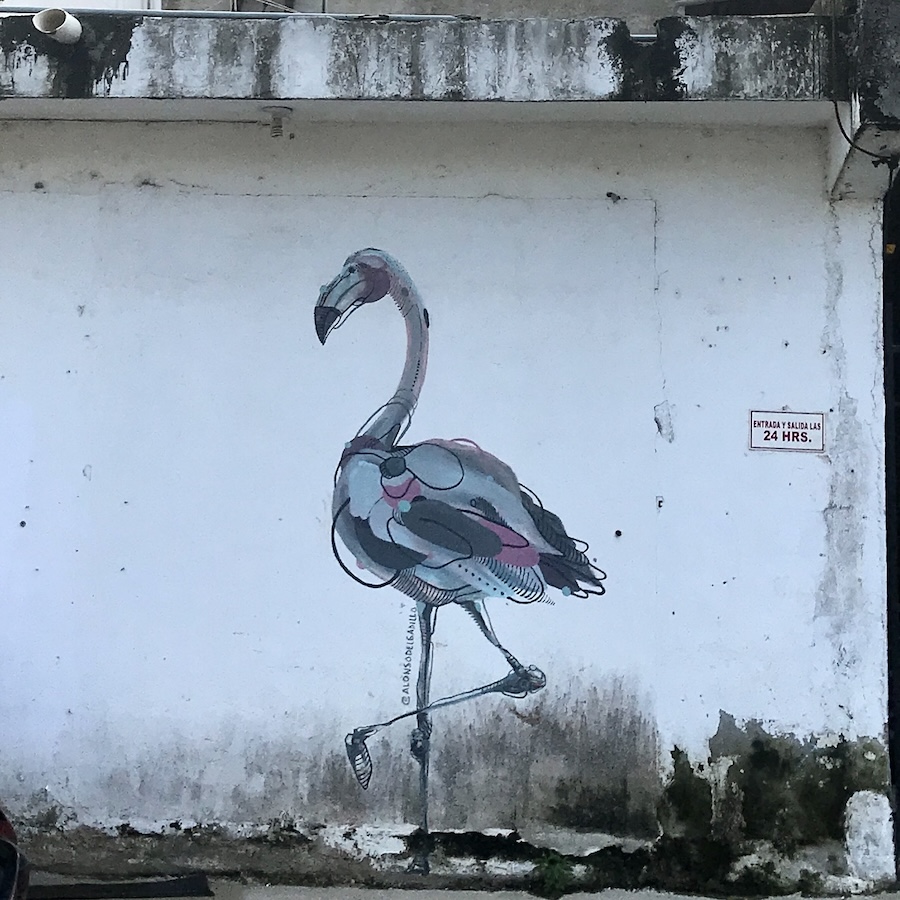
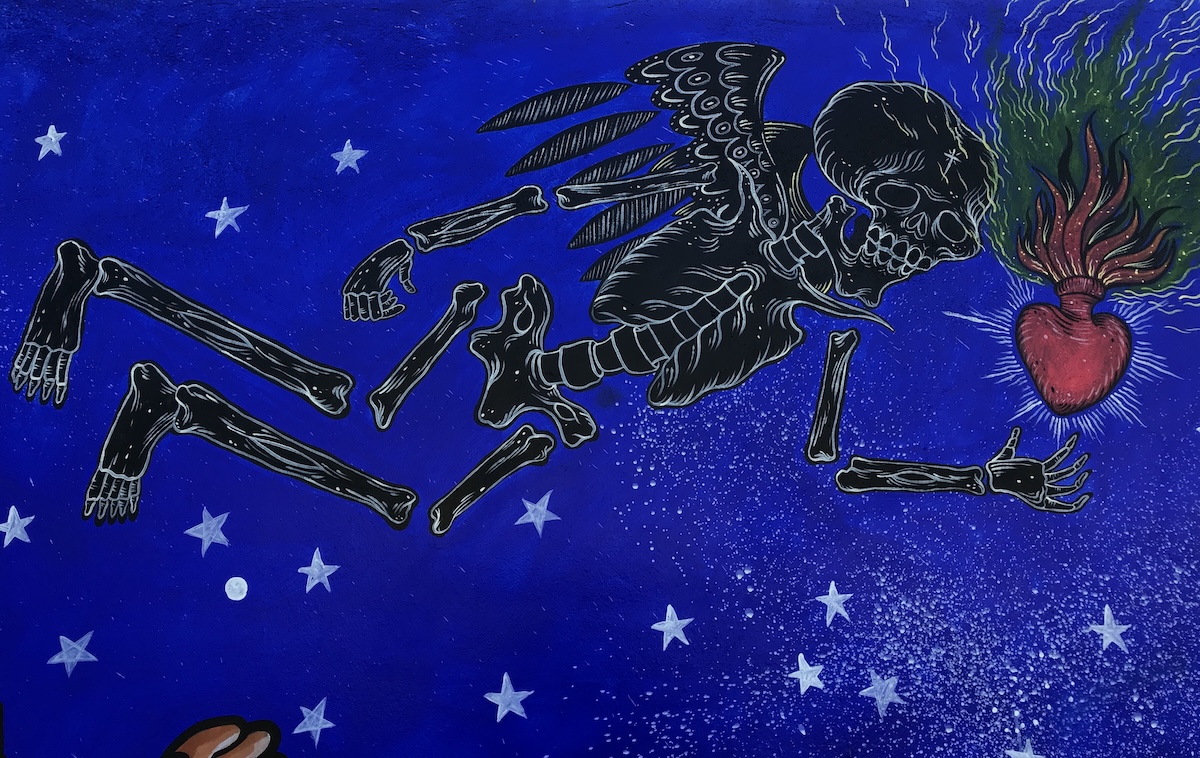
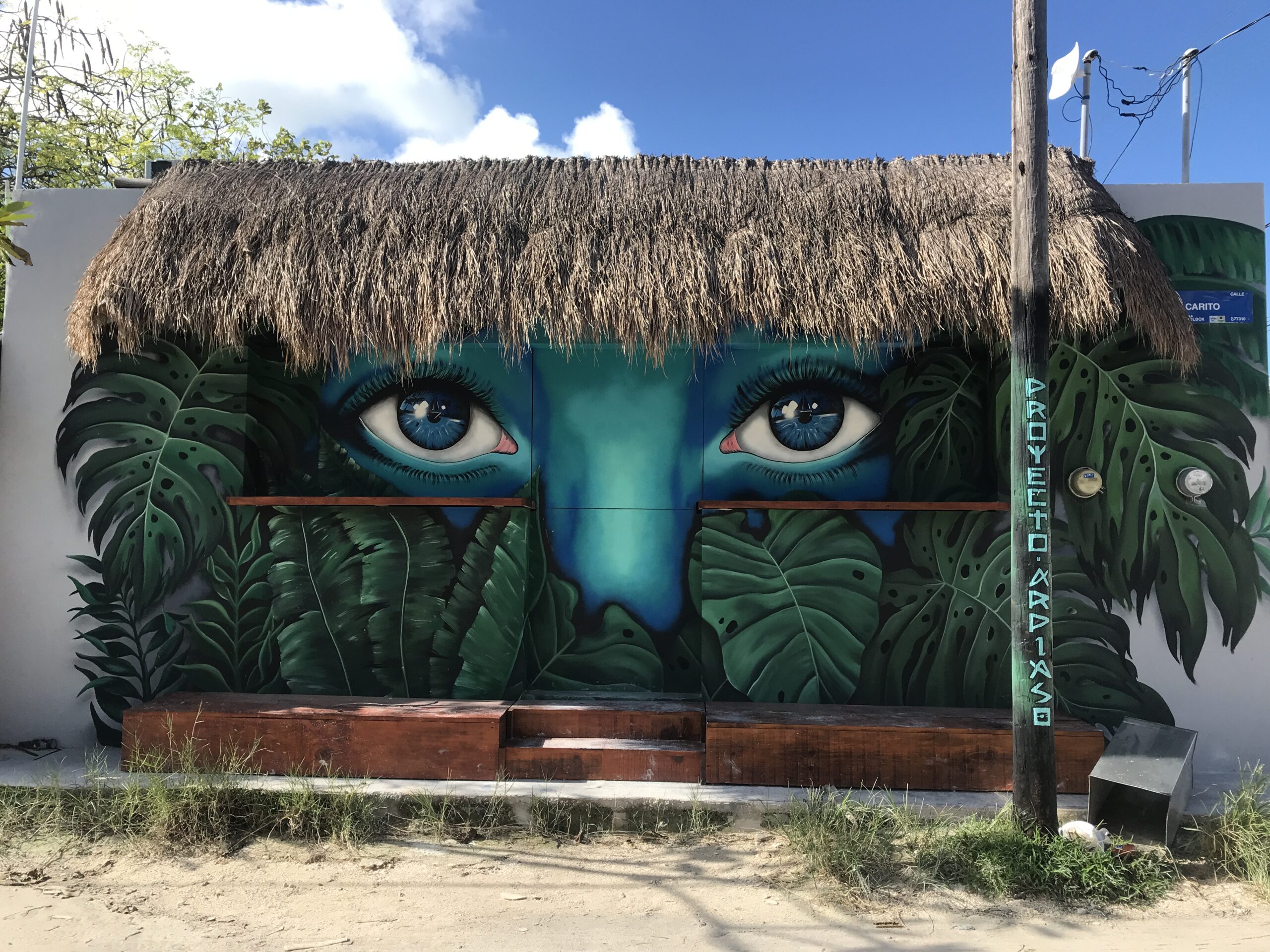
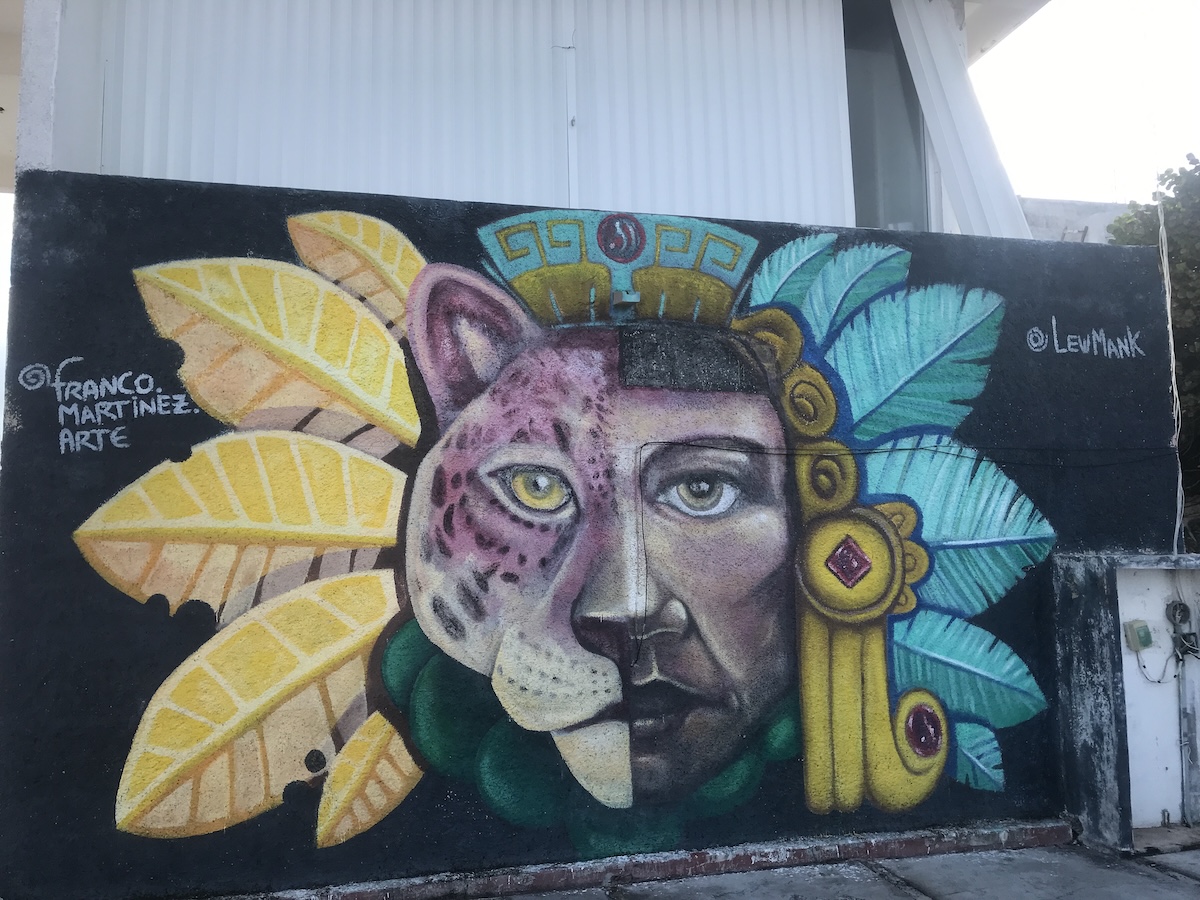
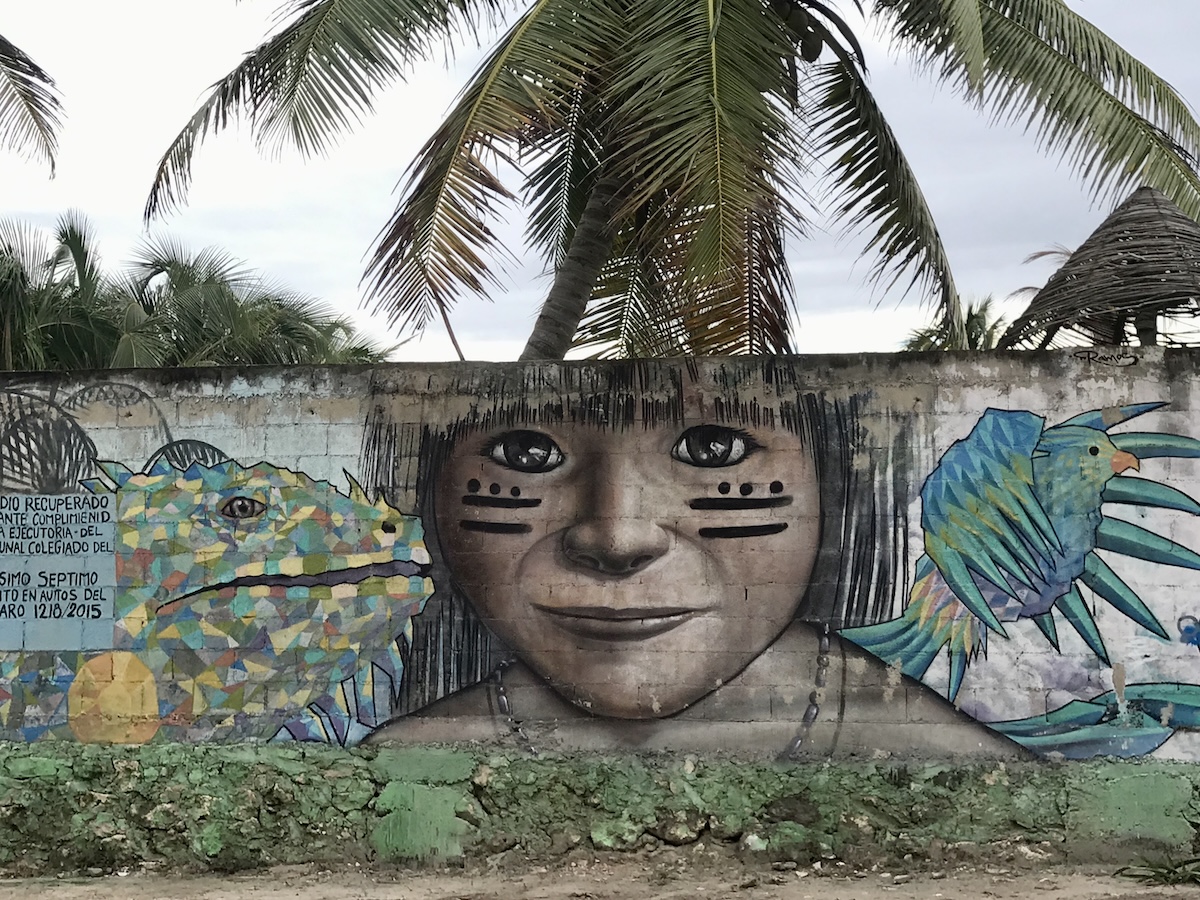
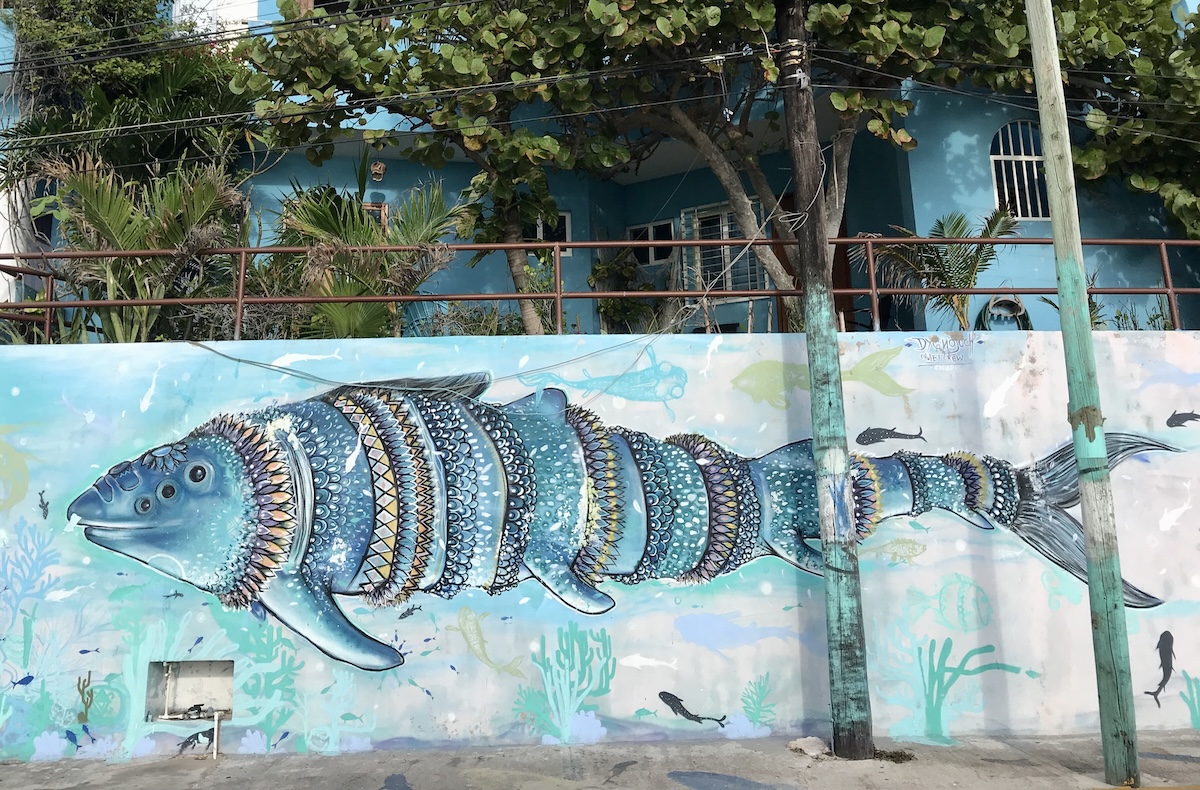
I almost forgot how colorful and vibrant Mexico is. The memories below are of beautiful murals and street art in and around Isla Mujeres and Holbox. Makes me want to head back to soak it all in once again.
Reykjavik
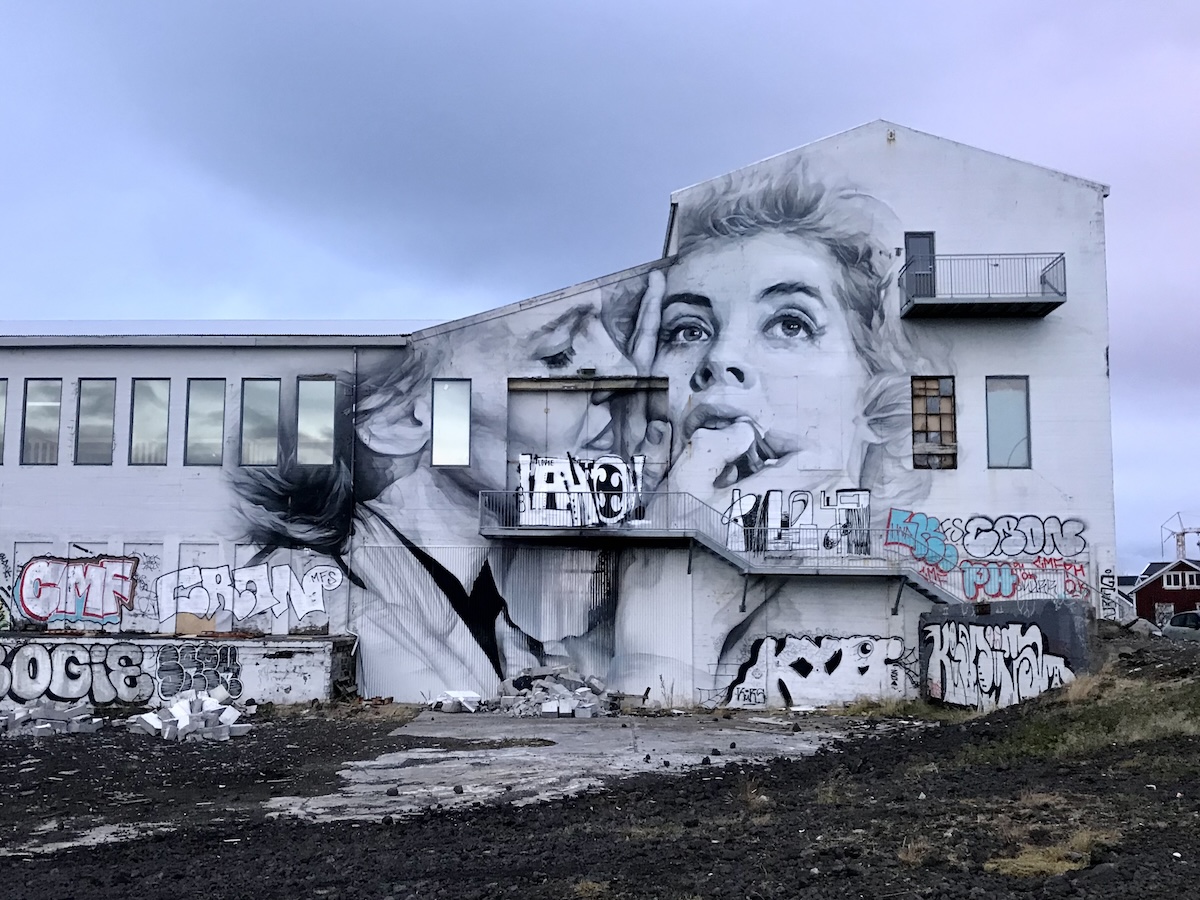
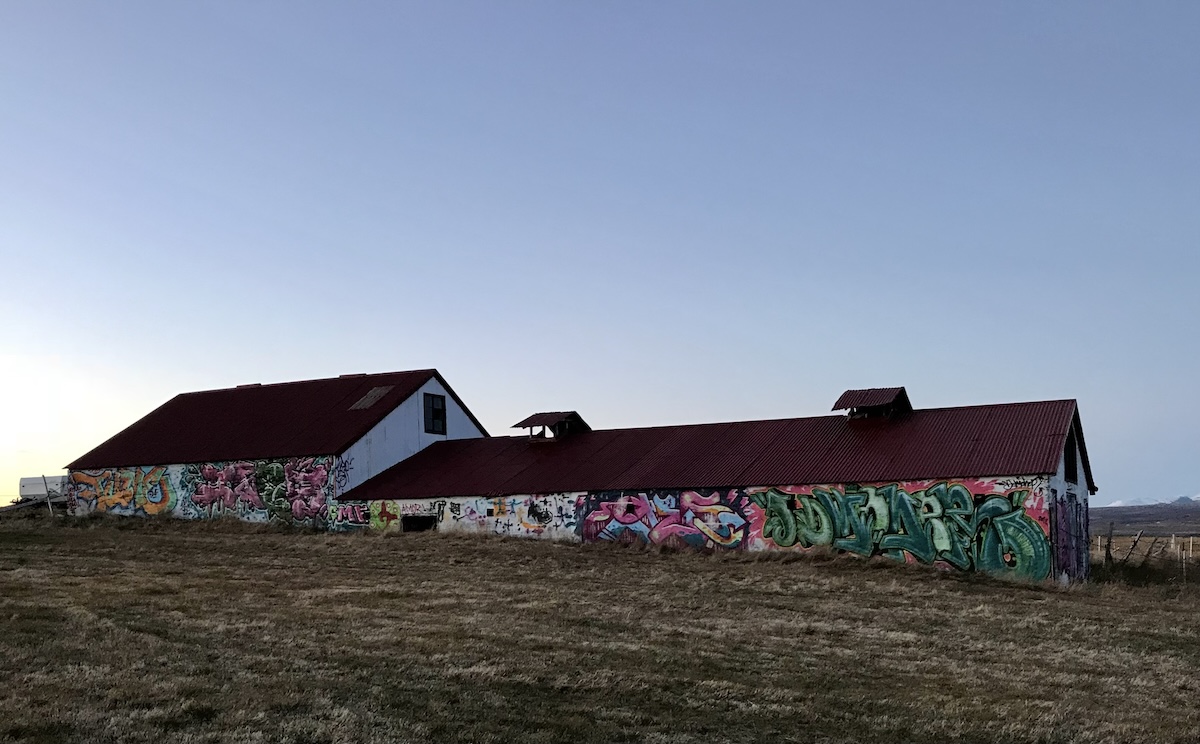
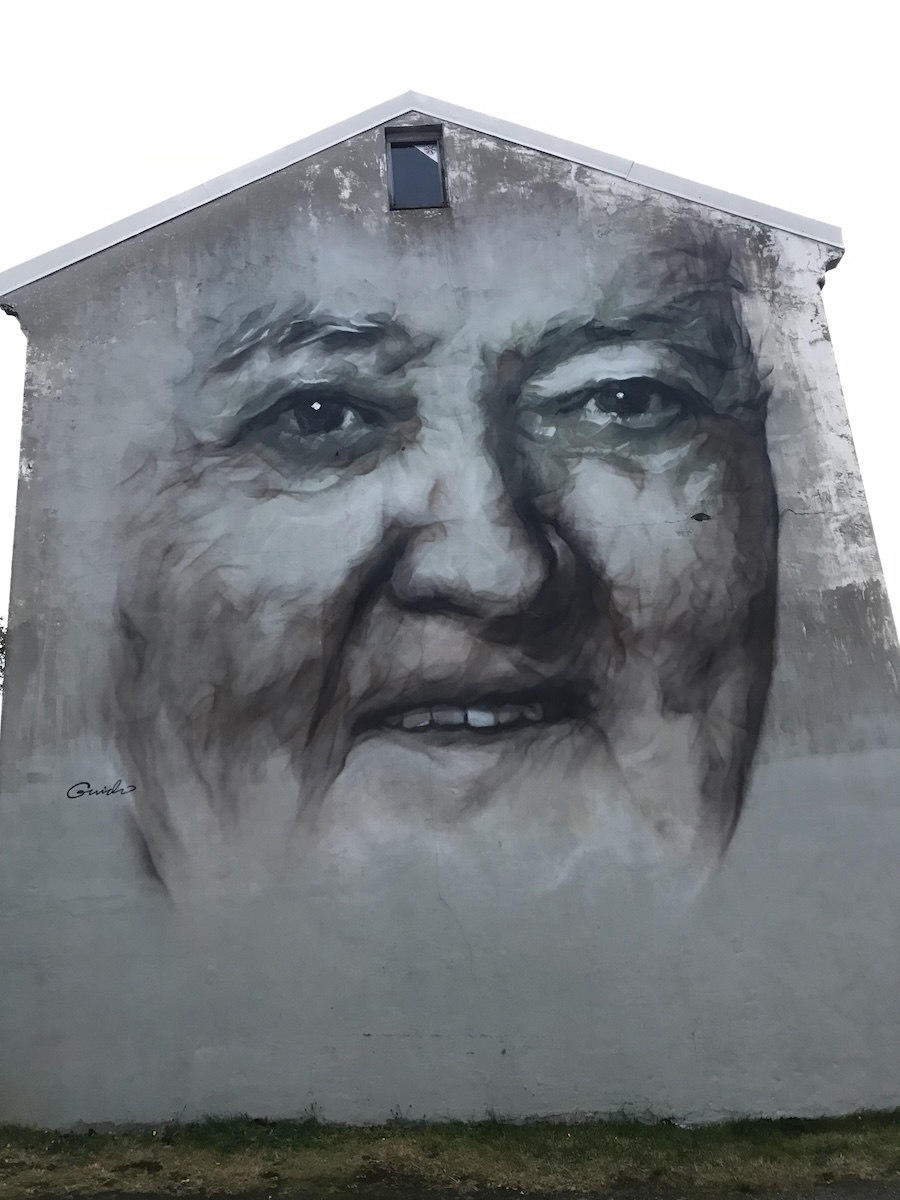
Here are a few pieces of street art I saw while walking around Reykjavik. There is so much more tho. While doing research I discovered that there is quite a history of urban art on this island. It would be worth another visit. The local female artist Sara Riel is known for her graffiti murals but her works include graphic design, illustrations, cartoons, paintings, and photography.
A major turning point came in 2015 with the launch of Wall Poetry, a collaboration between Iceland Airwaves music festival and Berlin-based art initiative Urban Nation.
Curated by Yasha Young, the project paired ten international street artists with ten musicians performing at Airwaves. Each muralist received a song, lyric, or literary reference that had influenced the musician’s work. The idea was to reconnect music and visual art in the spirit of classic album cover culture by translating sound into large-scale public imagery.
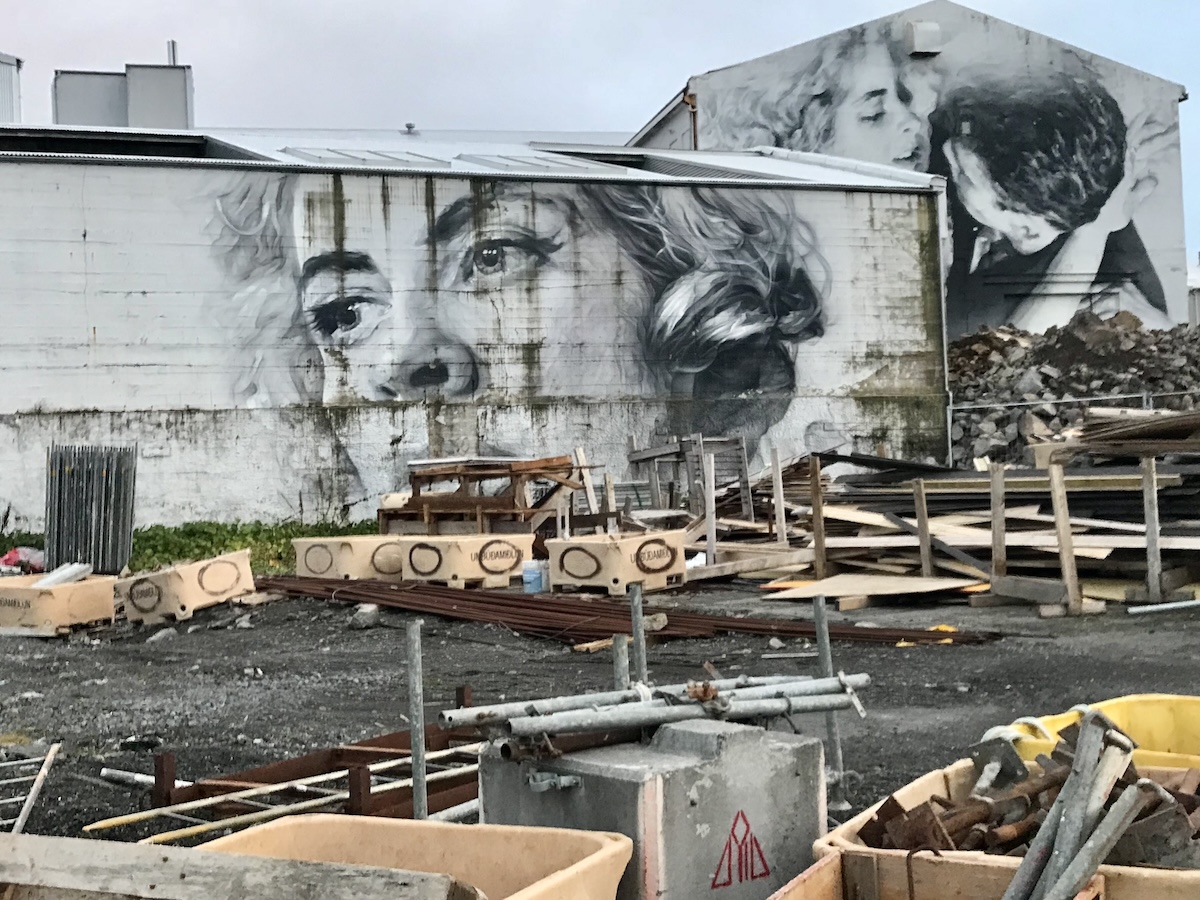
Guido van Helten
Here is a detailed history of street art in Reykjavik by Guide to Iceland. Turns out there is quite a history and a tug of war with officials initially trying to prevent street art and ultimately embracing it.
The film noir murals were painted by Guido van Helten. Huge, dramatic black-and-white portraits painted on old harbor fish-processing buildings, based on 1961 vintage local photography. They are painted in a stark industrial barren area so they are a haunting yet beautiful addition.