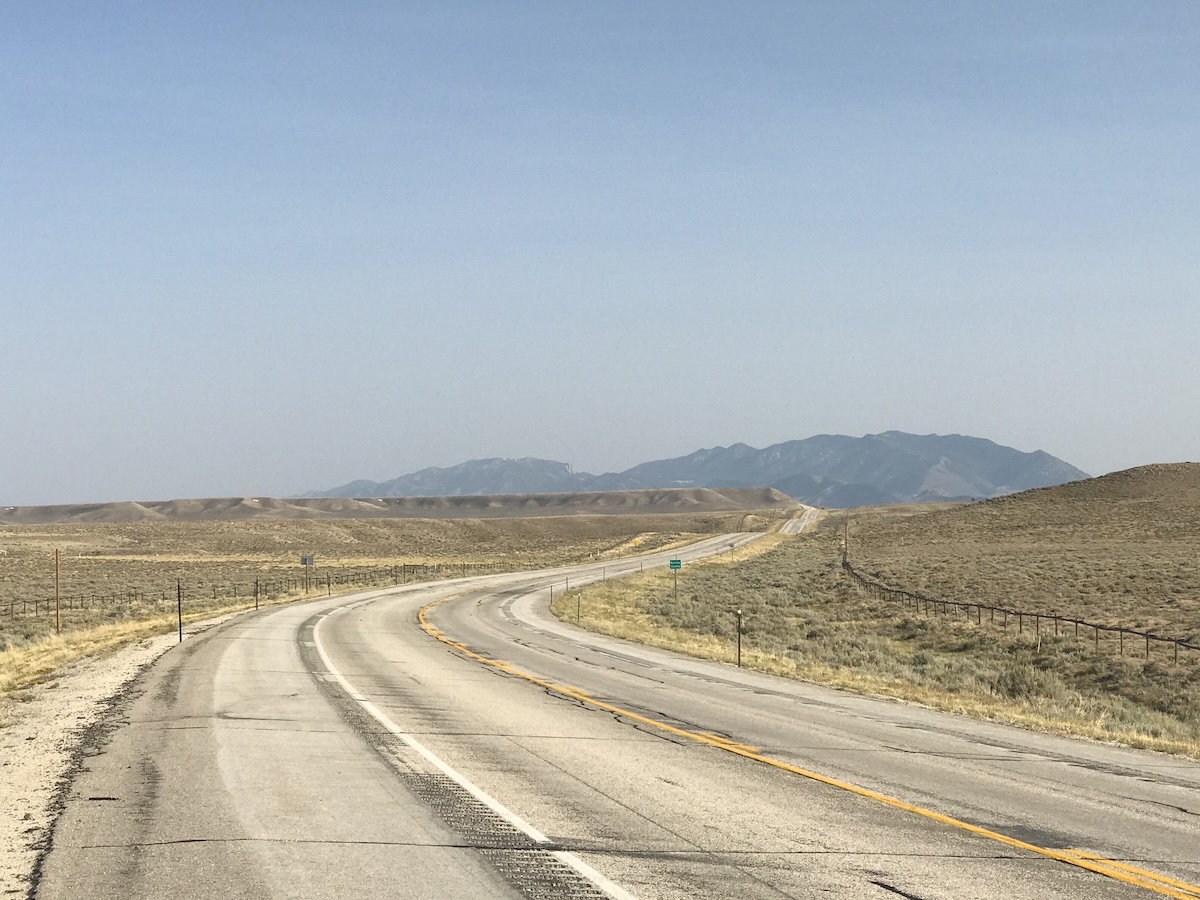
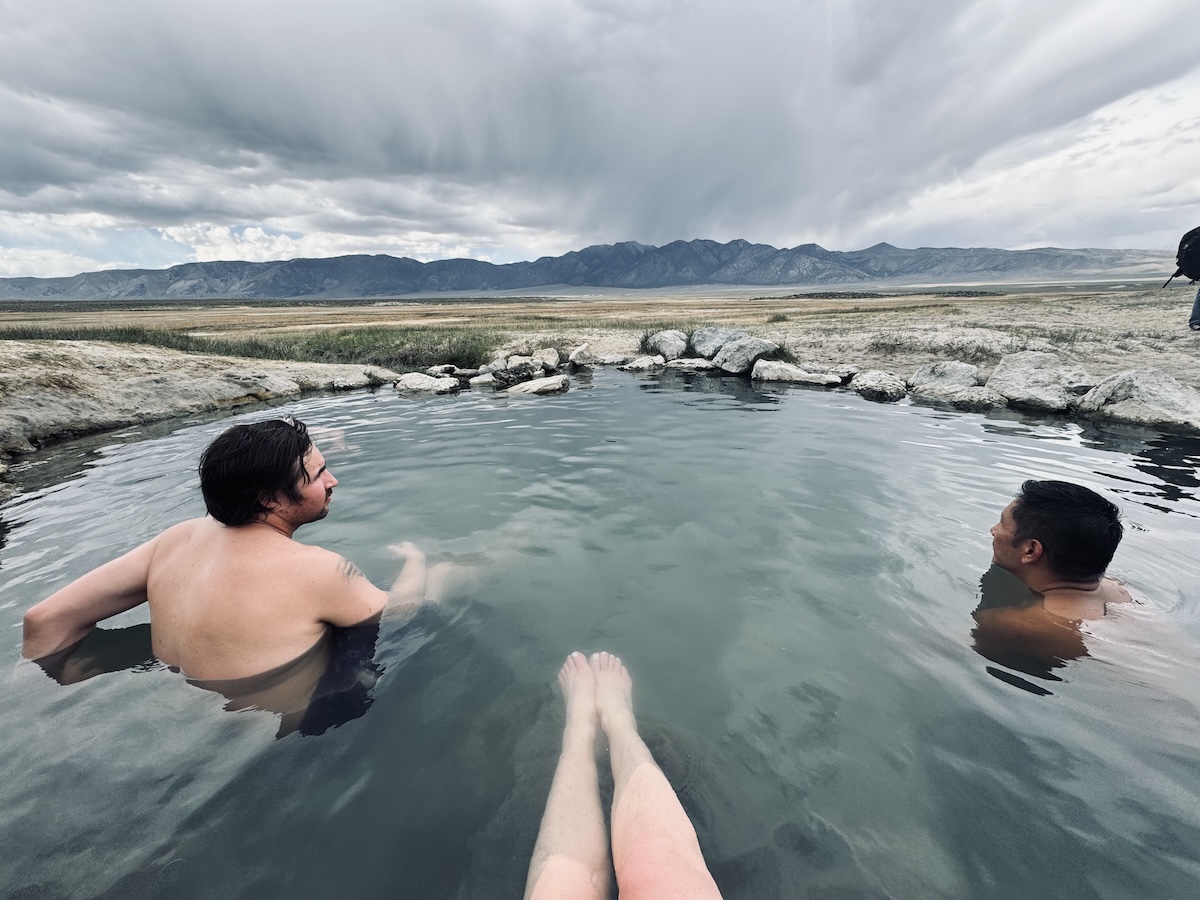
You don’t need a passport or a plane ticket to find adventure. Some of the most breathtaking views, quirkiest roadside diners, and hidden natural wonders are likely just a few hours from your front door. If you’ve been waiting for a “sign” to start traveling, this is it: your first great journey starts in your own backyard.
Planning a road trip can feel overwhelming if you’ve never done it, but it’s actually the ultimate low-pressure way to explore. You control the music, the snacks, and the schedule. Here is your beginner’s guide to hitting the open road with confidence.
1. Find Your “Backyard” Destination
The goal isn’t to drive across the country; it’s to discover what you’ve been driving past for years.
-
The 3-Hour Radius Rule: Open a map and draw a circle three hours around your home. Look for state parks, historic small towns, or scenic byways you’ve never visited.
-
Look for “The World’s Largest…”: Every region has a quirky landmark (a giant ball of twine, a dinosaur statue, a weird museum). These make for the best stories and photos.
-
Use Social Media for Good: Search hashtags for your state (e.g., #ExploreColorado or #VisitMaine) to see where locals are heading.
- Decide the type of trip: Will this be for hiking, explore nature venture or a city crawl with restaurants and museums? Do you need a hotel or will camping/car campoing do?
2. Practical Prep: The “Boring” But Vital Stuff
A little maintenance now prevents a lot of stress later. Before you leave:
-
The Quick Car Check: Check your tire pressure (including the spare!), top off your windshield wiper fluid, make sure you have oil and check your headlights.
-
Download Offline Maps: Cell service can be spotty in the mountains or rural valleys. Download your route on Google Maps so it works even without a signal.
-
Check Your Paperwork: Ensure your insurance and registration are current and easily accessible in the glovebox. Don’t forget your driver’s license.
- Electricity or gasoline? Be prepared for long stretches.
3. What to Pack (The Essentials)
Since you’re staying close to home, you don’t need to overpack. Think “comfort” and “safety.”
-
The “Survival” Kit: Reading glasses, a basic first aid kit, a portable phone charger, a headlamp, a physical paper map (just in case), a whistle.
-
Snack Strategy: Water, a small cooler or cooler bag with “no-mess” snacks like apples, grapes, cheese, and nuts. I will pack cans of sardines and crackers for easy non perishables.
-
Comfort Gear: A fleece blanket, a sleeping bag and comfy pad for the back of my SUV, a pair of easy-on/off shoes (for gas station breaks), and a solid pair of sunglasses, a warm beanie, warm clothes, pj’s
- Camping Gear: I love to car camp but if you like to pitch a tent and make coffee in the morning you should throw your gear in the car just in case.
- Misc Items: Window screens or covers for extra privacy, an ipad or book, binoculars, trash bag, napkins, toilet paper, utensils, cup, sun hat, bathing suit and camp towel.
4. Helpful Resources & Apps
These tools will make you look like a seasoned pro on your very first trip:
-
Roadtrippers: The gold standard for finding “offbeat” roadside attractions along your route.
-
GasBuddy: Helps you find the cheapest gas nearby so you can spend your money on souvenirs instead.
-
AllTrails: Perfect for finding a quick, beginner-friendly hike to stretch your legs.
-
Roadside America: A quirky database of the weirdest and most wonderful landmarks in the US and Canada.
- Hipcamp or Recreation.gov for all your favorite campsites in the US
Pro-Tip for Newbies: Embrace the Detour
The “perfect” road trip isn’t about arriving on time; it’s about the things you find when you’re “lost.” If you see a sign for a “Homemade Pie Shop” or a “Scenic Overlook,” pull over. Those unscheduled moments are usually the ones you’ll remember most.