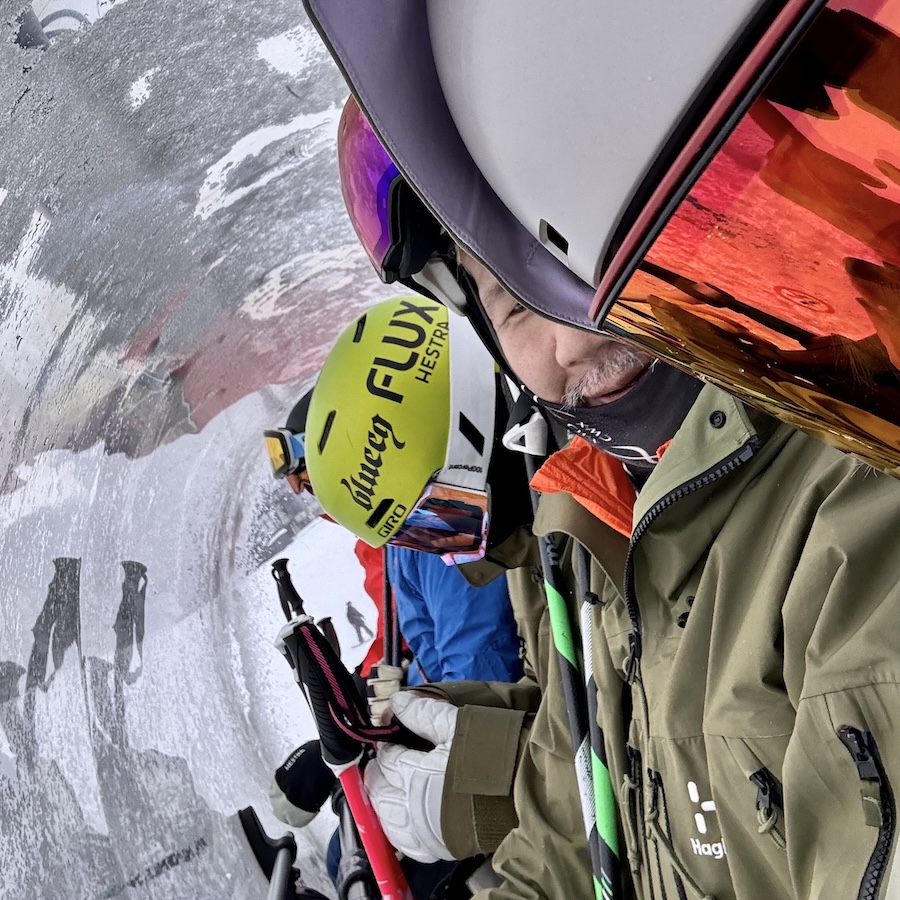
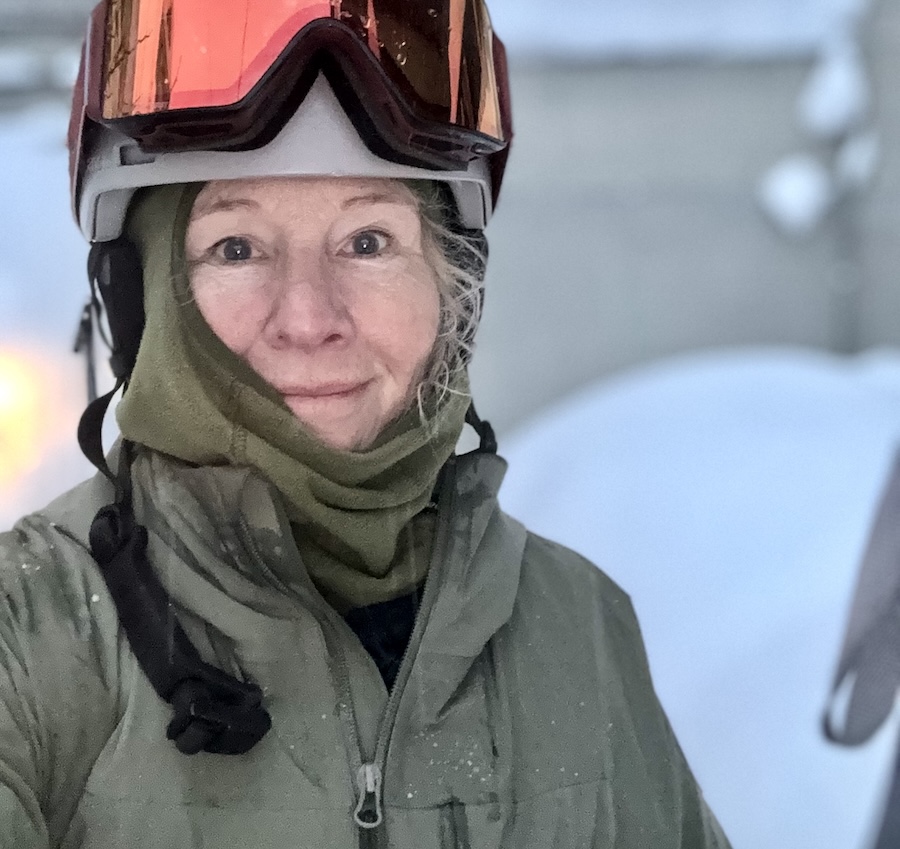
There has been so much snow here in Niseko. Today to avoid the overcrowded and scarce shuttle buses I walked up the hill with my gear to get to Grand Hirafu and start my day. I am looking forward to a day skiing because the other day there was a huge storm and although I waited for a shuttle for hours only one bus came by and it was full. I will explain that mess later, today is a new day. It did not seem crowded as I walked into the ticket office to buy a ski pass for the day. Just my luck, the internet was not working and they could not process my credit card – did I have cash? No i do not have 13,000 yen in my pocket!! The stress was real as I tried to use the ticket kiosks and when that failed I tried to get in contact with my friend who was already on the hill. Finally after a few hours the internet was working and I purchased a ticket trying to forget about this delay. I head over to the line, pop into my skis at the same moment my friend showed up. We head to the top and it is super windy. The encapsulated chair lifts are nifty though and keep you warm enough on the way up. Unfortunately the next chair lift up to the top was not open so we had to ski down to catch the same lift. I was feeling the great snow and making my way down the hill when I heard a loud CLACK CLACK and suddenly I was flying down the hill face first. Upon impact my goggles slammed into my face and my nose slid across the icy snow. What the hell? I was dazed and confused as I shifted my legs down the hill. Definitely was slow getting up as a nice young lady stopped to help me and brought the ski that had ejected me down. I fought to hold back the tears but I felt like I was hit by a train. My friend caught up to me as I explained that my ski just popped off. Even though I have skied a lot (I am a ski instructor) this has thankfully never happened. It was then and there that I was pissed at my entire unfulfilling Niseko ski vacation. I was going to return those shitty skis and I am out. Buh Bye.
Why Niseko is not ready for prime time
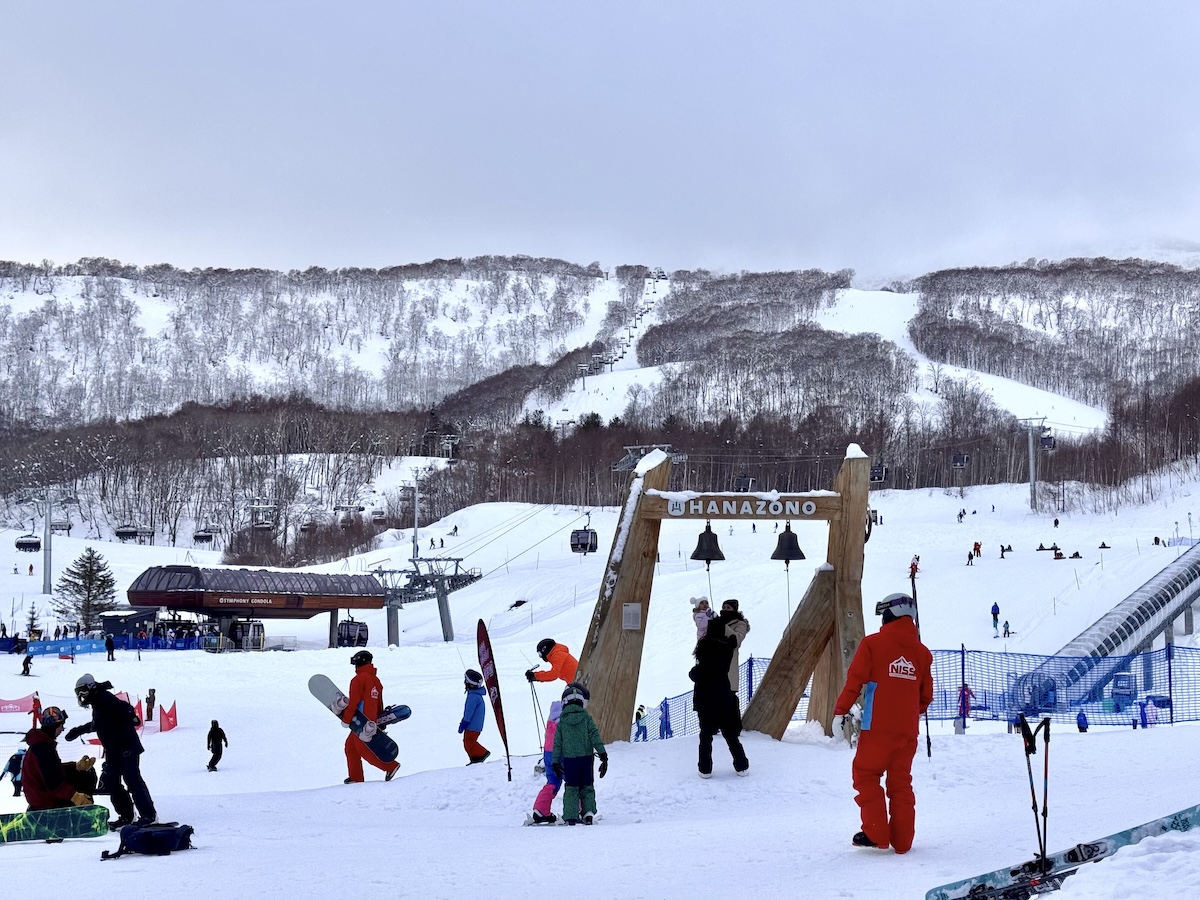
I was very excited to ski here. The first day Sunday, I walked around with one of my friends looking for ski gear. There was a spot close to our accommodations that I rented some pretty sub par looking equipment. They said I could switch out so I was convinced. By the time I finished getting my gear I was ready to hit the slopes and opted to check out Hanazono because I heard the Hirafu had long lines. My friend was already on the hill. That day the bus picked me up – it was full but I was able to get on. It stopped at several other bus stops that were progressively more crowded. It took about 30 minutes to get to Hanazono and I went inside and purchased a lift ticket.
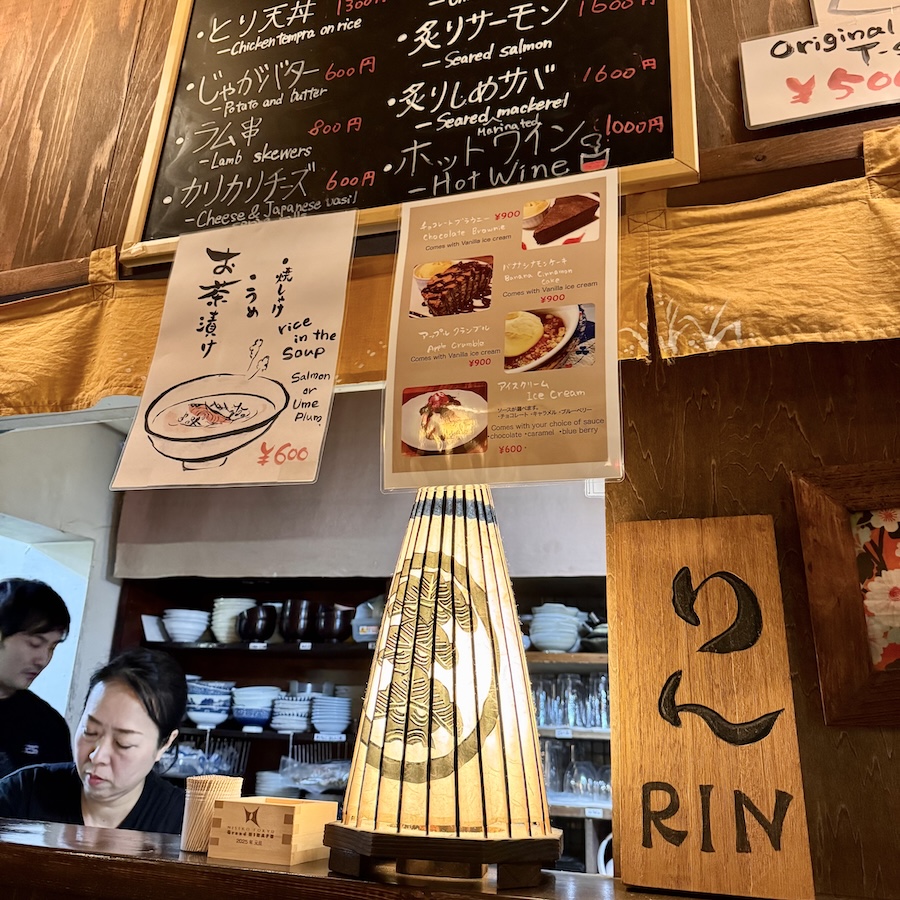
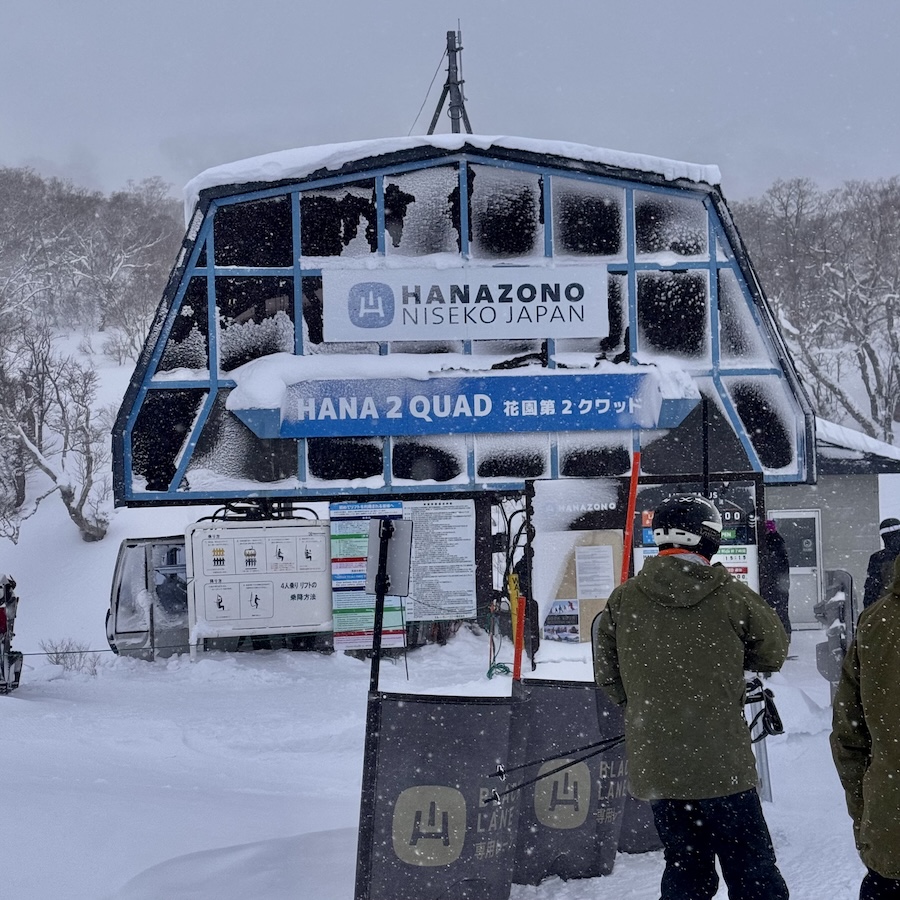
This was a good day skiing around and exploring Hanazono. The chairlift with the plastic cover was awesome and in the moist icy air really keeps you warm. After a few hours of skiing I made my way to the top and skied down towards the next resort over: Hirafu. My friend and I linked up at an on mountain restaurant for a late lunch. The Japanese food was stellar. After eating we skied around Hirafu until the end of the day when the lights came on for the night skiing.
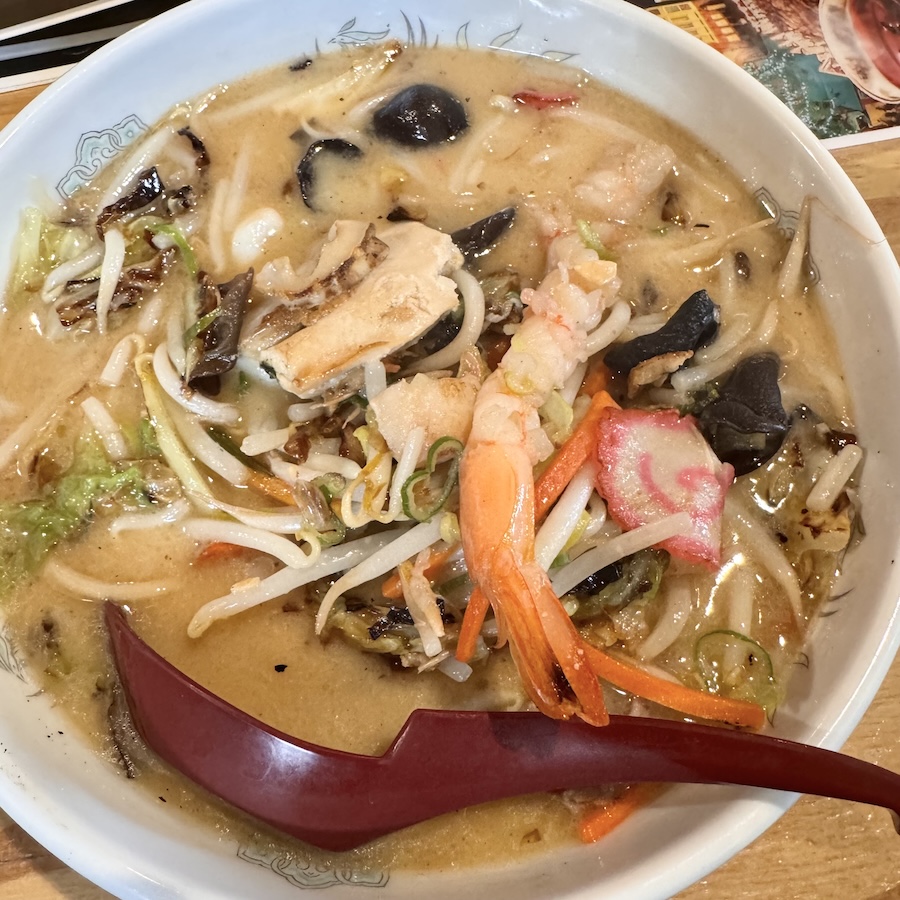
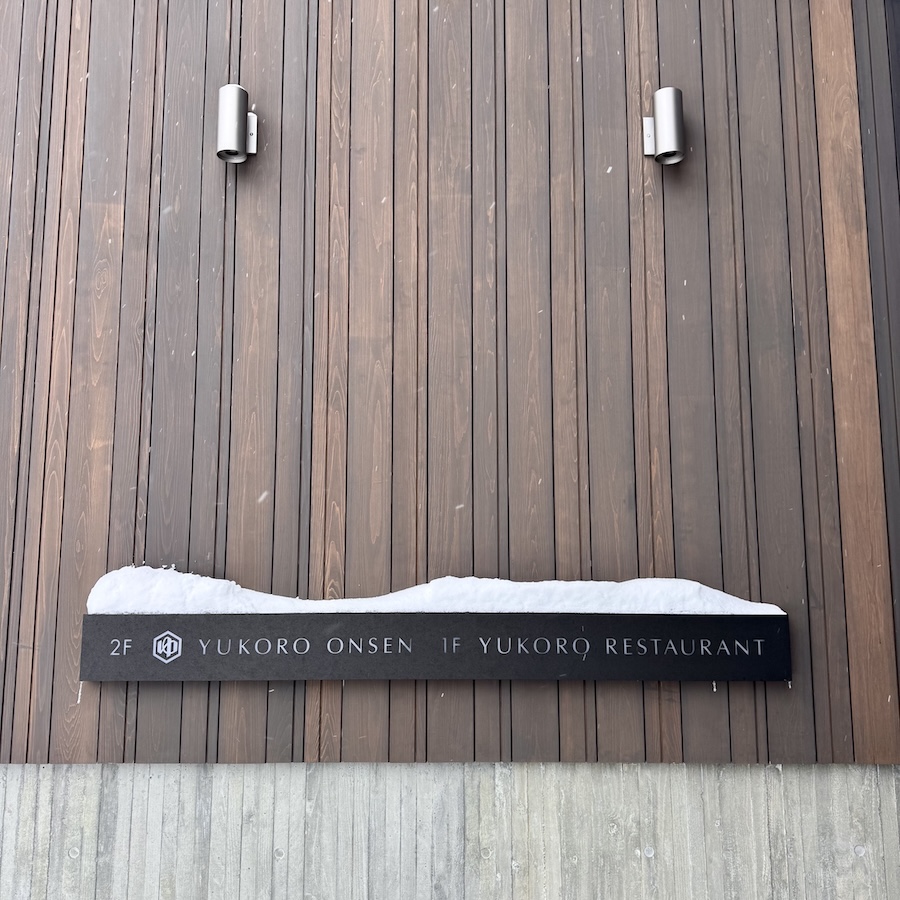
The next day on Monday, there was a giant storm. My friend grabbed an early ride from the homestay to the mountain. At breakfast the staff at the homestay monitoring the mountain said the lifts were not open and probably would not open for awhile. Therefore I took my time before heading out. My friend ended up waiting hours in the massive line for the lift to open. Turns out the lines were hours long for the entire day. On the other hand I ended up waiting on the street with dozens of others for hours. One bus came by that was full and did not take any passengers. Finally frustrated and hungry I set off to find food, gear in hand. I walked across the street and found a traditional ramen restaurant, Momiji Zaka 46. I climbed up the stairs and ordered a seafood ramen that was rich, creamy and delicious. After lunch instead of hoping and waiting for a bus I gave up on skiing and instead went to Yukoru Onsen, on the second floor of a large concrete modern building with high ceilings, slate and wooden walls and large windows with natural light coming through. Onsens are part of Japanese culture, rooted in centuries of Japanese history, centering on communal soaking in naturally heated geothermal mineral water for relaxation, healing, and social connection. First is showering and scrubbing up in communal areas before getting in the hot pools inside and outside in the snow, cold plunge and sauna. I definitely needed that and almost forgot about my day not skiing.
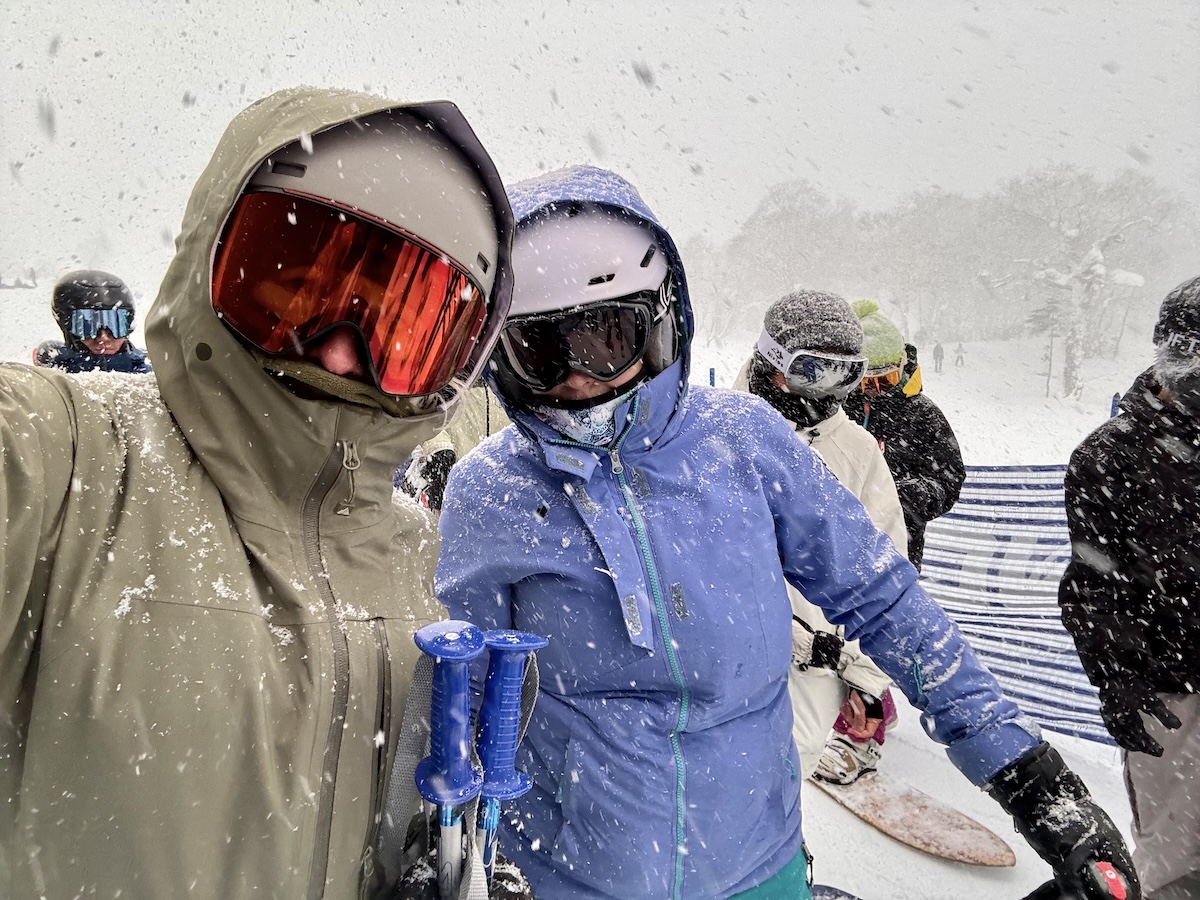
Tuesday morning was better. We were able to get on the lift at Hirafu and went up to the slopes. We skied the trees and explored the mountain. The wind picked up at the top and there was a white out from the blizzard conditions. I could not see 5 feet in front of me. It was crazy skiing around not knowing where we were so we headed down and skied the middle part of the hill. All in all it was a great day.
Wednesday morning I was excited to ski unfortunately as I described in my opening paragraph it would not be a good day. Can I just ski? The answer was no and with that I traveled all the way to Niseko for 2 days of skiing and 2 days trying to ski. Hopefully my experience is not the norm. Actually I spoke with several people who had a great experience but it involved not having to use the bus system and knowing where to go and having their own gear.
In a nutshell what nobody tellks you
It’s not the lack of snow. Obviously Japan get a ton of snow, more then any place in the world. I imagine when Niseko was an undiscovered, hard to get to, in the know destination these issues may not have caused problems. Niseko has become over crowded, a popular ski resort for Aussies and then some and has international visitors flocking to catch the JaPow!
Here are a list of the problems I encountered.
- When there is a storm the mountain does not open for hours. They probably do not groom in the early morning or at night so as a guest you just wait for updates and hope the mountain opens.
- When the mountain is slow to open the lines are hours long. It is probable that you wait for hours for the bottom lift to open just to ski down to the only other lift and have to wait another hour or so.
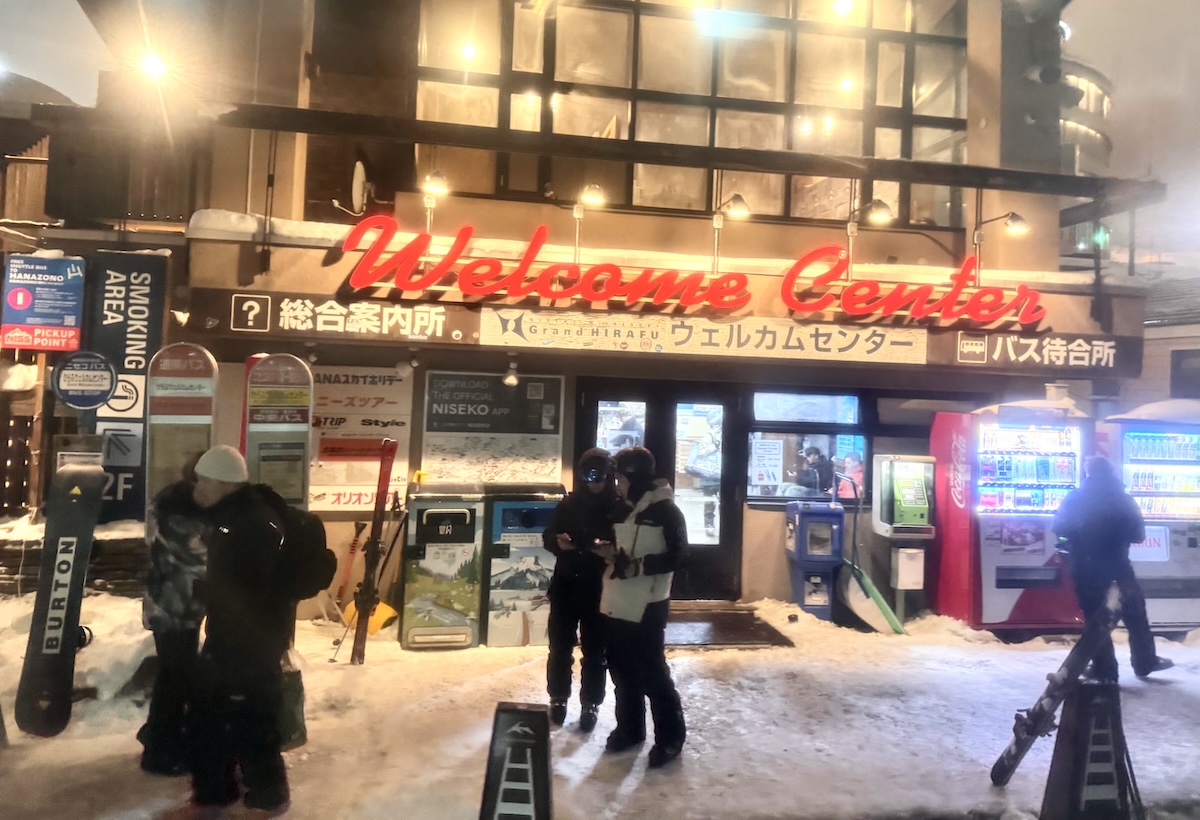
- Even though there are four resorts on the same mountain if you do not want to drive and want to utilize the shuttles you will wait like I did for hours for only one shuttle to come by that was full.
- Niseko is expensive. Food and accommodations can be pricey which is ok when you get what you pay for.
- Crowded – the slopes are full and runs are on the small side
- Rental gear was subpar where I went – there are few rental shops
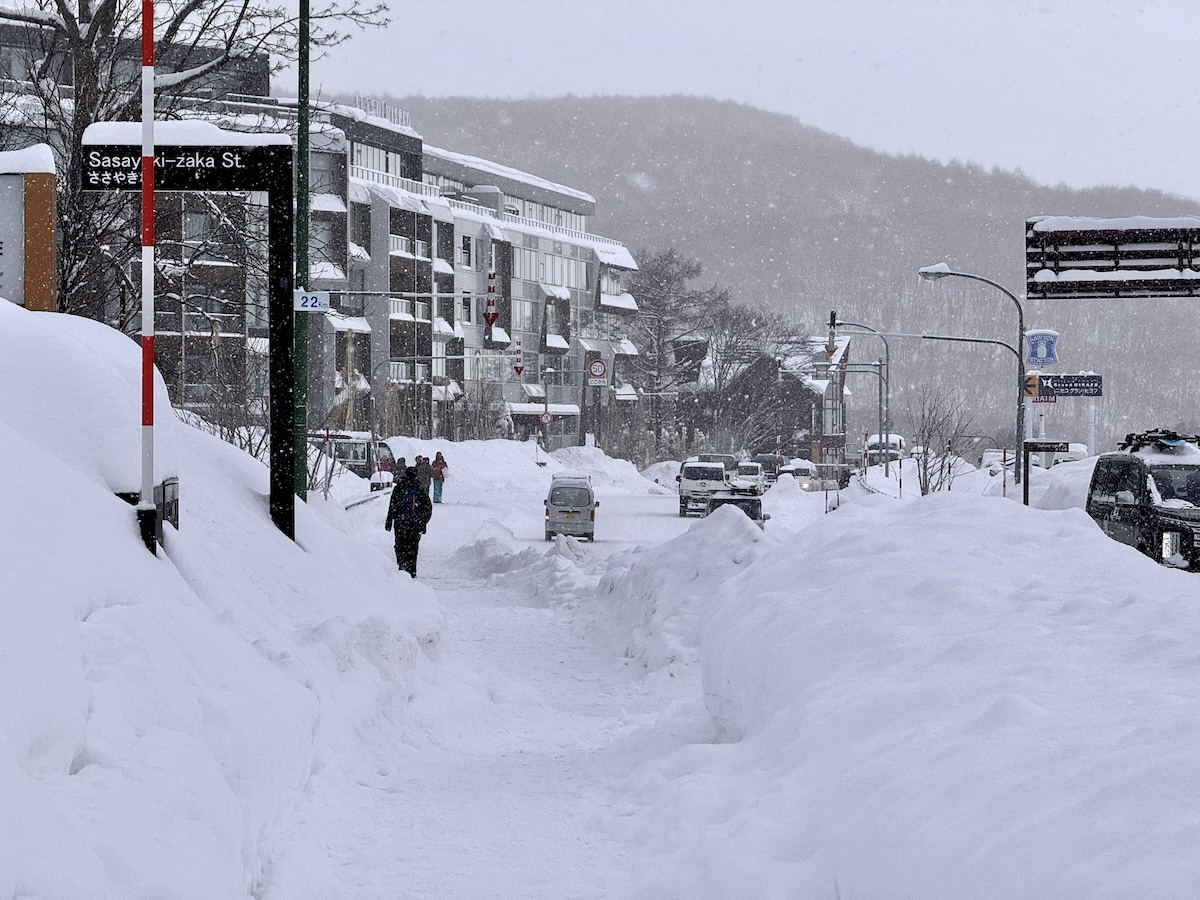
- The roads had turned to ice and they stayed icy for days – did not see road maintenance at all
Obviously if you have your own transportation you can head to another resort easier. Also if you have a guide that takes you to off-grid ski hills you will be taken care of. The issues I had is mainly because I was dependent on the resources of the ski resort to get around.
After researching, here is why these problems exist:
- Upper-Mountain Wind Holds & Delayed Openings: Niseko sits exposed to ferocious Siberian winds coming straight off the Sea of Japan. Its upper lifts (like the King Hooded Quad #4 and the single-seat “Pizza Box” summit lift) close frequently due to wind and rime ice. Additionally, Japanese ski patrol protocols are conservative with avalanche control and rope-line setup, meaning upper gates and lifts often open late—creating massive bottlenecks at the base lifts while everyone waits.
- Inter-Village Transit Bottlenecks: Niseko United links four separate base areas (Hanazono, Grand Hirafu, Niseko Village, and Annupuri). When upper-mountain connecting lifts close due to wind, everyone is forced onto the Niseko United Shuttle bus system. Those buses run on infrequent schedules relative to peak demand, fill up quickly, and can leave skiers stranded between villages at the end of the day.
- Equipment Rental Bottlenecks: While Hirafu has plenty of shops (like Rhythm, Niseko Sports, and Burton), high-performance powder skis and top-tier touring gear sell out fast during peak weeks, and smaller bases like Annupuri or Moiwa have very limited options.
What I liked about Niseko
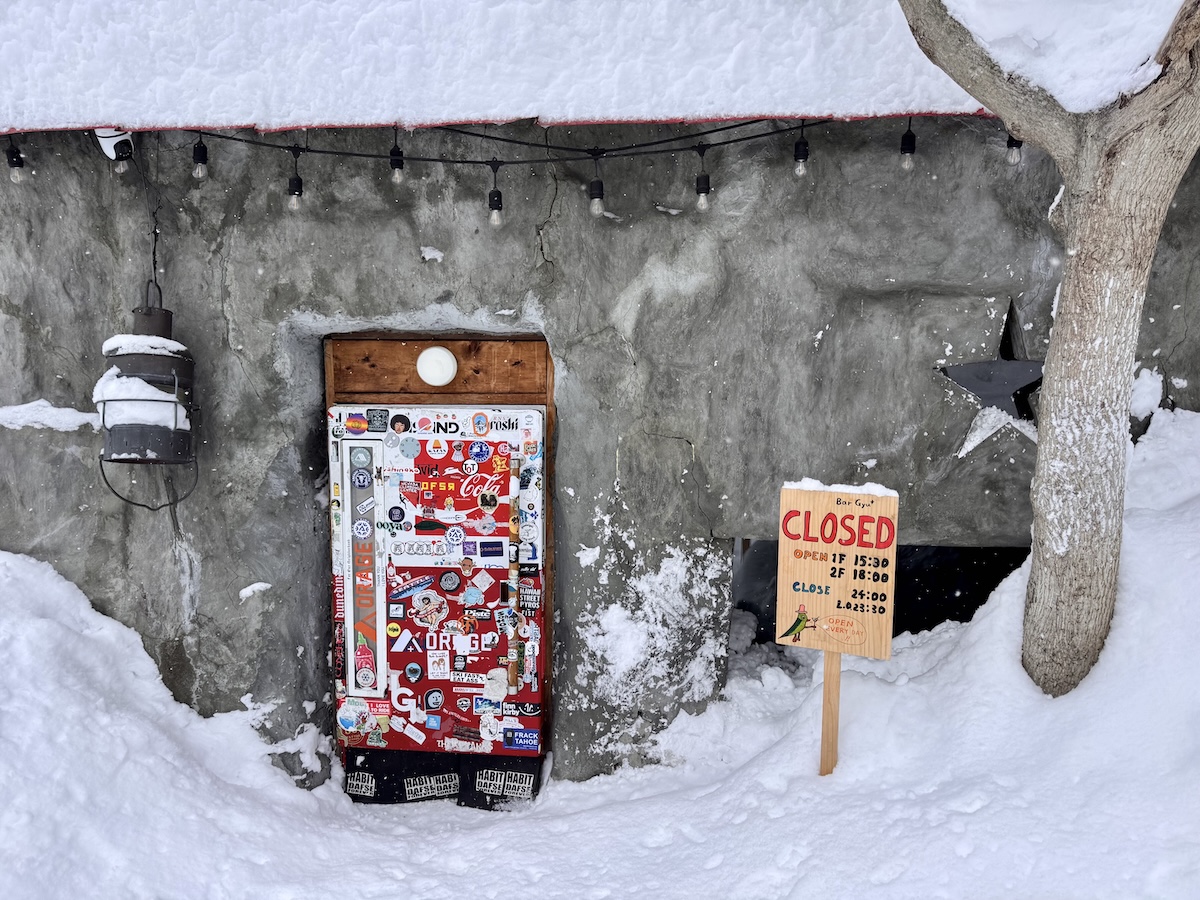
We stayed in an old family owned homestay hotel where some quests come year after year. The owner made snow boots and skis and was now raising his young son there. They served breakfast and it was warm and cozy. Walking around the neighborhood on the snow covered streets admiring the varied architecture, the homes and businesses, the restaurants, food court, stores and the onsens was a great way to see the neighborhood. The business area was a few blocks above us and was easy to get to.
Here are the positives
- Insane amount of snow-it snowed everyday I was there
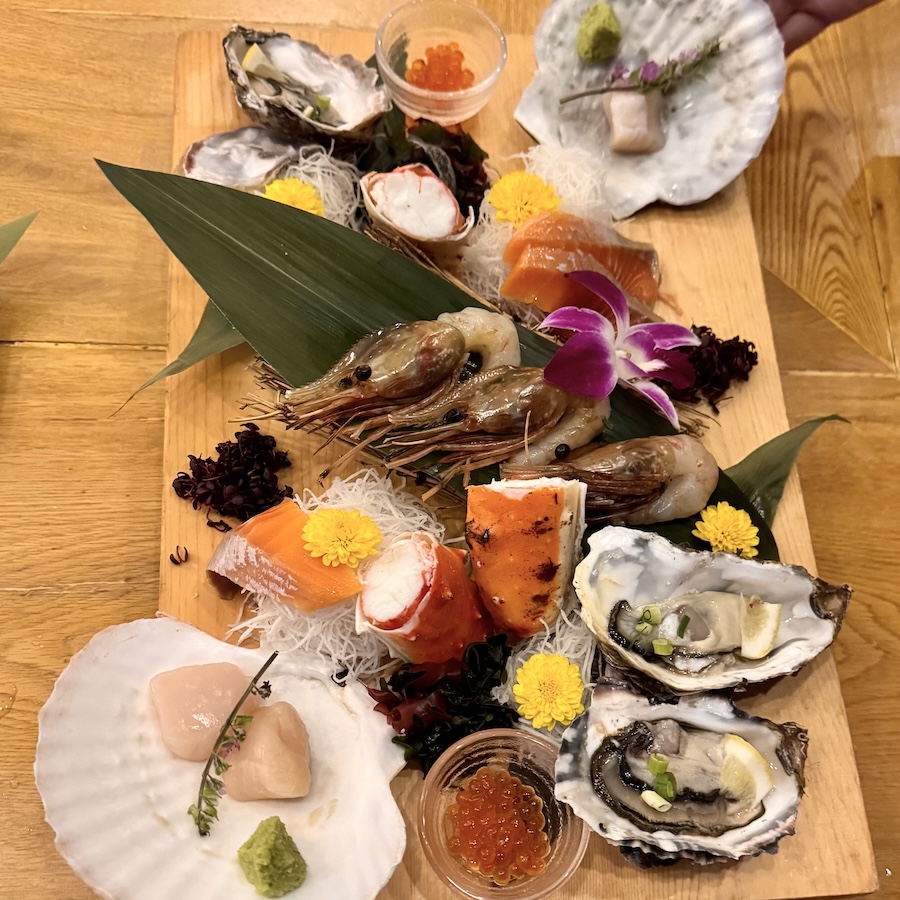
- The food – you can find cozy ramen restaurants and high end sushi, Kobi beef, Thai food. Many options some pricey some economical
- The Convenience Store culture – Who knew that this mini mart is the spot to get inexpensive grub, groceries and even alcohol
- Onsens – Japanese culture knows whats up and they have a hot tub and spa culture where you can unwind and relax
- Small and manageable – it is an easy town to walk around and explore
- Some lifts are enclosed inside a plastic bubble keeping you warm ish
- People are polite and friendly
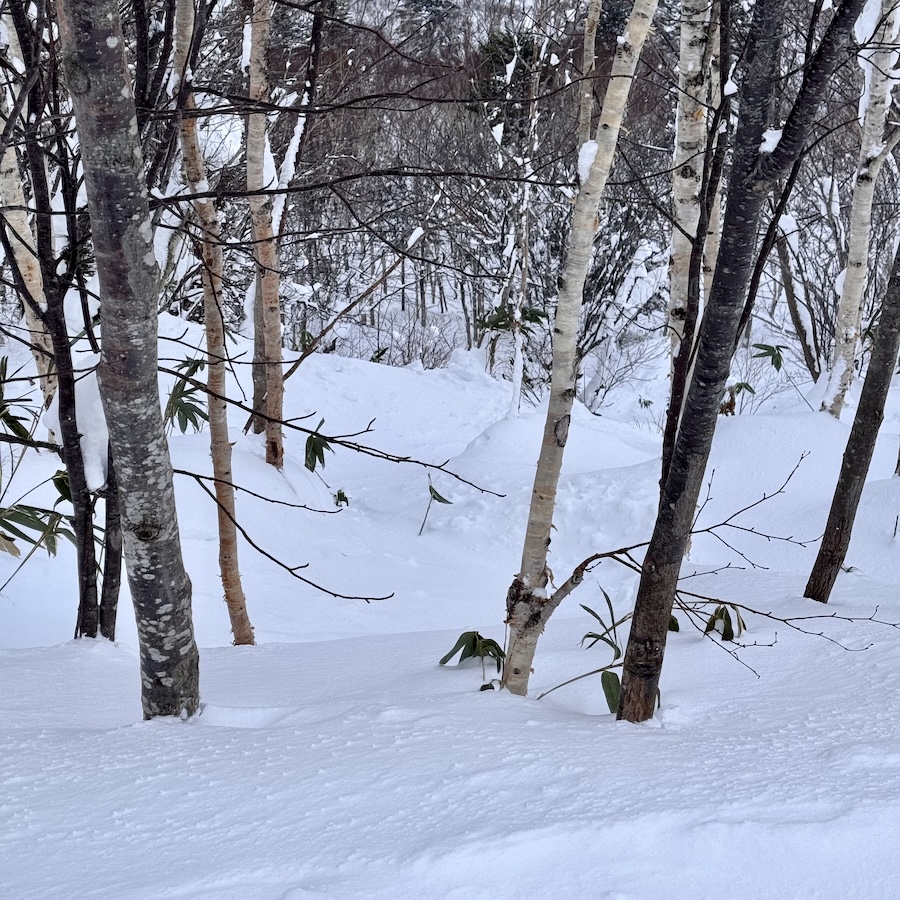
- Fun to ski the trees which are spread out and eerily branchy
- There is night skiing
what i wish i knew
Japan is funky, it’s unique, quirky, traditional and different from the U.S. or anywhere. When my friend asked if I wanted to join her in Niseko I gave her an enthusiastic yes. I had heard about the skiing in Japan and the culture and food in the ski towns and I was all about it.
Getting to Niseko involved a few flights and a night spent in Sapporo. I ended up in an odd hotel with many vending machines, a shrink wrap machine and no visible staff. Instead of people checking you in there were a trio of dinosaur robots. It was basically a self serve Jurassic Park meets Disneyland.
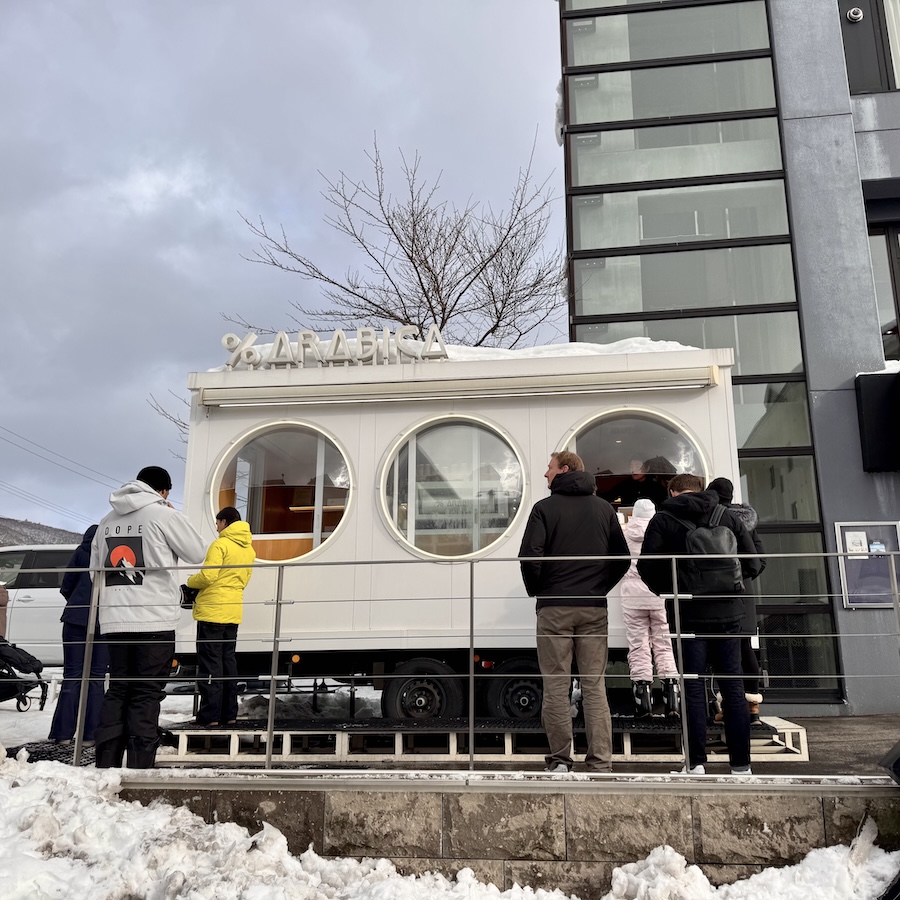
After a funky interesting evening, the next day I took the bus to Niseko. Upon arrival to the main bus terminal we shuffled out on to the parking lots frozen asphalt. It was so cold and icy that when I tried to take a step I slid back down the hill!! Luckily I found some yak traks at the Australian owned retailer and wore them until more snow covered up the icy roads.
After getting here I learned how the mountain and town is set up with four different areas.
Niseko United links four ski areas: Grand Hirafu, Honazono, Annupuri and Niseko Village. These ski areas are all on different sides of one mountain, Mount Niseko-Annapuri. When you are at the top of the mountain you can ski down to any one of the resort zones. From the street level you need to drive or bus to the different areas.
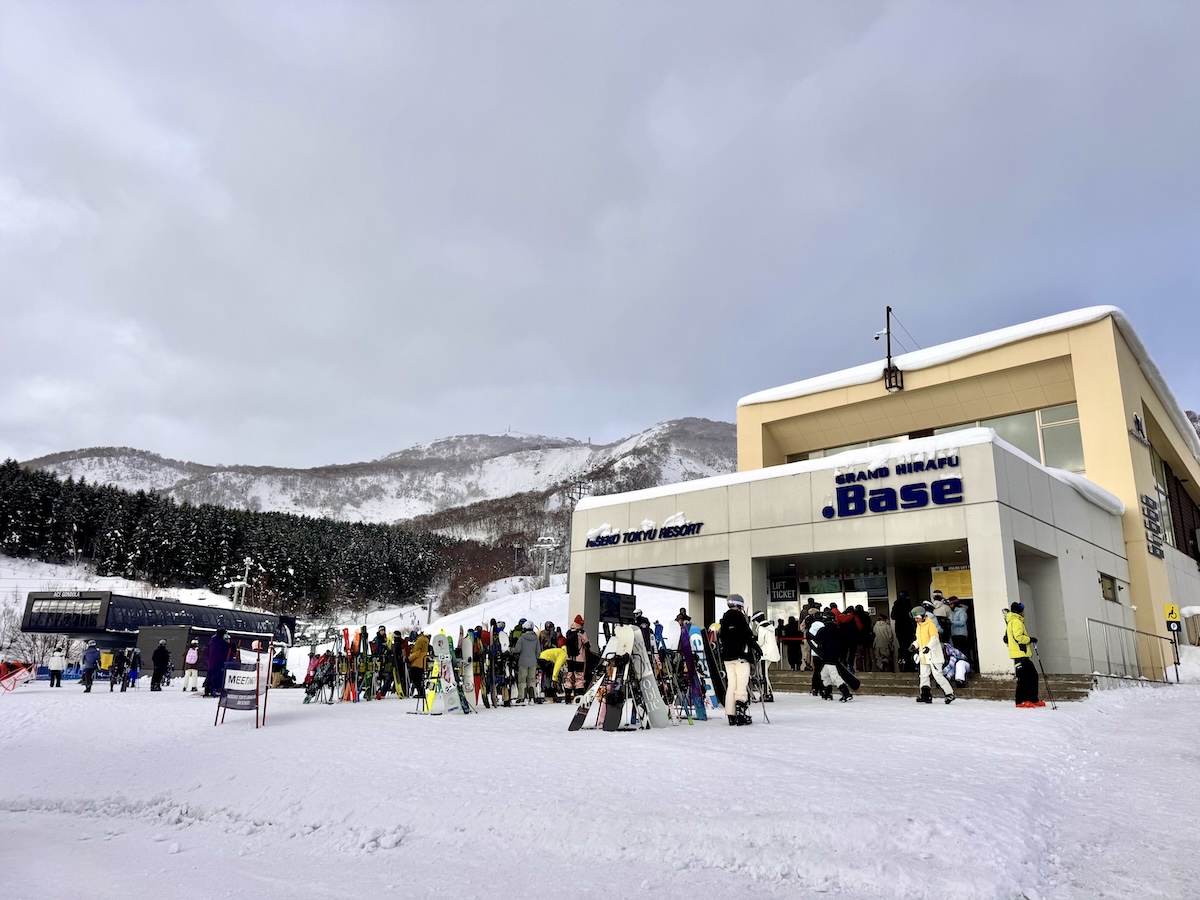
I was in the big city: Grand Hirafu. This is the busiest, and the biggest. It is the main area where all the restaurants, bars and nightlife are. It also has night skiing, two gondolas, the widest variety of runs and is the most crowded.
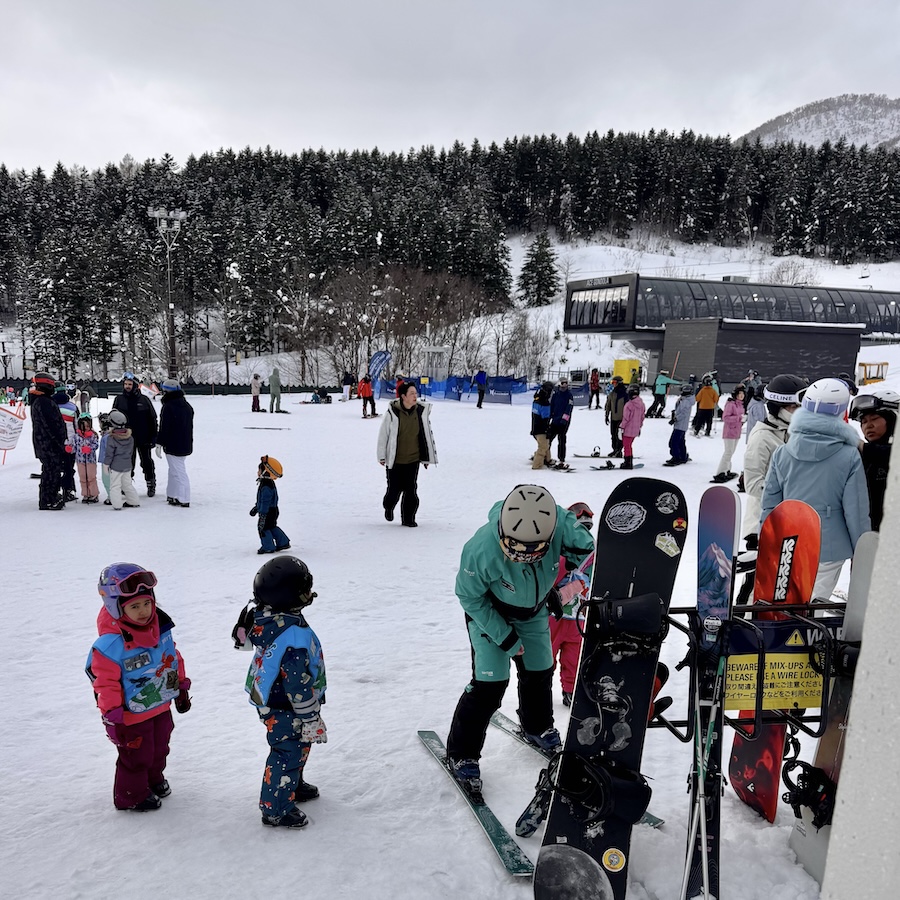
Hanazono – modern high end base with fast modern lifts and with ski in ski out, and family friendly services. They have the largest terrain park and destination tree runs.
Niseko village is quiet with a resort/hotel focus with slope side properties. Combines gentle lower-mountain beginner terrain, long groomed cruisers, and steep upper lines, often with shorter gondola lines. The two resorts I noticed are The Green Leaf and the Hilton Niseko. For a more calm, beginner slope, chill experience for couples and friend groups this may be the ticket.
Annupuri – The westernmost zone with a calmer, more traditional Japanese pace, hot springs (onsens), and fewer crowds (this sounds like my kind of place!) Plus wide groomers, beginner slopes, and tree/off-piste zones. Highlights include powder, tree skiing, and accessible off-piste lines while avoiding the daytime congestion of Hifafu.
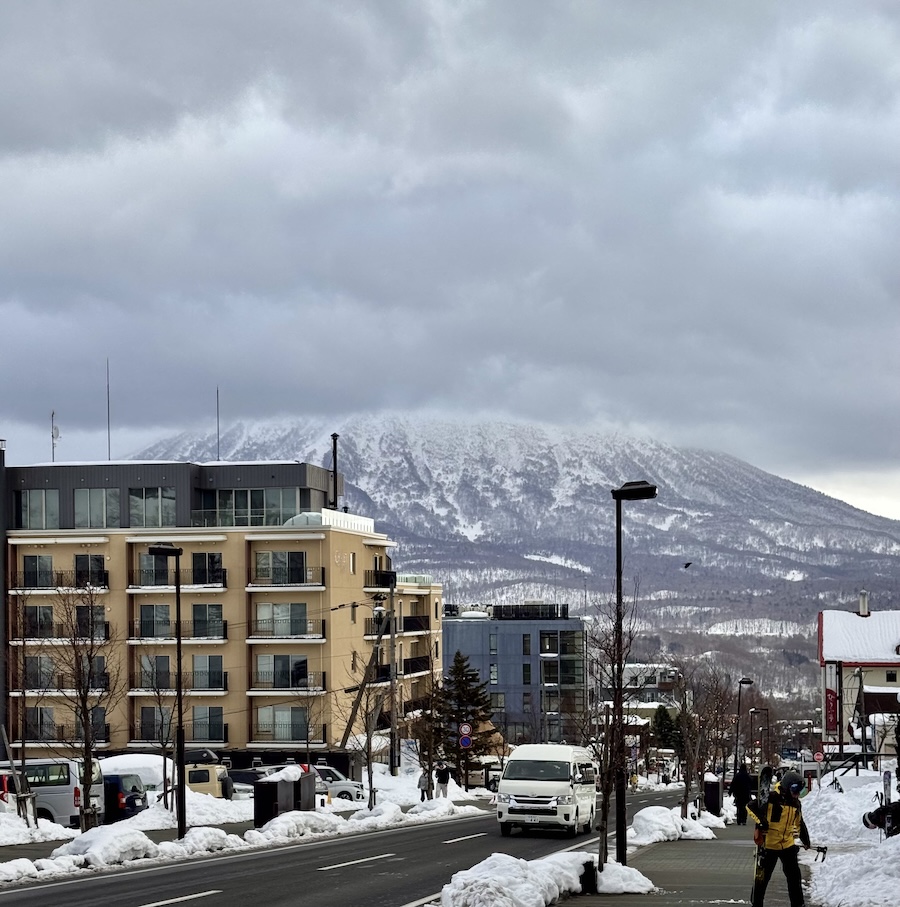
You can see Mt. Yotei in the distance on a clear day.
Don't give up on japan: there are hundreds of resorts to try
There are over 450 ski resorts in Japan! They are split between the legendary powder snow of Hokkaido and the massive, culturally rich alpine ranges of Nagano and Niigata on Honshu. When filtering the best ski resorts I considered snow quality, infrastructure, lowest crowds and best prices. What I may try next time:
Popular
Furano Ski Resort (Hokkaido). Situated inland in central Hokkaido’s “Powder Belt,” Furano gets around 9 meters (354 inches) of ultra-dry, lightweight “Bonchi powder”. Because it sits away from the coast, it experiences fewer wind holds and colder, drier snow than coastal resorts.
Hakuba Valley: Crowded, host to the 1998 Winter Olympics, Hakuba vertical drops, steep alpine terrain, and multiple interconnected resorts on a valley pass.
Shiga Kogen (Nagano) High elevation preserving cold, dry chalky snow well into May
Magical
Nozawa Onsen: A historic hot-spring village fused with nearly 300 hectares of diverse terrain, long cruiser runs (including an 11 km track), and 13 free public onsens to visit after skiing
Zao Onsen Ski Resort (Yamagata). Famous for its surreal Juhyo (“Snow Monsters”)—subalpine fir trees encased in thick, wind-sculpted rime ice and snow. Paired with a 1,900-year-old sulfur hot spring village at the base, steaming outdoor baths (rotenburo), and traditional wooden inns, it delivers an unforgettable, distinctly Japanese winter atmosphere.
Furano (Hokkaido). Offers a quieter, authentic Hokkaido town feel where you can ski dry powder all day and walk straight into tiny, local Japanese-run izakayas and ramen shops at night without the commercialized feel of Niseko
Near Tokyo
Yuzawa it sits about 70 to 90 minutes from Tokyo via the Jōetsu Shinkansen. A mountain resort town in Niigata Prefecture, known to for few crowds and famous for its heavy snowfall, ski resorts, and onsens.
Arai Mountain Resort (Niigata) 2 hours via train, a resort free shuttle will pick you up from the Joetsumyoko Station. Set near the Sea of Japan, the Myoko region gets buried under massive storms. Arai is famous for steep, ungroomed freeride bowls.
Mt. T (Tanigawadake Tenjindaira) (Gunma). The easiest day or weekend trip from Tokyo. A 75-minute bullet train followed by a short bus ride puts you at the base ropeway of a steep, raw backcountry-style mountain.
Club Med
Club Med Kiroro Peak: Known for receiving some of the deepest and most reliable cumulative snowpacks in the region with a mellow, uncrowded feel
Club Med Tomamu: An all-inclusive mountain resort ideal for families, offering ski-in/ski-out convenience, extensive childcare, and proximity to indoor water attractions
There are so many places in Japan to ski. Would love to hear the resorts you have loved. Leave me a comment.